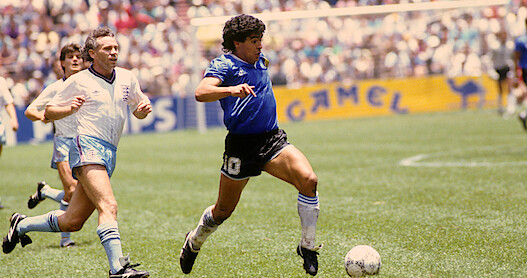
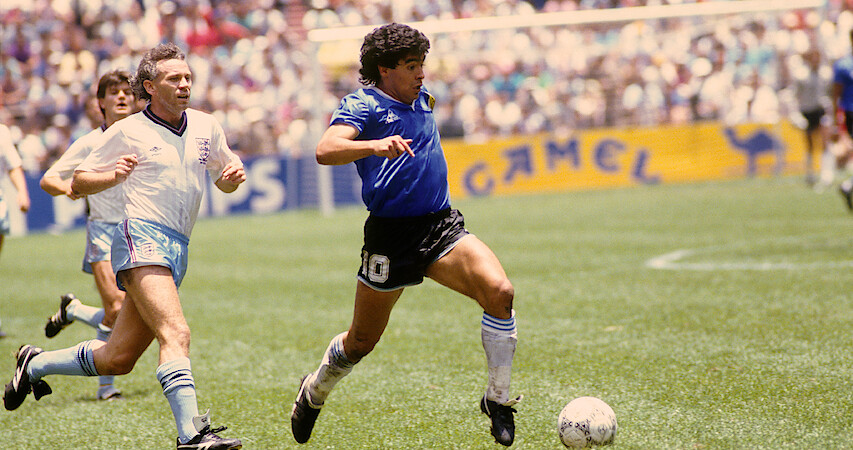
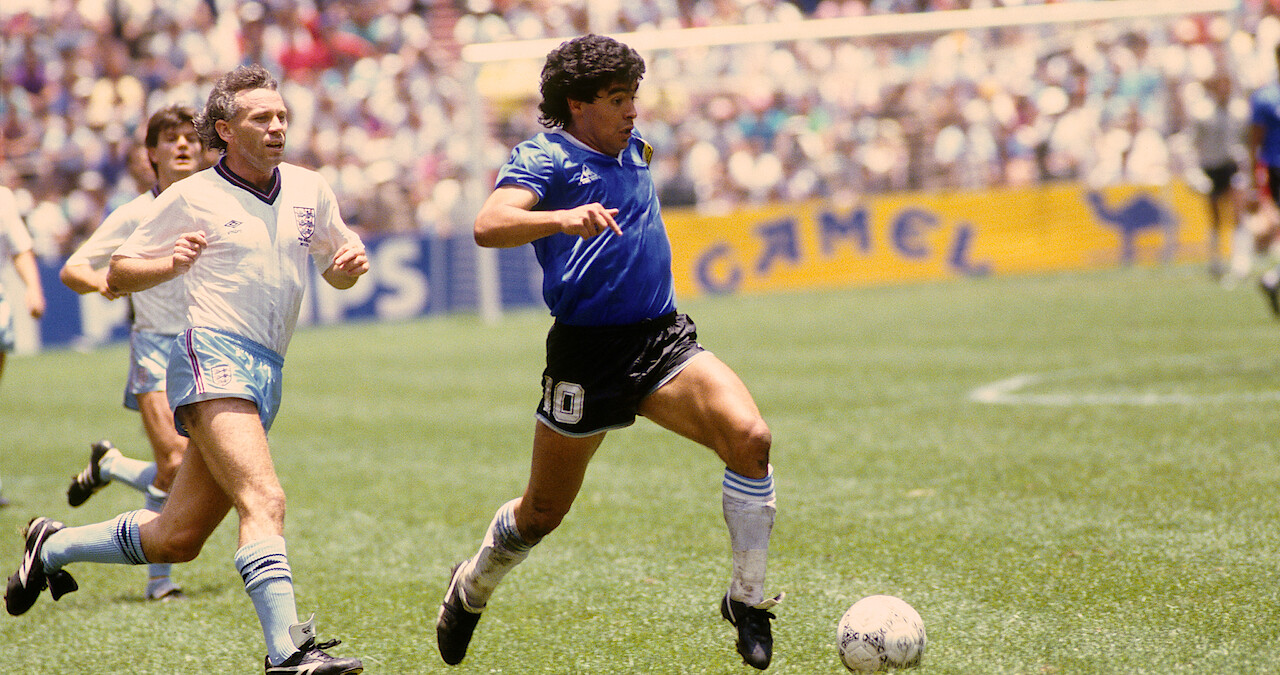
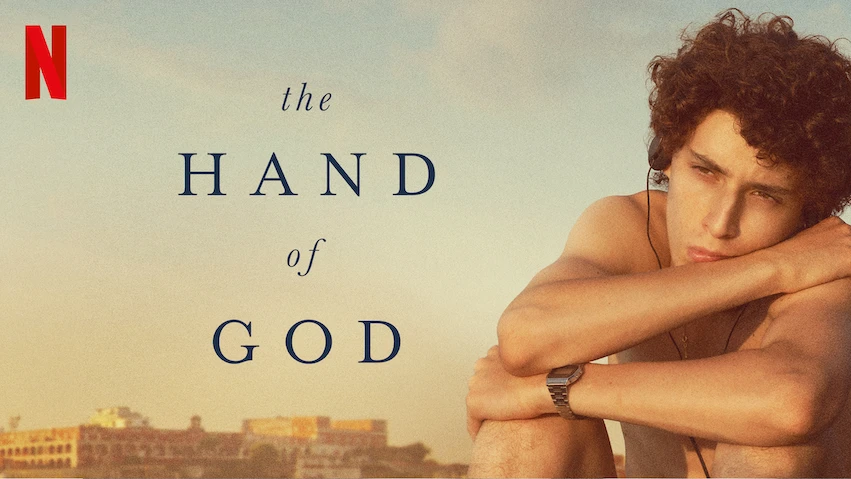
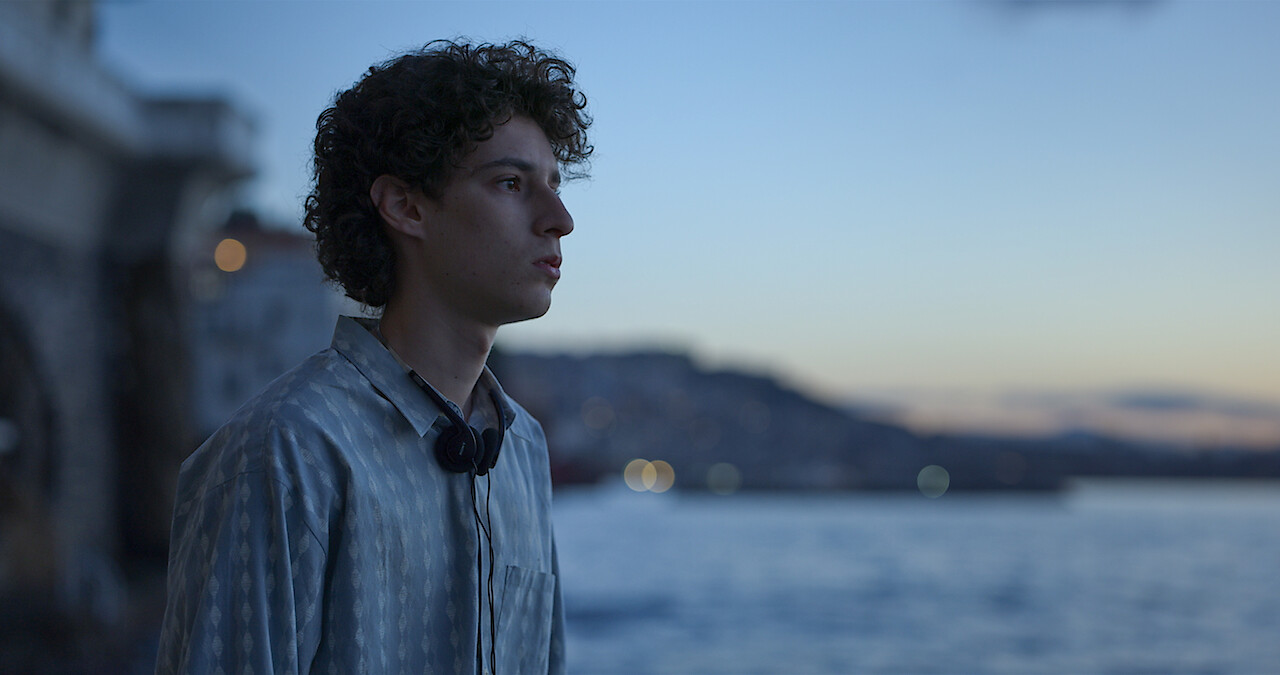
While the new Netflix drama The Hand of God from director Paolo Sorrentino is only peripherally about soccer, its title originates with one of the most infamous incidents in the sport’s history — Diego Maradona’s controversial goal in the 1986 World Cup quarter-finals.
Soccer has one major rule: Don’t touch the ball with your hands. Sure, there are rules about offsides and onsides and any number of other words that only professionals and Ted Lasso fans have to know, but the big one is hands. Do not touch the ball with your hands! Unless, of course, you’re Diego Maradona.
Maradona, an Argentinian soccer icon who later played for the club team in Sorrentino’s home city of Naples, touched the ball with his hand in 1986. Actually, it was more than a touch. He punched it — right into the goal of the English team, cementing Argentina’s lead and helping to send the team to the World Cup finals, where they would win their second title.
In a world before slow-motion replays, Maradona got away with it. Over the protests of the Brits, the umpires upheld the goal, and Maradona continued to maintain that he had headed the ball into the goal. When interviewed about it after the game, he boldly noted that he made the goal “a little with the head of Maradona and a little with the hand of God,” giving the sports moment the name that soccer fans would use to reference it for years to come.
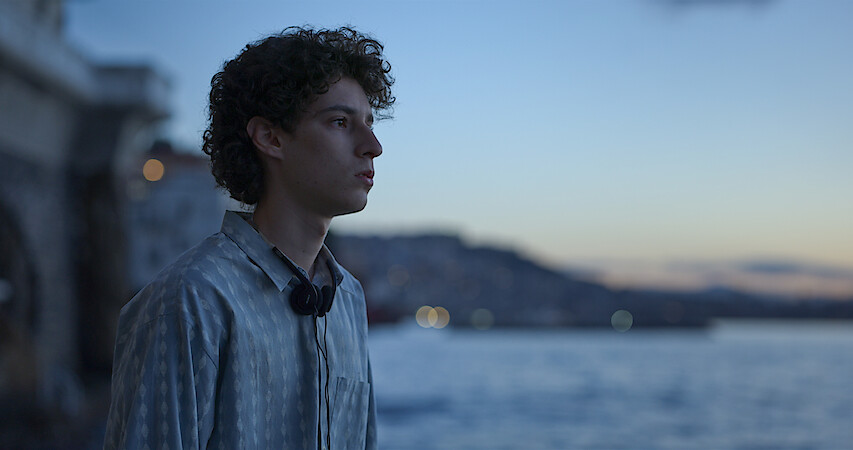
In Sorrentino’s The Hand of God, protagonist Fabie witnesses the titular goal while watching the game with his uncle, who cries out that Maradona “has avenged the great Argentine people, oppressed by the ignoble imperialists in the Falkland Islands. He’s a genius! It’s a political act.” This perspective was not an uncommon one at the time. The 1986 World Cup took place four years after Argentina surrendered to Great Britain in the brief Falklands War, and Maradona’s goal was widely perceived in his home country to be a direct response to that humiliation.
“When he scored that first goal, just sticking out his hand and getting away with it, that was like sending a message to his compatriots saying 'We're smarter than the British,’” South American football expert Tim Vickery told Sky Sports after Maradona passed away in November 2020.
Today, the goal is iconic not because of its controversial nature but because fans still rank it as one of the all-time best soccer goals, regardless of its legality. It’s the fact that a player got away with it that makes it such an enduring and iconic moment. Maradona eventually admitted that he did, in fact, touch the ball with his hands. “It was a bit of mischief,” he said. Maybe the “hand of God” played a role, after all, in turning this slip up from a controversy into a cinematic triumph.