Interview
Adam McKay on That Apocalyptic ‘Don’t Look Up’ Ending
“It’s a solid way to end any movie.”
By Karen Han
Dec. 27, 2021
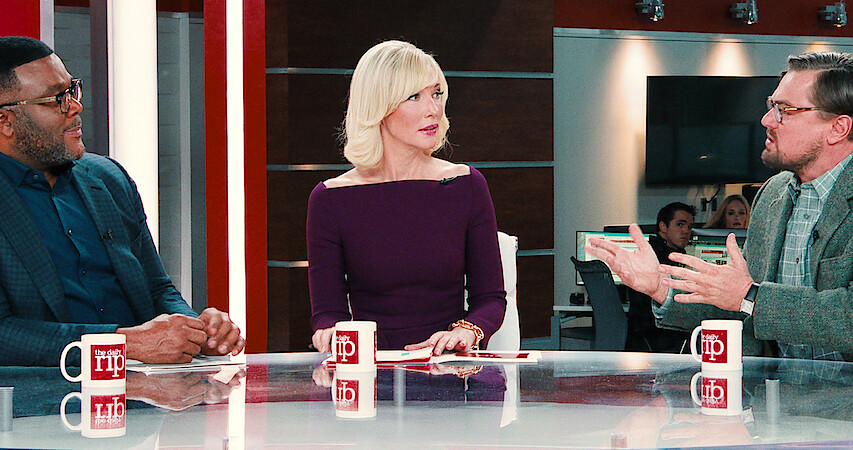
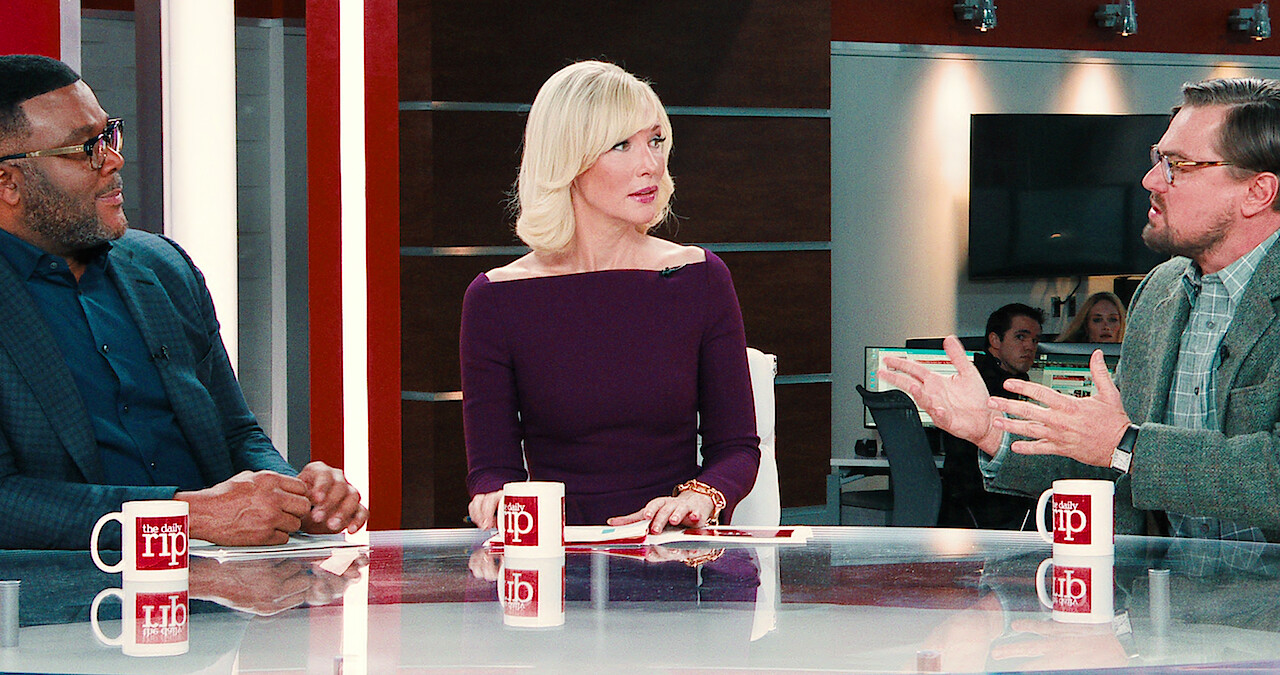
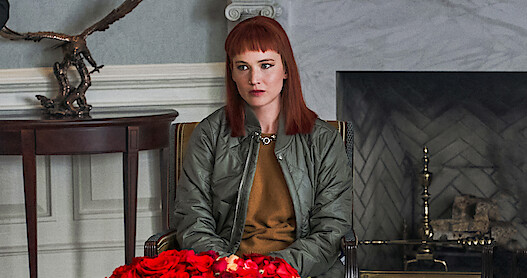
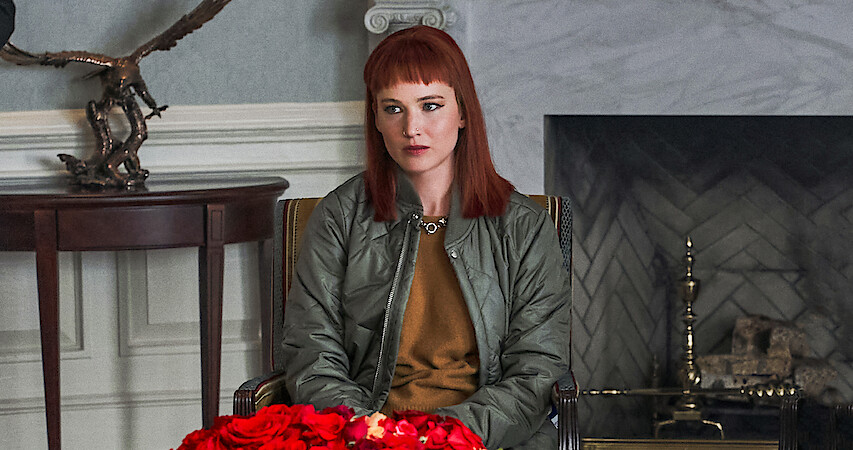
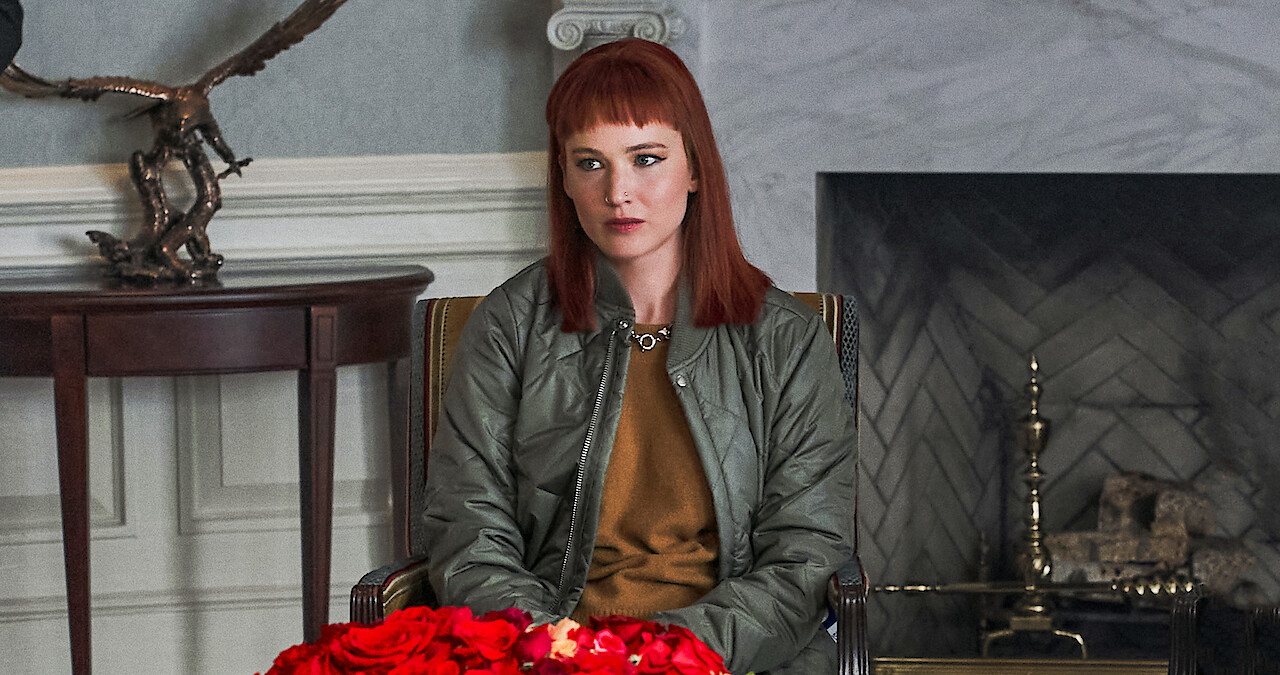
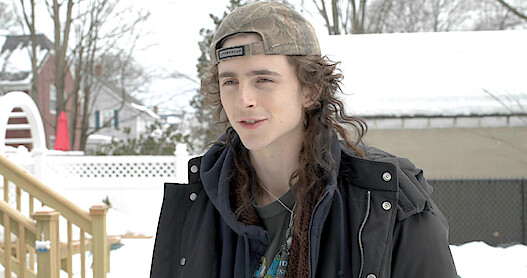
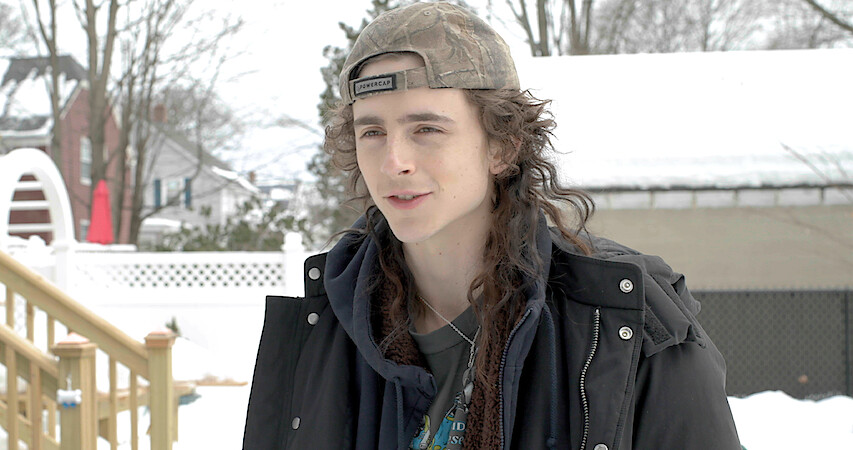
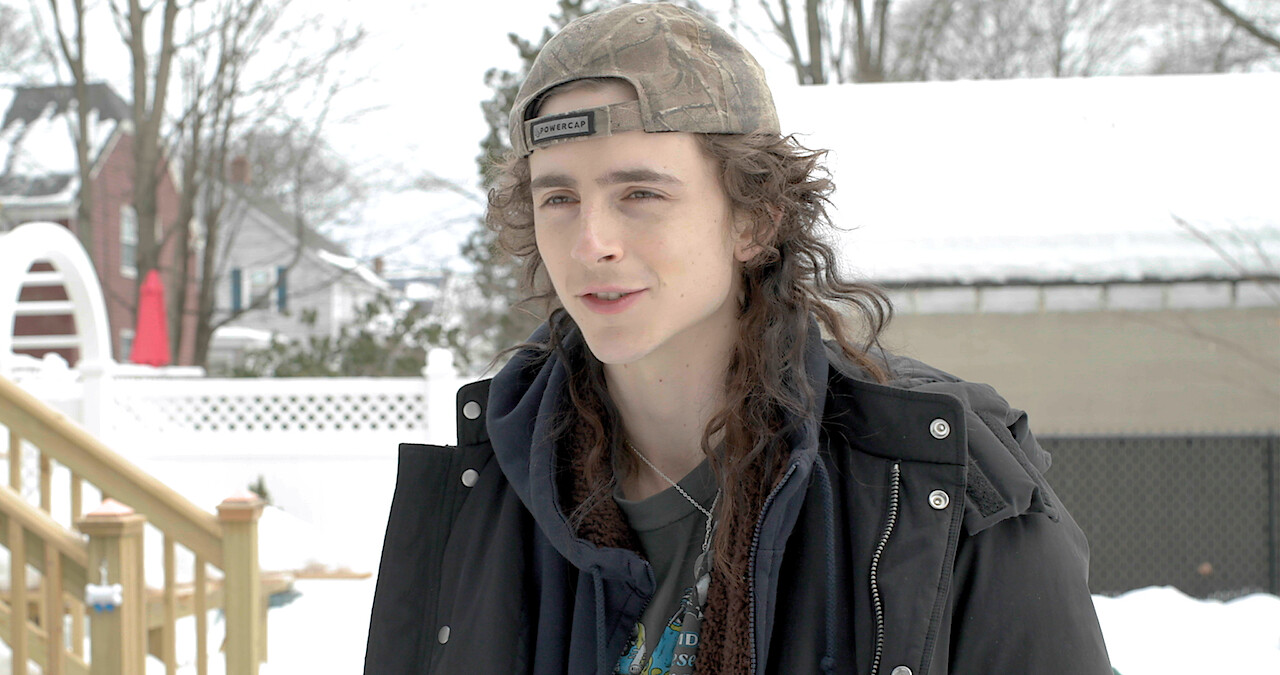
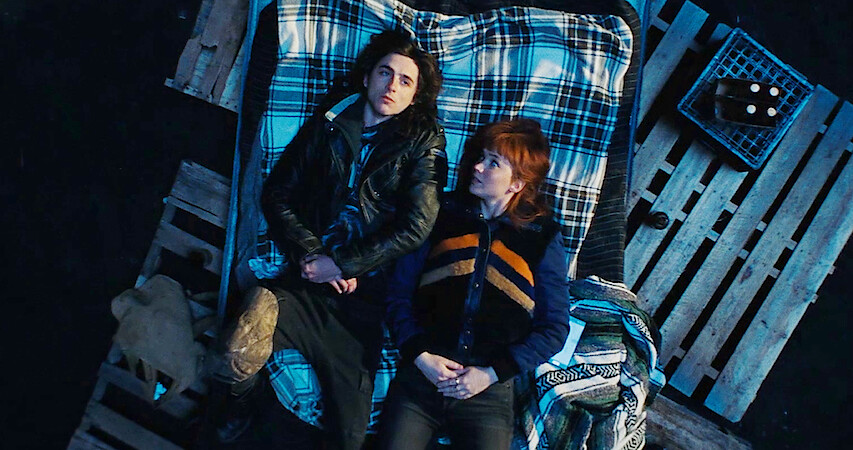
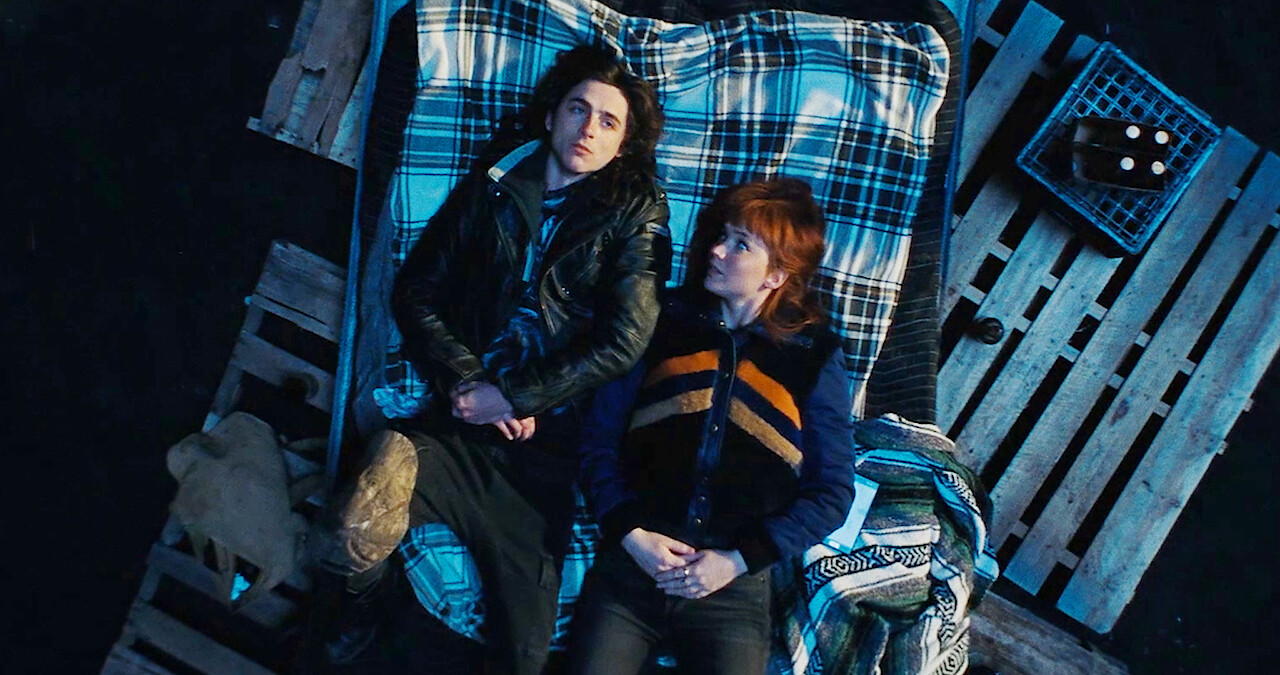
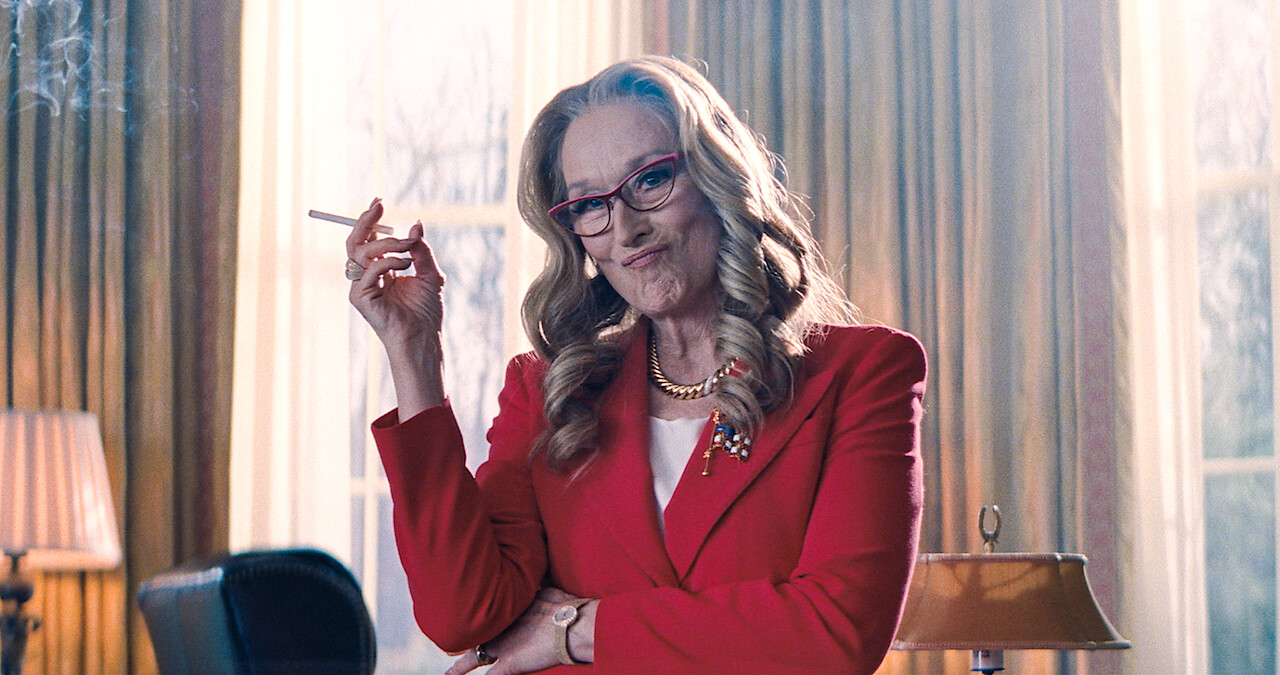
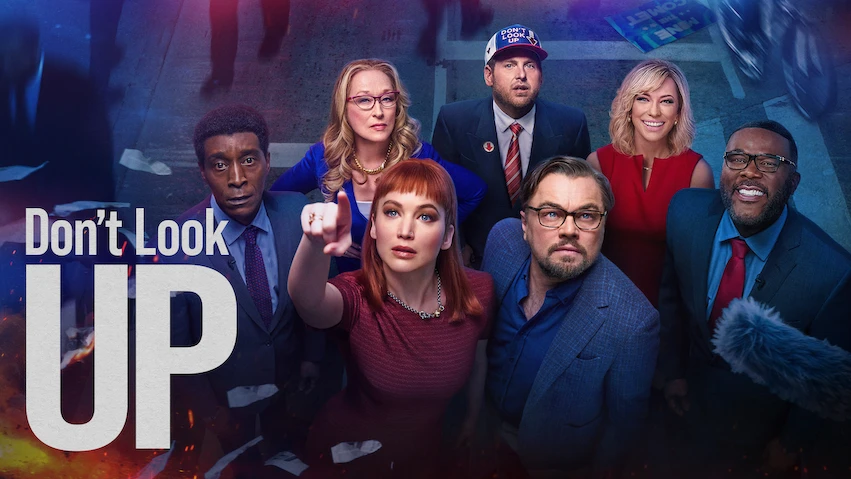
Don’t Look Up, the latest satire from director Adam McKay, ends on a somewhat shocking note. As scientists Randall Mindy (Leonardo DiCaprio) and Kate Dibiasky (Jennifer Lawrence) attempt to convince the world that a comet is about to end all life on Earth, they run into their fair share of colorful characters, from President Orlean (Meryl Streep) and her unctuous son Jason (Jonah Hill) to a religious skate punk (Timothée Chalamet). But even the parts of the film that feel larger than life won’t prepare you for its finale.
So, yes, what follows below are major spoilers for Don’t Look Up!
In a sharp right turn from most Hollywood endings, Don’t Look Up ends with the destruction of Earth. Only the planet’s ultrarich, headed by Peter Isherwell (Mark Rylance), manage to escape on a spaceship to find a habitable planet. (As it turns out, there is one man left on Earth: Jason. Having hidden away in a bunker, he miraculously survives the comet’s impact, though how long he’ll survive on a scorched Earth remains to be seen.) The mid-credits scene that follows, which reveals the ship’s landing, features that select group as they awaken to their new lives after years of cryosleep, as well as the president’s bloody fate at the hands of one of the new planet’s native animals. To help break it all down, we spoke to McKay himself.
On ending the movie by destroying Earth:
“We’ve seen so many thousands of movies that, guaranteed, are gonna end with a happy ending, or the world’s gonna be saved, whether it’s disaster movies or James Bond movies or Marvel movies. We know they’re going to end with a happy ending, for the most part. If you look at how we’re responding to the climate crisis, it’s just getting more and more urgent in a way [like] nothing I’ve ever seen or even heard about, and I do think, and I would include myself in this, too, we have been turned into audience members, and we do tend to watch. These narratives that always end in a happy way, maybe we all expect it to work out. I’ll just say for myself, maybe in some ways I take it for granted that it’s gonna work out, and I’ve forgotten that I actually have to be a part of doing the work. You actually have to do stuff to get a happy ending. I always wanted the movie to end like that, and to remind us that’s not guaranteed. I thought it’d have power just by breaking that Hollywood narrative rule.”
On adding mid- and post-credits scenes:
“I always ended with the new world. I did know, in the original script, that I would do some credits before I got to it. The Jonah one is actually something we thought of on set. That was not in the script. That came out of discussions with Scott Stuber from Netflix [and] with [producer] Kevin Messick. We were always trying to get the balance right, get the recipe right with that ending, between real sadness, real drama, and still laughs. Out of those discussions came this idea that, what if Jason Orlean, Jonah’s character, was the last man on Earth? That went from me writing up half a page to our production firing on all cylinders: Jeff Waxman, our [executive producer], and [co-producer] Jen Madeloff ordering fake debris from Los Angeles and having to ship it in, meeting with Raymond [Gieringer] and Dione [Wood] about the [visual effects], the green screen. It’s amazing when a film crew gets on something, how efficient and fast they can work at a high level of quality. That was a six-sentence conversation that turned into this giant, huge crane shot of Jason Orlean as the last person on Earth, so I hope some of the audience stays around for the end of the credits.”
On setting the mid-credits scene in the year 22740:
“Well, I know that if you’re going to travel to another solar system or another galaxy, it’s gonna take a long, long time, so actually, that number is probably a little low. I think it really might take, like, 180,000, 300,000 years, but I assumed they would have some next-gen tech, [that] there was something going on, whether they were using solar winds or slingshotting off giant stars to increase their velocity, but I wanted to show that it was a long, long time. To answer your question, that number is completely random, but is a long time. That’s how it came about.”
On the new world scene:
“I had a couple of different versions of the ending of that scene. One was that one of the ships that had crashed was holding all of the workers, so the billionaires are like, ‘Okay, someone build me a house!’ But it’s like, ‘Oh, all the workers died,’ so they have no one to do anything for them, so they start trying to bribe each other with $10,000,000,000, $20,000,000,000. It’s just meaningless. And you realize there’s no one to do anything for them, so they’re sort of useless. That was one version of the ending. But ultimately, that Bronteroc ending with the president was just so hilarious and funny, and you never go wrong with a bunch of space creatures eating a bunch of billionaires. It’s a solid way to end any movie.”
On how Meryl Streep’s death scene came to be:
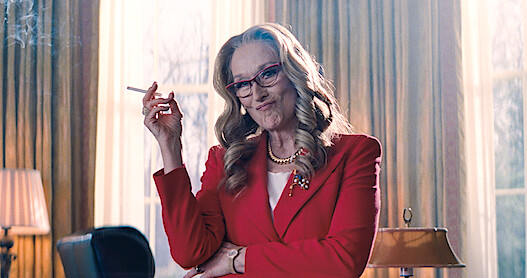
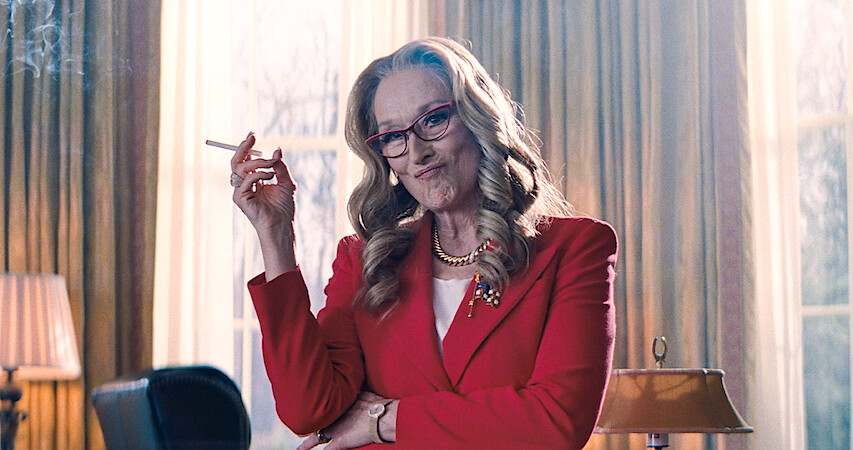
“It’s the first time I’ve ever been involved in an improvised bit that translated to special effects, CGI, creature-building. We were shooting the scene with them — Rylance, Meryl and Jonah — at the second launch in the movie, and Meryl just felt like her character would want to know how she was going to die, because Rylance had mentioned this algorithm that can determine with up to 60% accuracy how someone’s going to die, and she asked about it. We just started kicking around different answers, and one of the answers is, what if she’s going to be eaten by a creature, and we’ve never heard of the creature, and no one knows what it means? We did it, and then we were laughing, and I said, “You know what? I think we’ve gotta have her get eaten by the creature.” Mark and Meryl laughed, like, “Oh, that’s crazy, we’ll never do that.” Then the more I thought about it, I thought, “Oh, we’re doing this.” So I called Raymond and Dione, our [visual effects] supervisors, and I’m like, “Let’s do this.” When we shot that scene later in the schedule, we had Meryl play out being eaten by an unseen CG creature, and the crazy thing is, she’s such a great actress that the way she responds to the unseen creature ended up lining up perfectly when we put the CGI creature in. The people that created the creature couldn’t believe how spot-on her reaction was. That was a first for me, I’ve never seen improv translated to CG, fictional space creatures before. You see concept drawings, you give notes on the concept drawings, it’s a long process! Then they show you the motion without all the details, and you give notes on that. It takes three, four months to create something like that. From that little thrown-away improv line, it turned into a very long process.”
On creating a future dinosaur:
“It had to be something that, at first glance, would look pretty enough that you might want to pet it. It had to look interesting and colorful, and then it had to be able to turn ugly on a dime. Those were the two qualifications. But then also, we’re designing a fictional other planet, so it had to kind of fit with the ecosystem of the fictional planet; I’m telling you, it’s really elaborate, what [CGI artists] do. They really just did a phenomenal job. The motion on it is really funny and sudden and abrupt. If you see it in the wide shot, it’s continuing to eat her. It’s really preposterous.”