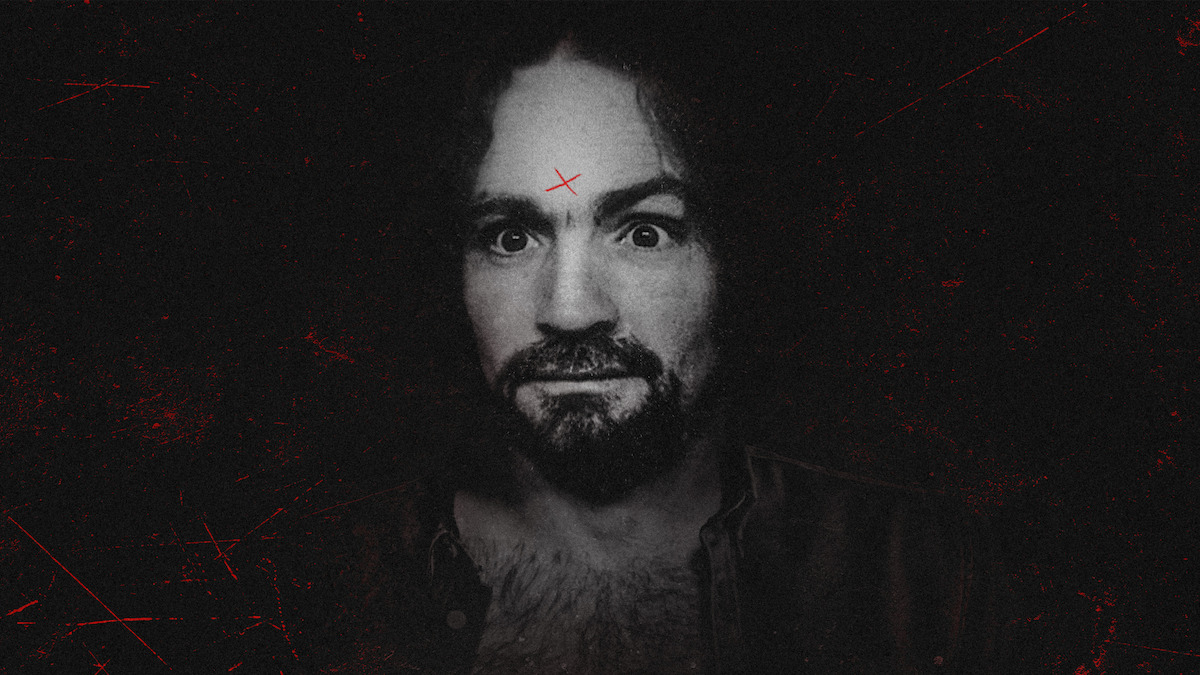
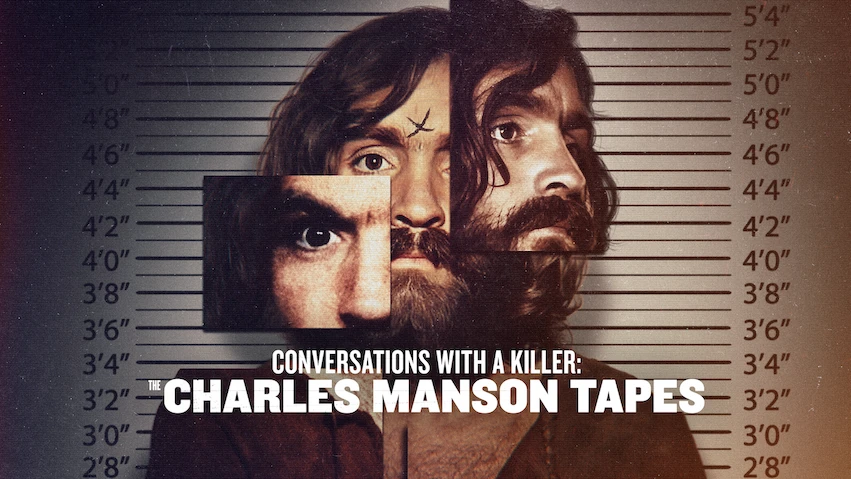
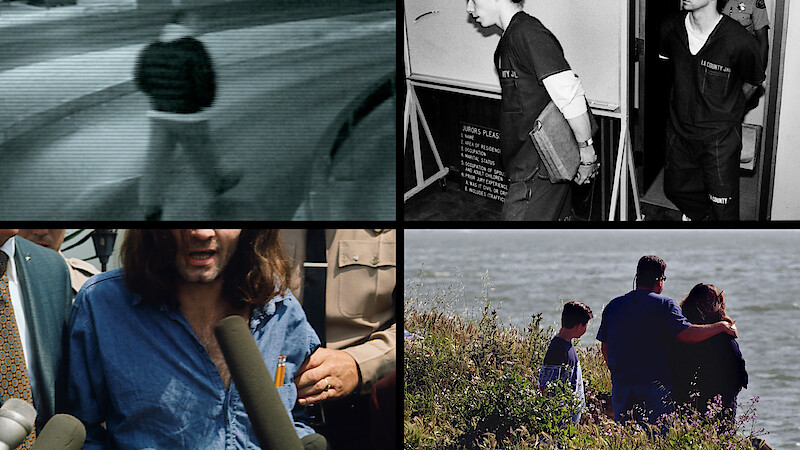
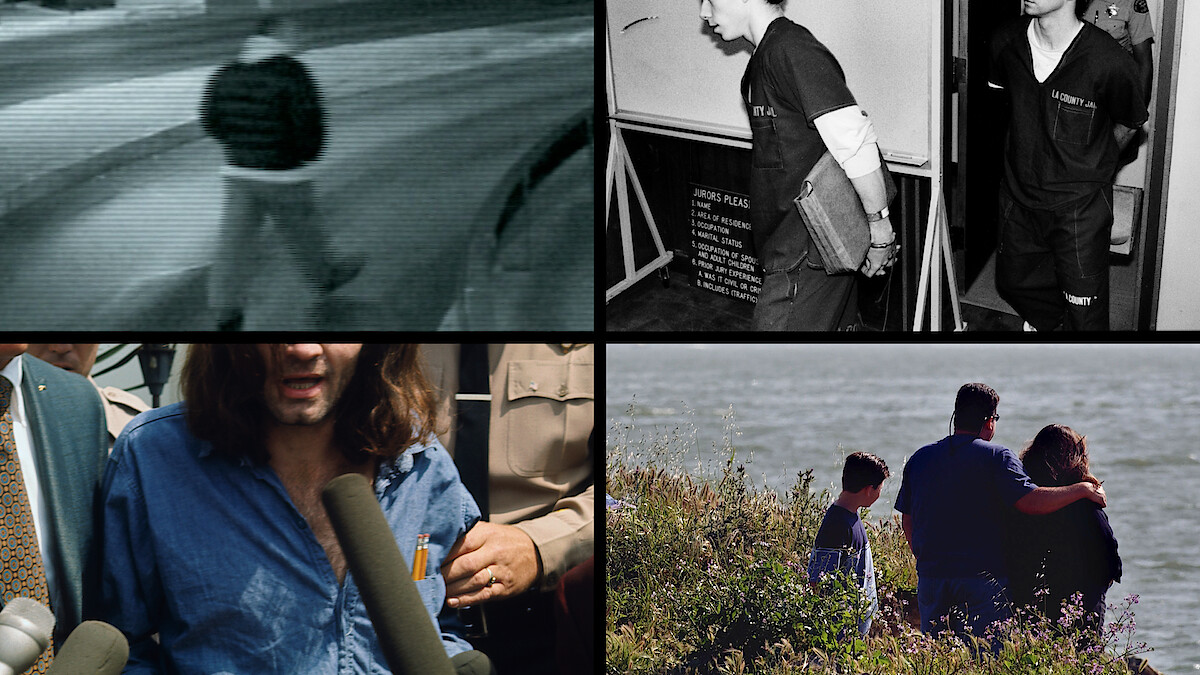
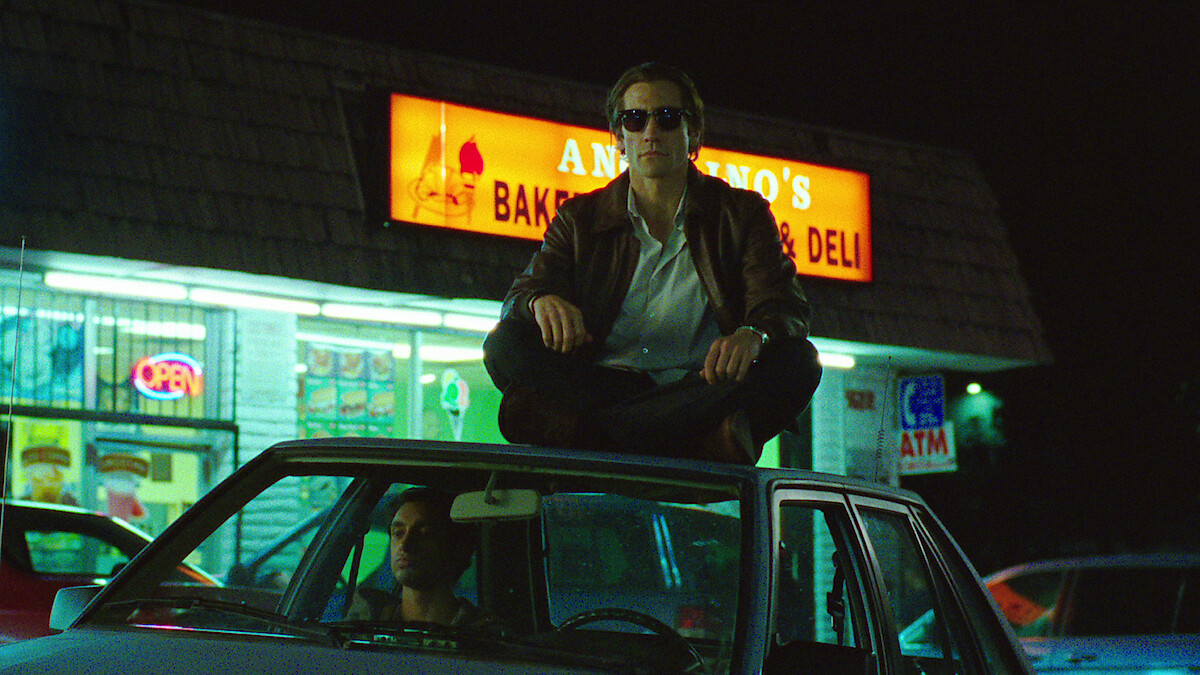
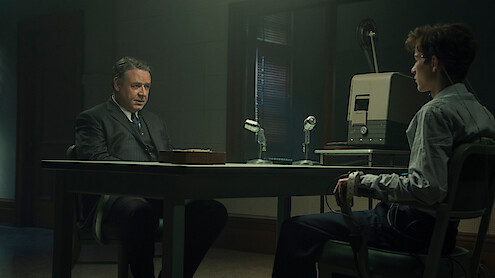
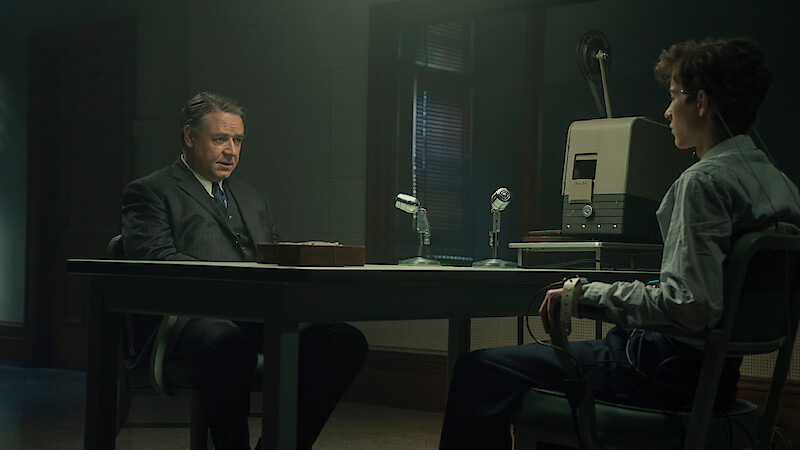
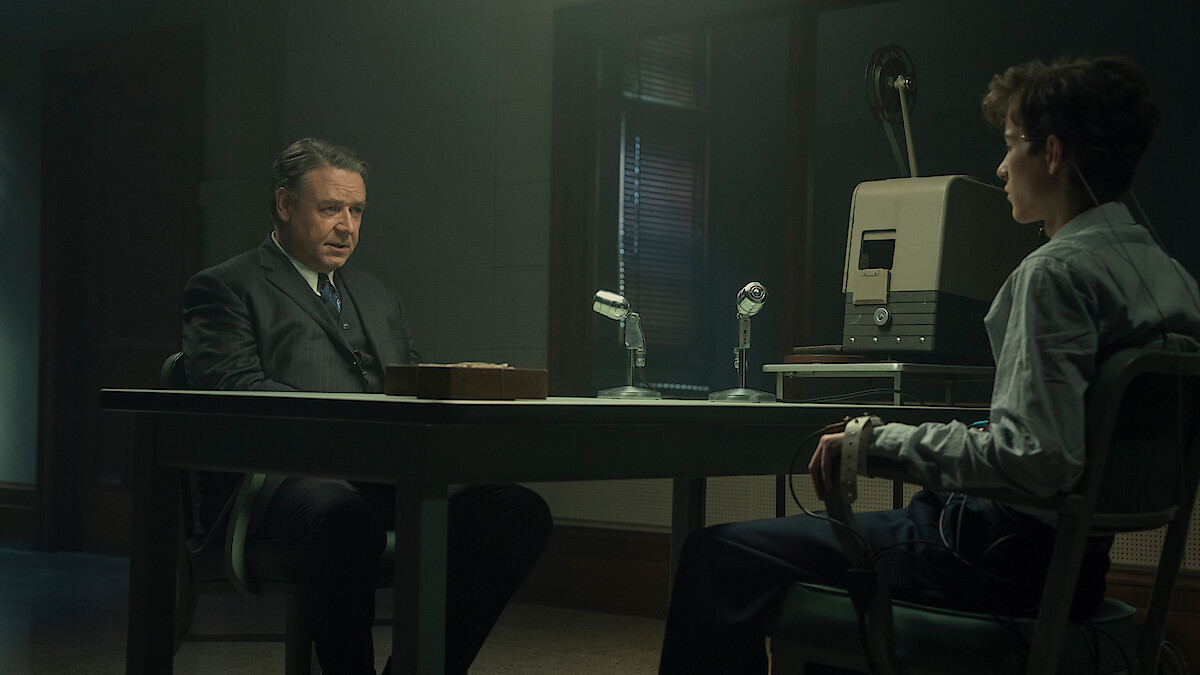
Over the last nine years of Charles Manson’s life, the infamous convicted killer and cult leader made 137 phone calls from prison to a retired detective — calls that had never been heard publicly, until now. The fifth and final chapter in the true-crime anthology Conversations with a Killer, The Charles Manson Tapes features Manson’s final recordings and documents his rise to notoriety.
“As we bring Conversations with a Killer to a close, I wanted our final season to focus on the figure who, more than anyone else, ushered in the modern era of America’s fascination with true crime,” director and executive producer Joe Berlinger tells Netflix.
Where can I watch Conversations with a Killer: The Charles Manson Tapes?
Stream all three episodes on Netflix now.
What happens in Conversations with a Killer: The Charles Manson Tapes?
Via recordings of his phone calls and interviews with those who lived through the era, the docuseries traces Manson’s rise as a cult leader, the 1969 murders committed by members of the Manson Family, and the media frenzy that surrounded his trial. The series also includes archival voice recordings of his followers Charles “Tex” Watson, Susan Atkins, and Leslie Van Houten, all of whom were prosecuted for their roles in the killings.
“Rather than adding to the mythology surrounding Manson, our goal was to examine the systems of manipulation and control he created, while centering the voices of those who lived through it and continue to grapple with its aftermath,” Berlinger says. “Their firsthand accounts — along with remarkable archival material, including never-before-heard prison phone recordings of Manson himself — offer a fresh perspective on one of the defining criminal cases of the twentieth century.”
Who’s interviewed in Conversations with a Killer: The Charles Manson Tapes?
- Dianne Lake, Catherine Share, and Stephanie Schram, former Manson Family members
- Jeff Guinn, author, Manson: The Life and Times of Charles Manson
- Robert Burbridge, retired LAPD officer
- Phil Kaufman, who served prison time alongside Manson
- Jerry De Rosa, retired Los Angeles PD officer
- Traci Parker, professor, University of California-Davis
- Dr. David Smith, founder, Haight Ashbury Free Clinic
- James Buddy Day, filmmaker and author of Hippie Cult Leader
- Gregg Jakobson, music producer
- Stephen Kay, retired LA County prosecutor
- Glen Giardinelli, friend of Gary Hinman
- Steve Oney, journalist
- Sandi Gibbons, journalist
- Linda Deutsch, journalist
- Ivor Davis, journalist
- Al Wiman, TV reporter
What’s the true story behind Conversations with a Killer: The Charles Manson Tapes?
At the height of the late-1960s counterculture movement, Manson — who spent much of his early life in reform schools and in prison for petty crimes — drew young, disillusioned followers with promises of love and freedom from society’s rules. Once inside his orbit, former Family members say Manson began using psychological control and manipulation on them, coercing them into theft, breaking and entering, assault and — ultimately — murder.
In 1969, Manson directed his followers to carry out a string of murders. On Aug. 8 of that year, his followers broke into the home of pregnant actress Sharon Tate and her husband, director Roman Polanski, in LA’s Benedict Canyon. Manson family members Watson, Atkins, and Patricia Krenwinkel killed Tate and those who were staying in the home: Abigail Folger, Wojciech Frykowski, Jay Sebring, and Steven Parent. Polanski was working abroad in London at the time. The following night, on Aug. 9, Manson’s followers murdered two others, married couple Leno and Rosemary LaBianca, in their home in LA’s Los Feliz neighborhood. Manson allegedly believed the crimes, which became known as the Tate-LaBianca murders, would spark a race war he called “Helter Skelter,” a phrase borrowed from a Beatles song.
While he didn’t commit the murders himself, prosecutors convinced a jury that Manson was the mastermind behind them. After a trial that became a worldwide media spectacle, Manson was convicted in 1971 along with Atkins, Krenwinkel, and Van Houten, who participated in the LaBianca murders. Watson was convicted the same year in a separate trial. All five were sentenced to death, though their sentences were commuted to life in prison a year later when California temporarily abolished the death penalty. Van Houten was paroled in 2023 and Atkins died in prison in 2009. Watson, now 80, and Krenwinkel, now 78, remain incarcerated.
“[Manson’s] crimes fundamentally changed the way the media covered violence and the way the public consumed it,” Berlinger says.
Is Charles Manson still alive?
No. Manson died at age 83 in November 2017 while serving his prison sentence for the Tate-LaBianca murders. He died of cardiac arrest linked to colon cancer, after spending nearly five decades behind bars. Manson was denied parole 12 times in total.