In a world where so much entertainment is afraid to take risks, Love, Death + Robots is the iconoclastic brainchild of one man’s enigmatic yet expansive tastes. While a dedicated team of artists craft the (mostly) animated shorts comprising the 35 episodes of LDR, the basis for almost all of them are short stories that Tim Miller loves. Miller, the series co-creator and executive producer keeps a catalog of material on his computer, ready for the right moment to pair a story with a visionary team and unleash the results on unsuspecting audiences.
Now that we’ve arrived at Volume 4, the audience may suspect that they’re going to get something unexpected, yet the show still surprises. From hard-edged, serious sci-fi to explosively violent, unapologetically puerile action, the show contains multitudes.
Among the most ardent fans of LDR are the episode directors themselves, who have trouble picking their favorites among the first three volumes.
“I love seeing people’s LDR tier lists,” says Emily Dean, director of two episodes — the Volume 3 award winner “The Very Pulse of the Machine” and the fourth’s devilish cat caper “For He Can Creep.” She has been “very inspired” by a number of installments including “Zima Blue,” “Bad Travelling,” “Pop Squad,” “The Drowned Giant,” and “Jibaro.”
Three of these are on the list below, although LDR is the kind of show where your favorites may change according to the day of the week or the mood you’re in. Director and animator Diego Porral had a hand in two of the episodes below and sees the diversity of voices and styles as a major strength. “The fun thing is that whoever I talk to, in or out of the animation industry, everyone has their favorite, and I think that’s what makes LDR so special,” says Porral, helmer of this volume’s action-packed “How Zeke Got Religion” and lead animator on the Volume 3 classic “Kill Team Kill.”
Miller dreamed for decades of an animated anthology exploring stories that had stuck in his subconscious. And now he — along with fellow executive producers David Fincher and Josh Donen and supervising director Jennifer Yuh Nelson — relishes seeing disparate filmmakers and animation studios come together to generate these distinct shorts. “Netflix, just like the internet, allows all these strange people, that would never find each other ordinarily, to connect,” says Miller. “Sometimes for good, sometimes for evil, but certainly in the case of Love, Death + Robots, I feel it’s a force for good.”
Below you can find 13 episodes to match your highly specific tastes, whether you’re in the mood for cats, carnage, concerts, or comfort.
If you’re in the mood for over-the-top, stylized violence
Volume 3, Episode 5: “Kill Team Kill”
To be fair, there are quite a few LDR outings that could fit this criterion, but this is the most gleefully brutal and bloody of them all, as if director Jennifer Yuh Nelson is letting every extreme impulse out, combining it with the gift for staging action and comedy she showcased in features Kung Fu Panda 2 & 3. A US Special Forces Team takes on a cybernetic bear. Imagine Predator via Monty Python and you’re only halfway there.
If you’re in the mood for a marine monster mashup
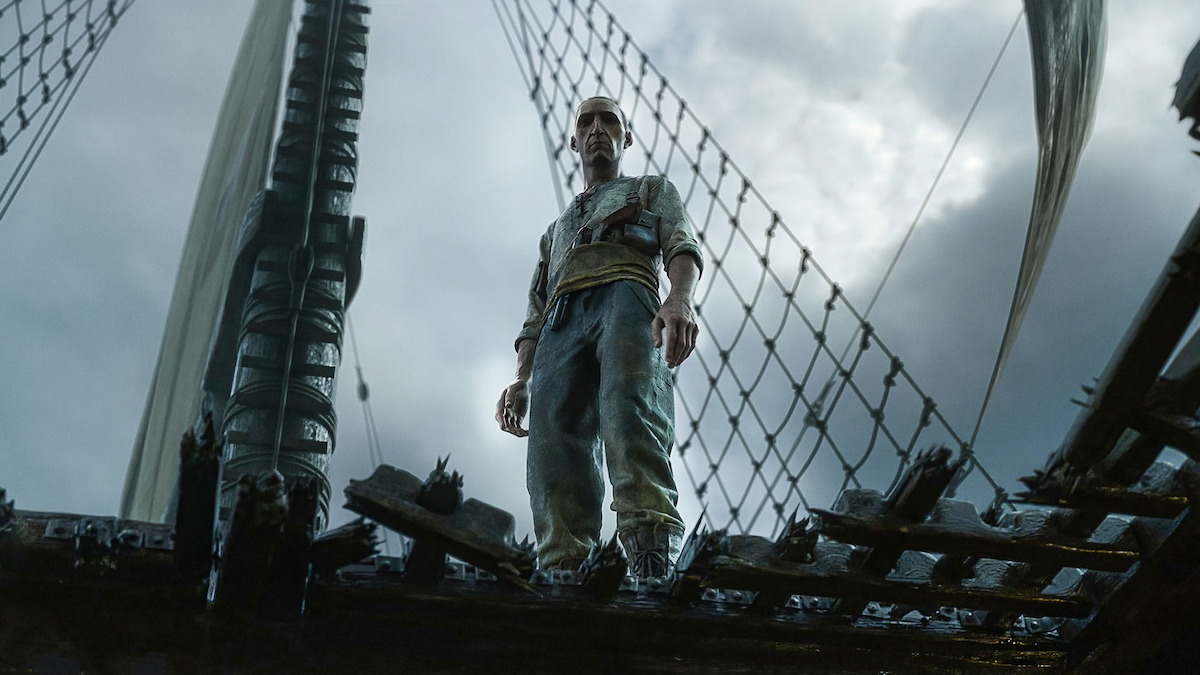
Volume 3, Episode 2: “Bad Travelling”
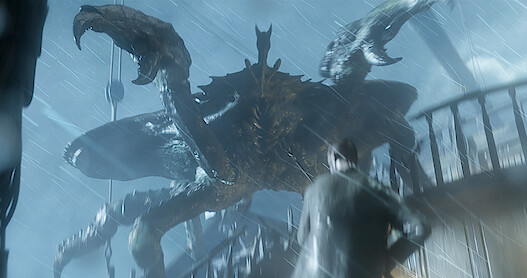
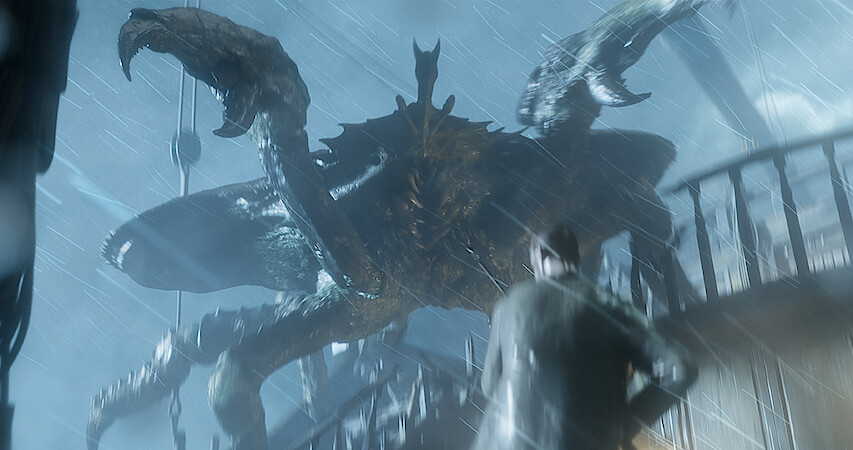
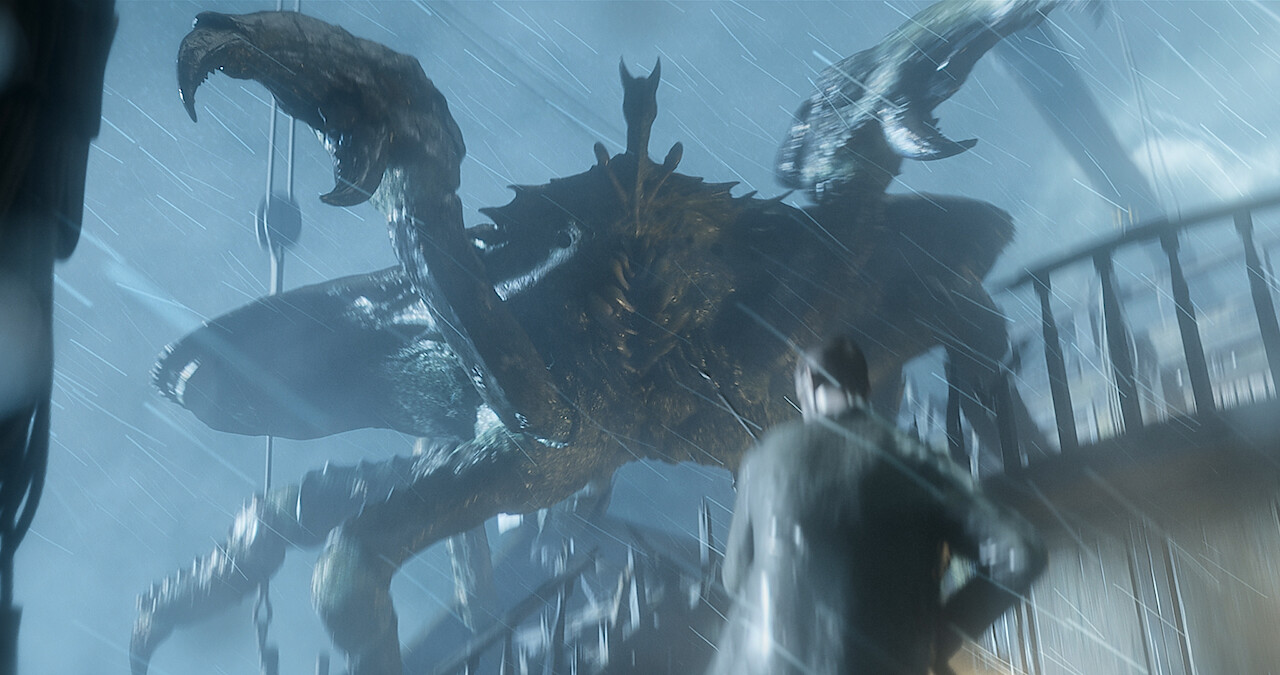
Mordant, macabre and curiously moral, it makes sense that this sea-set story of savagery and survival is from the duo who gave us Se7en. In his first animated outing, David Fincher directs an Andrew Kevin Walker script, adapted from the short story by English sci-fi writer Neal Asher. The pristine CG animation, informed by motion-captured performances, allows for a visual agility that would be impossible to achieve on the real high seas. A crew of cutthroat sailors face the threat of a Thanapod — a giant, intelligent crab — with a taste for human flesh. Love, Death + Robots is a great opportunity for world-building and here is a world you really want to dive into (or maybe not).
If you’re in the mood for an irreverent buddy comedy
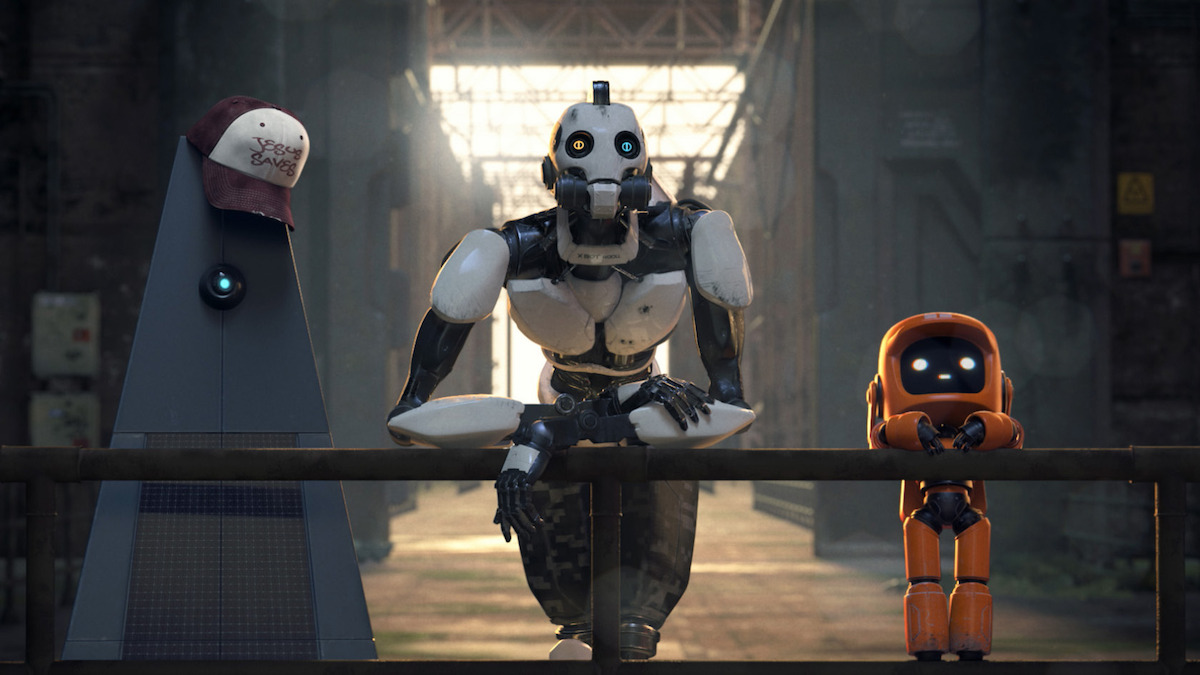
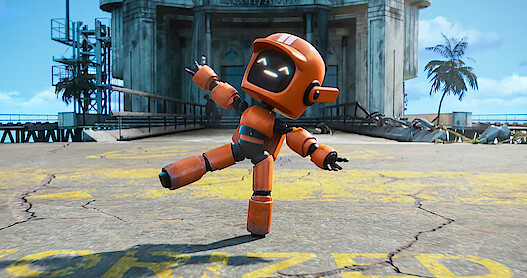
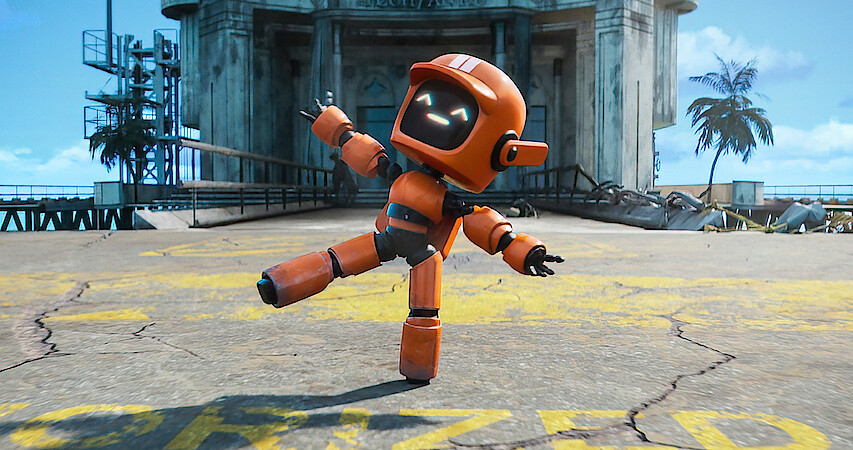
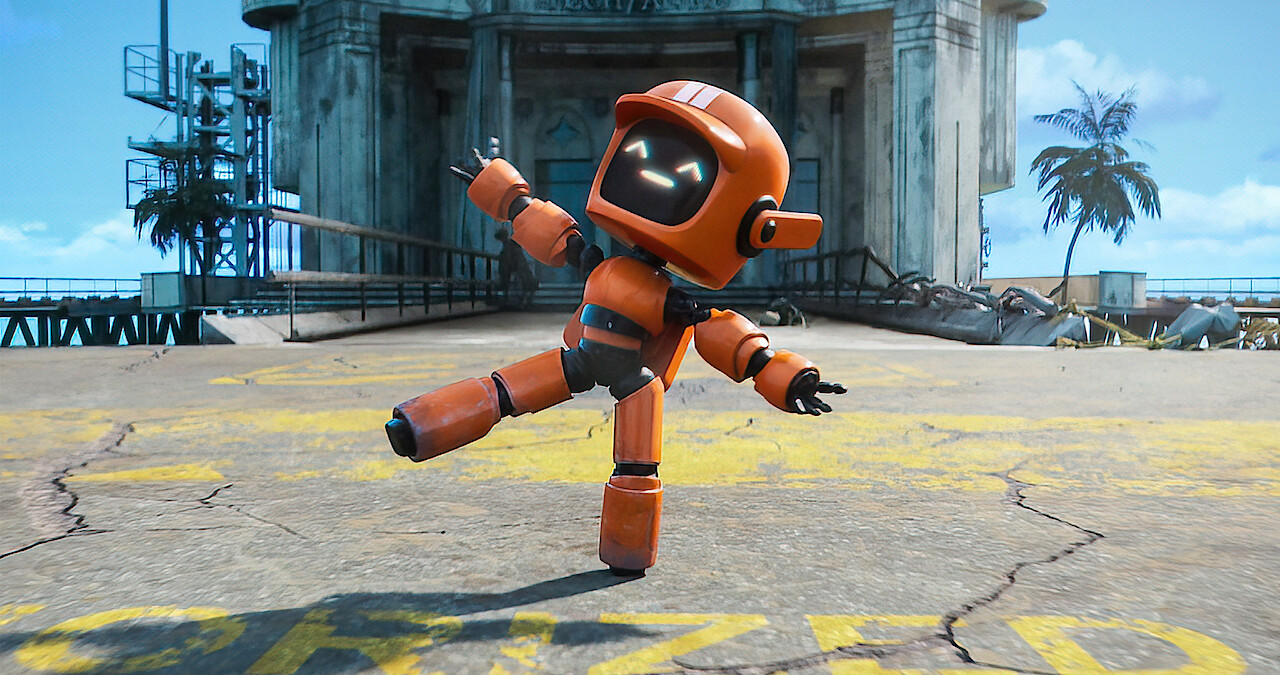
Volume 1, Episode 1: “Three Robots”
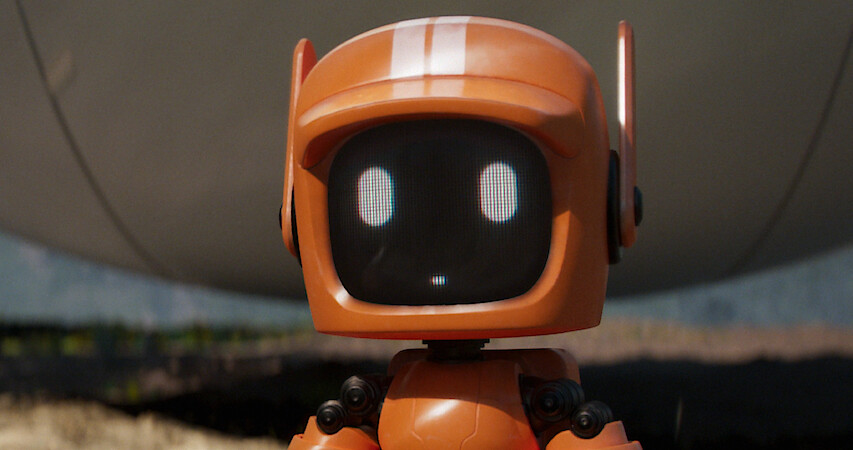
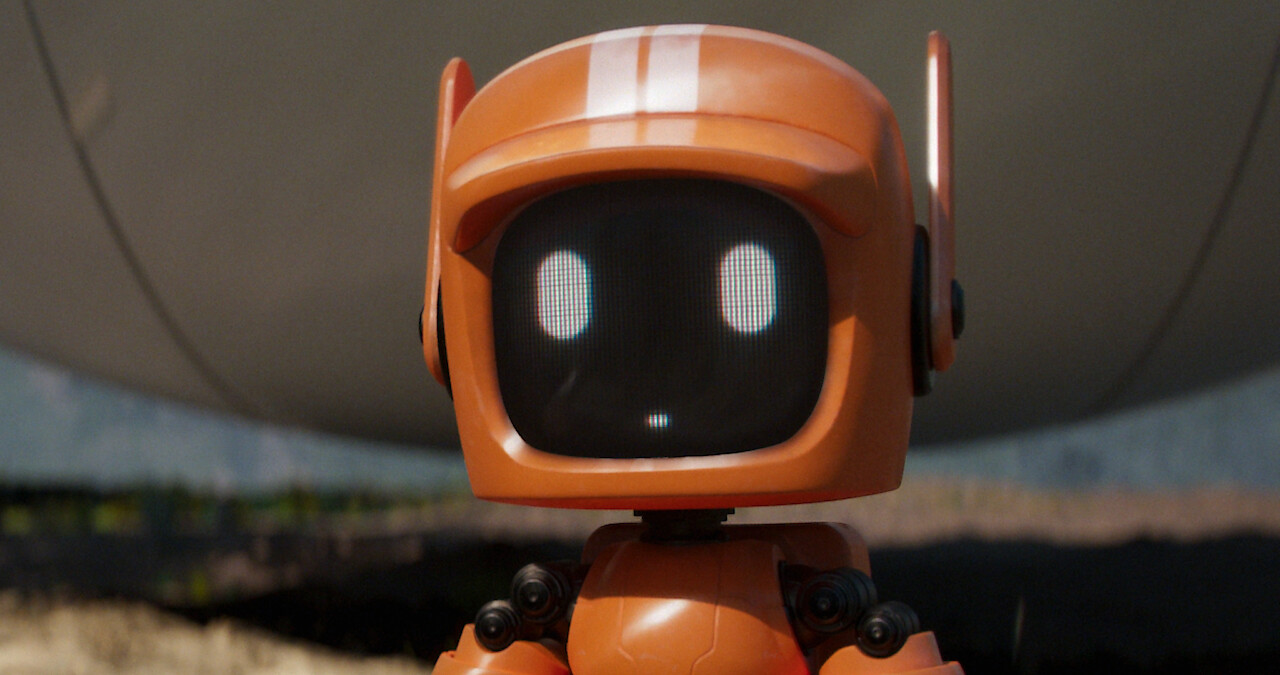
This early episode is a bit of a tone-setter for the series overall. It opens by panning past a stuffed teddy bear on a wrecked car to reveal a human skull that is crushed under a mechanical foot — a homage to the apocalyptic opening of Terminator 2: Judgment Day. The militaristic android owner of said foot then exclaims: “Uh, we are fucking lost, aren’t we?” It turns out that he — essentially a hyper-evolved Xbox — and his two robot-buddies are sightseeing in a destroyed city. Adapted from a story by acclaimed novelist John Scalzi, “Three Robots” plays a little as if James Cameron adapted The Hitchhiker’s Guide to the Galaxy. The trio’s story continues in the later episode “Three Robots: Exit Strategies.”
If you’re in the mood for anything with a cat
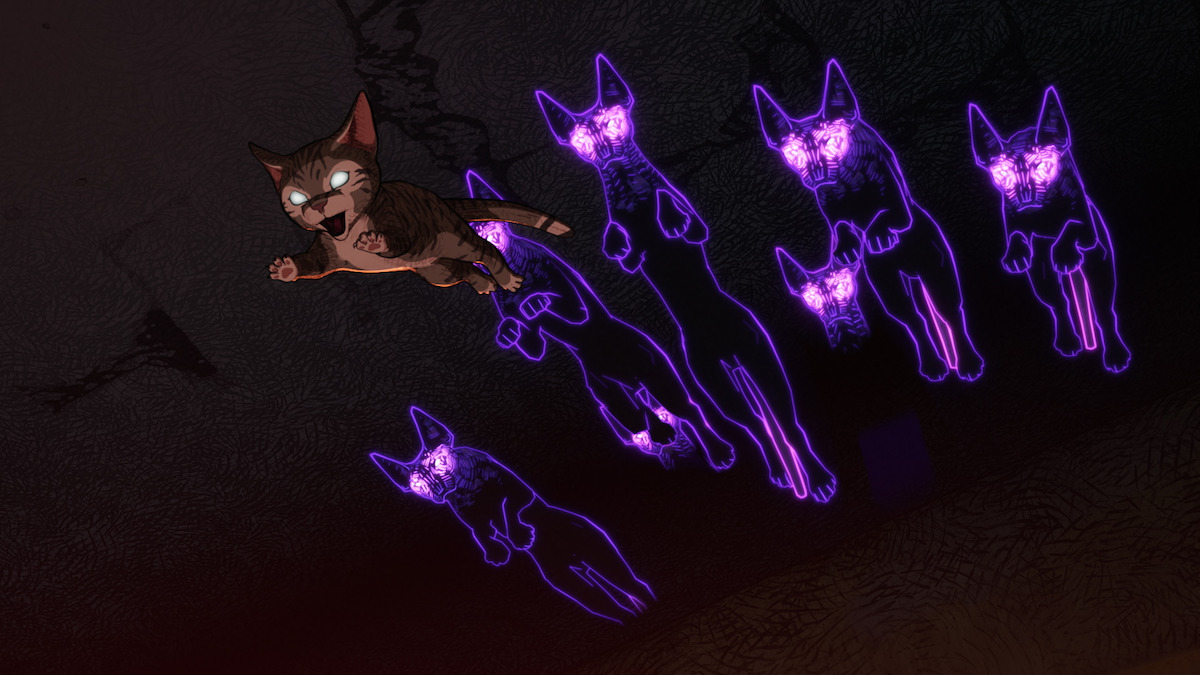
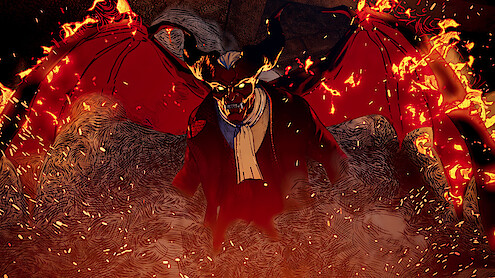
Volume 4, Episode 10: “For He Can Creep”
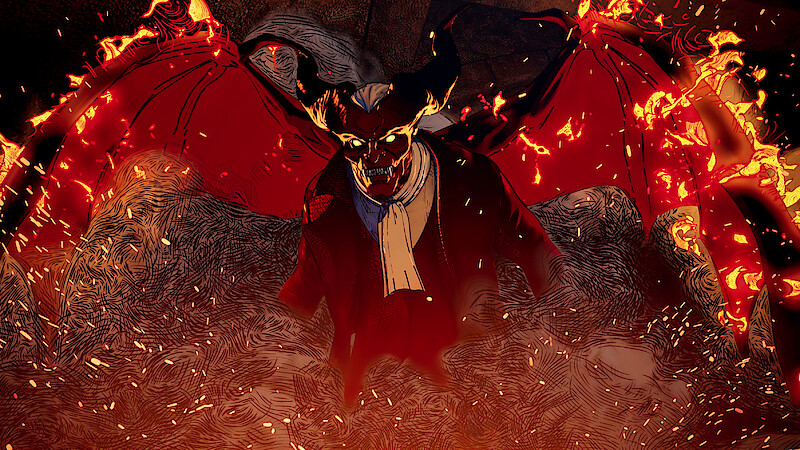
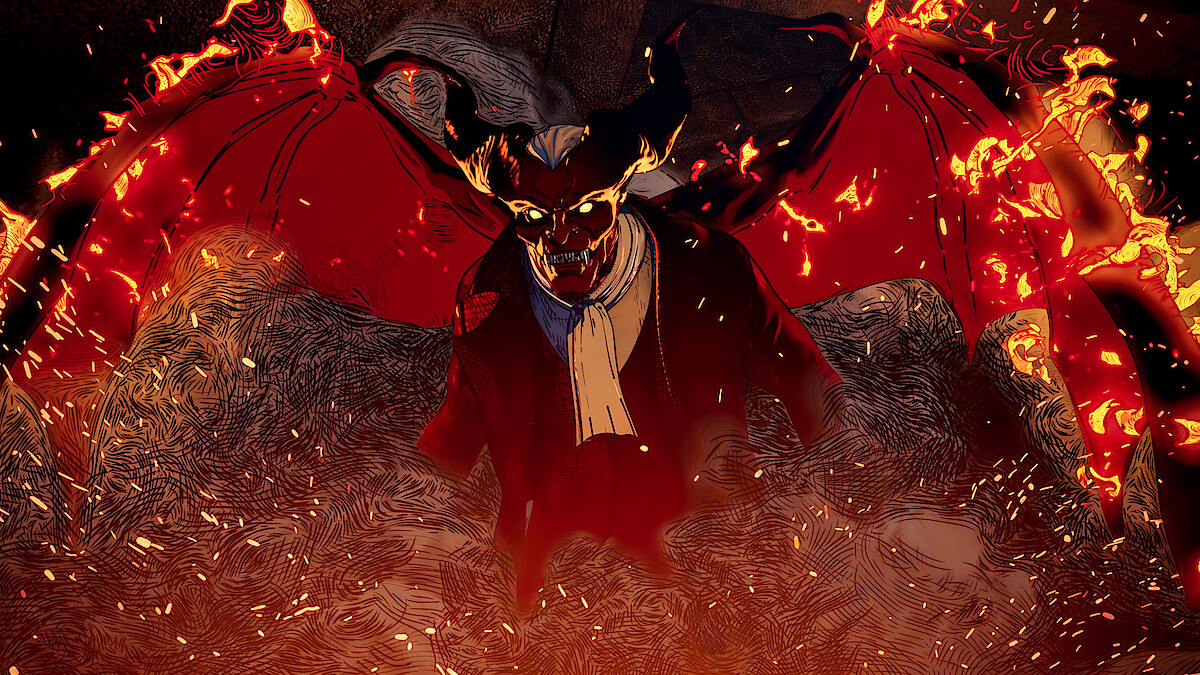
If there’s one element you can reliably predict in each volume of LDR — other than love, death or, yes, robots — it’s cats. Like many cats, they’re usually sinister or indifferent, but here, thoughtful feline Jeoffry is trying to save his master, 18th-century poet Christopher Smart, from being used by Satan (voiced by a seductive Dan Stevens) to bring about the end of the world. It’s drawn in a graphic hatching style which was inspired by the look of 18th-century etching, but executed digitally, lending a fluidity and authenticity to this beguiling fairy tale. The episode is directed by Emily Dean, back for her second episode after the acclaimed “The Very Pulse of the Machine.”
If you’re in the mood for something strange and moving
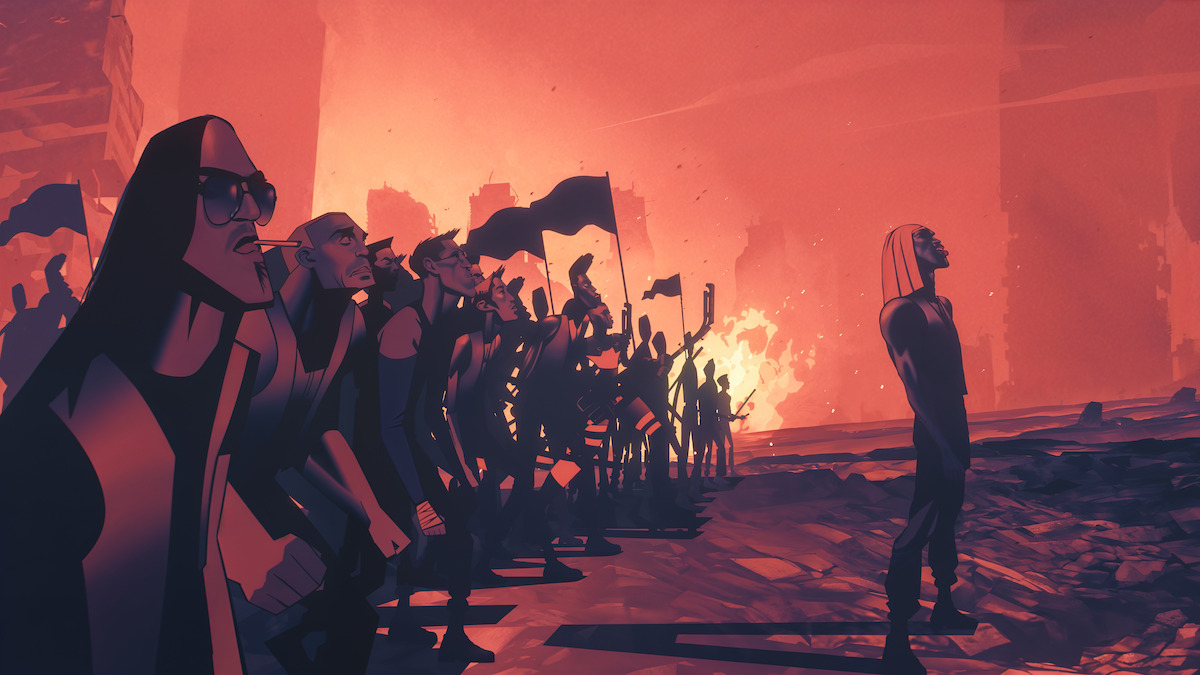
Volume 4, Episode 4: “400 Boys”
Director Robert Valley doesn’t want to reveal too much about this episode before it’s seen by the audience, so we’ll keep details here scant. But this is a deeply odd, curiously moving story of gang warfare and community in what could appear to be an otherwise hopeless future. Its cel-shaded, 2D animation is also startlingly beautiful. It’s adapted from a story by Marc Laidlaw, which Tim Miller read during the 1980s, in an anthology edited by Bruce Sterling — whose own original work has become an LDR staple in “Swarm” and our next suggestion, “Spider Rose.”
If you’re in the mood for hard sci-fi
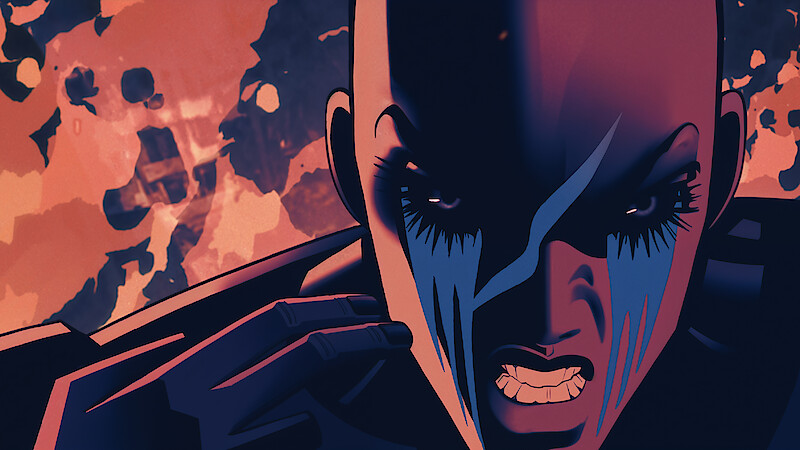
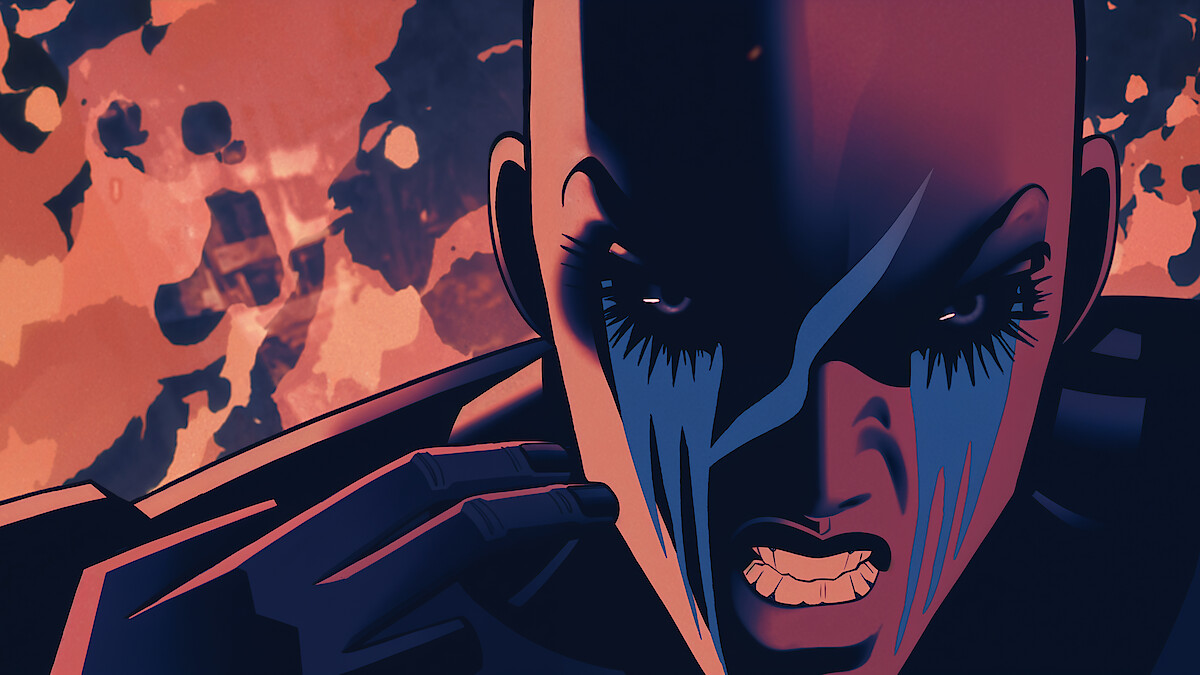
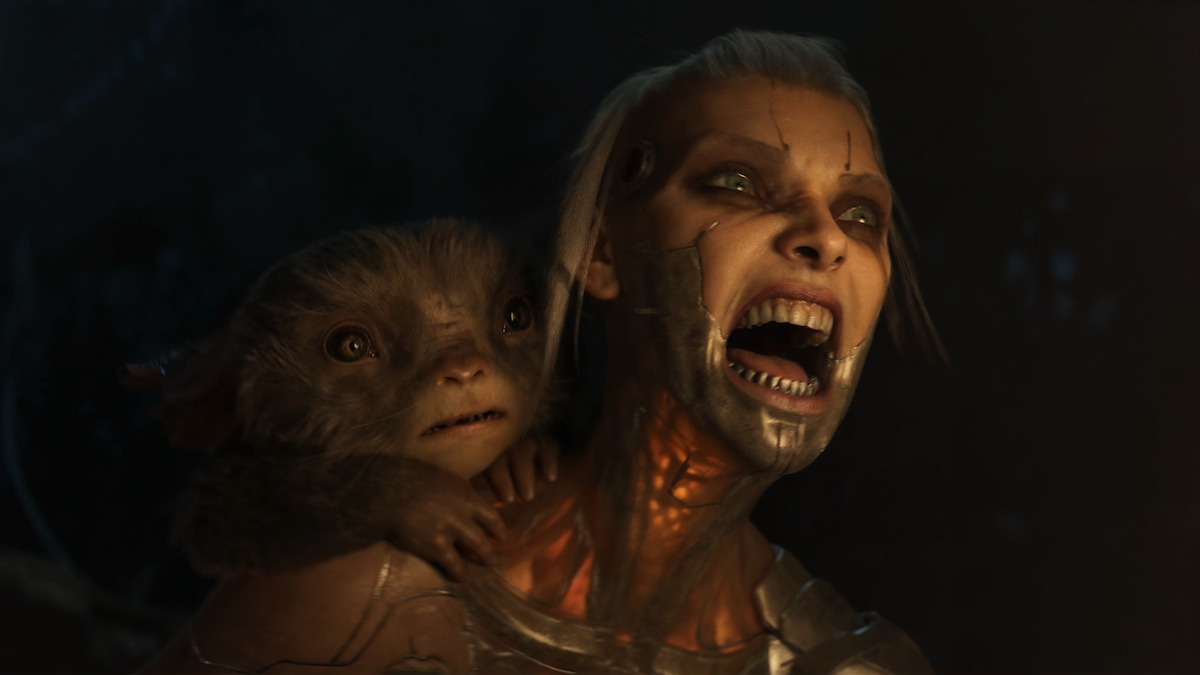
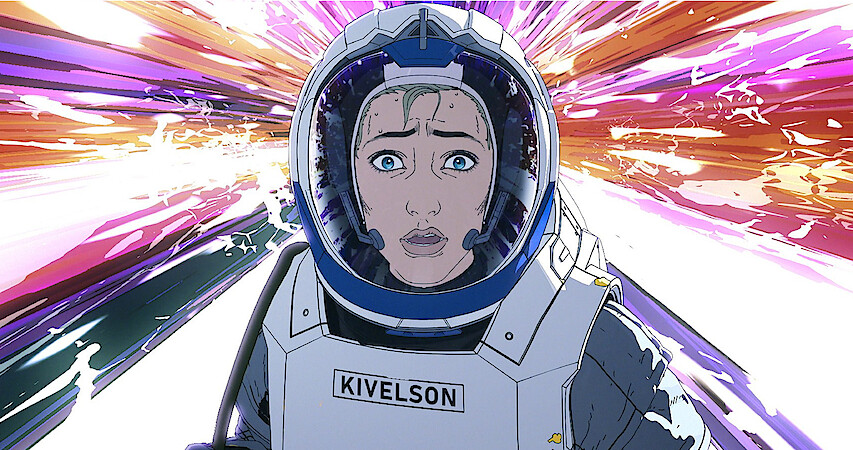
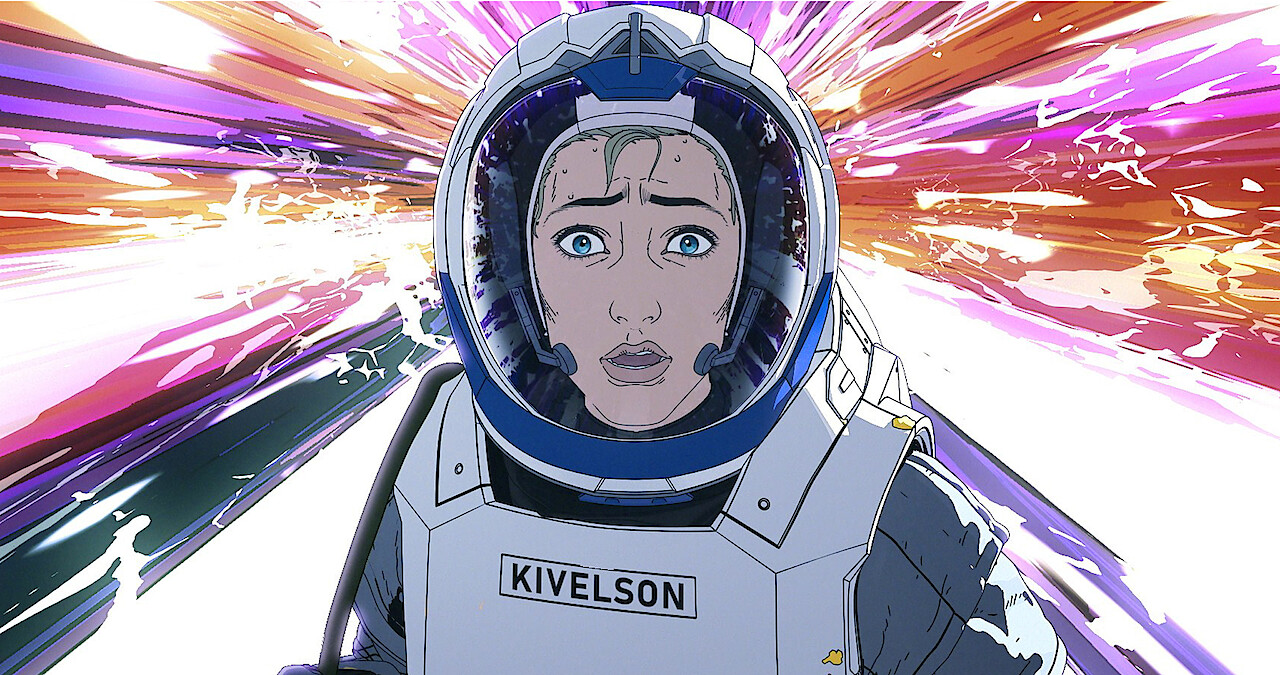
Volume 4, Episode 3: “Spider Rose”
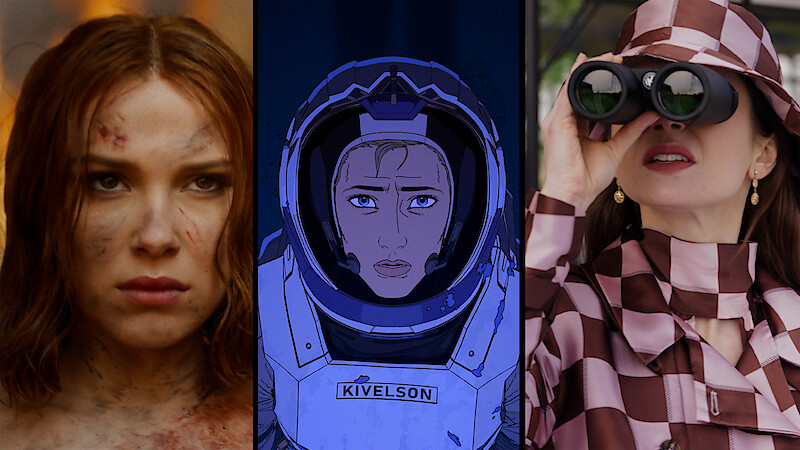
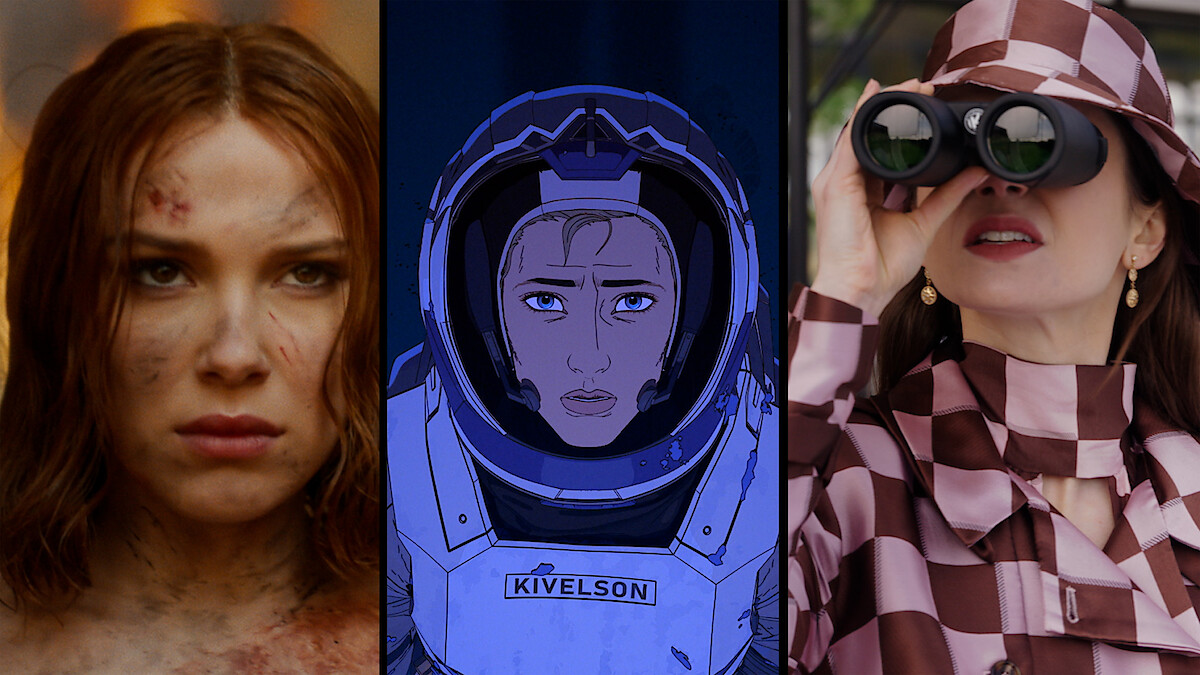
How do you find companionship and comfort in a cold, pitiless universe? Well, everyone likes a pet. Perhaps it’s this familiar notion that makes this episode relatable, despite being set in a burnished, austere space station where our angry, mech-enhanced hero is grieving the death of her lover and desperate for revenge. Bruce Sterling further explored this story in his novel Schismatrix, and it carries the weight of that thoughtful, lived-in universe. Animation allows for a depth of feeling — and acceptance of darkness — that live-action sci-fi often can’t quite match.
If you’re in the mood for terrifyingly plausible visions of dystopia
Volume 2, Episode 3: “Pop Squad”
“Pop Squad” is set in a world where resources are hoarded by the rich, who oppress the masses to increase their own wealth and health with no regard for the lives of the majority. It’s the story of a man who decides, in his way, to stand up. A detective in the titular outfit, he’s tasked with hunting and killing children who have been born without the requisite legal permission. Faced with another mission — another child, another assignment of sanctioned slaughter — he has to make a decision, one that may require sacrifice. The hyperbolized but very real moral choice, set in a plausible world, is haunting.
If you’re in the mood for a zombie flick
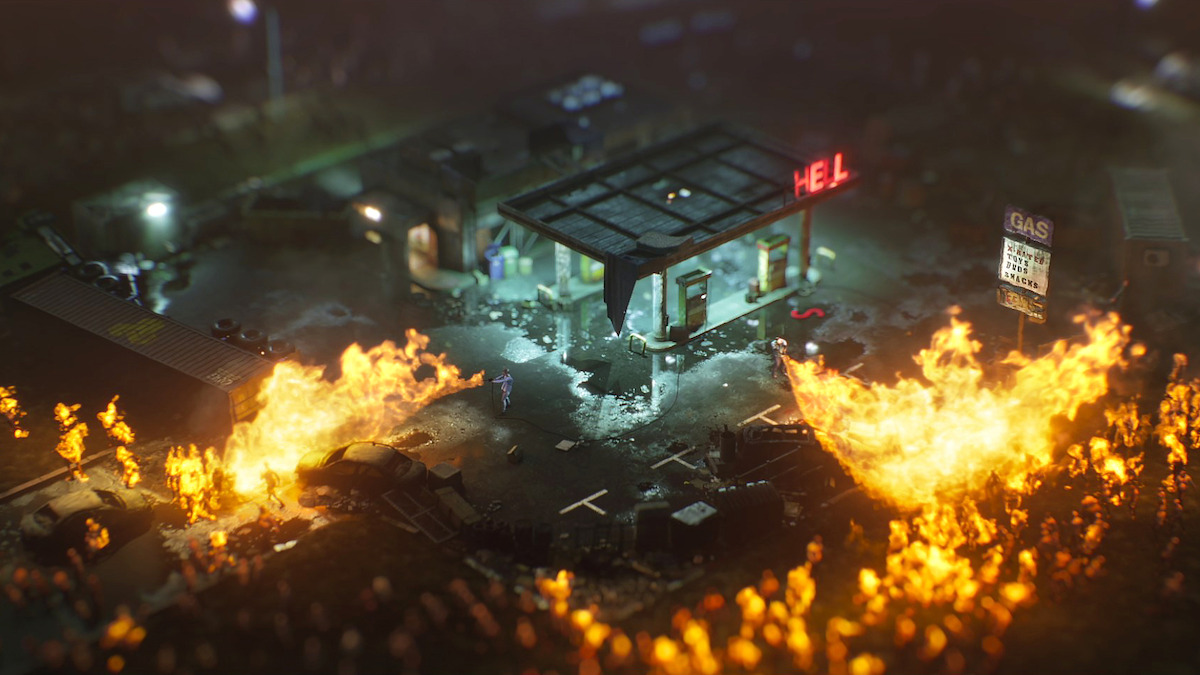
Volume 3, Episode 4: “Night of the Mini Dead”
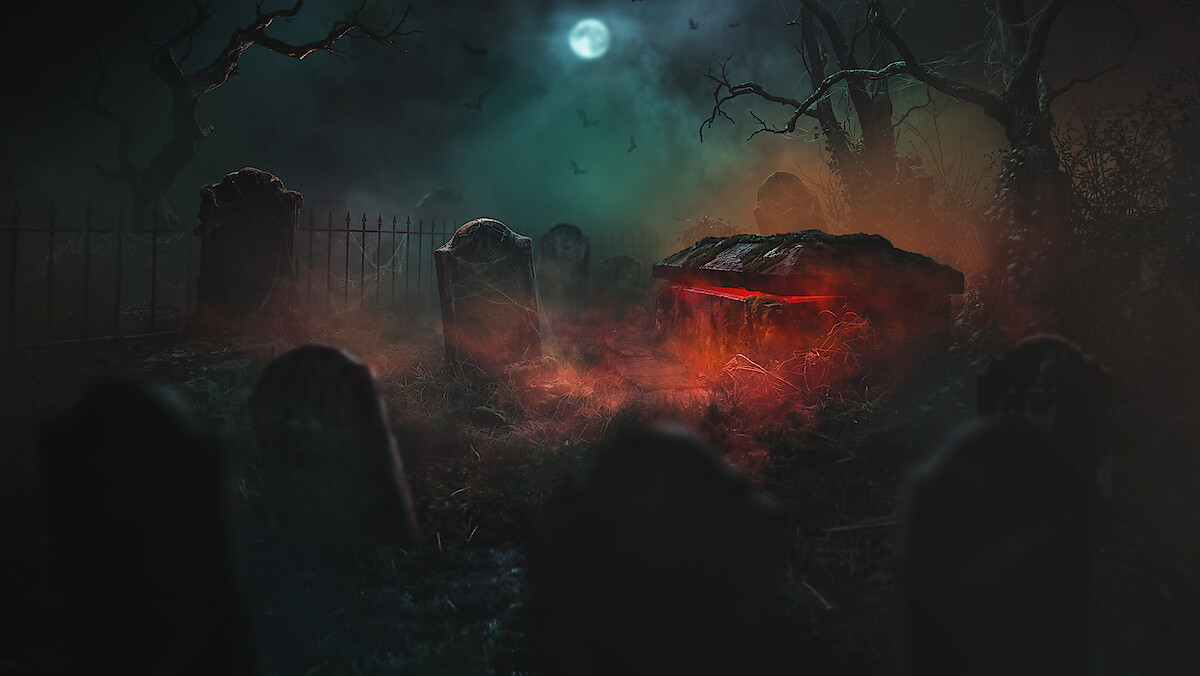
It’s hard to pinpoint exactly why watching the walking dead take over the world is so compelling — in miniature. Yet as scenes of zombie terror play out, triggered by cemetery sex and escalating to global apocalypse, you can’t pull your eyes away. A combination of real-world photography and CG, unified by a tilt-shift effect that makes everything appear tiny, makes Armageddon amusing. The attention to detail is part of the beauty, down to signage outside a hospital that declares: “Heroes Work Here.” Not for much longer, they don’t. If miniature mayhem is your thing, then you may also enjoy the sci-fi homage of the Volume 4 follow-up, “Close Encounters of the Mini Kind”.
If you like high-energy concert films
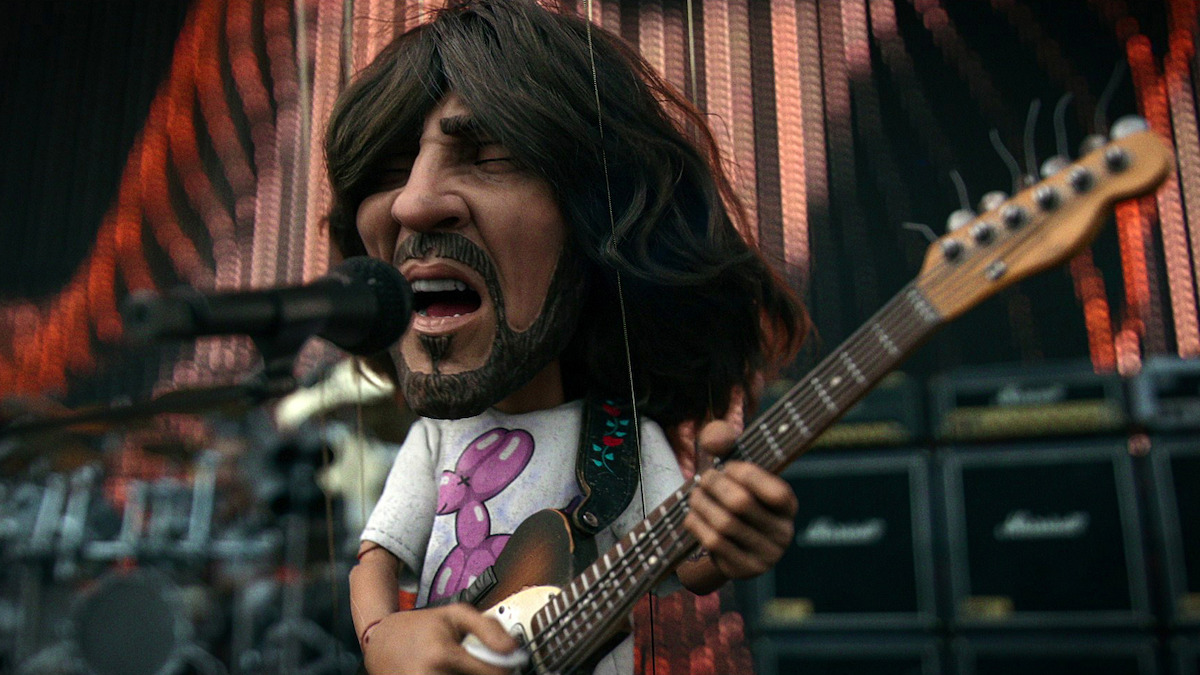
Volume 4, Episode 1: “Can’t Stop”
David Fincher returns to music videos with the Red Hot Chili Peppers as marionettes. The Killer director, also behind videos for “Vogue” and “Freedom! ’90” saw this episode as a chance to “exercise some old muscles.” But what is startling about the staging of this song is how fresh and new it feels. Because as absurd as the idea of a puppet rock band is — with each “string” painstakingly drawn in digitally, to give the sense that there really is a puppet master — “Don’t Stop” deftly captures the joy and spectacle of seeing a great live band. There’s a moment where the camera flies from the stage to the face of an enraptured audience member that makes you feel what those moments are really like.
If you’re in the mood for H.P. Lovecraft
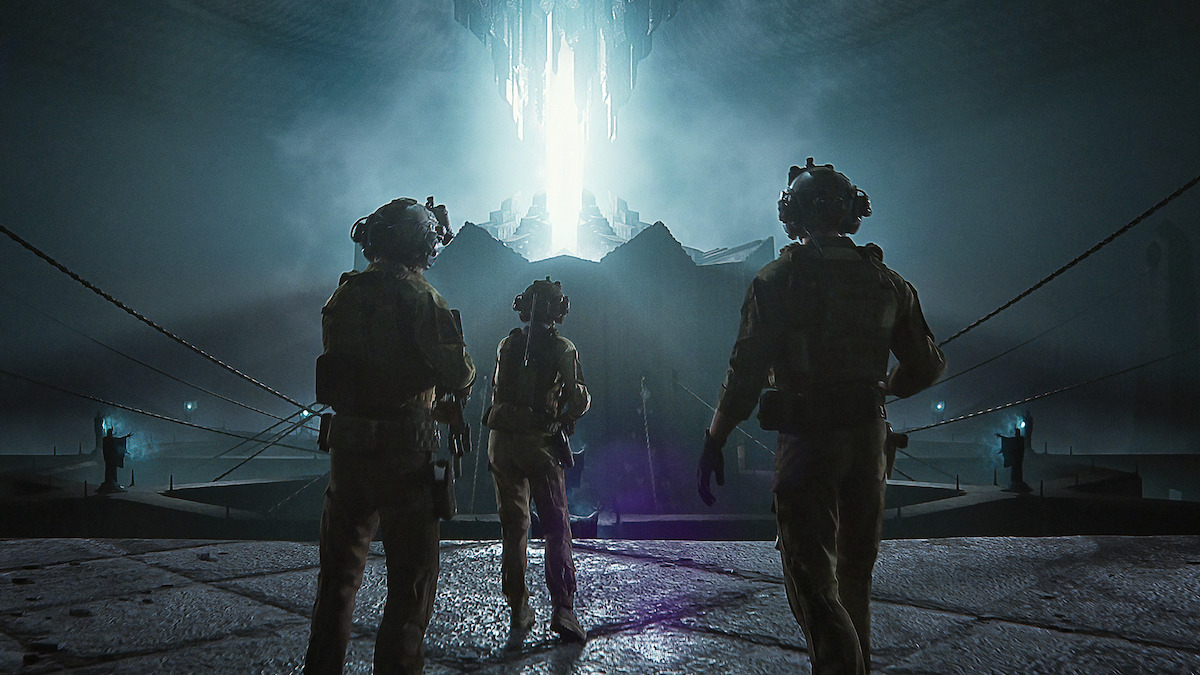
Volume 3, Episode 8: “In Vaulted Halls Entombed”
A deceptively simple mission is portrayed in a deceptively simple episode: A US Special Forces outfit attempts to rescue a hostage in the Afghanistan wilderness and stumbles into a cavernous prison containing an ancient evil. There’s not a lot of story here, but there’s a ferocity to the action and a feel to this world — created using Unreal Engine, a 3D graphics tool used for several iconic video games — that proves truly unsettling. The soldiers eventually face a foe who resembles the darkest creation of seminal horror writer H.P. Lovecraft: Cthulhu. It’s basically a giant demonic god alien bastard thing. You won’t want to believe your eyes.
If you’re in the mood for true art
Volume 3, Episode 9: “Jibaro”
It’s hard to really understand quite what you’re watching in “Jibaro” even as you’re watching it. So there’s marginal hope for conveying in words the elegant brutality of one of the most beautifully bleak animations ever made. Deep in the jungle, a Siren destroys an army of conquistadors but faces her own fate when one of the invaders turns out to be deaf, and thus, immune to her song. Though actors, including dancer Sara Silkin, were used to stage some scenes, the action was recreated in lush keyframe animation — the definition of painstaking. “He’s something else, this Alberto Mielgo,” Fincher said of the episode’s director. “I said to him, ‘For my money, there’s Disney, there’s Pixar, and there’s you.’”
If you’re in the mood for redemption stories
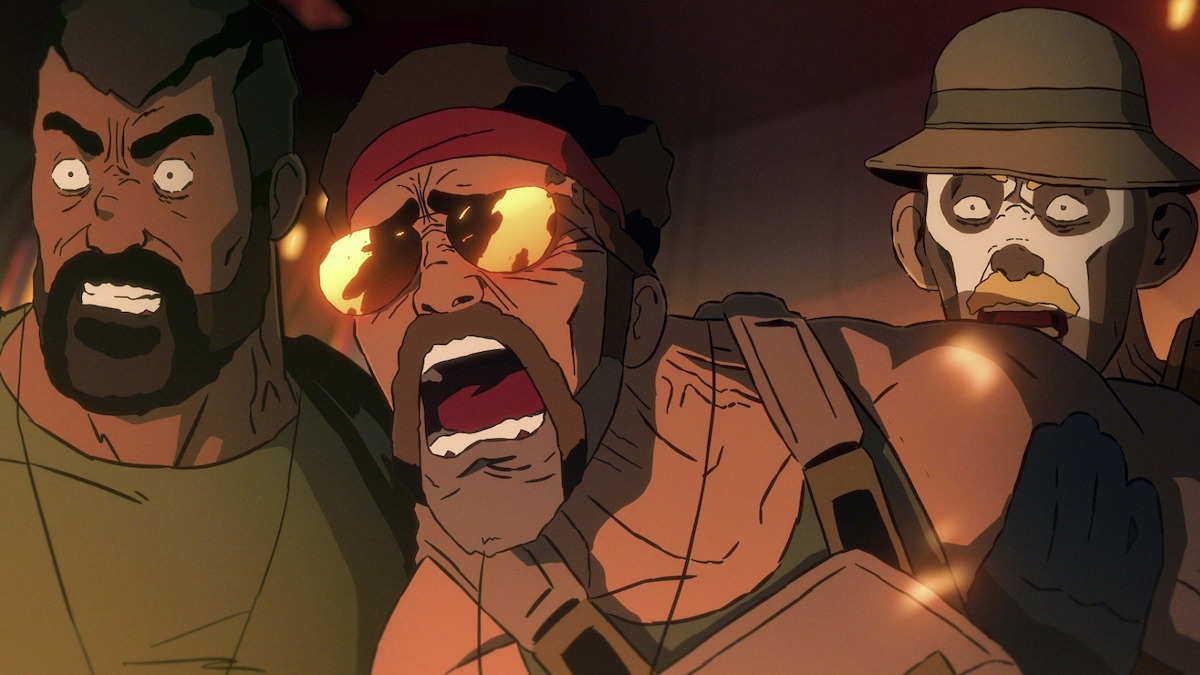
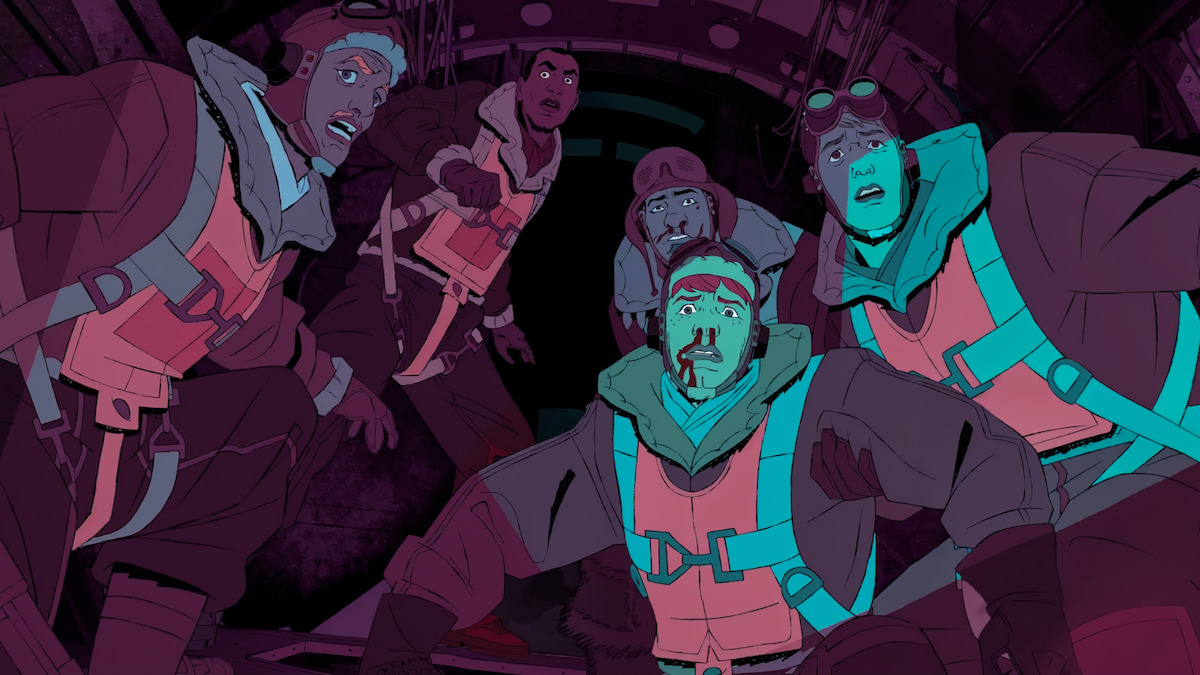
Volume 4, Episode 8: “How Zeke Got Religion”
Diego Porral was lead animator on “Kill Team Kill” and clearly got a taste for militaristic fantasy. He makes his series directorial debut with this warm bloodbath as the crew members of a Flying Fortress — sent to bomb a church housing an occult ritual in occupied France during World War II — are forced to face off with demonic entities. The combination of a savage story with a purely joyful animation style is startling, daring, and splashy. And as incongruous as the vibrant color may be with the carnage, it’s weirdly haunting — a Day-Glo nightmare.
If you’re in the mood to contemplate the tragic inevitability of death
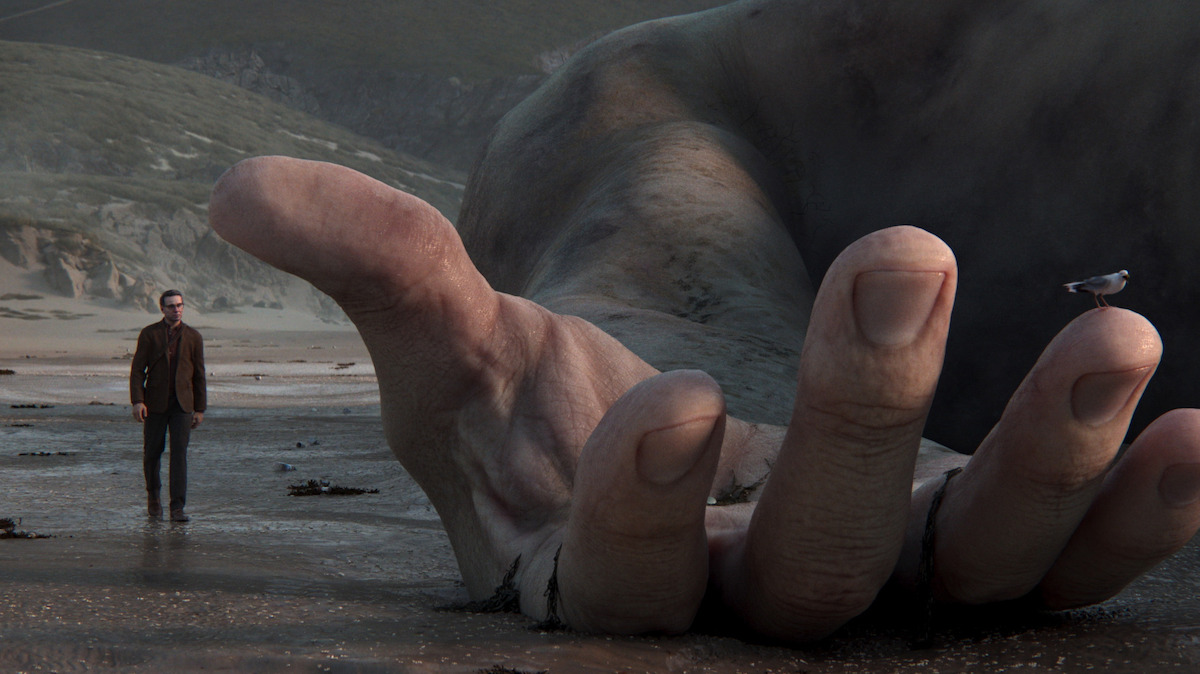
Volume 2, Episode 8: “The Drowned Giant”
It would take a bold and foolish person to declare one episode of Love, Death + Robots to be the best of all, therefore: The elegiac and beautiful “The Drowned Giant” is the best of all. While “Jibaro” is arguably the most eye-catching, with its groundbreaking visual technique, this understated, tender short perfectly conveys the tone and emotion of its source: a peculiar, achingly sad story by Crash author J.G. Ballard. It’s not a tale that could, would, or should be told in any other format — it can only exist in LDR and, like the curtailed life it depicts, feels like a miracle.
Watch Love, Death + Robots Vol. 4 now, only on Netflix.