AP Images/Netflix
Explainer
All Your ‘Martha Mitchell Effect’ Questions, Answered
What does she have to do with Watergate exactly?
March 2, 2023
It’s been 50 years since five burglars were arrested at the Democratic National Committee’s (DNC) headquarters in the Watergate complex in Washington, DC. The incident became known as the Watergate scandal and ultimately led to the resignation of President Richard Nixon. Though plenty of names have been immortalized in history books in relation to Watergate — FBI vet G. Gordon Liddy, Nixon’s Chief of Staff Bob Haldeman, journalists Bob Woodward and Carl Bernstein — there’s one that hasn’t been as widely known, until now: Martha Mitchell.
The outspoken Washington socialite’s story is told in the Oscar-nominated documentary The Martha Mitchell Effect, which uses archive footage to explain who Martha Mitchell was, why there’s a psychological phenomenon named after her ("the Martha Mitchell effect") and her lasting impact on the American political process. Ahead of its release, we’ve compiled a guide to the documentary with answers to some of your most burning questions.
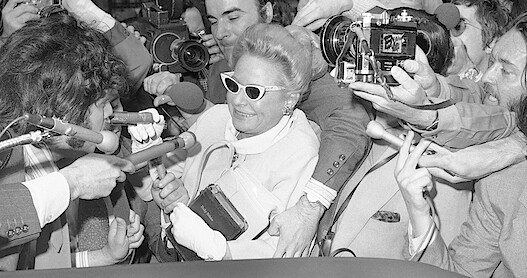
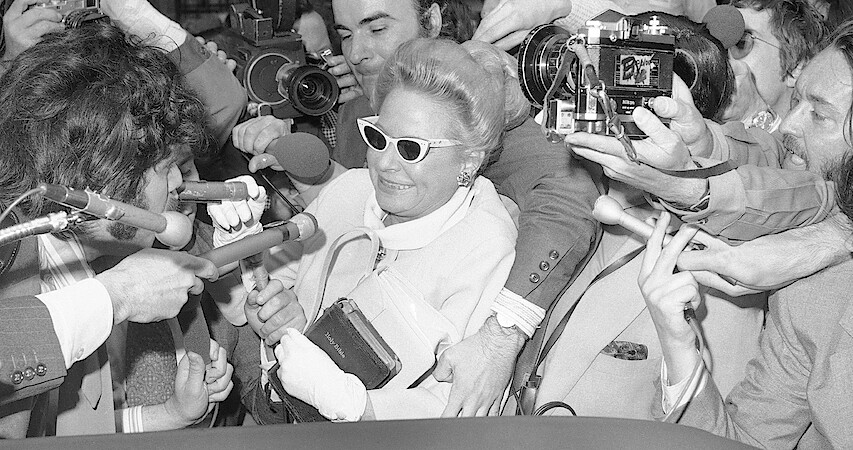
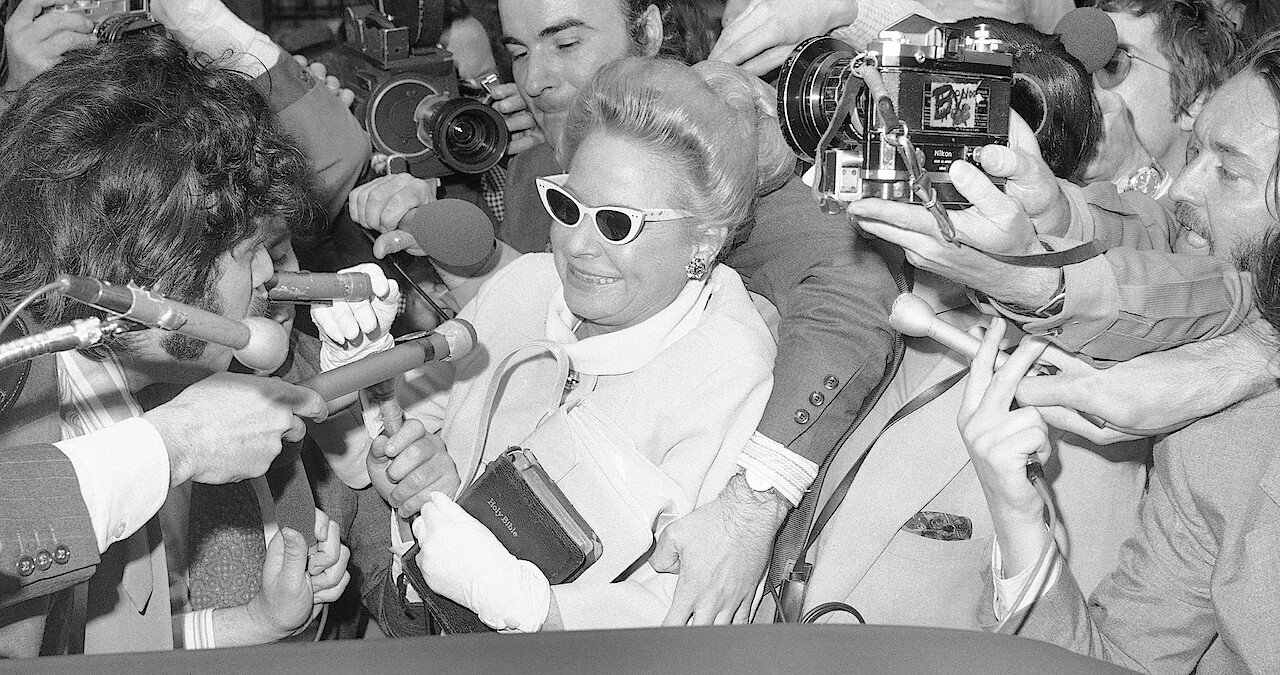
The wife of Nixon’s attorney general John Mitchell, Martha was a popular, outspoken conservative socialite whom The New York Times called “the most talked about, talkative woman in Washington.” Unafraid to speak her mind, she made headlines for the sensitive information she would occasionally leak to reporters.
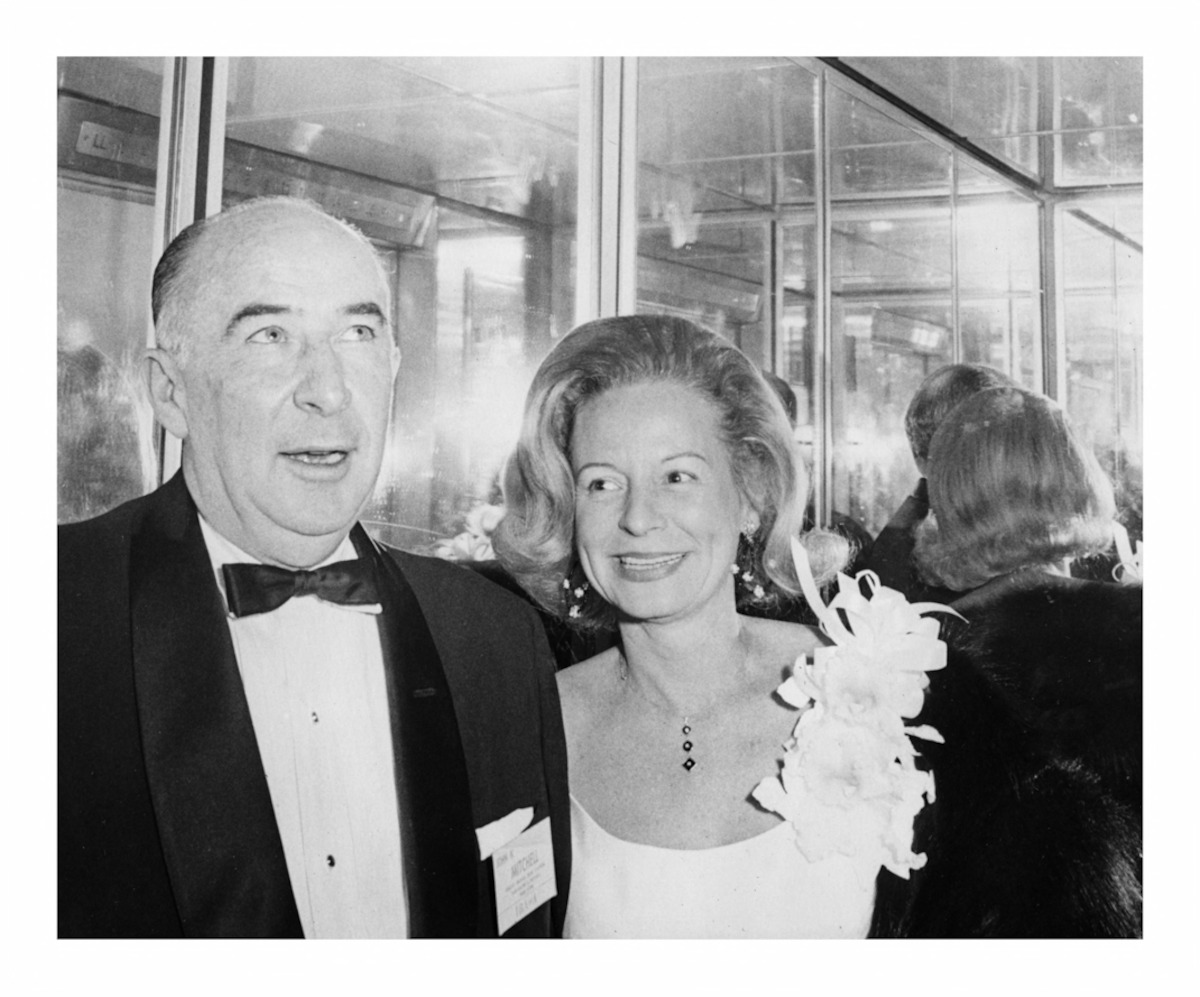
The night of the Watergate break-in — June 17, 1972 — Martha was attending a series of re-election campaign events with her husband in California when he received a call about multiple arrests. John — who was the head of the Committee to Re-Elect the President (CREEP) — denied any involvement and left shortly after for Washington. While reading the newspaper in the following days, Mitchell recognized one of the burglars who was arrested inside the DNC headquarters, James McCord, as her old security guard. She then realized there was a connection between the DNC burglary and her husband.
That week, Mitchell, who had a habit of late-night chatting with reporters, called one of her closest press confidants. But the reporter overheard a struggle before the line went dead, and when she called back, she was told Martha was “indisposed” and no longer able to speak. Mitchell later spoke out about the way she was treated that week, saying that she was violently detained and silenced.
In a letter to Parade magazine, Mitchell claimed that she was held hostage by her security guard in an attempt to stop her from publicly connecting the Watergate break-in to the Nixon administration and alleged that she was physically abused (which McCord later corroborated): She wrote that the guard “not only dealt me the most horrible experience I have ever had — but inflicted bodily harm upon me,” Mitchell claimed. “Such as, kicking me, throwing me around, keeping me locked up in one room for more than twenty-four hours, sending my hand through a glass window, allowing no one inside the villa except the doctor whom he called — and last but not least — yanked the phone out of my bedroom while talking with Helen Thomas.”
After her release, Mitchell publicly spoke about the Watergate burglary’s connection to the White House — at first in an attempt to prevent her husband from taking the fall for the incident, and later to urge the White House to “to tell it the way it really is,” according to The New York Times.
The White House began to dispatch sources to undermine Martha’s credibility in the press, saying that she was an alcoholic on the verge of a nervous breakdown, per McCall’s. Although John Mitchell resigned from his post (stating it was to spend more time with his wife), he remained loyal to Nixon. John and Martha separated in 1973. Martha, on the other hand, called for Nixon’s resignation, telling The New York Times he’d be out by April of 1974. (He would later resign that August — just four months after Martha’s prediction. In his famous interviews with journalist David Frost, Nixon blamed Martha for the Watergate scandal.)
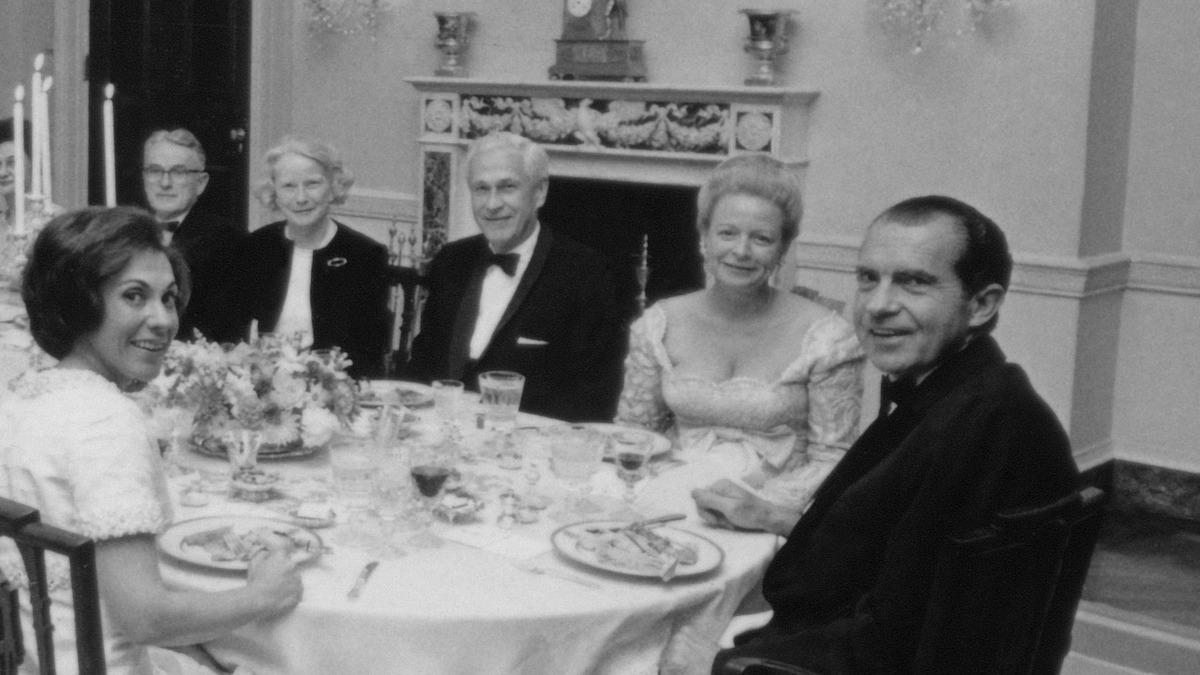
Just two years after Nixon’s resignation, Mitchell died at 57 from an aggressive form of cancer, multiple myeloma. At her funeral, a flower arrangement from an anonymous well-wisher spelled out the phrase “Martha Was Right.”
In 1988, psychologist Brendan Maher coined the term “the Martha Mitchell Effect” to refer to someone who is diagnosed as delusional or paranoid for making seemingly improbable claims — but is actually telling the truth.
The 40-minute film was nominated for the documentary shorts category alongside Haulout, The Elephant Whisperers, How Do You Measure a Year? and Stranger at the Gate.
The documentary launched on Netflix on June 17, 2022.