

Explainer
Who Were the Tripped-Out, Nearly Naked Berserkers?
And can we have what they were taking?
By Madison Margolin
March 5, 2024
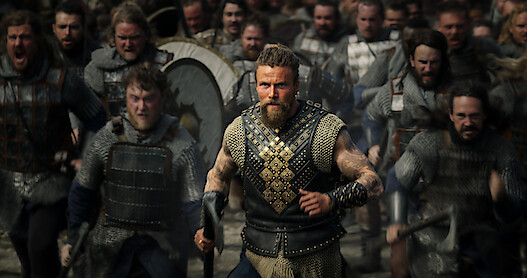
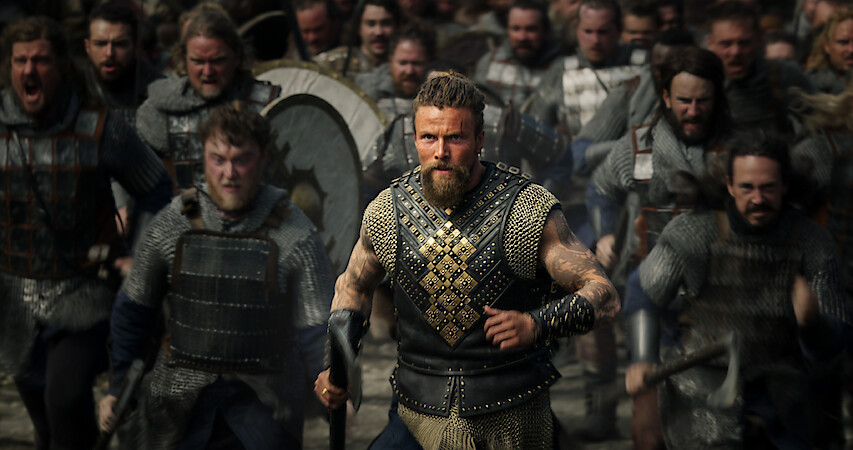
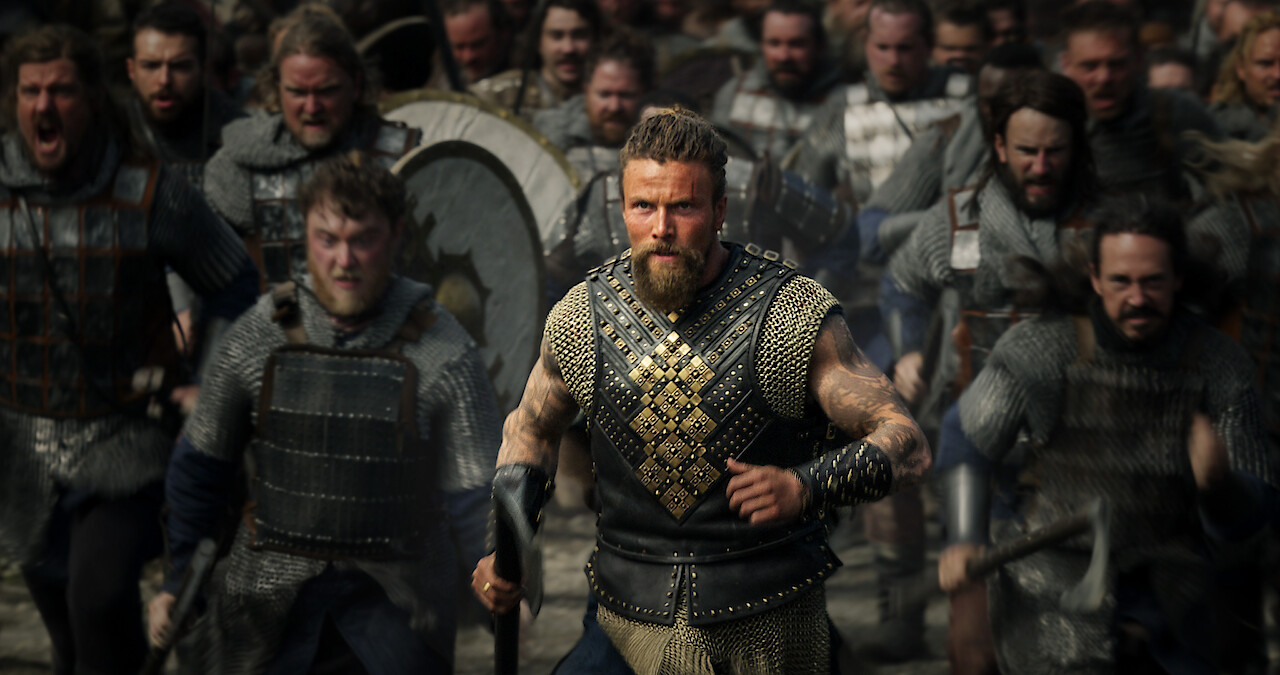
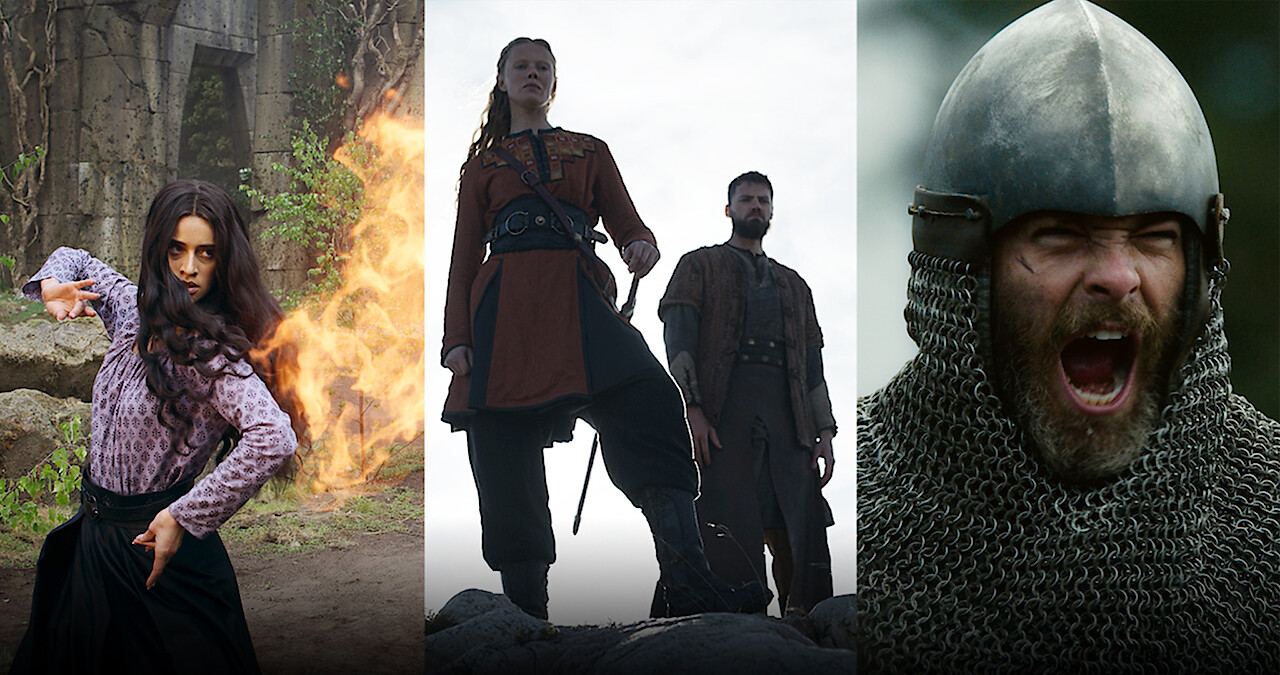
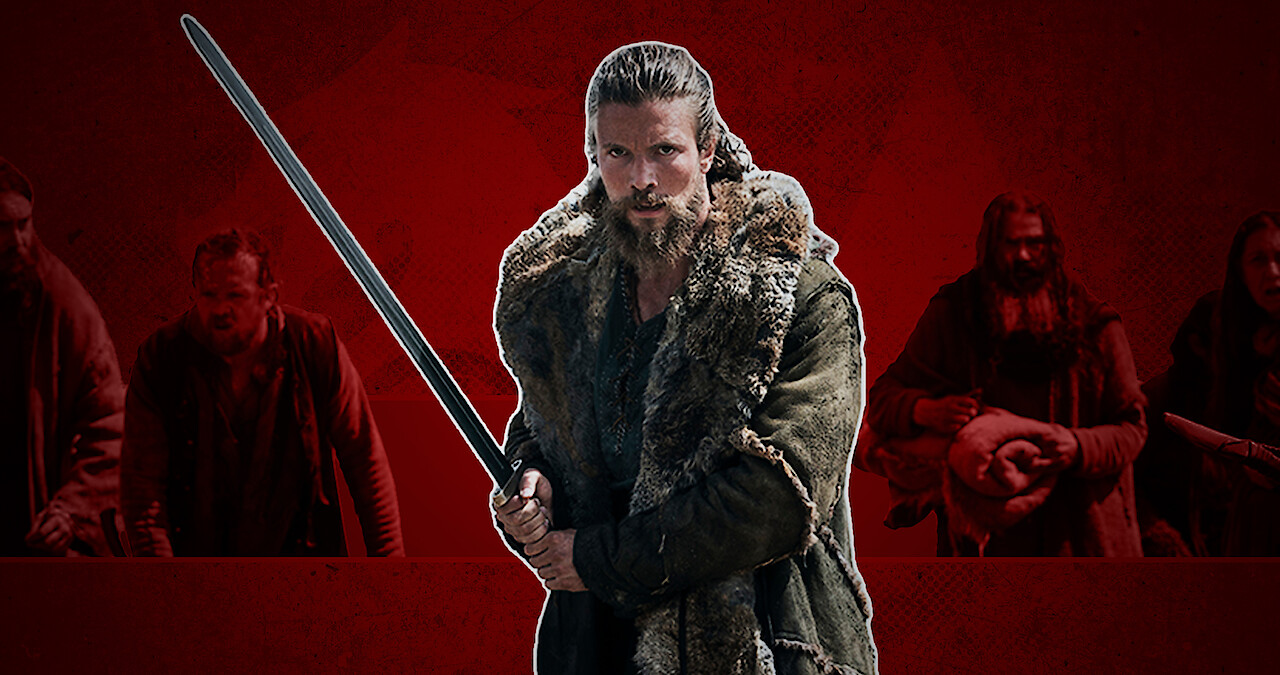
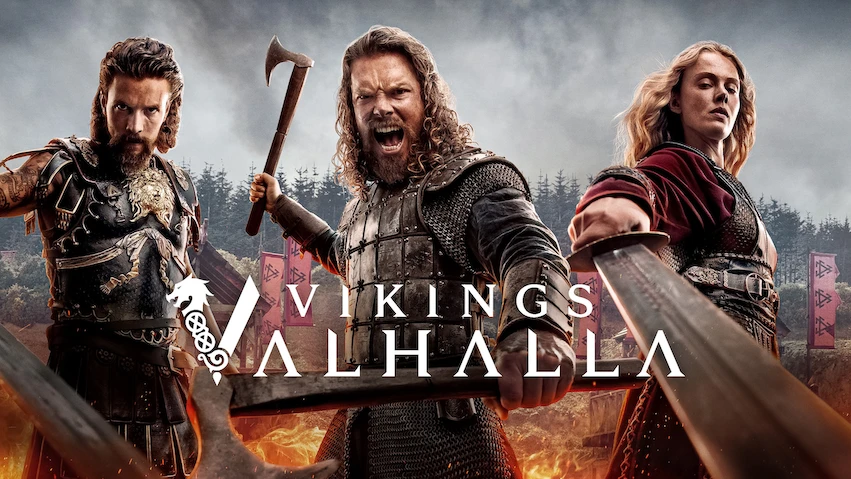
Who were the Berserker warriors featured in Vikings: Valhalla? Madison Margolin, editorial director and co-founder of the psychedelics and mental health publication DoubleBlind, dives into the wild world of the bearskin-clad battlers.
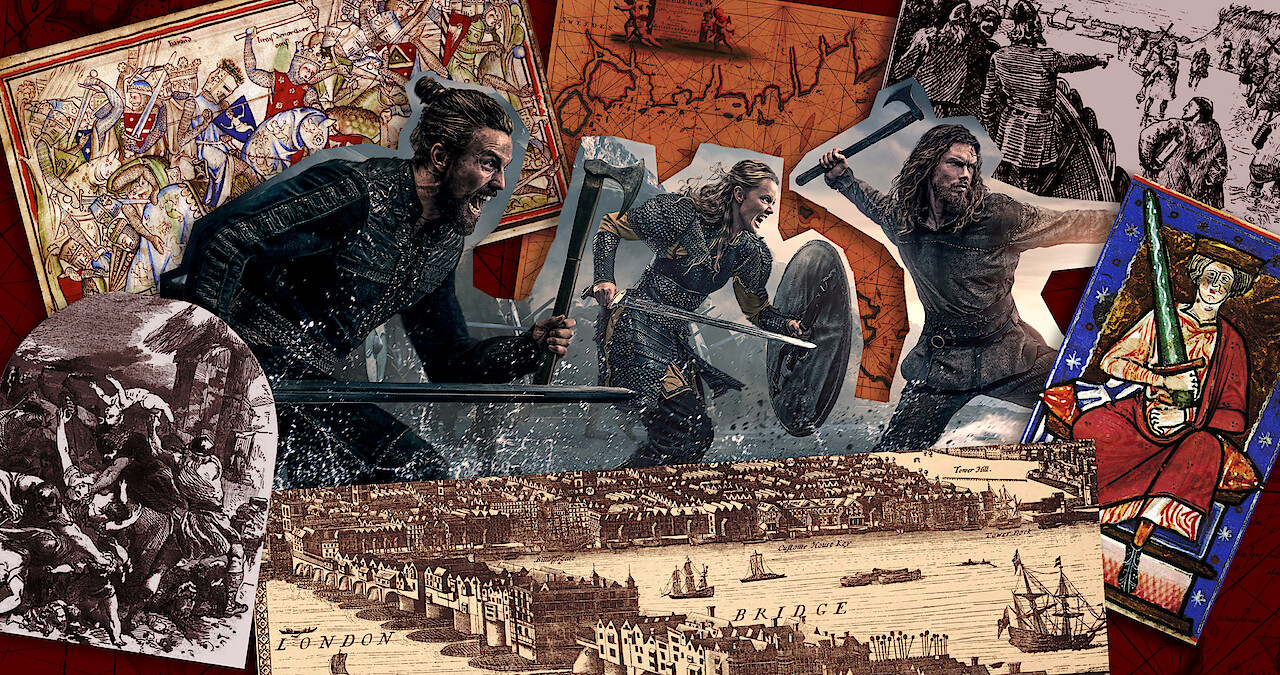
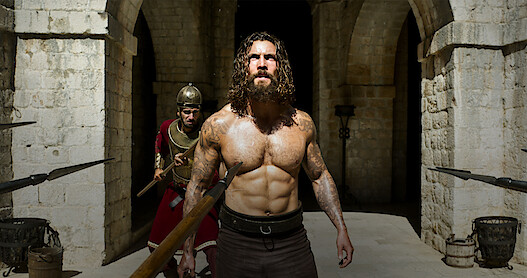
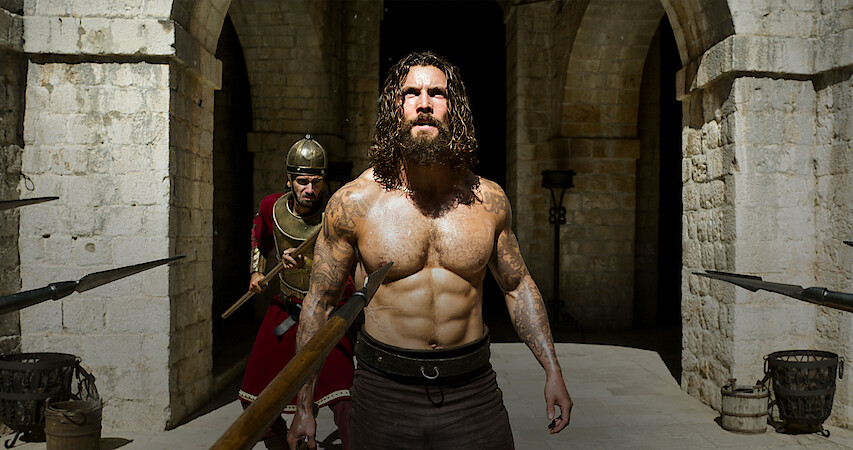
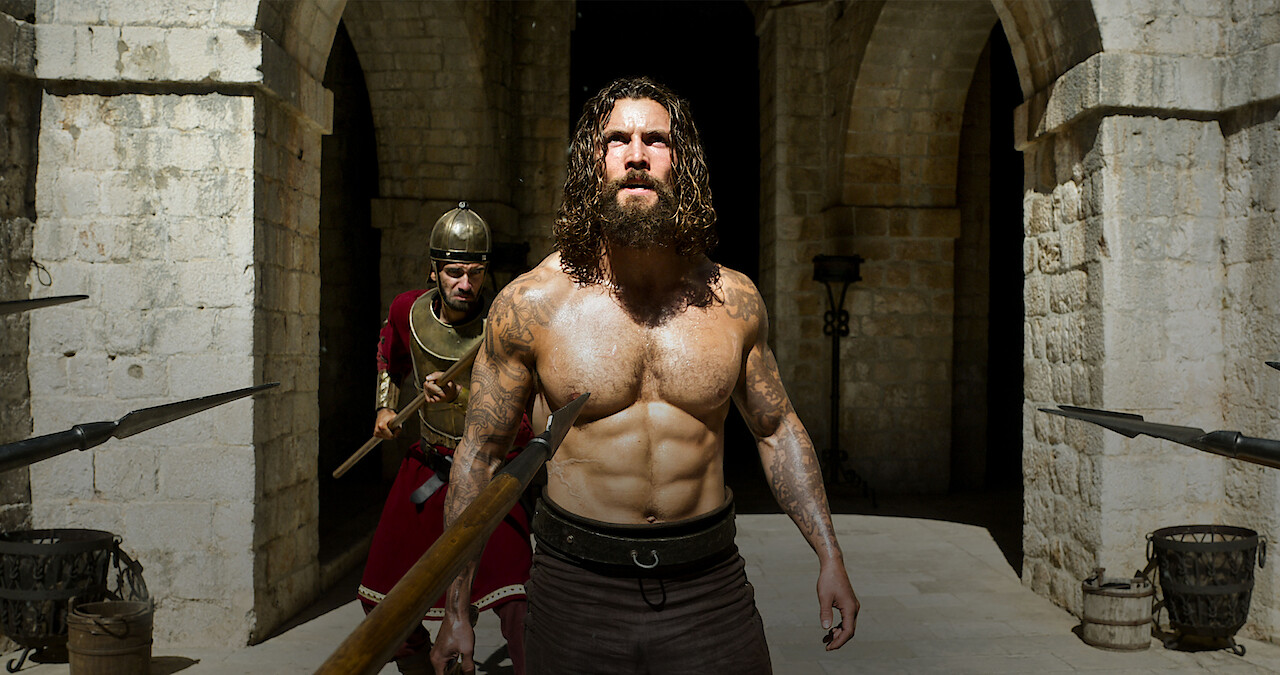
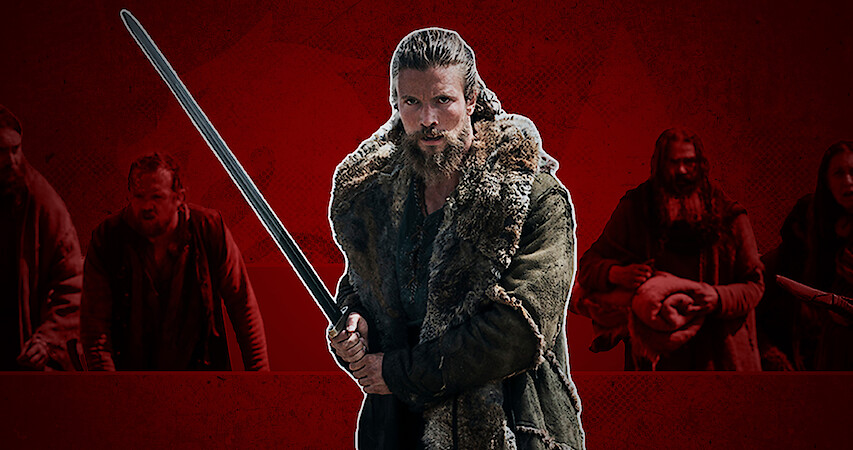
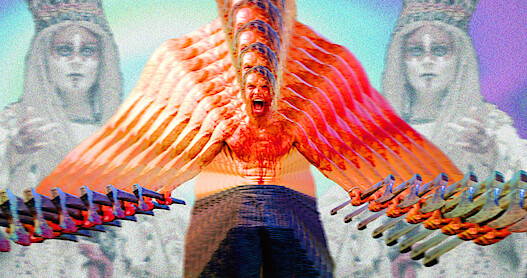
Like ferocious, feral animals, a wild pack of Viking warriors would work themselves into crazed, rabid states before battle, wearing bearskin coverings and little else over their nearly naked bodies. Meet the Berserkers, the legendary warriors of the Viking era.
The etymology of the word berserk comes from the Old Norse berserkr, which means “raging warrior of superhuman strength.” The term is a combination of the words for ‘bear’ or ‘bare’ (which of these it is specifically is up for debate), and ‘shirt’ or ‘coat’ (serkr), and in the words of 9th-century poet Þorbjörn Hornklofi, “The Berserkers howled [and] gods were in their minds.”
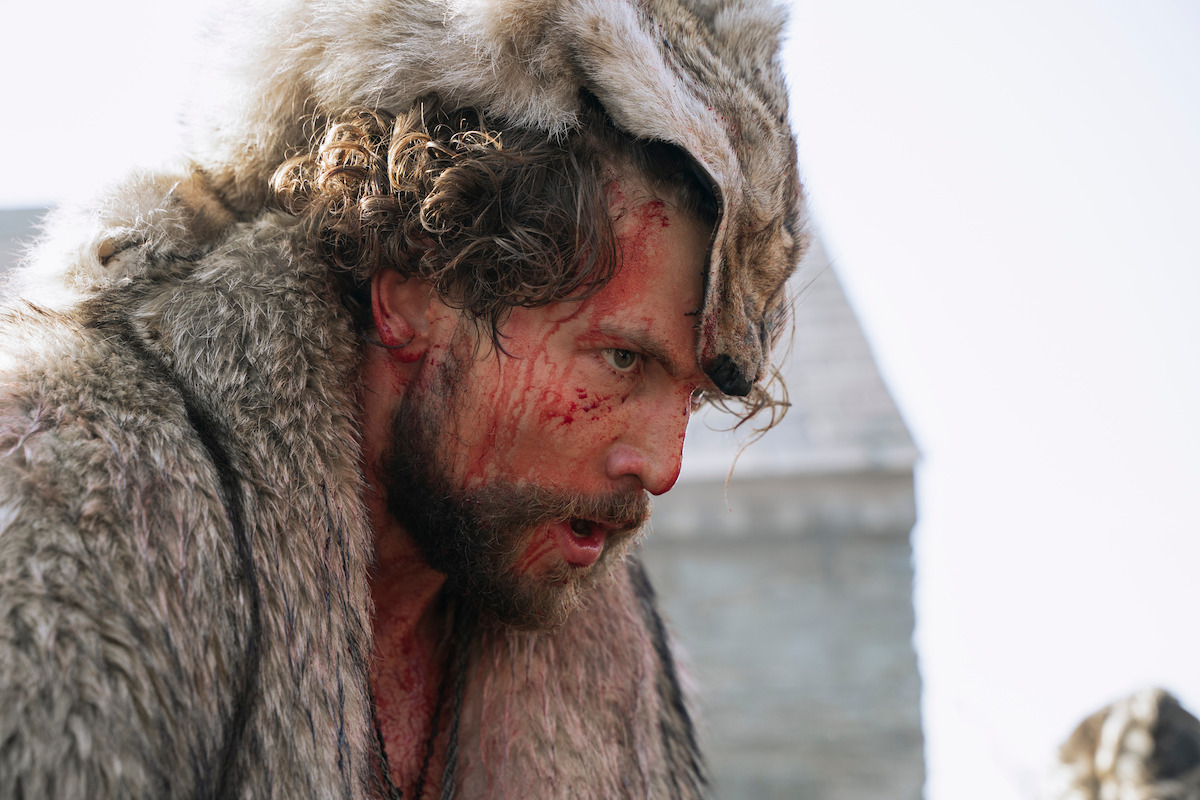
Indeed, some historians speculate that the frenzied, trancelike states that characterized the Berserkers’ savage behavior and consciousness were endowed to them by psychoactive plants native to the region.
While some theories posit that magic mushrooms in the form of Amanita muscaria, or fly agaric, were responsible for these “warrior shamans” going berserk, academics of today have dispelled this as myth, despite the region having damp, fertile ground where fungi can sprout. According to the Viking Museum in Stockholm, “If anything, fly agaric would have made them particularly worthless warriors, since the side-effects include drowsiness, vomiting, muscle spasms and numbness in arms and legs.”
Rather, it’s more likely that the Berserkers were getting high off henbane or alcohol, although there’s also evidence that cannabis (especially in the form of hemp) was present in the region. Belonging to a group of plants in the Solanaceae, or nightshade, family, black henbane (Hyoscyamus niger) was an important herb for Viking and Druid rituals and has been connected to witchcraft. It produces effects that are consistent with what’s been described in Old Norse literature about the Berserkers, according to ethnobotanist Karsten Fatur from the University of New Brunswick. Henbane has been used for medications and are known to cause psychoactive effects, not to mention delirious states, dissociation from reality, or dark and realistic hallucinations, according to Fatur. “I've heard many stories of people who take [black henbane] and wake up days later, not knowing what happened to them,” he says. “People tend to behave in strange ways, aggressively imitating animals.” Other physiological effects include swelling and reddening of the skin, widening of the pupils, teeth chattering, body chills or fever, lowered blood pressure, and pain relief, which could have been what enabled the Berserkers to continue brutally battling in the face of injury.
“They were known for their fierceness in battle, to go absolutely wild, losing track of their friends and enemies indiscriminately,” Fatur says. “There were some advantages or psychological benefits [to black henbane]. This plant would have dissociated them from reality a bit, saving them from a range of mental traumas related to up-close, vicious battles... The decrease in human thinking could put them at a more instinctual level [which] ties in with protecting them psychologically, [so they could] react in the moment without thinking too deeply and increase the level of rage. People who take these plants have shown up to the ERs in agitated states.”
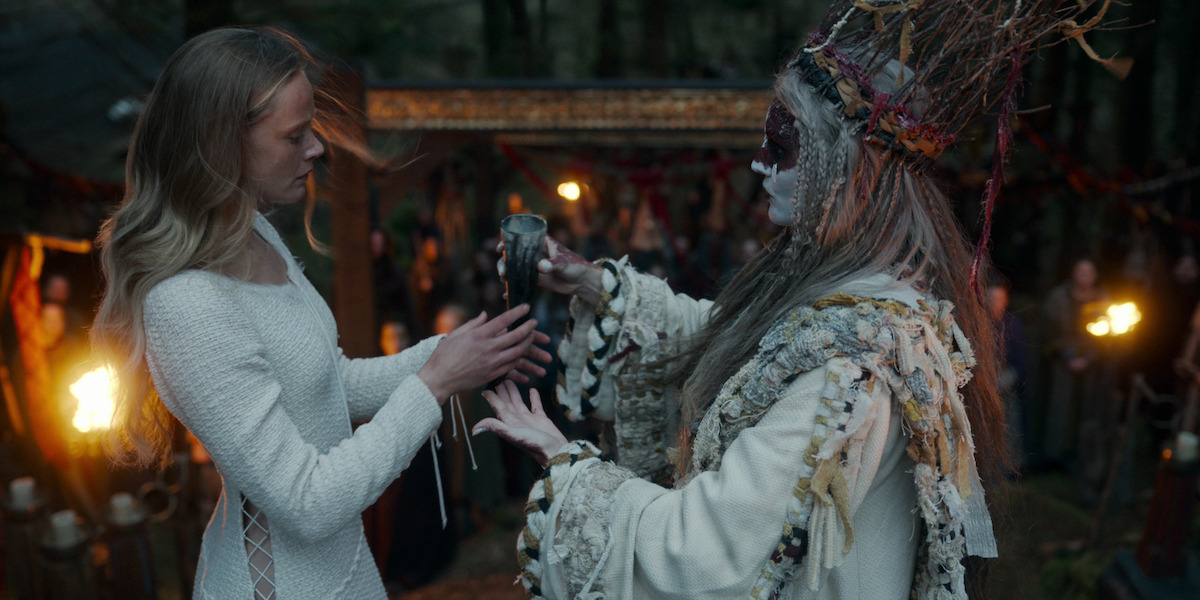
While Fatur is quick to clarify that the Berserkers’ use of black henbane is still only a theory, since records were not kept well back then, he nonetheless points out that not only do its effects match up with Berserker descriptions, but that the plant itself grows like a weed and can be found anywhere — although henbane traces its roots to ancient Greece, where it was used for medicinal purposes. “Because the Berserkers were trying to keep their secrets secret,” Fatur says, we also have little information on the ways that black henbane was prepared or ingested by the Vikings. “There’s a range of ways that they could have taken it, but we don’t know how it was used in this context. That said, there was a burial site found in Denmark around A.D. 900 where a woman who appeared to be a priestess or a shaman had black henbane with her... a tube of psychoactive ointment, [so] perhaps that was a more widespread tradition of the time.” These high-profile seeresses — or völva — often performed ecstatic rituals called seid that would enable souls to pass into other worlds.
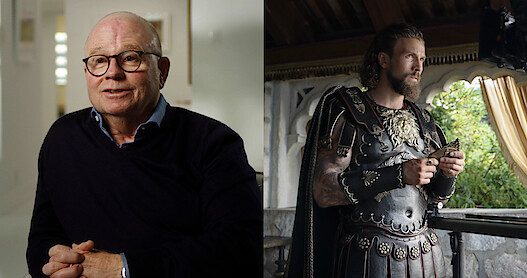
It’s also worth noting that, according to British historian and screenwriter Justin Pollard, who worked on Netflix’s Vikings: Valhalla, the opportunity to be a Viking was available to anyone, male or female. “We have evidence now that there were women warriors,” he says. “Viking society is quite egalitarian — not like Christian society at the time. Most things within the community and country, you get to vote on, and it’s not as though you get one king who tells you what to do. Women have rights, property, and can divorce their husbands. If you want to make something of yourself, you can. You can join a war band and go out as a Viking, but if you screw up, your team will take over or abandon you. It’s quite entrepreneurial.”

Vikings also liked to drink alcohol to excess, says Pollard, but according to Fatur, alcohol was not as strong then as it is today. That said, Pollard notes that Vikings would drink themselves to states of unconsciousness, using beer and mead.
The Vikings also followed a pagan spiritual path, with a mythology rich in various gods, goddesses and narratives conjoining them. Fortune telling, witchcraft, herbalism and supernaturalism were just a few of the practices that characterized the culture, in contrast to the more austere form of Christianity sweeping the continent.
The Vikings were also “vigorous traders” in “a society that grew up on the edges of Europe, under pressure,” says Pollard. “If you’ve been to Norway, then you know it’s a small coastal strip, with huge mountains, [so] when your population starts expanding, there’s a lot of pressure. People are forced to live together and be tolerant of each other,” he says. “They don't have the luxury of not getting on, and they have to be quite a liberal society [but also] expansive, looking outwards, whereas other cultures tend to look inwards. If you went to Anglo-Saxon England, there are bits of land surrounded by rivers and sea, [which are seen as] borders. For Vikings, they are highways, not borders. What other people think is a barrier is their way in.”
Yet even with the small region that they occupied, the land of the Vikings was rich in various plants, beyond those that the Berserkers used in battle. Popular medicinal plants of the time include burdock, vervain, wormwood, yarrow, ribwort plantain, St. John’s wort, ground ivy and mayweed, among others, while plants like hops, garlic, cress, mallow, field peas, marjoram, mint, ramson, sorrel, horse beans and thyme were used as herbs, and still others like soapwort, weld, tansy and knapweed were used as dyes. With such a relationship to plants, the Viking society and the Berserkers in particular are reminders of humanity’s animalistic nature, roaming the lands in complete raucousness, with heinous battle cries and rattling chains. The Berserkers were rumored to practice lycanthropy — shapeshifting into werewolves — and were described in old sagas as eating sacramental cakes from the god Odin before battle. Occupying a fine line between legend and mundane reality, the Berserkers may remain a mystery to us, but their impassioned, perhaps slightly stoned spirit lives on in the lore even today.