
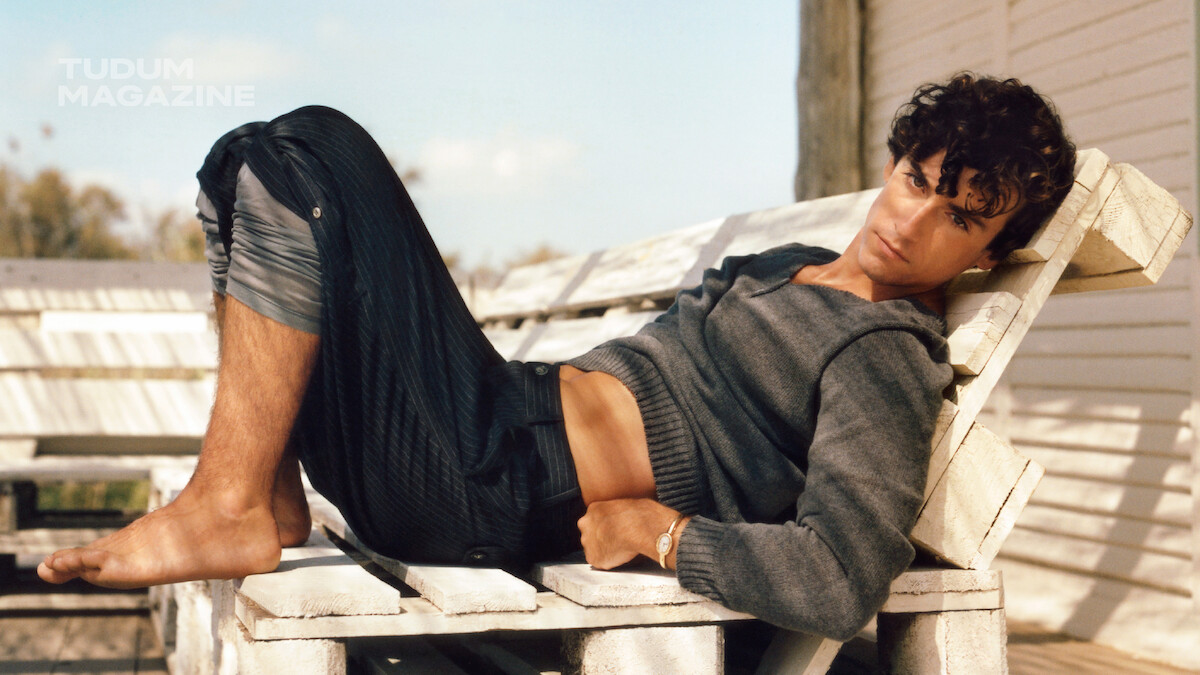
The actor speaks on his debut film and working with Penélope Cruz.

“I have a complex relationship with acting. Sometimes I find it a bit emotionally demanding,” admits Léa Seydoux, the French actor, in flawless English. It’s an odd statement for the star whose enviable career spans art-house faves (she won a Palme d’Or for Blue Is the Warmest Colour alongside her co-star, Adèle Exarchopoulos, and director, Abdellatif Kechiche) as well as tentpole franchises (Dune: Part Two, Bond twice). But Seydoux recognizes the feeling when she’s succeeded in authentically portraying a character, as she does in the new film Gentle Monster, directed by Marie Kreutzer (Corsage). She recalls that state of acting bliss, almost surprised that she’s been able to replicate it so many times: “It’s like a trance; it’s hypnotizing. I love it.”
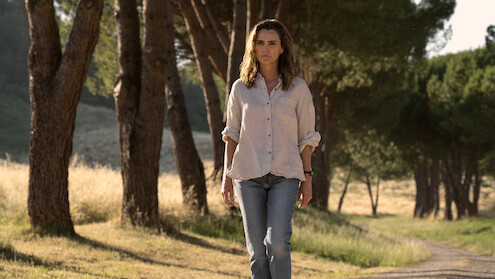
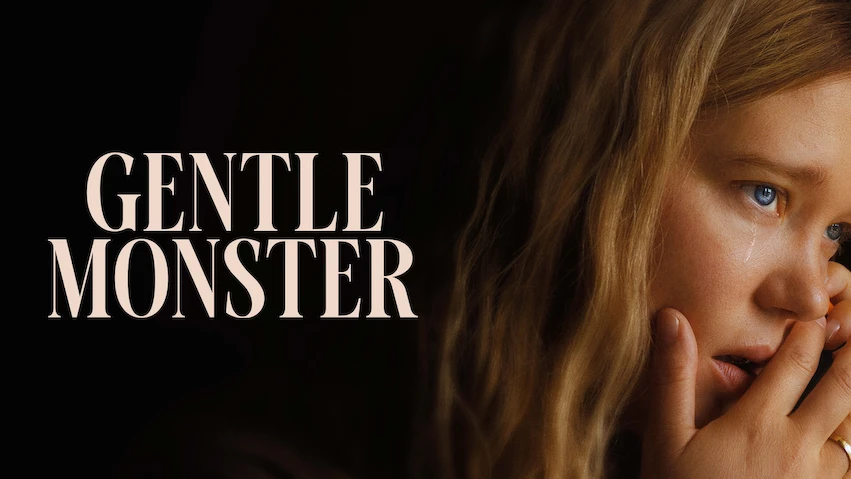
Gentle Monster is the story of a woman’s unraveling when her husband, and the father of their young son, is accused of possession of child sexual abuse material. And while both the film and Seydoux’s character, Lucy, decisively condemn the act, the idea that we may never fully know those around us is nuanced. The story, told from Lucy’s POV, is muddled and ambiguous. “It’s all in her head,” says Kreutzer. “And that’s how it’s supposed to be for the viewer as well. What we don’t see is even more terrorizing.”
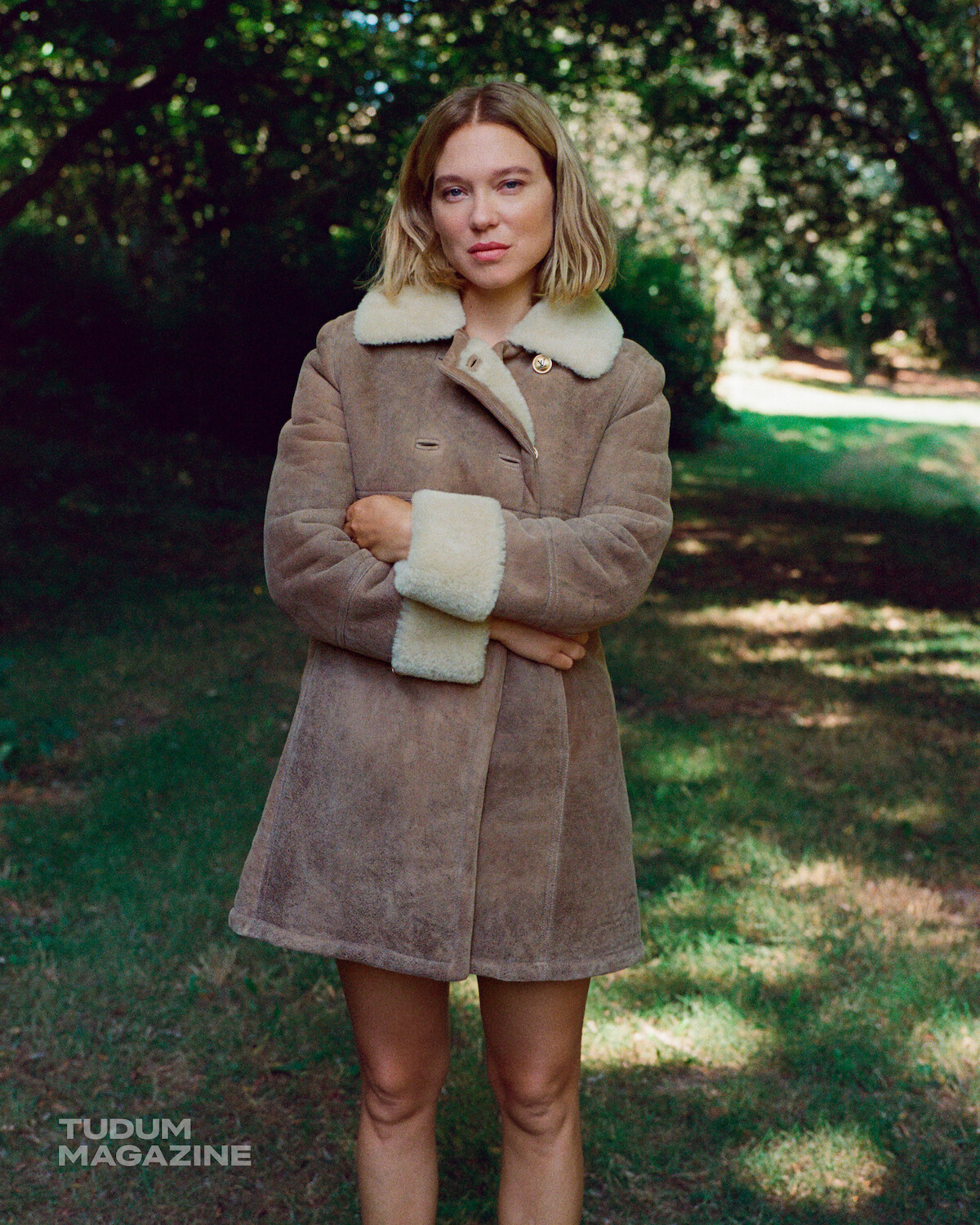
While Seydoux needed no preparation to portray a loving mother (she has two sons, aged 1 and 9), she did have to learn German for the role. And although she studied singing as a child and dabbled in piano, she put in hours of music training in order to accurately capture the professional life of Lucy, who sings and plays the piano and armonica (an obscure spinning glass instrument). To render Lucy believable as a touring artist, Kreutzer enlisted frequent collaborator Camille (Academy Award winner for Best Original Song) as composer on the film to teach Seydoux. “Léa is amazing because she always manages to be in the moment and in her character,” explains Camille. “She’s always focused on the essentials, and so it looks very natural. A piano player who does it all the time is not focused on the notes and on the keyboard, it’s more about channeling the moment.”
Seydoux reframes the task: “I always think of this sentence by Isabelle Huppert, which I love — she always says: ‘You have to find your freedom in constraint.’ That’s what I did to become credible as a pianist and singer, and I enjoyed accomplishing that. I don’t speak German and I had to learn it phonetically. But that part was quite fun. My constraint.”
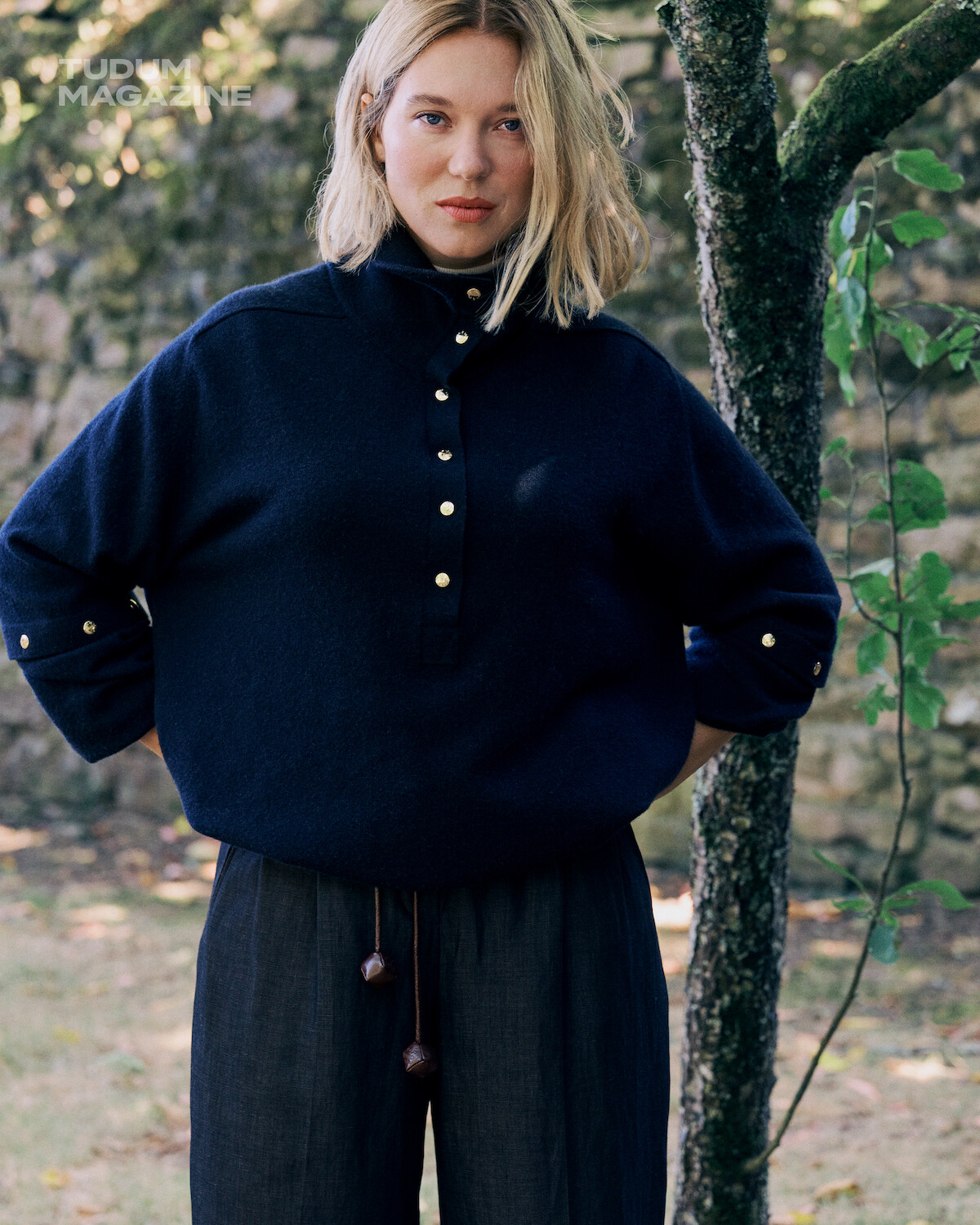
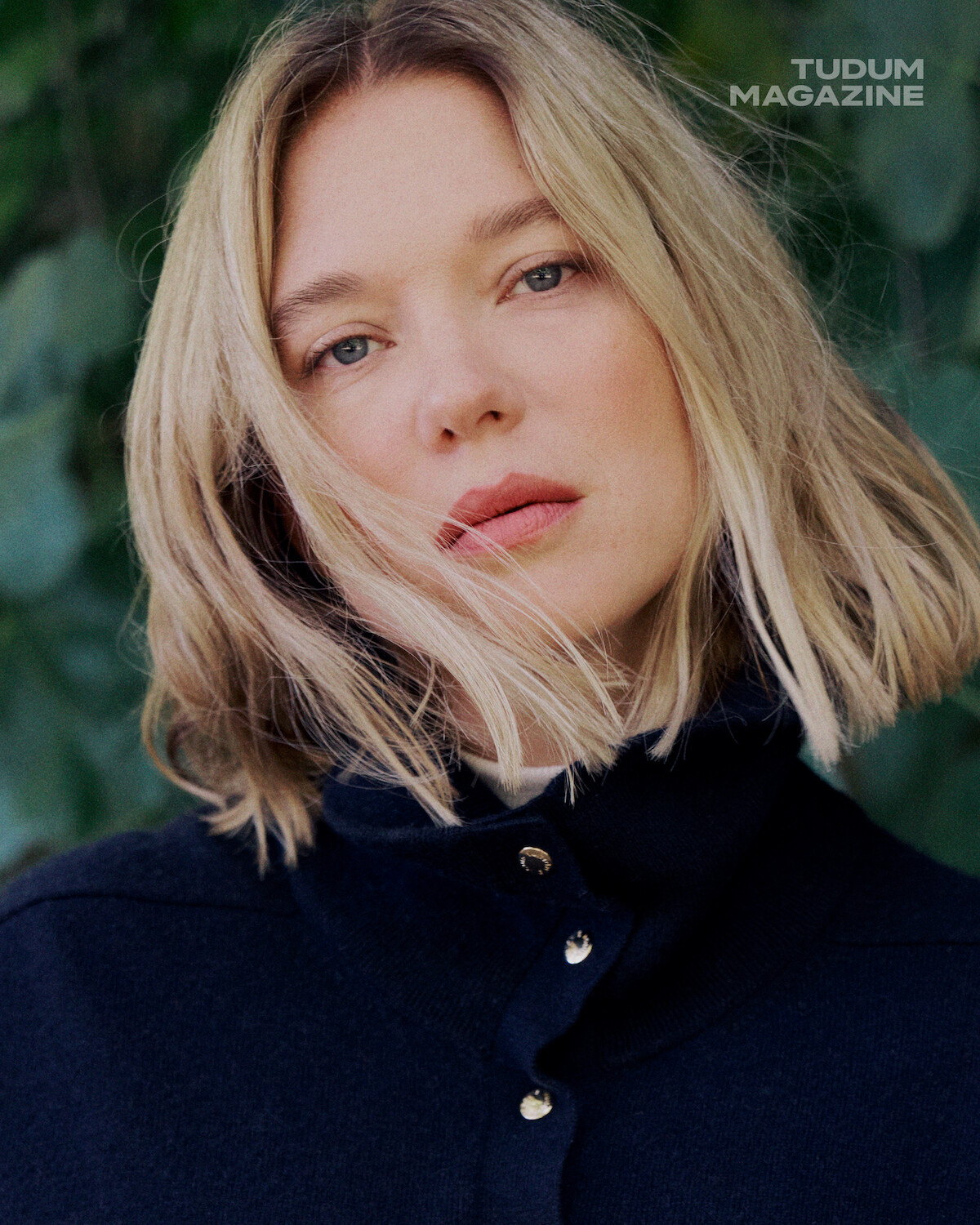
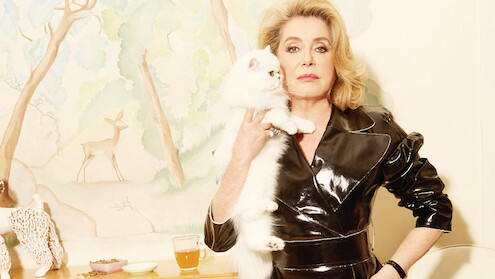
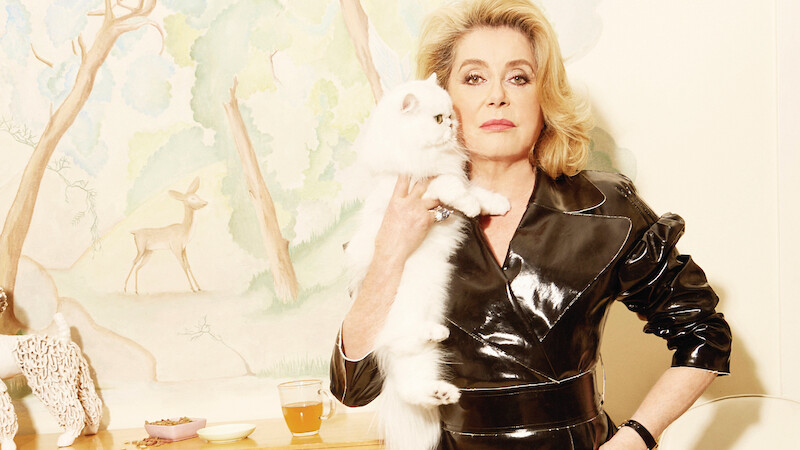
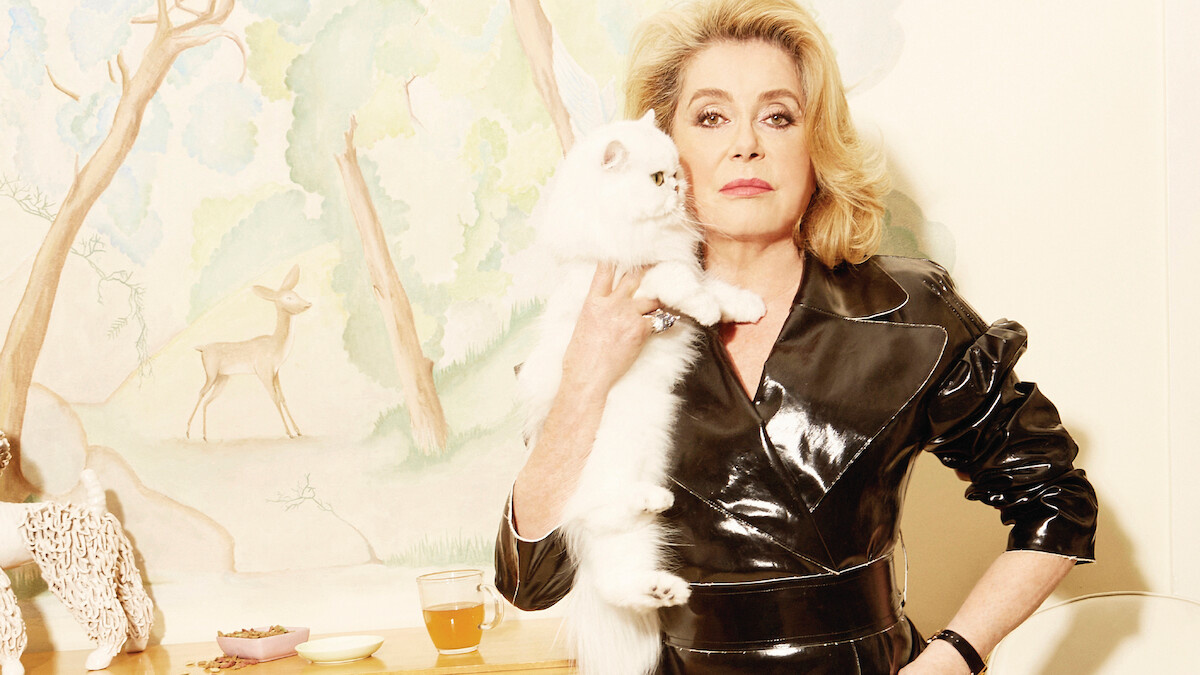
For her part, Kreutzer’s research included studying up on her leading actor. “I read some interviews to learn more about what [Léa] says about how she works,” explains Kreutzer. “She had said in a podcast that she adored Catherine Deneuve and that she wanted to work with her at some point.” Kreutzer cast Deneuve as Seydoux’s mother in the film, producing yet another mesmerizing and believable element. Seydoux recalls of working opposite one of her heroes: “The connection was very natural. It happened just immediately. I didn’t have to build something. Maybe she reminds me a bit of my own mother. Because my mother is also very elegant, fascinating.”
In filming, Kreutzer encouraged Seydoux to fully explore the range of emotions that Lucy might experience. “I really liked working with Marie,” Seydoux recalls. “It was interesting, because she never told me, ‘You have to do this or that.’ I felt very free with her.” Kreutzer concurs: “Even though I had written all her lines, I was always a little bit breathless standing next to the camera because, in a very good way, [Léa’s] hard to read. She has something mysterious about her and at the same time very open to [showing] emotion when it arises.”
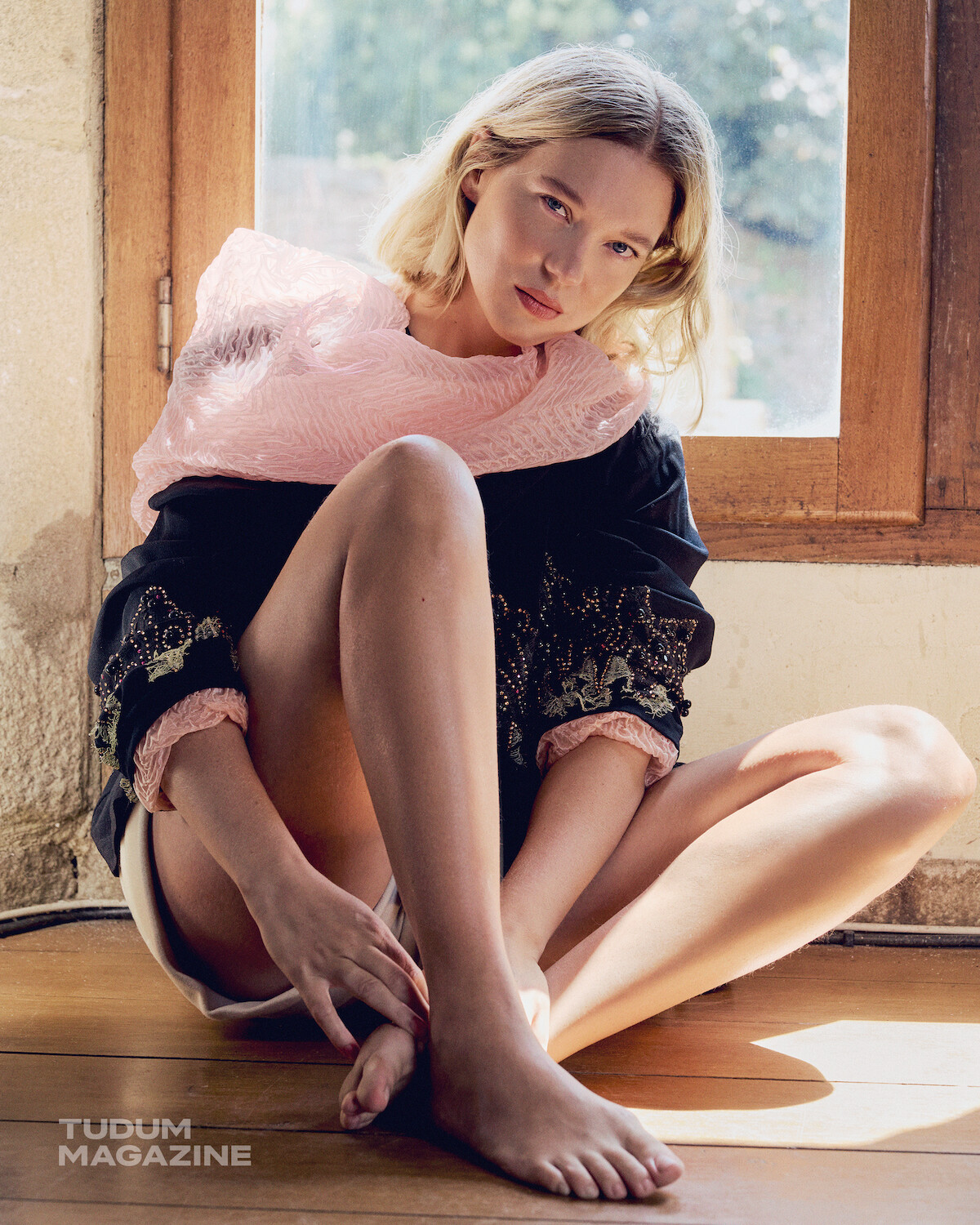
In addition to the technical training, Seydoux and Kreutzer spent time discussing the story’s inspiration. Seydoux explains that the two found affinités: shared affections, or common ground. Through rehearsals over a summer in Austria, the bond between the two deepened. And on set in France, Germany, and Austria, Kreutzer leaned into Seydoux’s openness to exploration. Kreutzer began throwing directorial curveballs to her actors in between takes. “Marie has this game where she gives you little notes on a piece of paper. You have to do the same dialogue, but with this new information, for example: ‘She’s your best friend’ or ‘You hate her’ in your mind. It was very playful.”
Exploring different techniques is intrinsic to Seydoux’s style of acting. “I don’t come from the conservatoire,” she explains. She didn’t attend a famous acting school, or work with any of Hollywood’s renowned teachers. She learned on the job, which started at the age of 18. “I have my own way, my own mixture.”
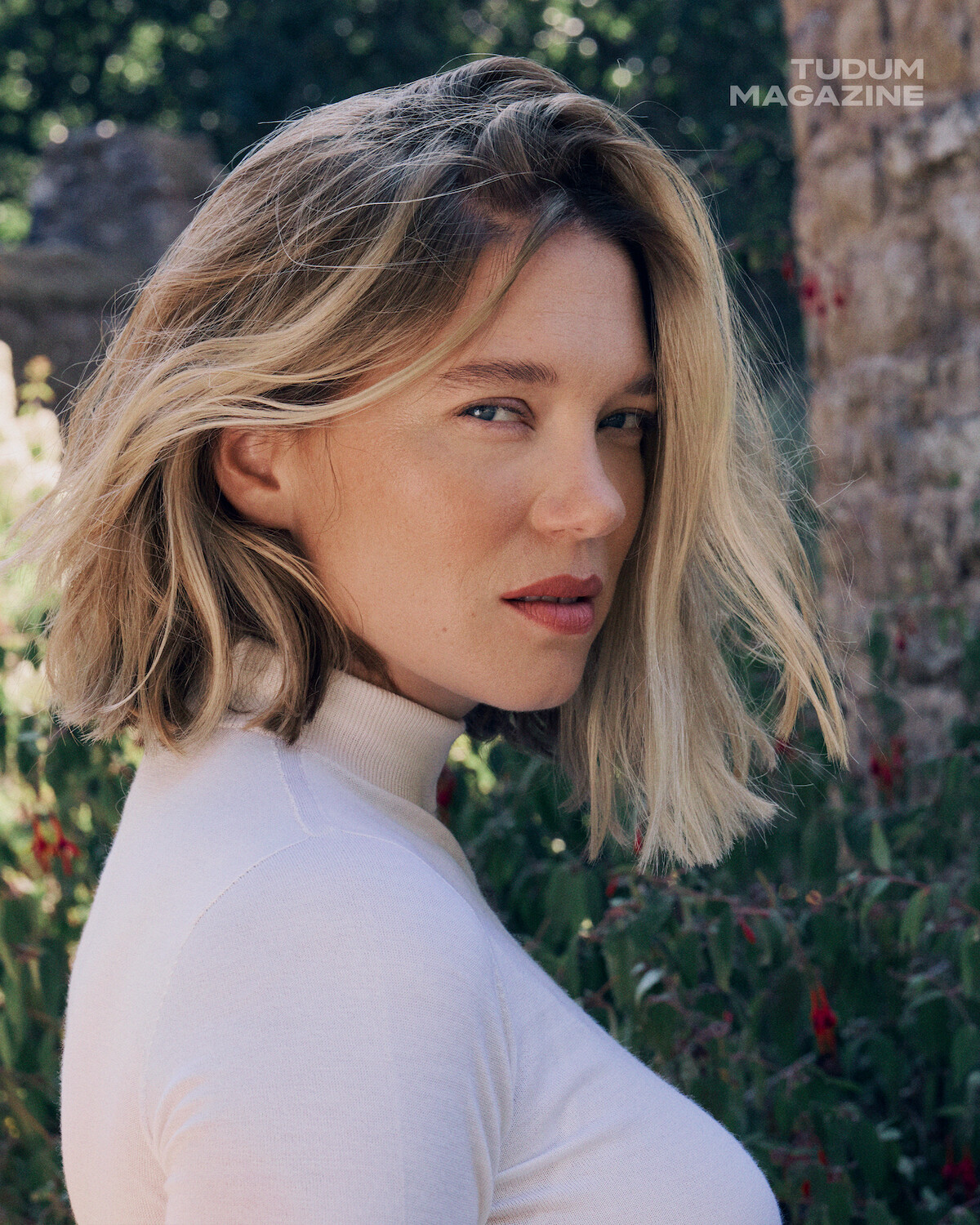
But being self-taught and deeply feeling is not without its challenges. “Because the thing is that when you act, you have to be connected to yourself.” There are no tricks for Seydoux to avoid the feelings. “Sometimes in the morning you’re like, ‘Oh, fuck, I have to do this scene.’ It’s so intense. It’s so hard.” She continues: “On Blue Is the Warmest Colour, because the director was kind of intense ... I remember one morning, when we had to do the scene when we broke up and I realized that she’s been cheating on me. ‘Oh my God, it’s going to be an awful day.’ Actually, it was more than a day. It was like a few days, because [the director] could spend several days in the same scene.” And while Seydoux admits the process is exhausting, she’s grateful for the ability to let it go when the cameras stop rolling. “When I do something, I’m really in it, but then I can go back to reality.”
It makes sense that directors like Wes Anderson and Yorgos Lanthimos clamor to collaborate with Seydoux repeatedly. Her work is, by her own admission, raw and unstudied. And as humble as she is, she’s also gained confidence in her craft. Seydoux appreciates the support around her — her fellow actors, the teachers who’ve taught her obscure musical instruments, and not least of all her directors who trust her. Marie knew when Seydoux was in her power. And at those moments she would say to her director, “Let me do my thing.”