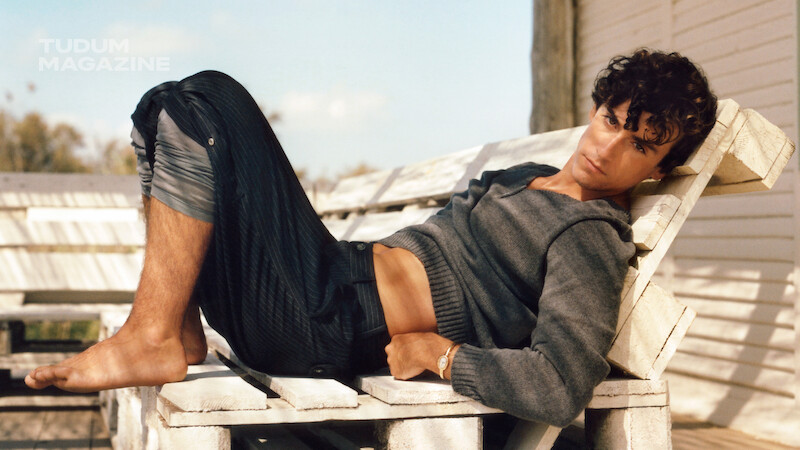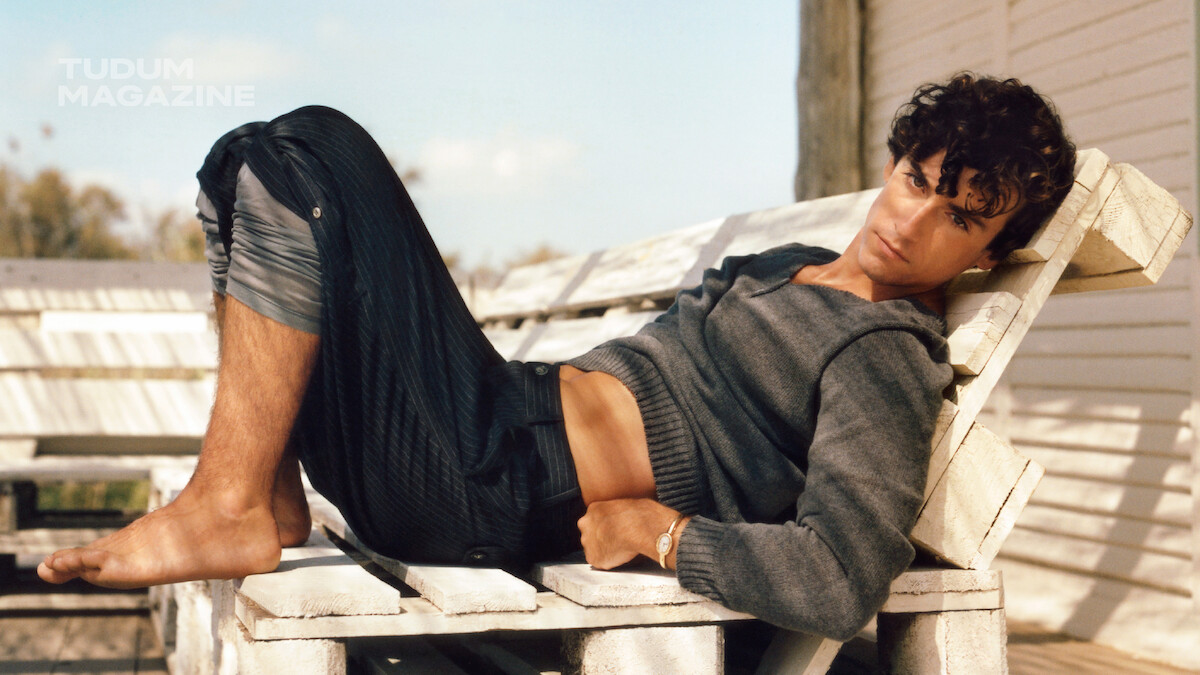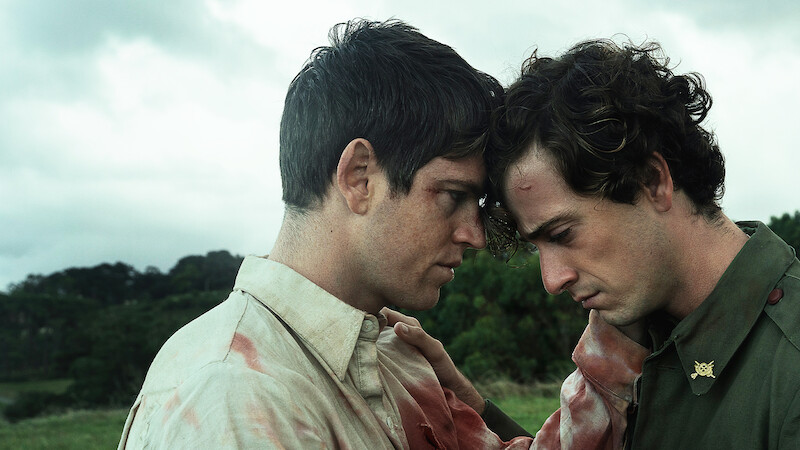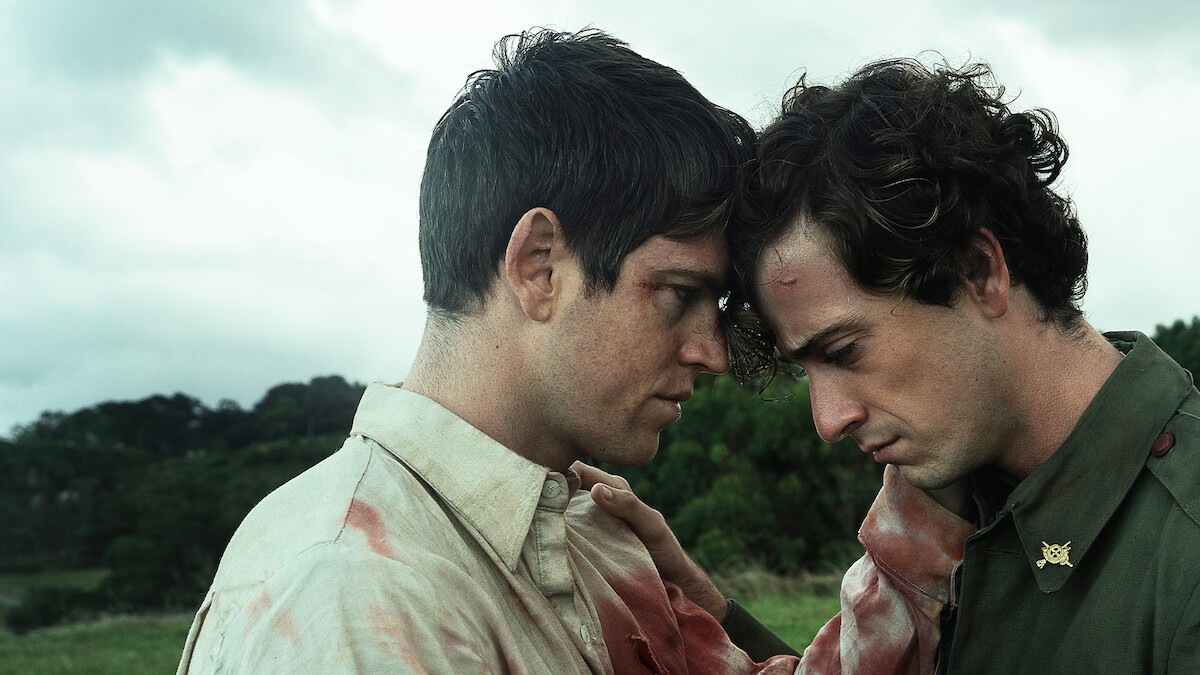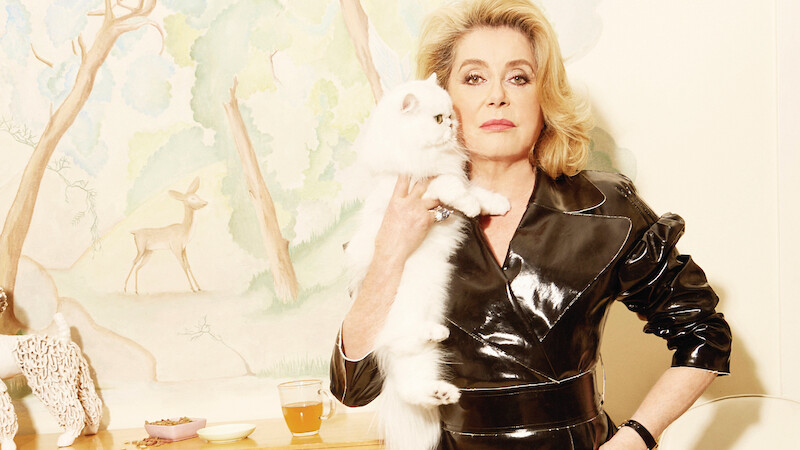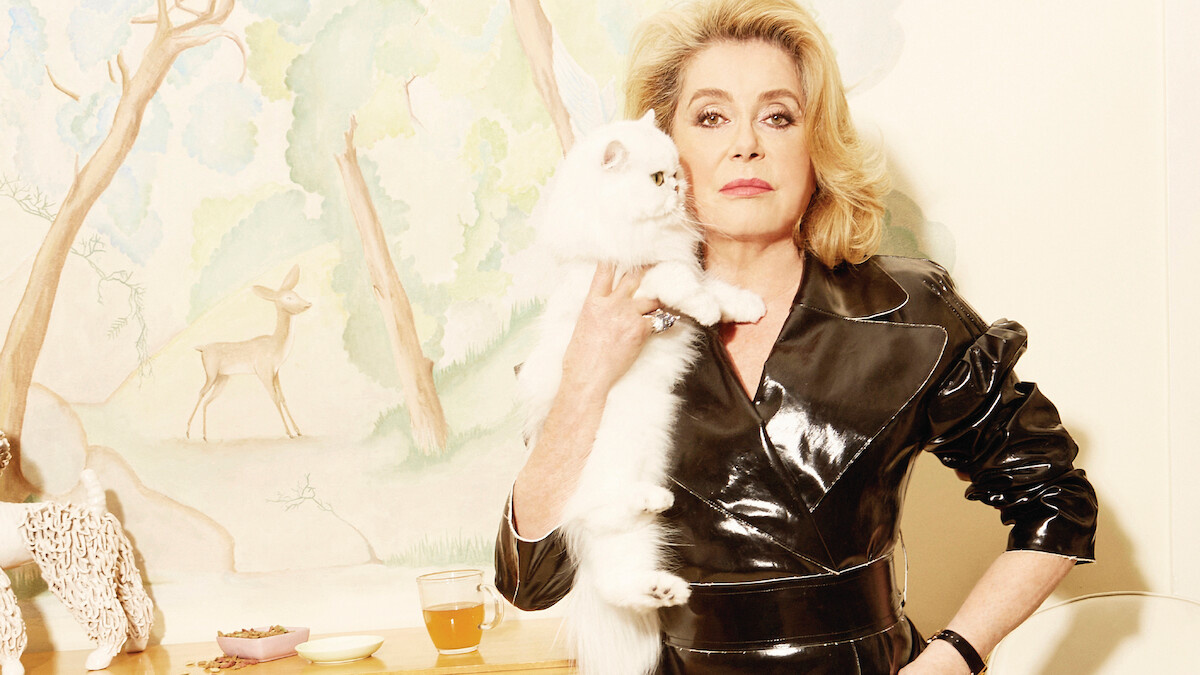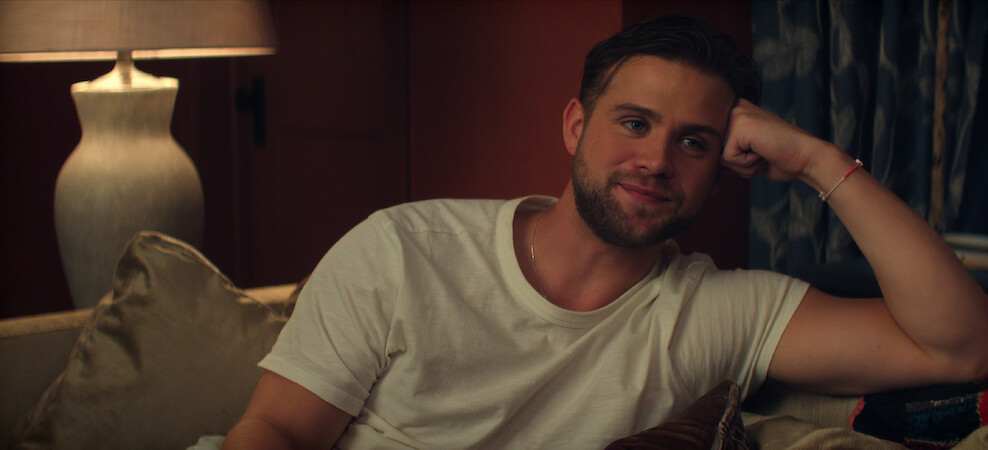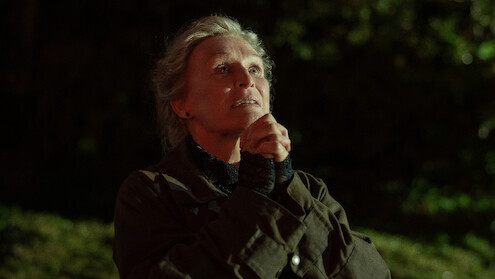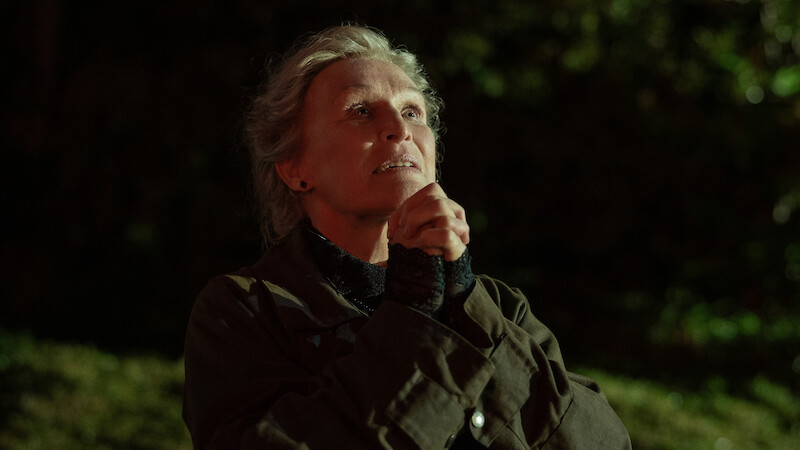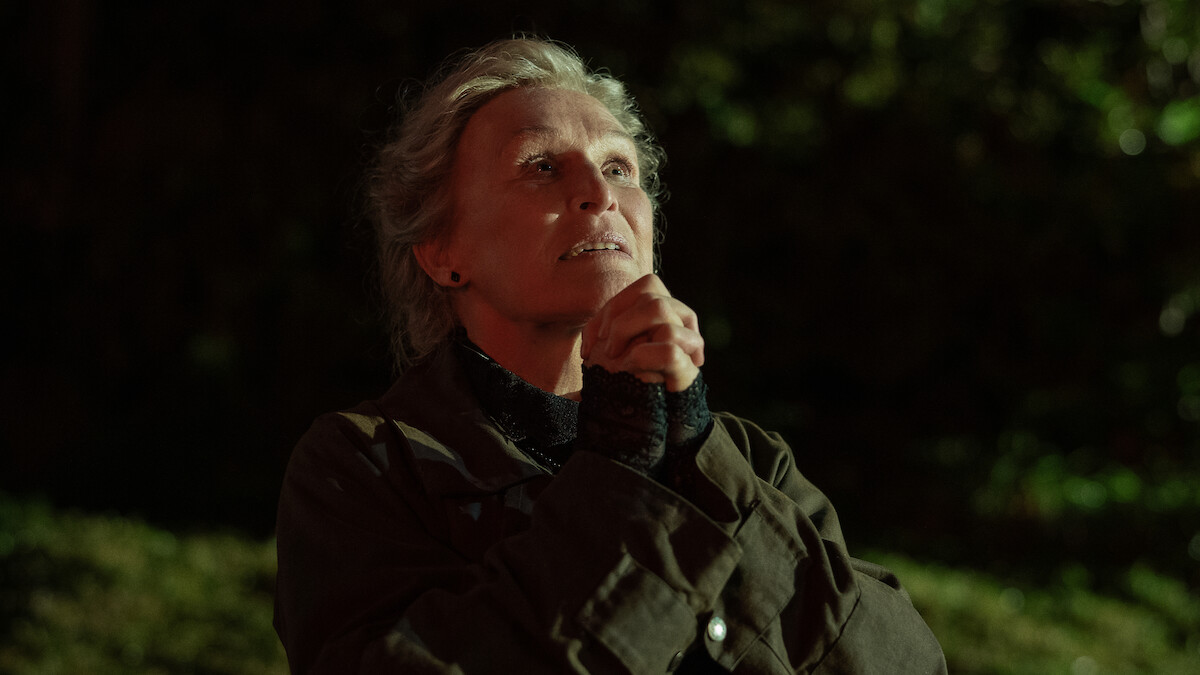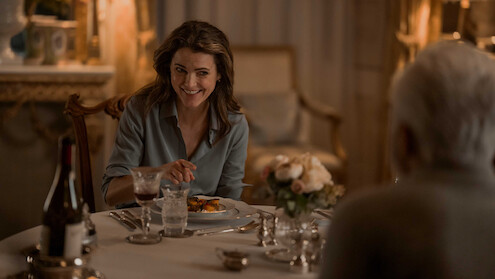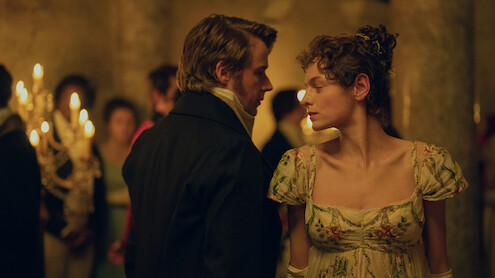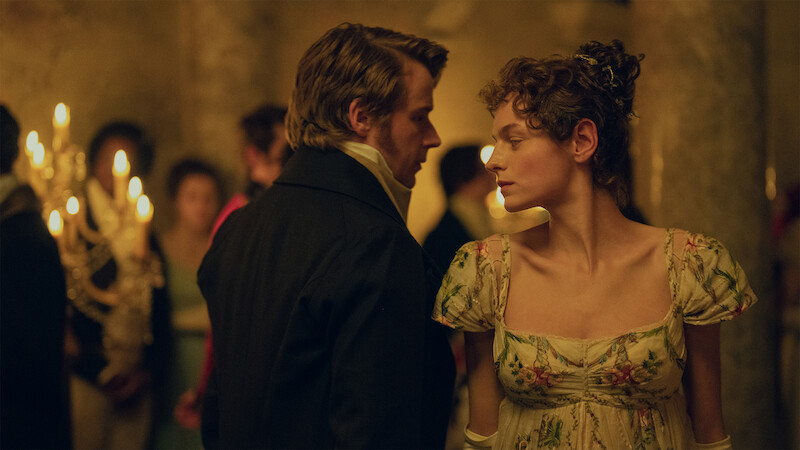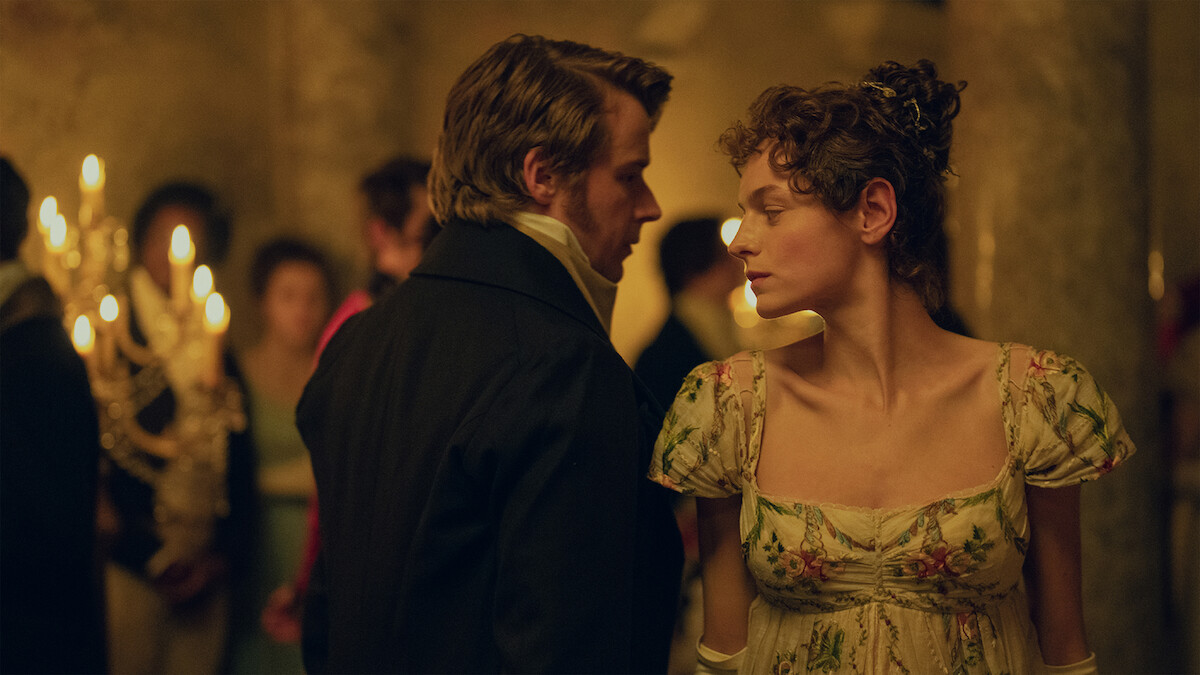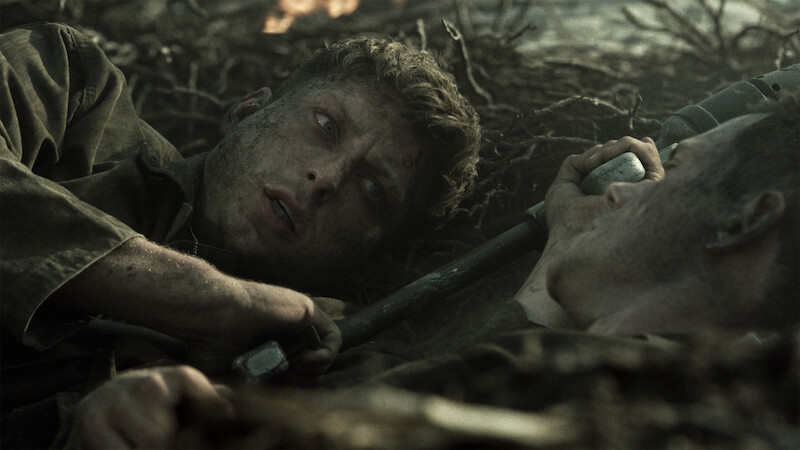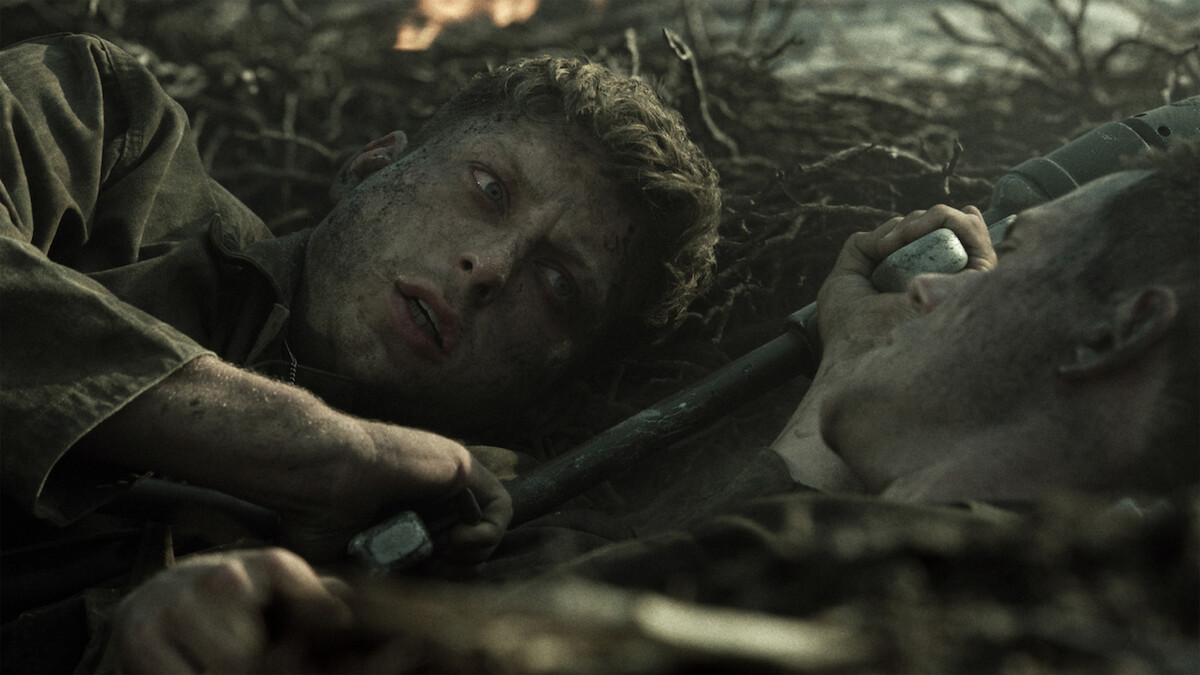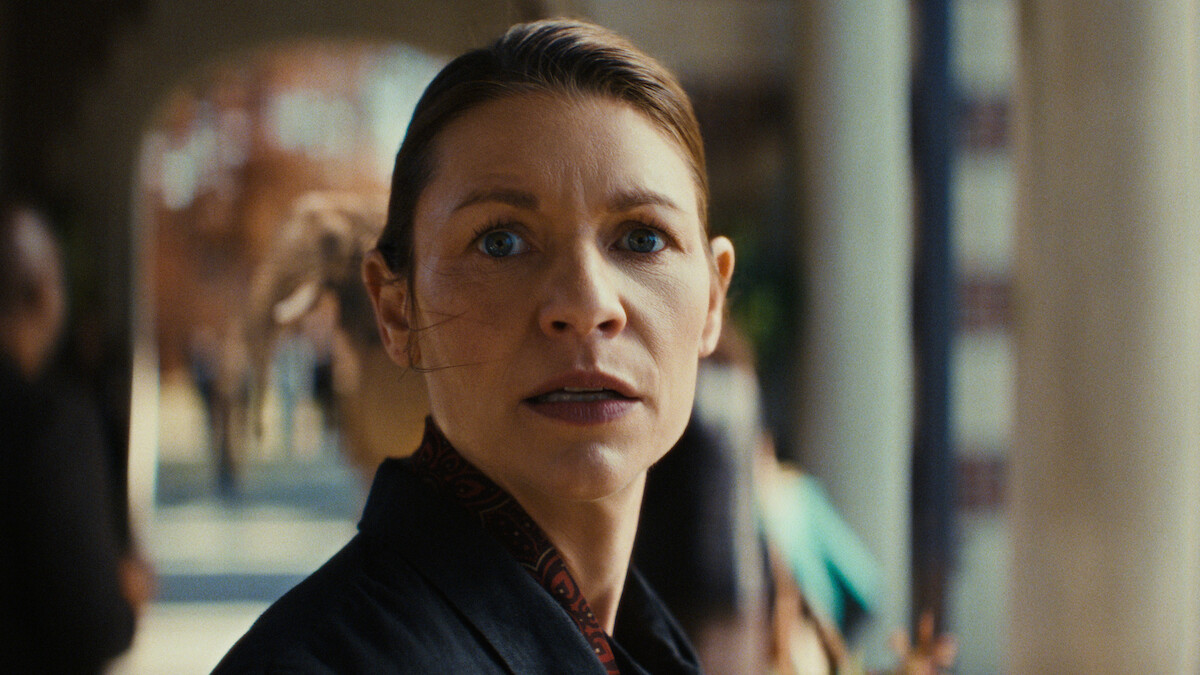

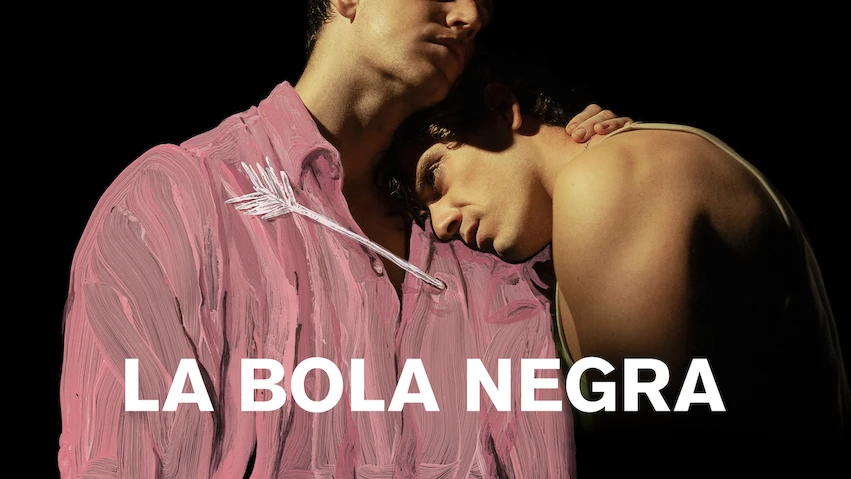
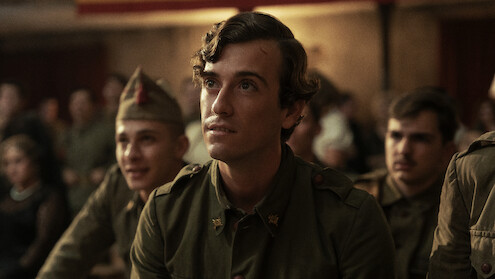
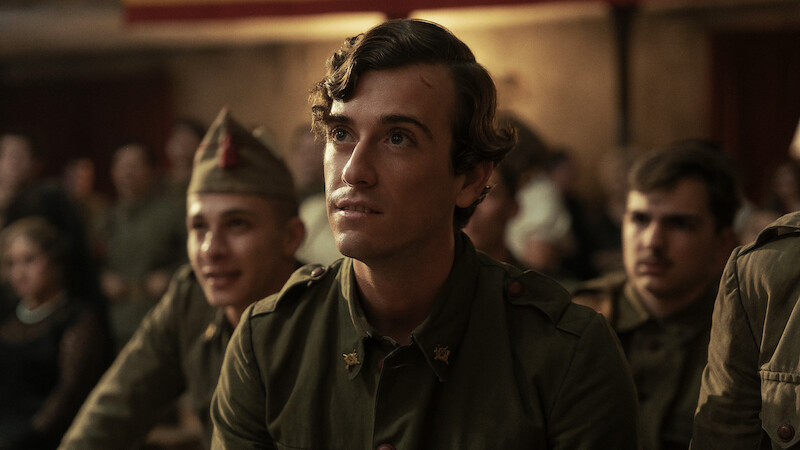
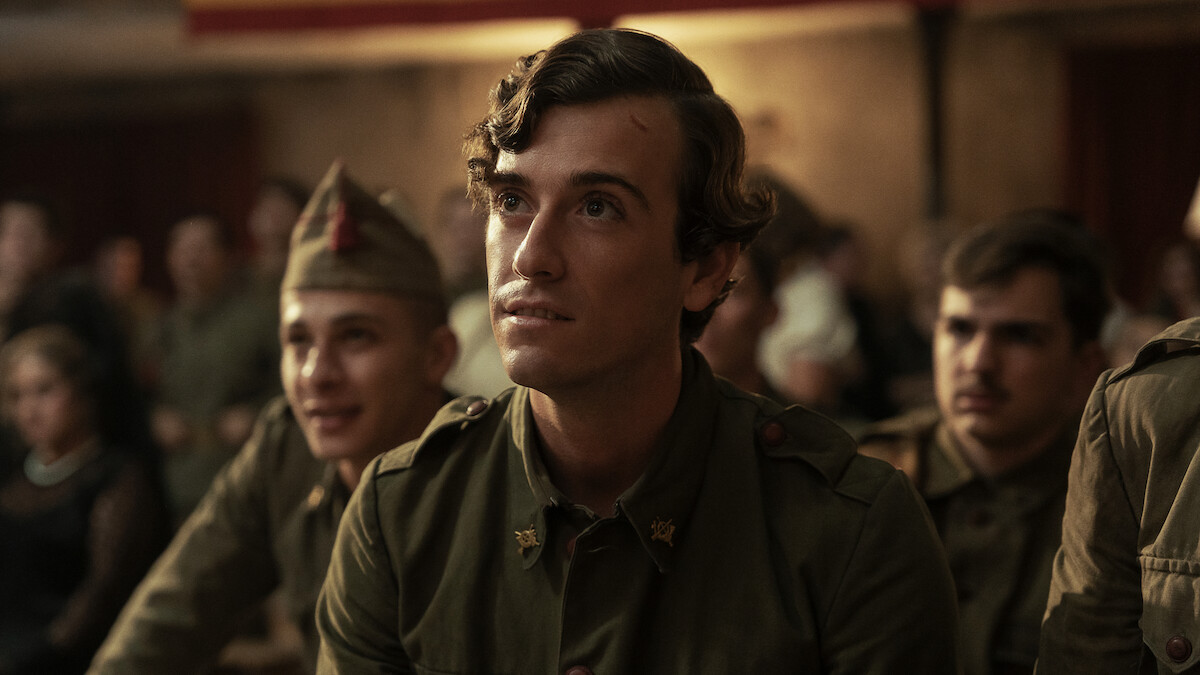
Guitarricadelafuente, Miguel Bernardeau, Carlos González, and more star in the new film from Los Javis.

Penélope Cruz admired Javier Calvo and Javier Ambrossi even before the Cannes-winning directors offered her the role in La Bola Negra that’s earning her acclaim and awards buzz at film festivals around the world. It all started over lunch, a long one that stretched several hours and left all three feeling like they had just become family.
“I was already a big fan of their work, and we had met, but very briefly here and there,” Cruz says on the Skip Intro with Krista Smith podcast. “And after five minutes at lunch, it was like we were brothers and sister. We were hugging. We were telling each other our deepest secrets.”
It turns out Ambrossi and Calvo, known as Los Javis in their native Spain, had a secret wish of their own: They wanted Cruz to play a pivotal role in their next film. “With Penélope, we just pitched it as ‘three gay guys connected by Federico García Lorca through time,’” Calvo says, referring to the Spanish poet and playwright whose legacy inspires all three of the film’s distinct timelines. “And suddenly someone said, ‘OK, Penélope wants to know if you have a role for her.’ She thought that sounded very interesting, because she’s kind of witchy and she knows things.” But they worried the part wasn’t substantial enough for an actor of Cruz’s caliber.
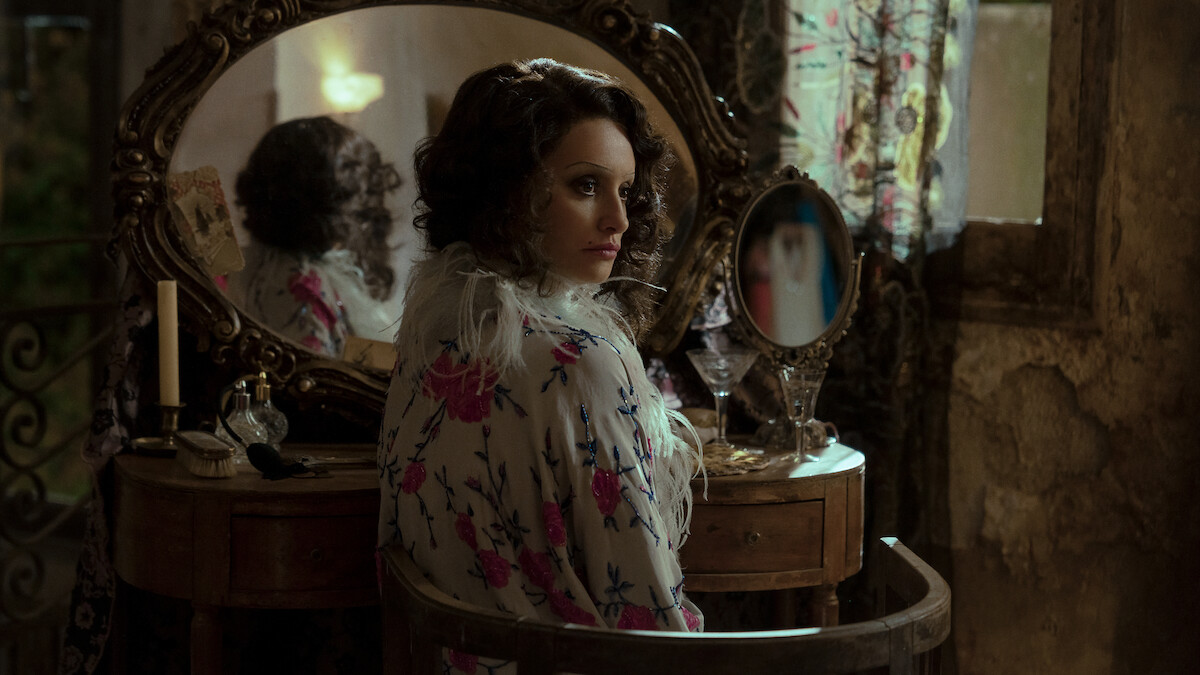
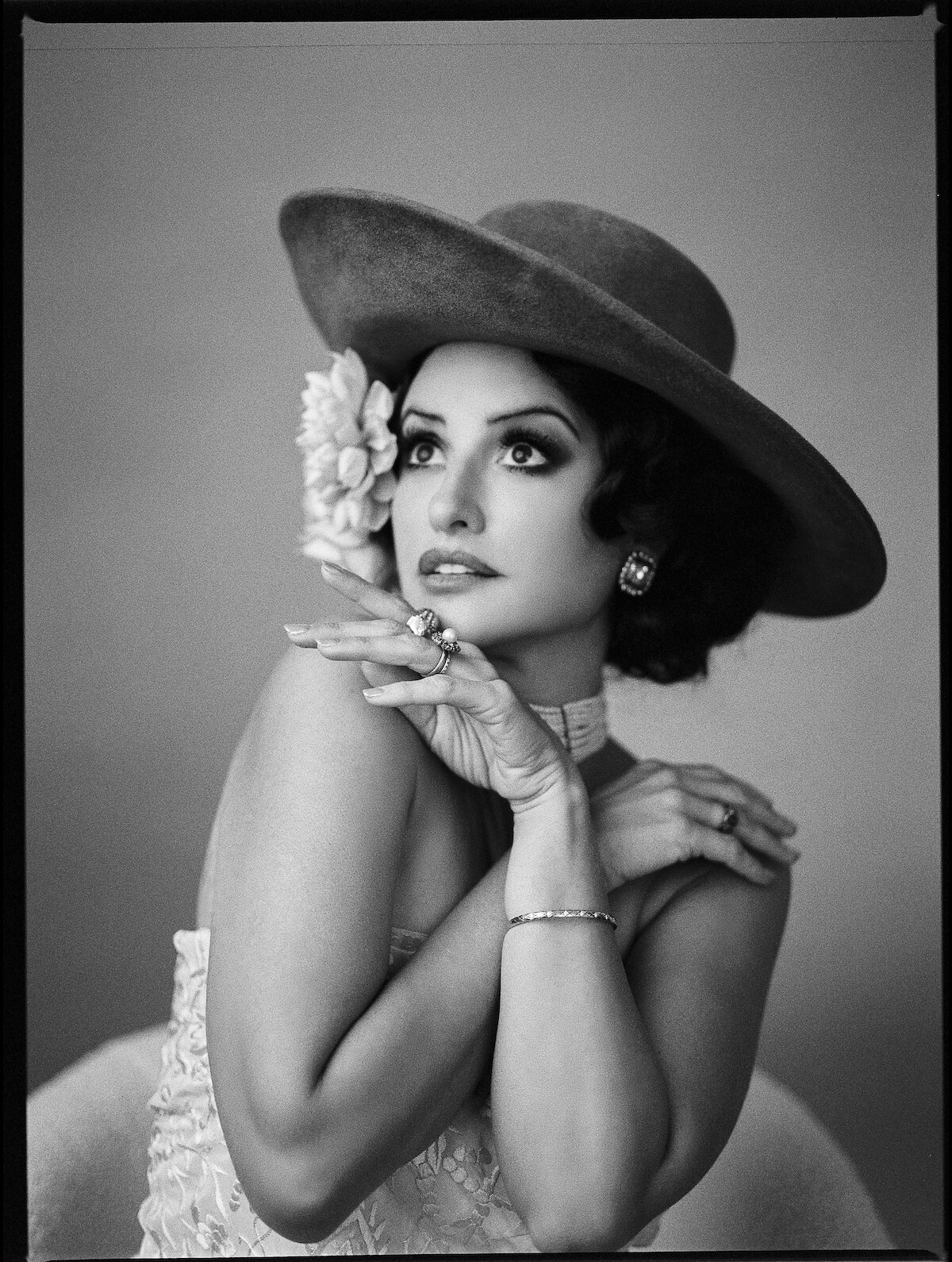
Penélope Cruz as Nené Romero in La Bola Negra
“It was a very small role, and when she wanted to read it, we were like, ‘Let’s make it as big as we can,’” Ambrossi says. “So we gave her two musical numbers. And when I sent her the script, she laughed. The next day, she said, ‘I will do it.’”
Cruz, who received a Best Supporting Actress Oscar for her role in Vicky Cristina Barcelona, assured Ambrossi and Calvo that they didn’t need to fret: “During that lunch, I said, ‘There’s no small or big character. What story do we want to tell together? Please don’t ever worry about sending me something even if it’s just one page. I don’t judge things that way,’” she recalls. “They sent it to me, and it was even more than I expected. It was a perfect script, and it’s really hard to find material like that. And I fell in love with Nené Romero and what she represents.”

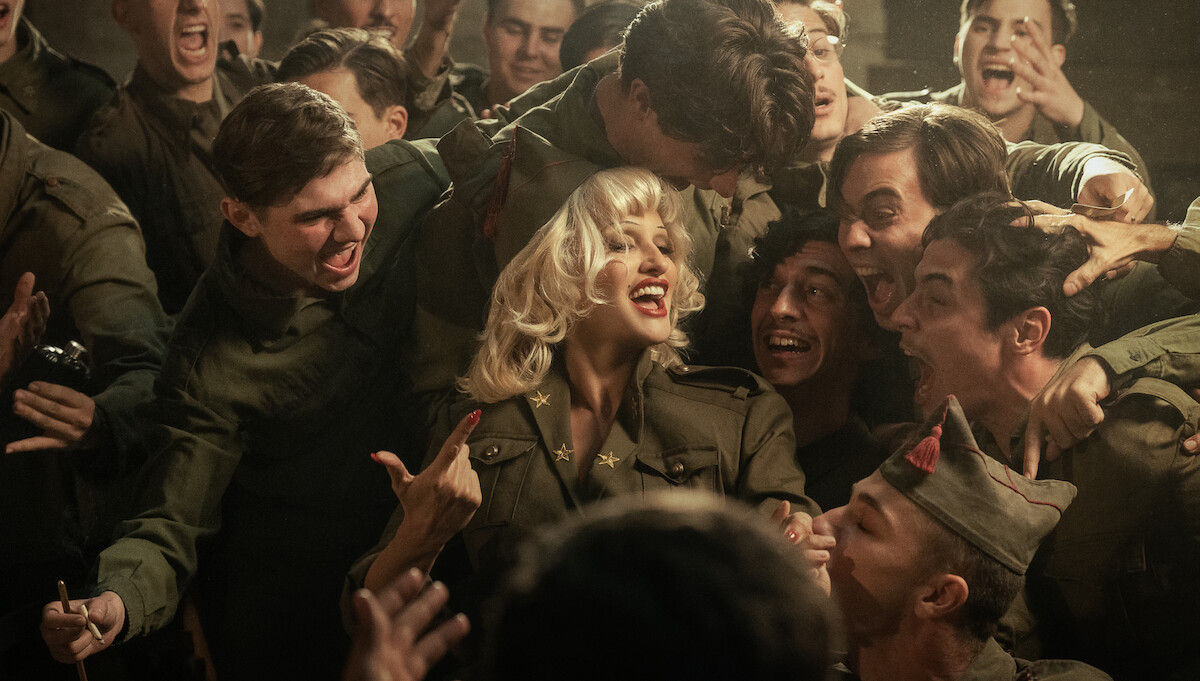
As Nené in the film’s 1937 storyline, Cruz burrows deep into a character whose rollicking song-and-dance routines mask a far more complicated reality. Nené is a cupletista, a cabaret singer, who entertains rowdy fascist soldiers during the Spanish Civil War while hiding her own political ideology. Even as Nené strikes a familiar pose — with Marlene Dietrich’s pencil-thin eyebrows and Édith Piaf’s joie de vivre — the role was written to transcend time, place, and even those influences.
“The character of Nené had a very interesting particularity: She was not meant to belong to a specific era, but to be a mix of references from different decades,” says Mariló Osuna, the film’s makeup designer. “The inspiration came from the imagery of cupletistas and variety performers from the first decades of the 20th century, understood not as a literal re‑creation but as a starting point to build a unique, timeless character.”
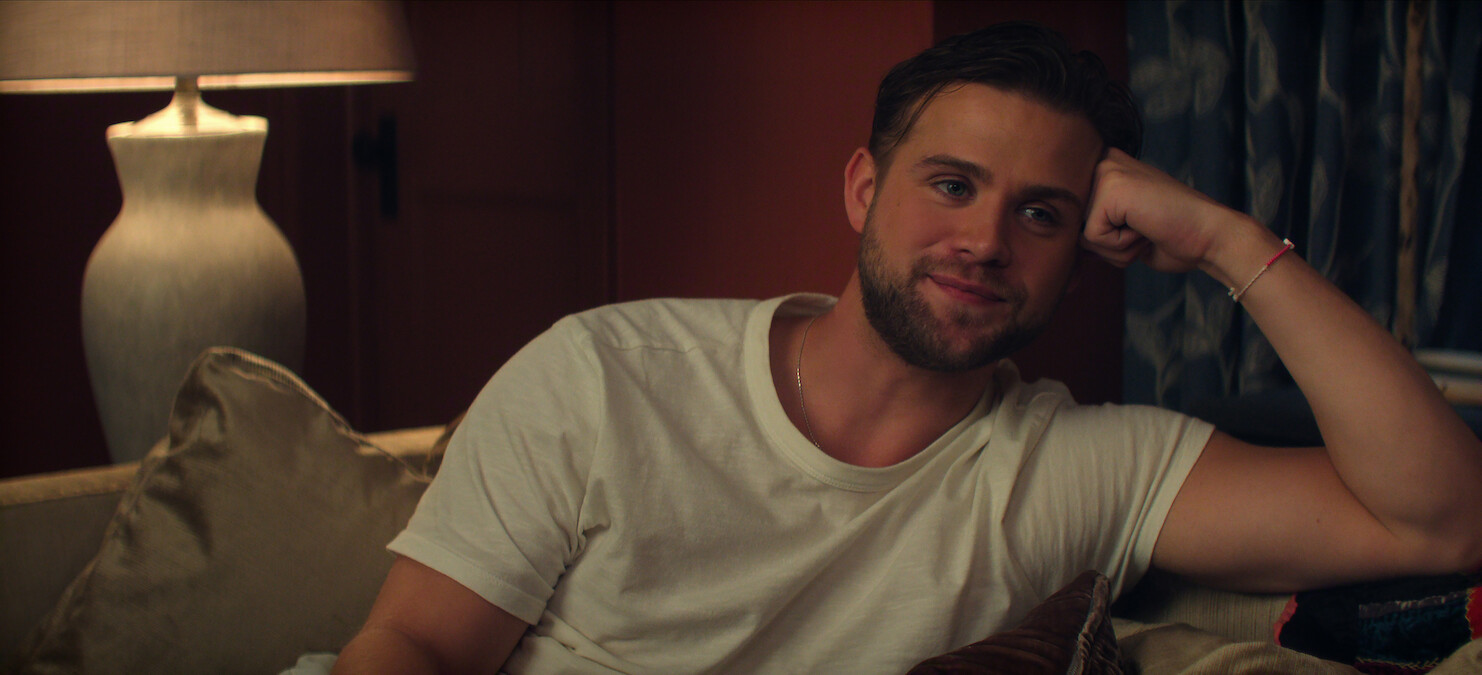
Nené has a particularly powerful connection with Sebastián (played by Spanish singer-songwriter Guitarricadelafuente in his film debut), a conflicted musician who sees in her a kindred spirit. “For people with Sebastián’s sensibility, Nené shows them that there is something else in the world, a place where they can be themselves, and that there are people who are fighting to keep dreaming. Nené represents that,” Cruz says. “That’s why it was so important for me to play her, because there have been so many people in my life who represented that for me. And it was always through art, always connected to art.
“That’s what Nené does with her singing and dancing,” Cruz continues. “She’s there to entertain the soldiers, but it’s much more than that. Because for some of them, she represents hope that the horror doesn’t have to continue and that there is a possibility of a time and a place where they can be themselves.”
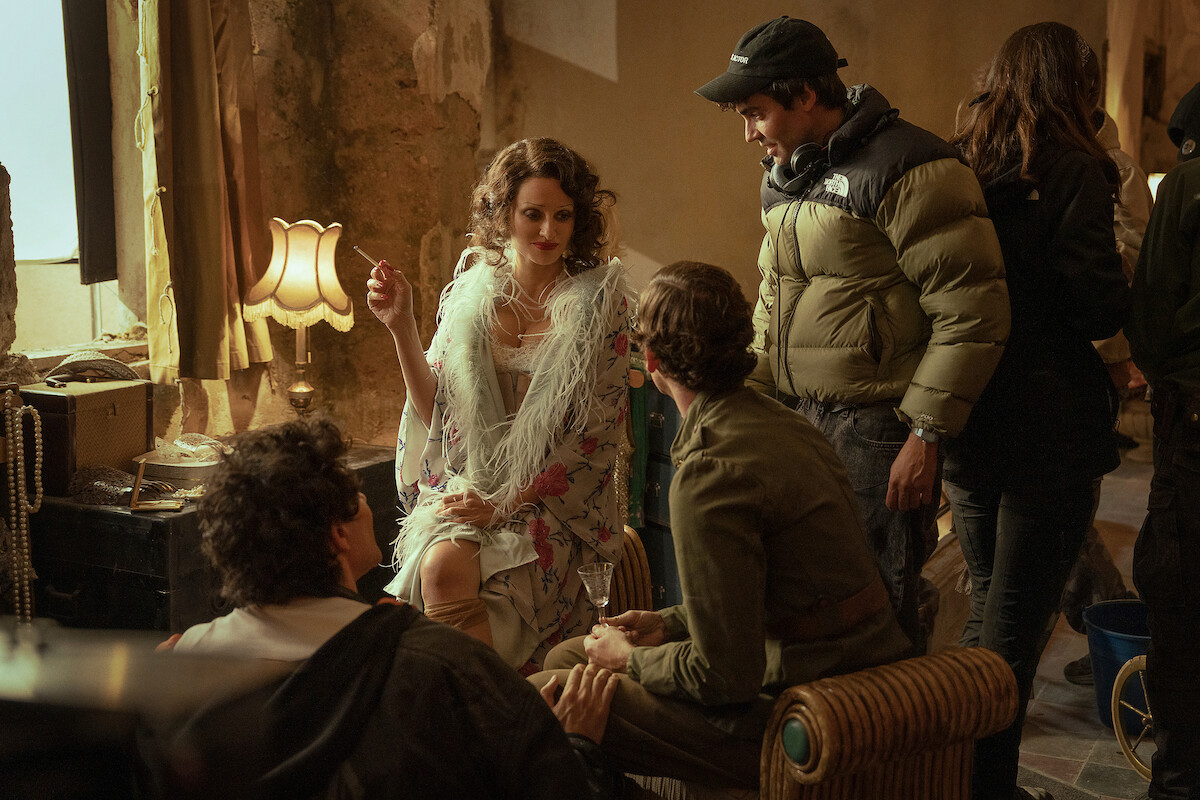
Cruz on set with Javier Ambrossi, Javier Calvo, and Guitarricadelafuente
True to Cruz’s assertion that it wasn’t a minor role, Nené demanded the actor’s full attention through months of preparation. “It was just a few days of shooting, but then when you read the script, you realize it’s two musical numbers, completely different from each other, which have to be sung in very different ways with different choreography,” she says. “And that was paradise for me.
“It was so scary, because singing is always very scary for me. I only did it once before in the movie Nine [2009],” she adds. “I had great teachers on this film, and we were working for three or four months and also working a lot on all the choreography. Every time I get an opportunity to dance in a film again, after my dance training in my childhood and teenage years, it’s great to be able to use that for a character.”
Cruz believes that even though the film is a nuanced portrait of Spanish history, its lessons ripple far beyond her homeland. “I think people of all generations get inspired by it. In reality, this film doesn’t give you any kind of lecture but brings up the right questions. It’s about the heart. It’s about humanity. It’s about seeing each other, respecting each other, allowing the other person to be themselves,” she says. “I love that about this movie, that young people will connect to it just as somebody who’s 90 years old will also be very emotional about it. And it gives me a lot of hope. I’m so proud to be a part of it.”
The feeling is mutual for Calvo and Ambrossi. “Having Penélope in the film was everything we dreamed of, because we wanted to do this big, epic gay drama with gay people leading the cast,” Ambrossi says. “And Penélope was like, ‘I’m on board with that.’”
Watch Penélope Cruz on Skip Intro exclusively on Netflix or listen wherever you get your podcasts.