

Deep Dive
Danny Boyle’s Zombies Are Back 28 Years Later
Aaron Taylor-Johnson and Jodie Comer star in the film penned by Alex Garland.
By Ingrid Ostby
Sept. 30, 2025
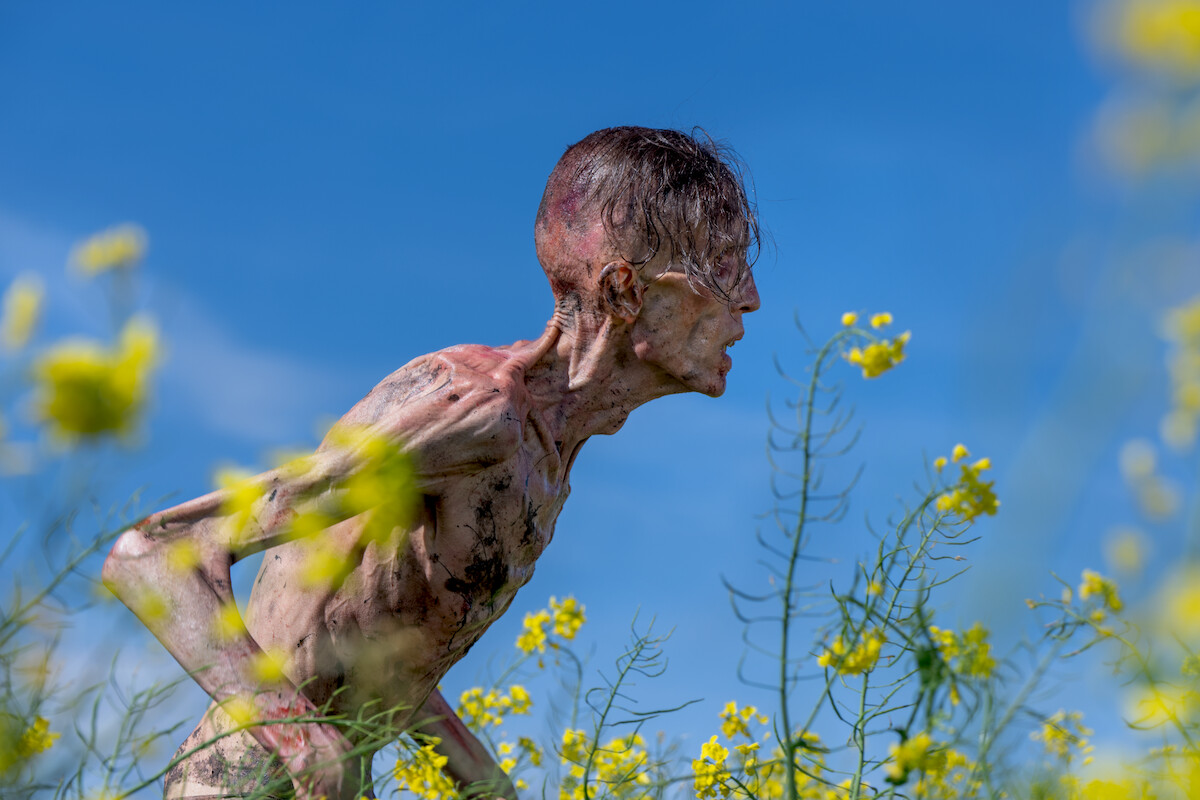
At the beginning of the millennium, Trainspotting director Danny Boyle’s film 28 Days Later (2002) was released. It featured a young Cillian Murphy (of the upcoming Netflix film Steve) as a bike courier who wakes up from a coma to find that a virus has wiped out nearly everyone. What’s left is a population of aggressive, virus-stricken people called “the infected.” The post-apocalyptic horror film ushered in a slew of zombie films and TV shows in the decades to come.
Among them was its sequel, 28 Weeks Later (2007), by director Juan Carlos Fresnadillo. The movie follows a crew, including Robert Carlyle, Rose Byrne, and Jeremy Renner, left stranded by the Rage Virus just six months or so after it struck.
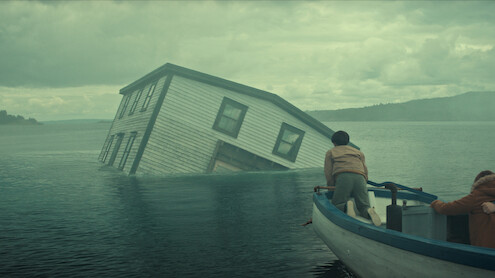
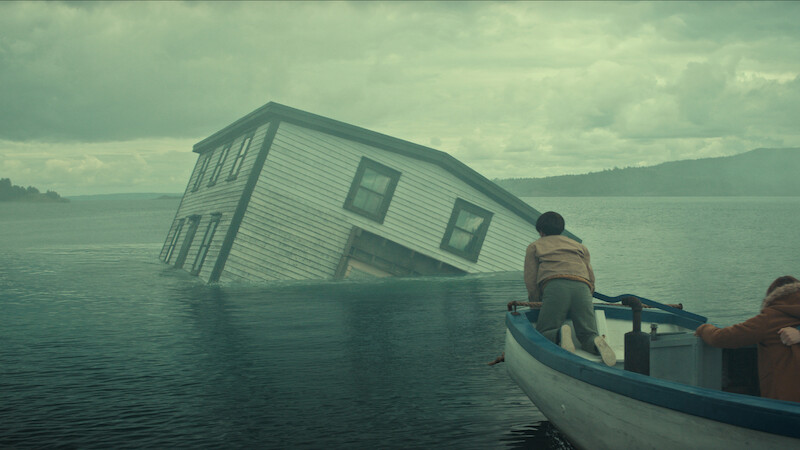
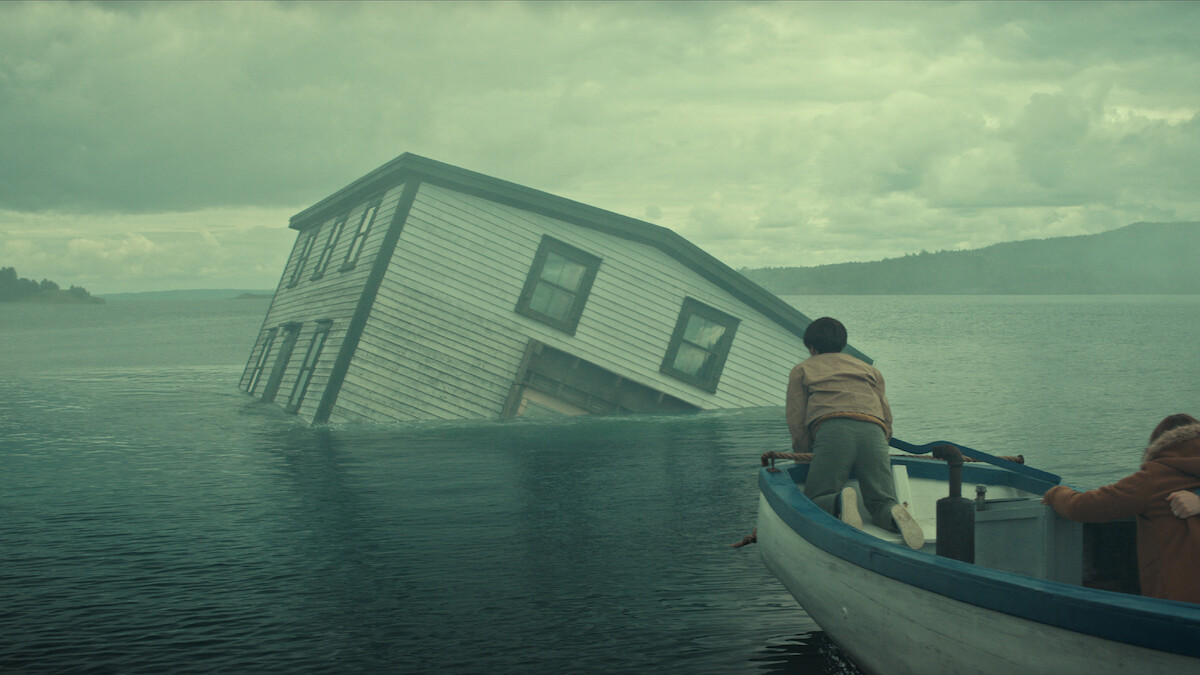
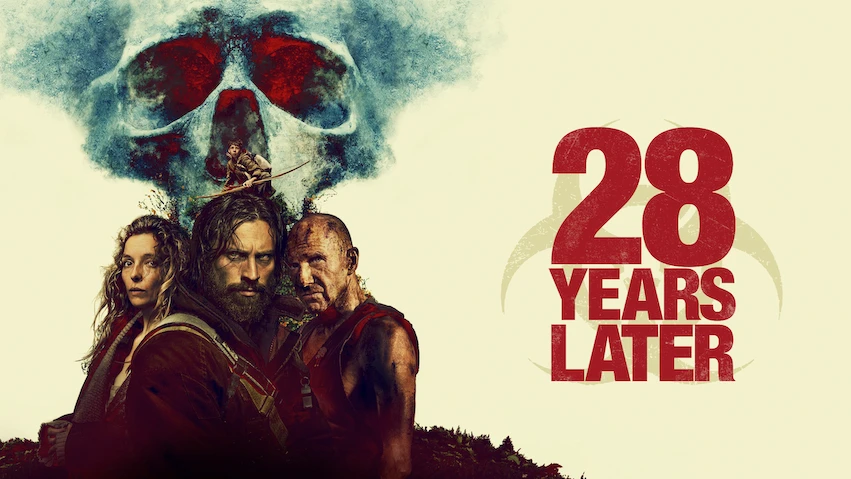
Now, more than two decades since Boyle’s first installment, we’ve been gifted 28 Years Later. It’s the first time Boyle and Garland have collaborated on a film since 2007’s Sunshine. The filmmaker brought in Aaron Taylor-Johnson, Jodie Comer, Ralph Fiennes, and newcomer Alphie Williams to star in his take on the aftermath. Set on a remote English island, the horror movie stars Taylor-Johnson as a father preparing his young son (Williams) how to survive in this relatively new world order, where the infected roam just beyond their shores. If you didn’t catch it in theaters, don’t fear (or at least not until you watch it), because, hey, it’s available to stream now.
You can watch it on Netflix now included in your Standard or Premium plan.
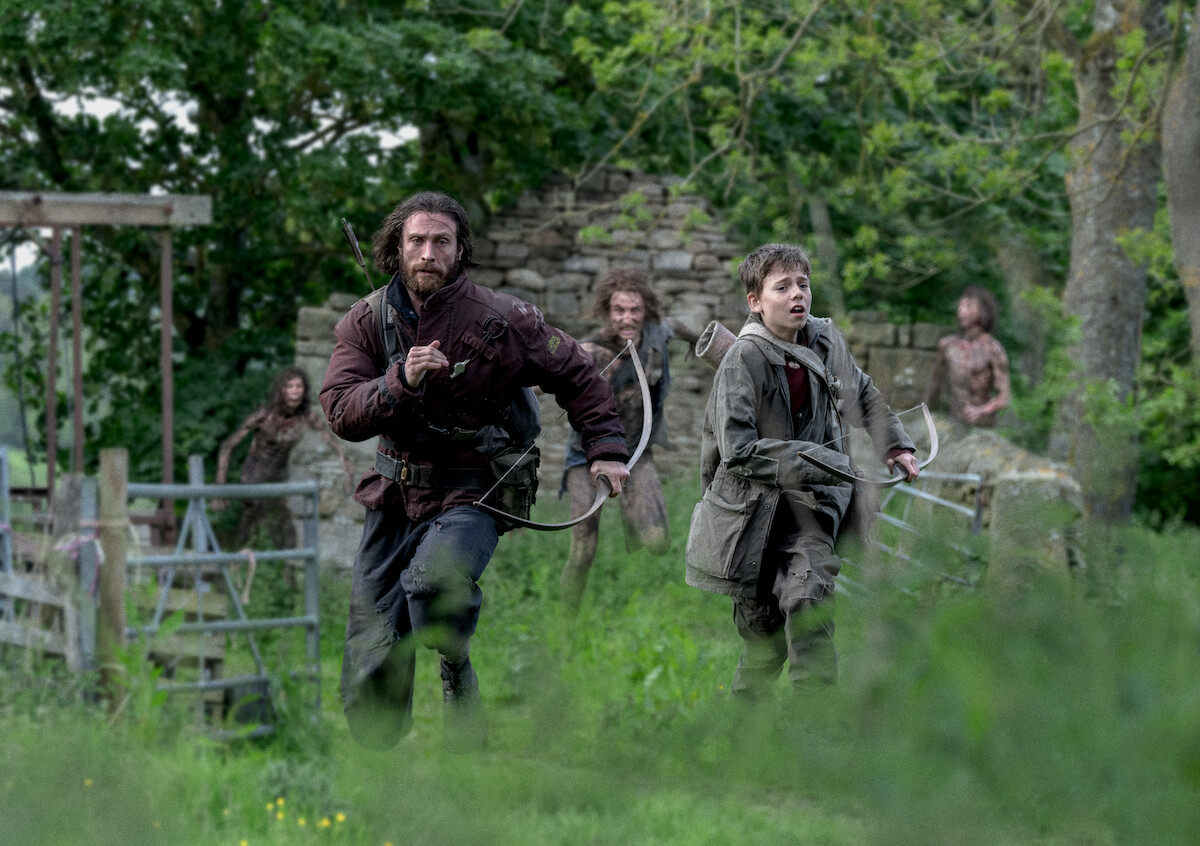
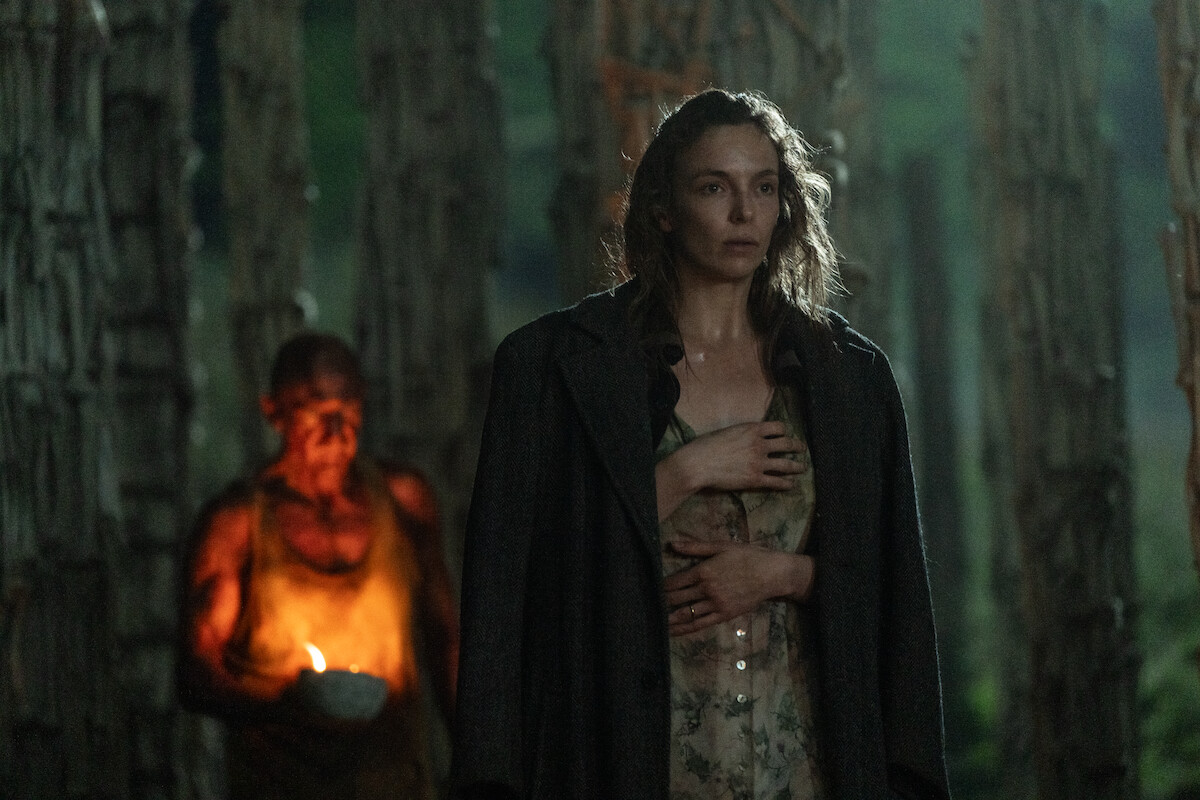
The movie is set on Holy Island off the coast of England, and the remote area of mainland England that it’s connected to via causeway.
The movie was filmed across England at locations like Holy Island, aka Lindisfarne, in Northumberland; North Yorkshire; Somerset; County Durham; and Tyne and Wear. It was also, notably, shot on modified iPhone15s.