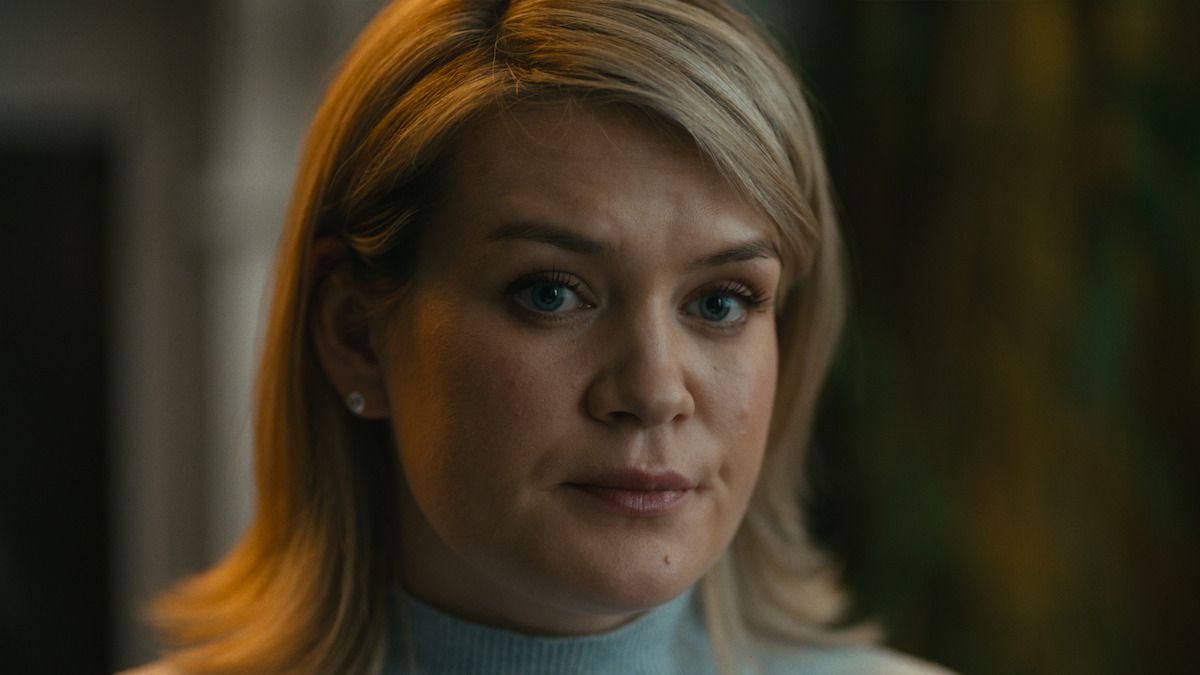
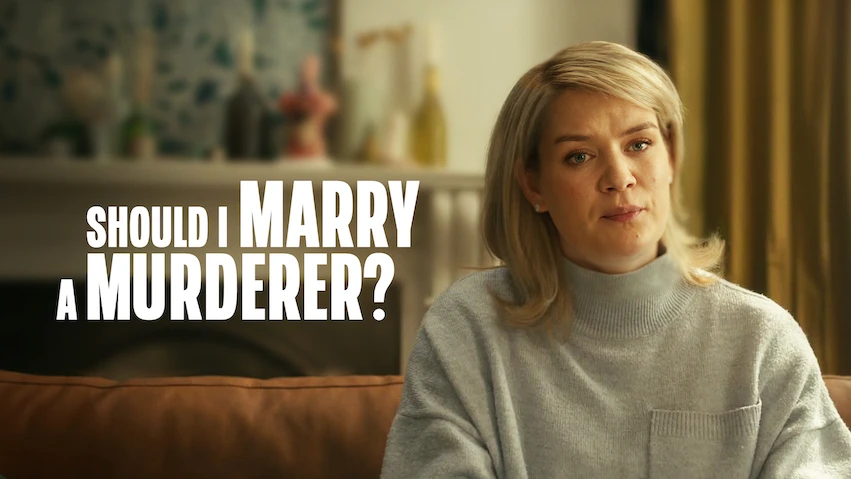
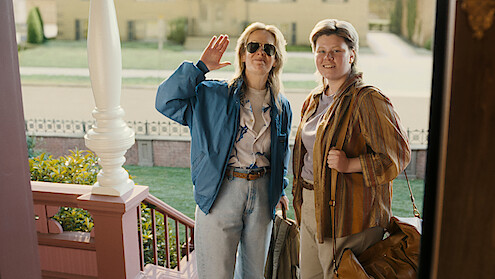
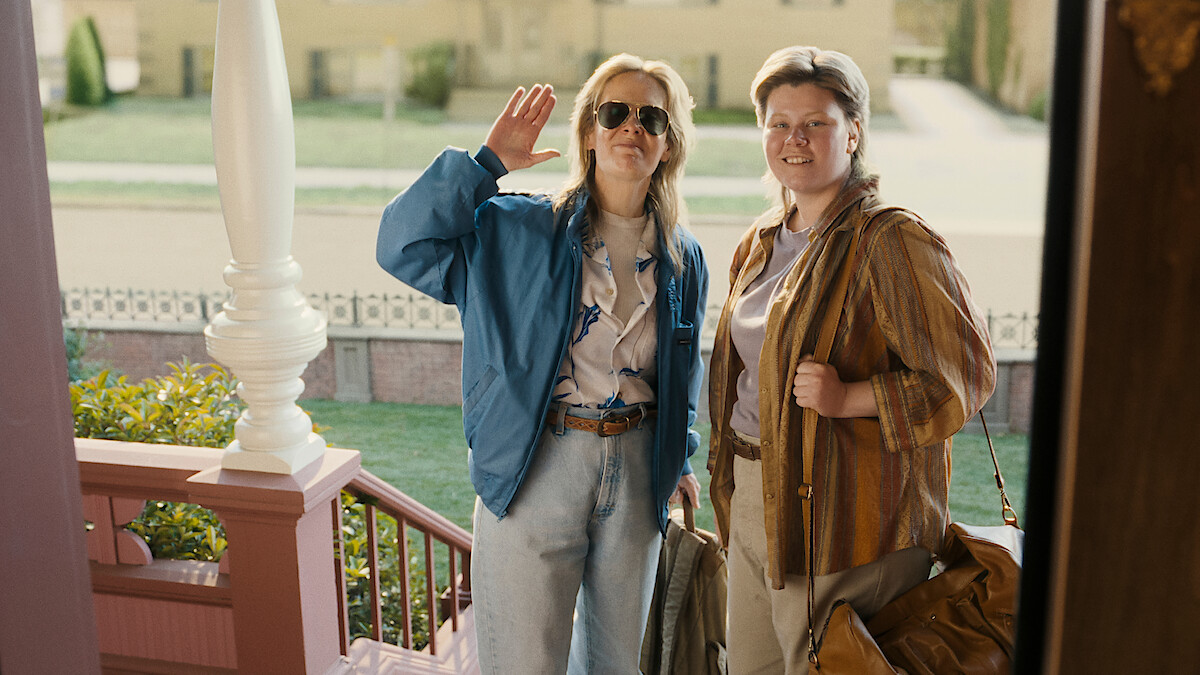
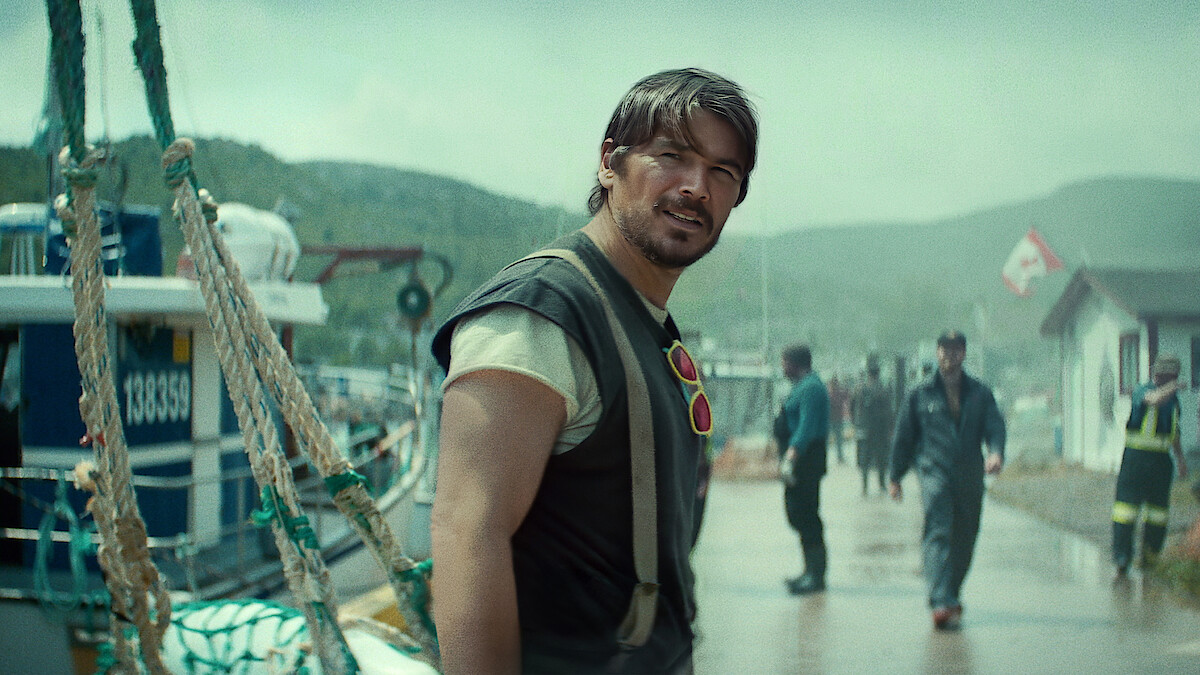
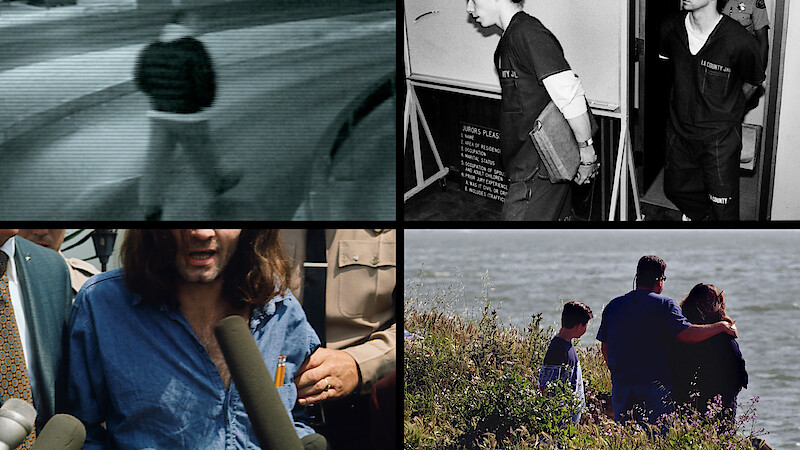
Caroline Muirhead is swept up in a whirlwind romance from the instant she meets outdoorsman Sandy McKellar. When the two get engaged soon after, Sandy reveals a terrifying secret: Three years ago, he killed someone. Struggling to cope with the news, Caroline must face an unthinkable predicament: keep the murder a secret forever or put the love of her life behind bars. Directed by Josh Allott (The Man with 1000 Kids), the documentary series Should I Marry a Murderer? features exclusive interviews with Caroline, her friends and family, and lawyers and investigators on the case. The three-part documentary also includes never-before-seen footage from Caroline’s personal archives.
The series “explores the moral dilemma at the heart of this story,” Allott says about the project. “Do you choose to keep that secret and live with the awful consequences or reveal it and destroy the person you love and everything you’ve hoped for?”
When will Should I Marry a Murderer? be released?
Stream all three episodes now.
Where can I find the trailer for Should I Marry a Murderer?
Watch it at the top of this page.
Who’s interviewed in Should I Marry a Murderer?
- Dr. Caroline Muirhead, a forensic pathologist from Glasgow, Scotland
- David Green, former head of homicide and major crime for Scotland’s Crown Office and Procurator Fiscal Service
- Charles Blackbourne, a bartender and the last person to see Tony Parsons alive
- Stephen and Margaret Muirhead, Caroline’s parents
- James O’Kelly, Caroline’s friend
- Lorna Dawson, forensic soil scientist
- Greg Bryce, former police officer
- Frances McMenamin, consultant legal advisor for the Scottish Criminal Cases Review Commission
- Brian McConnachie, defense counsel for Sandy McKellar
- Mike Wade, senior reporter for The Times
The following contains major character or plot details.
What happens in Should I Marry a Murderer?
After getting out of a nearly decade-long relationship, a forensic pathologist in Glasgow named Caroline meets rugged game hunter Sandy on Tinder. When she drives out to the Scottish Highlands to meet him for their first date in October 2020, she’s immediately swept off her feet. Just a few months after that first meeting, Sandy proposes. Caroline joyfully accepts and disregards concern from her friends and family about the relationship moving too fast. After the engagement, Caroline makes a fateful request: “If we’re going to get married, you need to be able to tell me everything you’re proud of, and you need to be able to tell me everything you’re not proud of.” Caroline’s request results in Sandy confessing to an unthinkable crime. Three years prior, on Sept. 29, 2017, Sandy was driving home from a party with his twin brother, Robert, when he hit a cyclist, who he said died upon impact. Out of fear and panic, the brothers buried the body on the 28,000-acre farm where they lived and worked.
Later, Caroline discovers who the cyclist was: a man named Tony Parsons, a veteran and cancer survivor whose family was still searching for him. Caroline knows she needs to turn Sandy in to the police — but Sandy soon asks her to help him move the body. The owner of the estate is planning to build condos and will be excavating the land where Parsons is buried. When they get to the area, Caroline covertly marks the spot, then reports it to the police. Sandy and Robert are arrested a few days later but — to Caroline’s shock — are released soon after. Police say there wasn’t enough evidence to charge them.
What follows is a months-long struggle for Caroline: She must maintain her relationship with Sandy until there’s enough evidence to put him away — for good. As her mental health deteriorates amid the lack of support from local authorities, she attempts to get Sandy’s confession on the record. “When I came forward in December 2020, I trusted that the system would keep me safe when I was at my most vulnerable, but that wasn’t my experience,” Caroline says of the project. “I hope, by speaking out and sharing what happened to me, we can start an honest conversation about greater protection for victims and witnesses — and why a far deeper understanding of mental health within the police and court system is so desperately needed.”
Where are Sandy McKellar and Robert McKellar now?
In 2023, Sandy McKellar pleaded guilty to culpable homicide and was sentenced to 12 years in prison. Robert McKellar was sentenced to five years and three months for obstruction of justice. Both brothers are currently serving out their sentences.
Where is Caroline Muirhead now?
After the sentencing, Caroline — who had struggled with substance-use issues to cope after Sandy’s revelation — moved to the seaside. She became sober and is focused on rebuilding the bonds with loved ones that were fractured during her engagement. She’s now in a committed relationship.
Allott says Caroline’s bravery in coming forward — not just to the police but also in the documentary — “can’t be understated.”
“Making the documentary meant revisiting the darkest of times, and none of that was easy,” Caroline says. “But it has also been a cathartic experience. For the first time in several years, I now have hope for the future and the freedom to begin the next chapter of my life.”