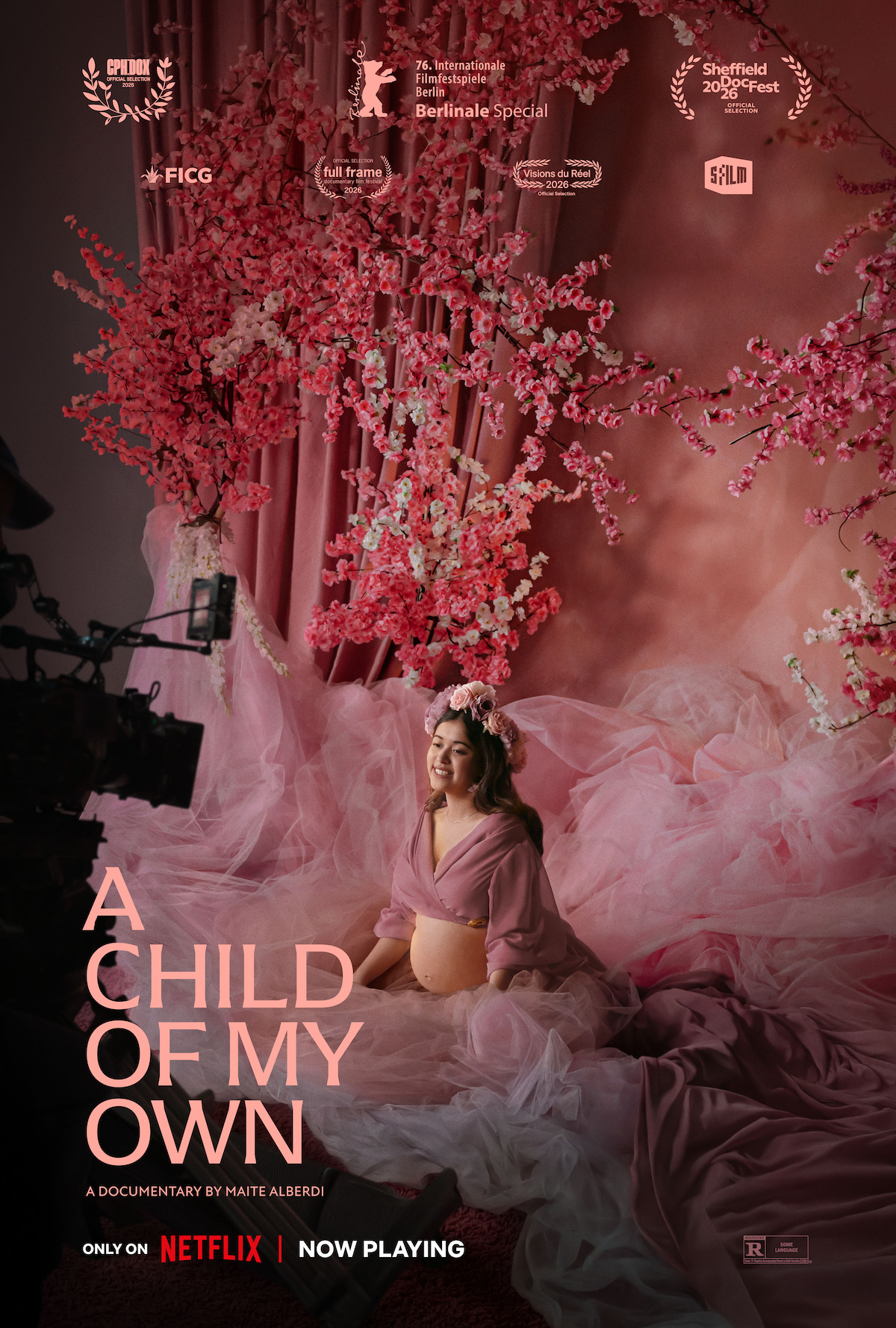
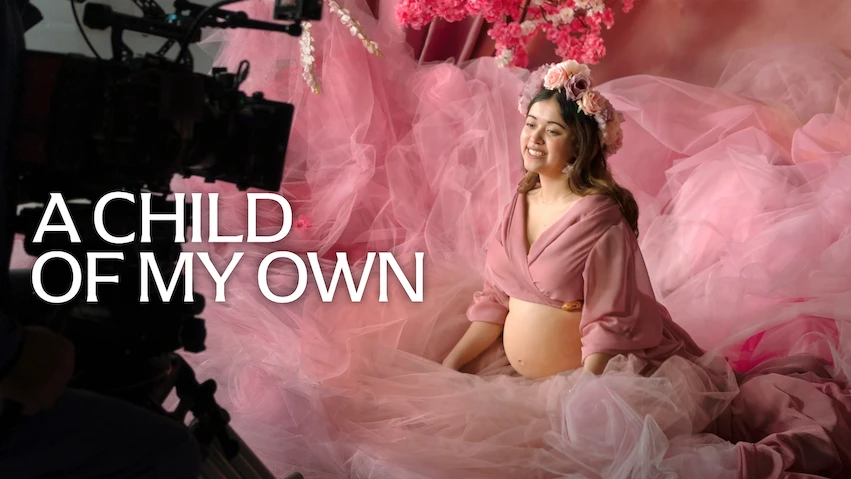
How far would you go to be believed? For Eleonor Alejandra Marín Mendoza, answering that question landed her at the center of one of the most unusual criminal cases in recent Mexican history. And now, her story is the subject of Maite Alberdi’s latest documentary, A Child of My Own, which is available to stream on Netflix.
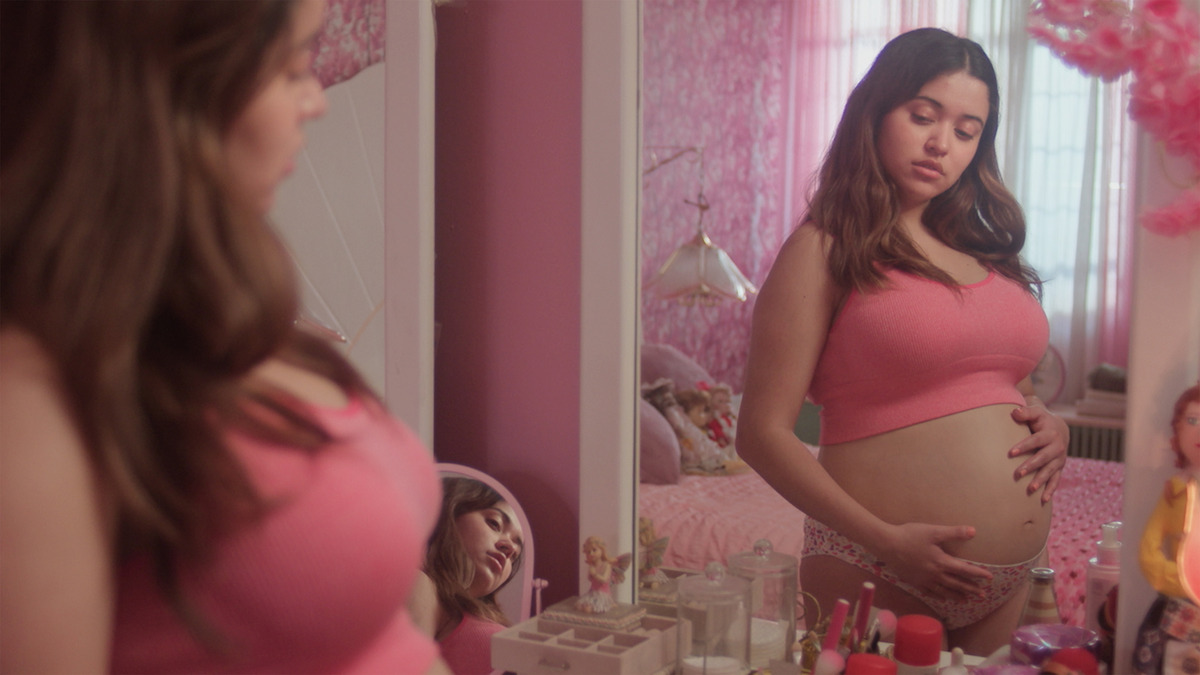
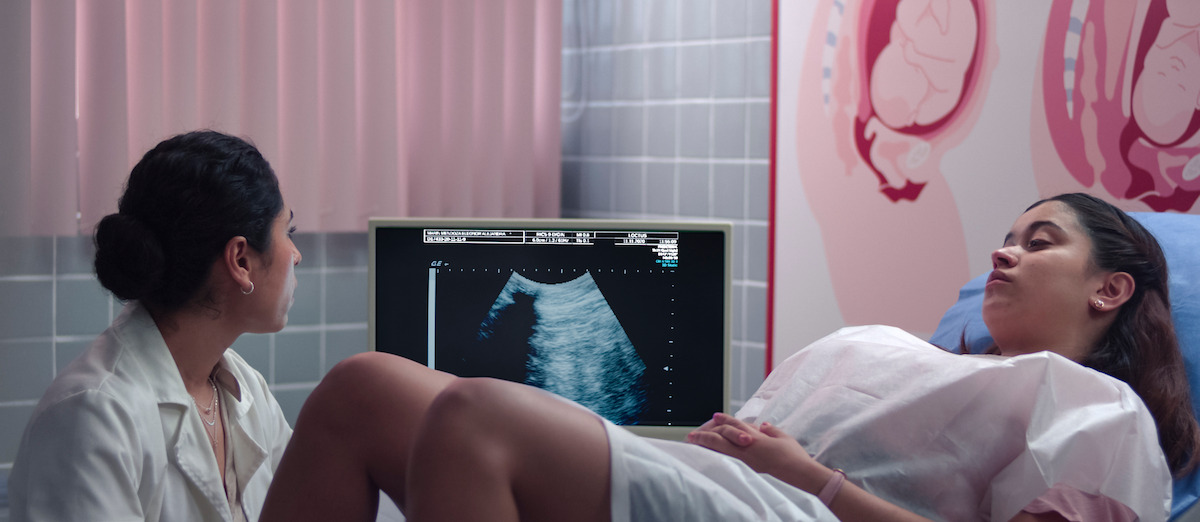
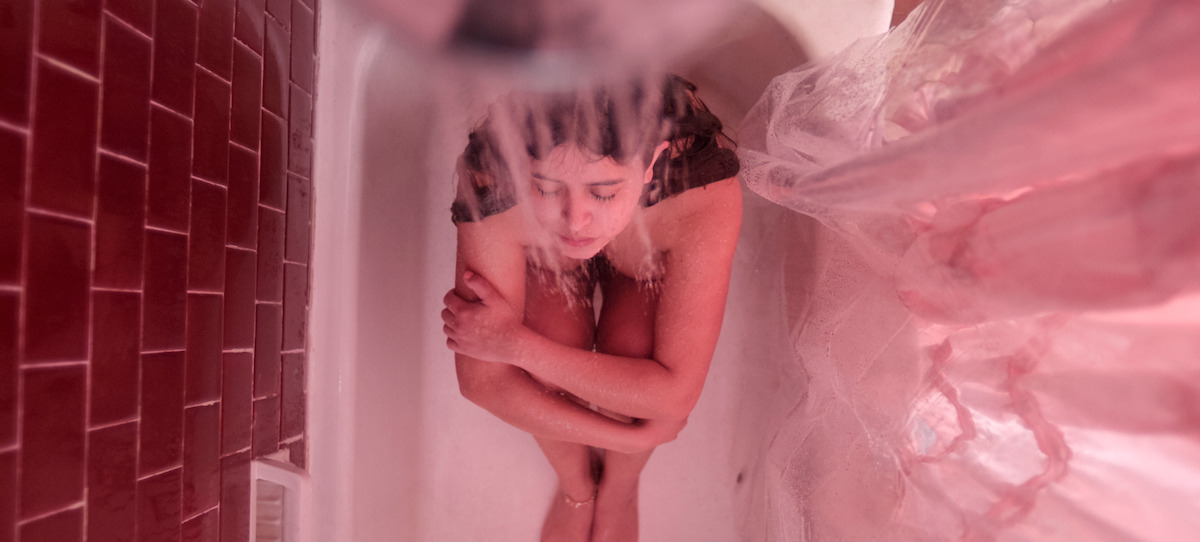
In 2008, Alejandra was 25 and working at a hospital in Mexico City. While the other women in her family were becoming mothers, she experienced a series of miscarriages. With each pregnancy that failed to reach term, the pressure to meet the expectations foisted upon her by her husband and in-laws continued to mount. Feeling her future as a mother slipping away and her sense of guilt deepening, her third and final loss pushed her to the brink. The previously docile and deferential Alejandra began faking a pregnancy — a months-long charade that deceived her family.
In June 2009, after her “due date” came and went, Alejandra was arrested after she stole a newborn from a Mexico City hospital, unleashing a media scandal that shook the entire country. While she claimed she had the permission of the baby’s mother, she and her husband, Arturo, were ultimately convicted of kidnapping. Arturo would be released after two and a half years, but Alejandra served a sentence of 13 years and 4 months in prison.
Director Alberdi met Alejandra in February 2022 while researching another film at the Santa Martha Acatitla women’s prison, where Alejandra was incarcerated. Immediately, Alberdi was taken by the story.
“Alejandra wasn’t someone I would have imagined ending up in prison,” Alberdi tells Netflix. “I was struck by how extraordinary everything she told me was.”
After making its world premiere at the 2026 Berlin International Film Festival, A Child of My Own was released on Netflix on Aug. 13. One of Alberdi’s previous documentaries, The Mole Agent, earned an Academy Award nomination in 2021 for Best Documentary Feature. With the nomination, Alberdi became the first Chilean woman to be nominated for an Oscar for a documentary film. In 2024, Alberdi was again nominated for her documentary The Eternal Memory, and her first foray into fiction, the Goya-nominated In Her Place, premiered on Netflix.
Alberdi’s new film reconstructs Alejandra’s story from her own testimony, first through vivid staged scenes performed by actors, then through interviews with the real people who lived it, along with archival materials. Nothing here is invented — Alberdi simply finds an unexpected way to arrive at the truth. Here’s everything to know about A Child of My Own.
What is A Child of My Own about?
After experiencing multiple miscarriages and the societal shame that comes with them, the recently married Alejandra fakes a pregnancy. As the lie turns into a complex charade that threatens to upend her life and relationships, she unleashes a media scandal that shakes the entire country.
A Child of My Own takes a uniquely intimate look at the incident through the words of those who lived it, examining the crushing weight of societal expectations, the elusive nature of truth, and the enduring power of family.
When is the A Child of My Own release date?
The documentary film premiered on Netflix on Aug. 13. Stream it now.
What is Un Hijo Propio?
Un Hijo Propio is the name of the film in its original Spanish. The documentary was shot in Mexico, where the actual events also took place.
Is A Child of My Own a true story?
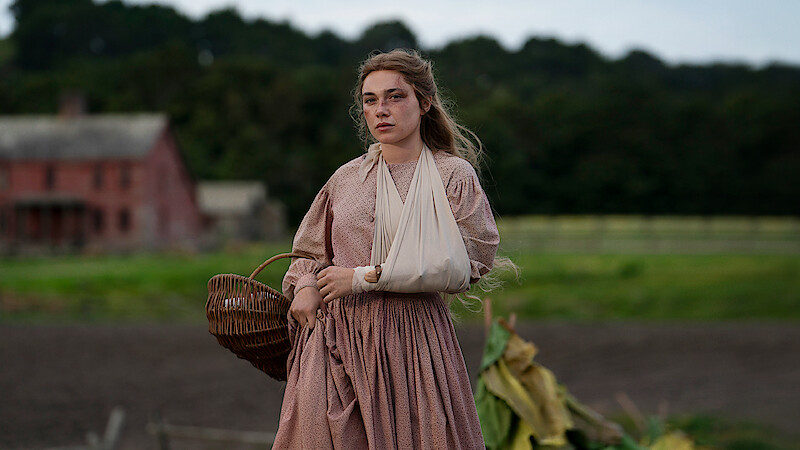
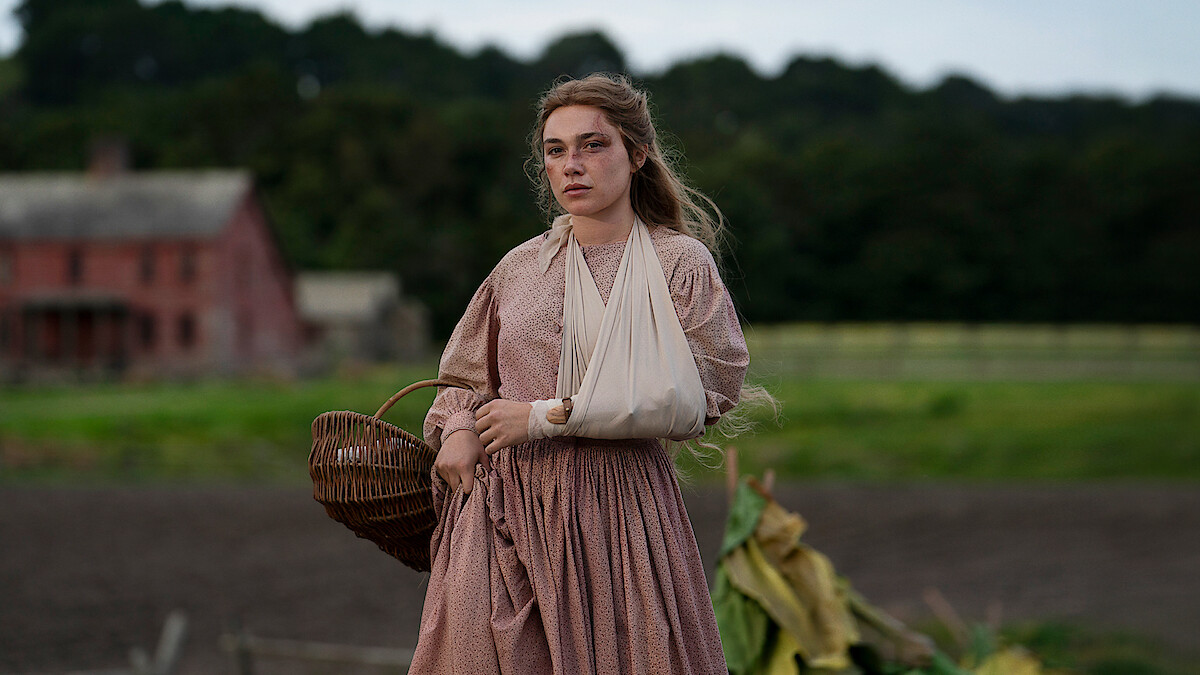
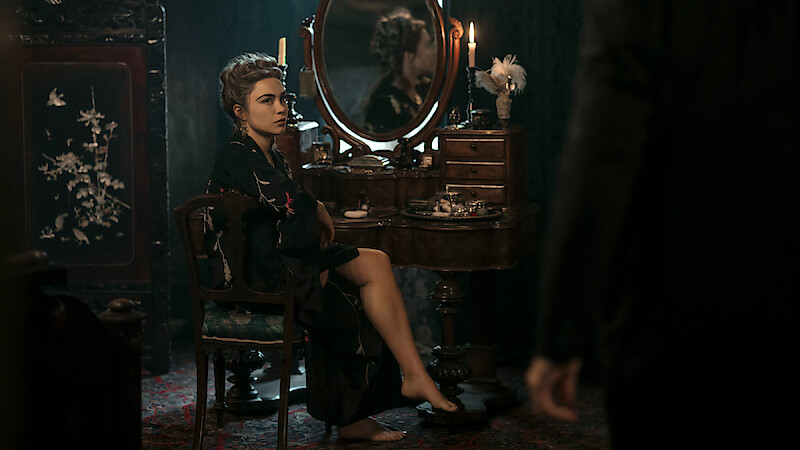
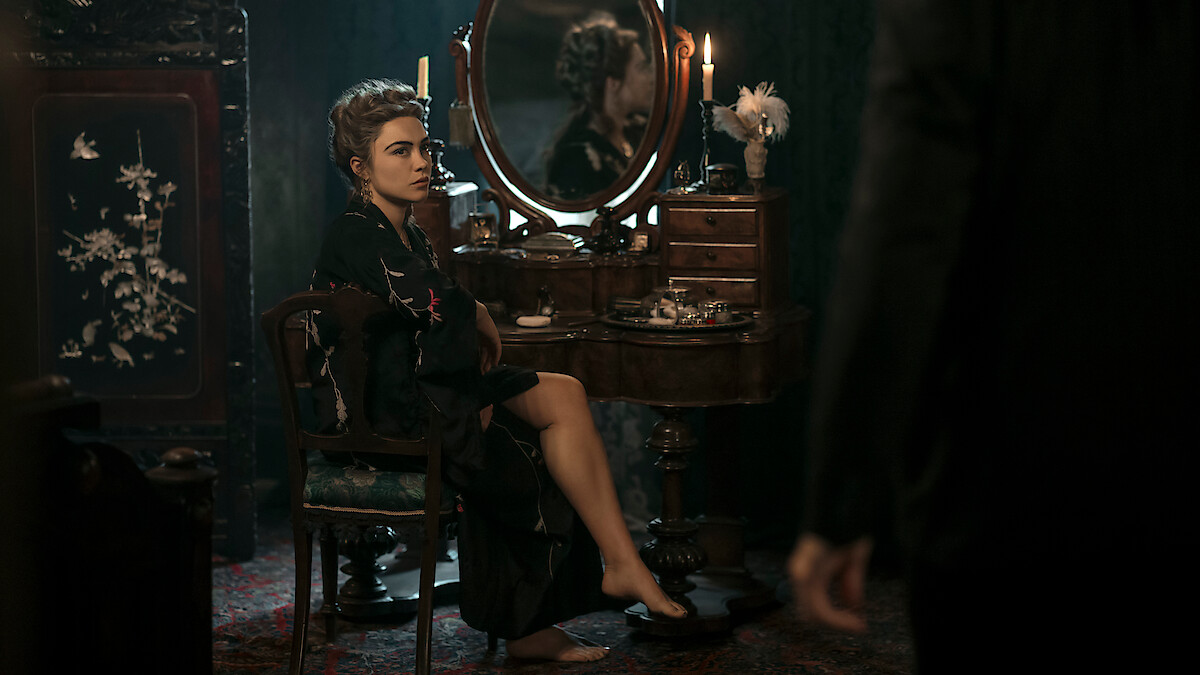
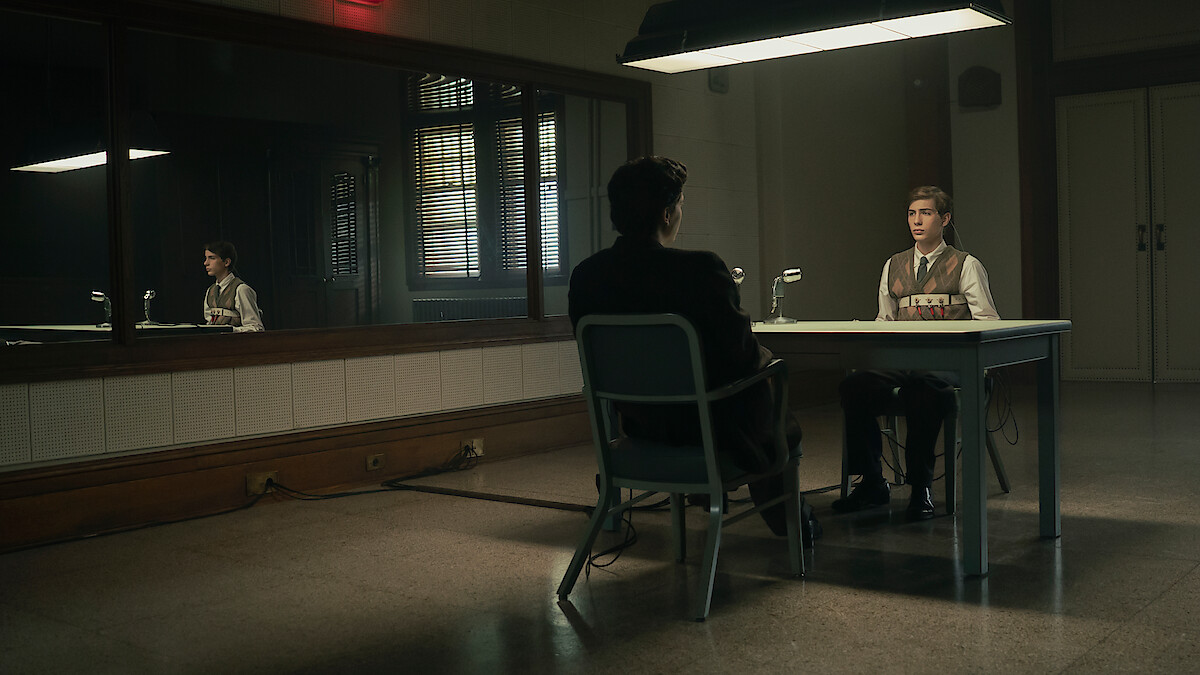
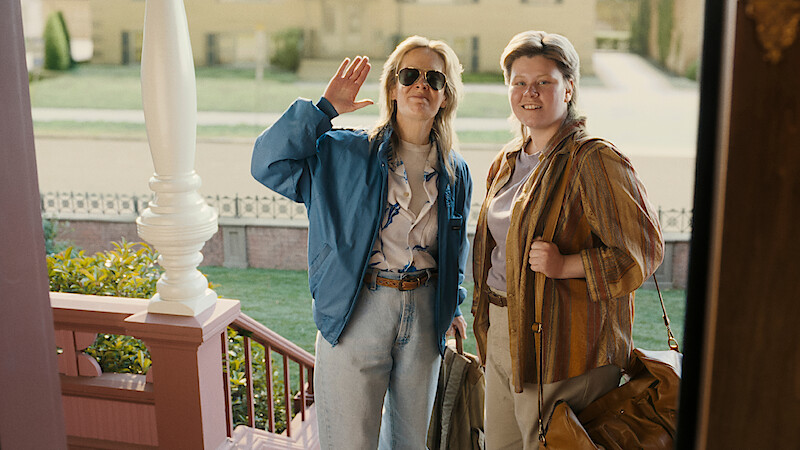
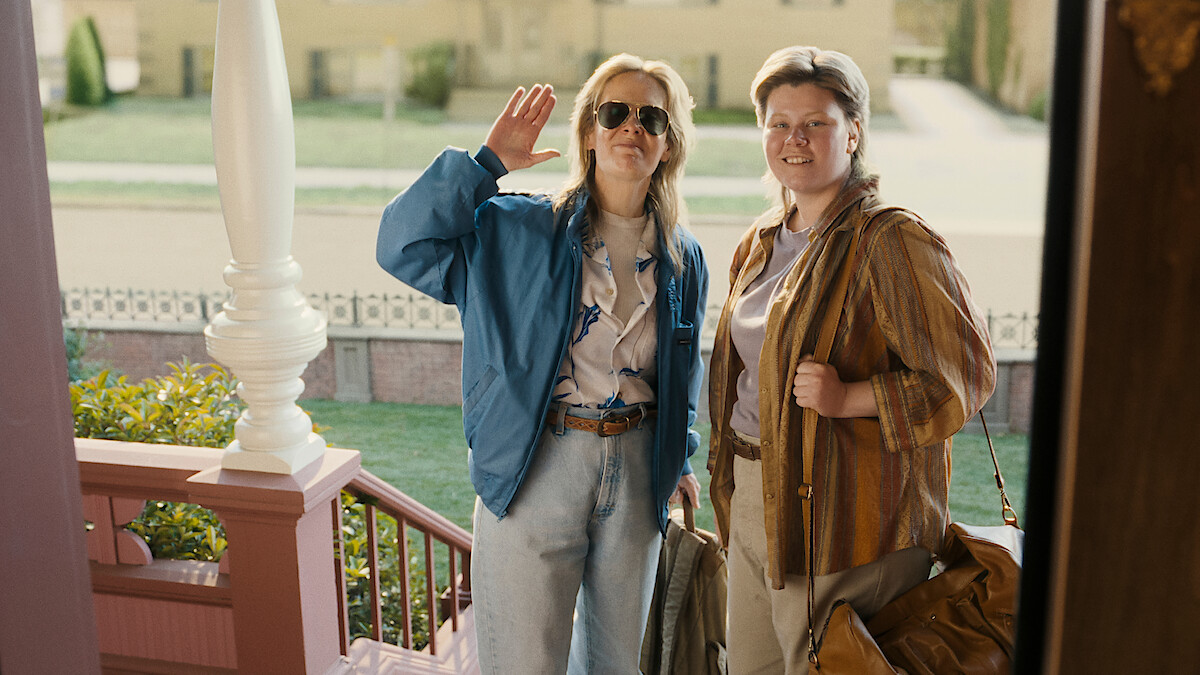
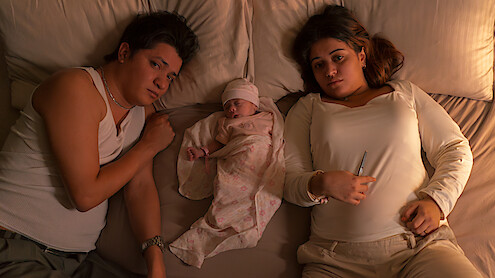
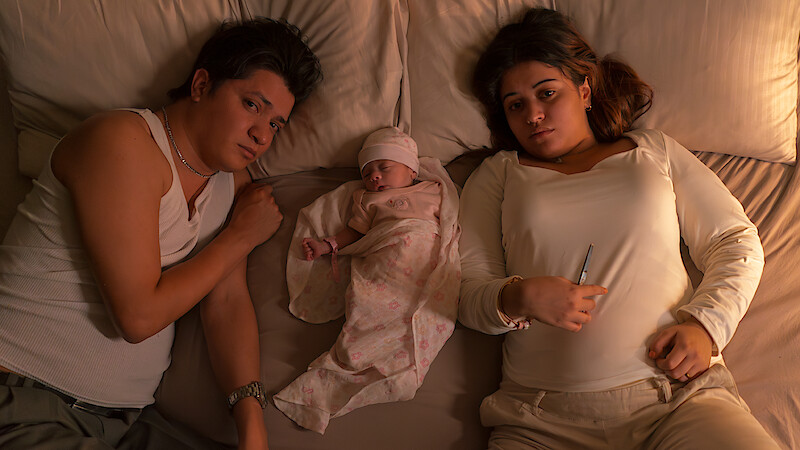
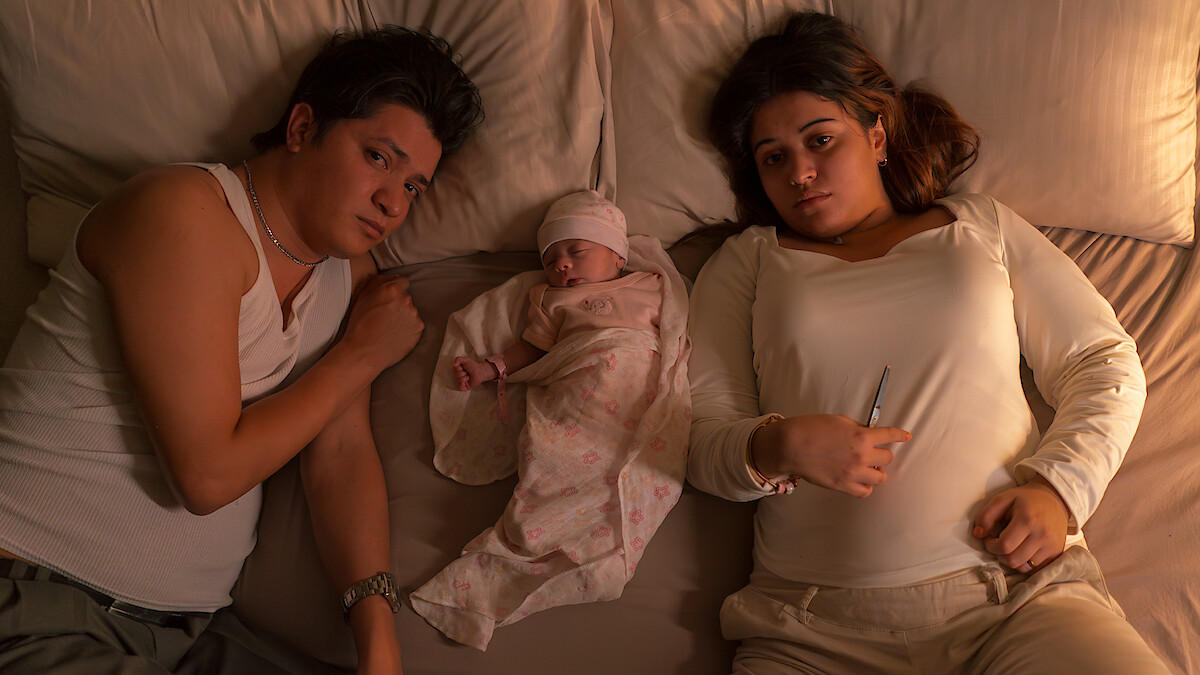
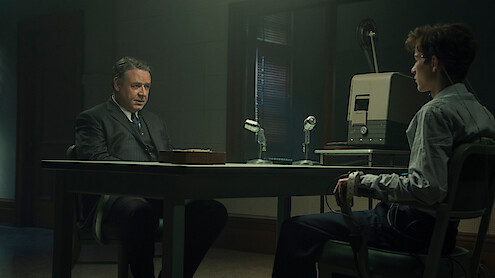
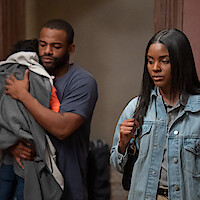
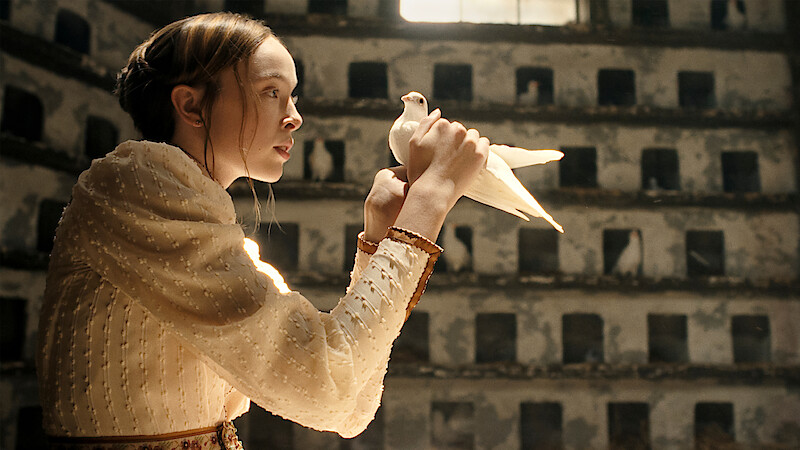
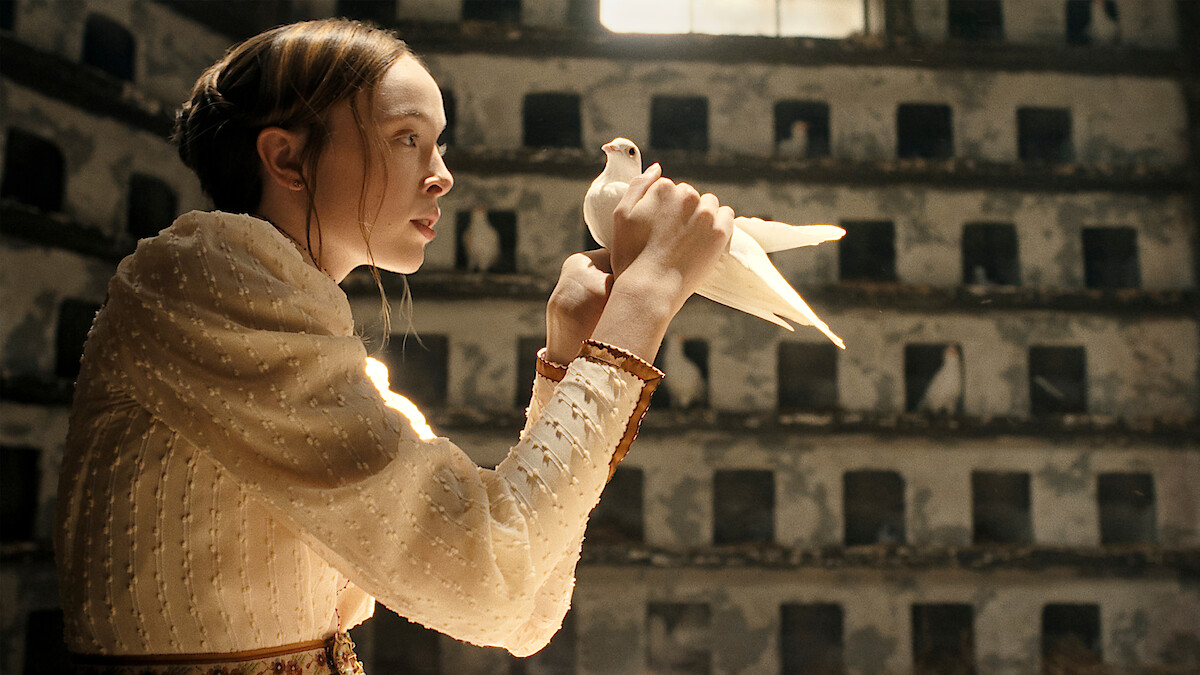
Yes. Alejandra’s crime made national headlines in 2009, but Alberdi felt the full story had yet to be told. Playing with its inherently unbelievable nature, she kicks off her documentary with a montage of an audition process to cast actors to play Alejandra, Arturo, and their families. The first half of the film proceeds as a staged narrative, retelling Alejandra’s side of the story from a script that was almost entirely drawn from Alberdi’s interviews with her. The ensemble is led by Ana Celeste as Alejandra and Armando Espitia as Arturo.
“When we think of reenactments in documentaries, we usually think of reconstructing facts,” Alberdi says. “But what we were staging here was a point of view. Without experiencing events through Alejandra’s eyes, it would have been impossible to connect with her. We would have fallen back on the prejudices surrounding the case, on the way the media told the story, instead of the way she lived it. Every artistic decision was about imagining her reality. I think it’s wonderful that documentary filmmaking now allows for these kinds of formal freedoms.”
In the second half of A Child of My Own, Alejandra’s imagined reality is left behind. The film shifts into an investigation of the case itself, introducing court records, expert testimony, and the voices of others whose accounts challenge some of the things viewers have just witnessed. Among them is Mayra, the biological mother of the abducted baby, who firmly rejects Alejandra’s claim that she willingly gave up her daughter.
“The film would be entirely different without her,” Alberdi says, “because she gives us the perspective of a different kind of pain.”
In describing her approach to A Child of My Own, Alberdi resists any binary notion that would pit fiction and documentary as opposites.
“No documentary is reality. They’re all constructed from elements pulled from reality, but they’re a subjective, biased vision,” she says. “This film was an invitation to think about documentary filmmaking differently. The most wonderful thing for me about A Child of My Own is the freedom the genre grants you. Reality can be told in so many ways — there are animated documentaries, and so on. In that sense, it is far more liberating than fiction.”
A Child of My Own is now streaming.
Additional reporting by Jessica Oliva.