Status Update
The Idaho Murders Filmmakers Explain Why Killer Bryan Kohberger Wasn’t the Focus
“We would have not wanted to mention him at all, honestly.”
Aug. 28, 2026
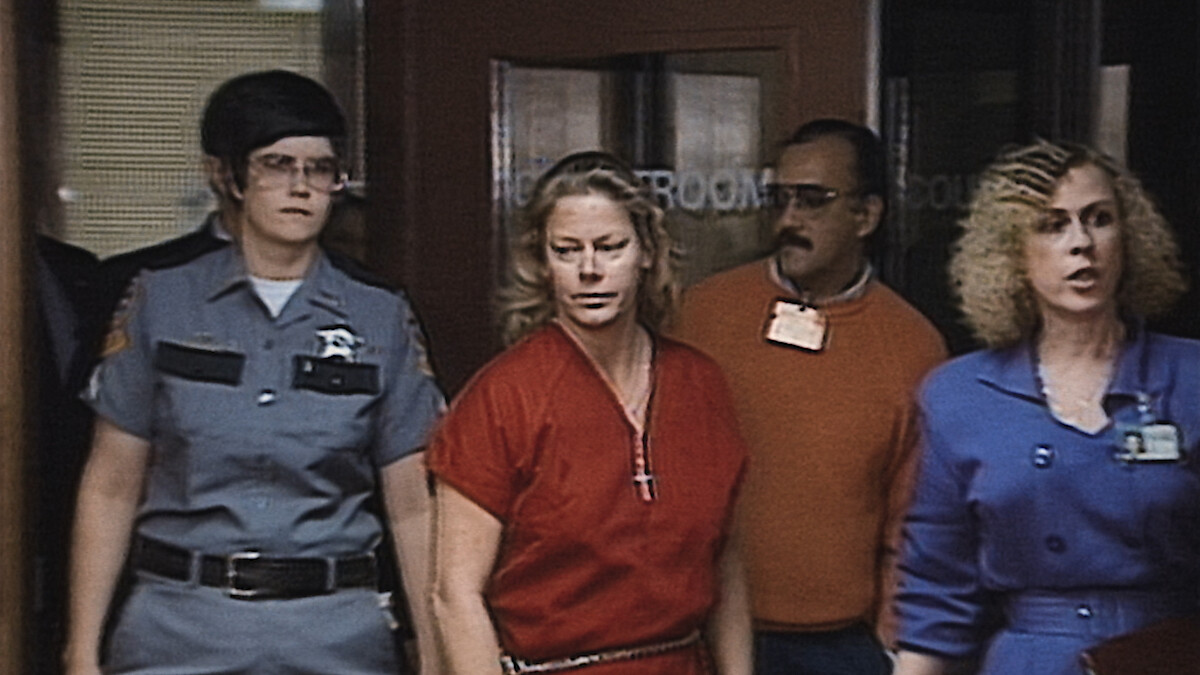
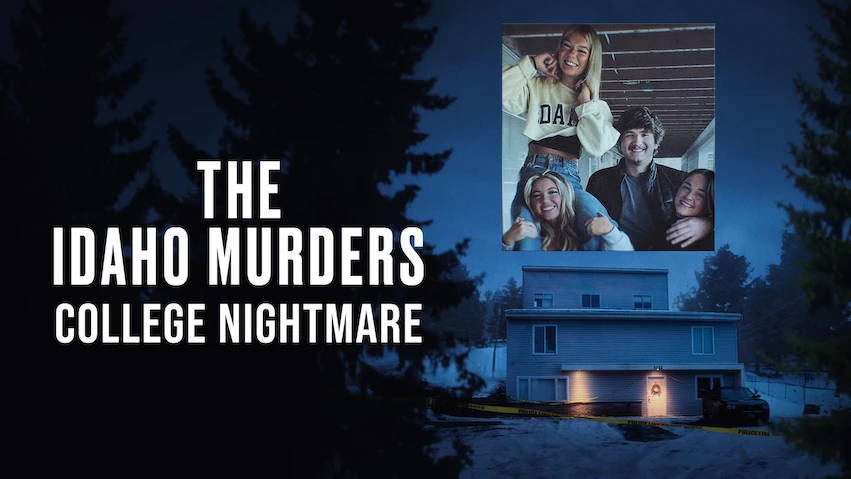
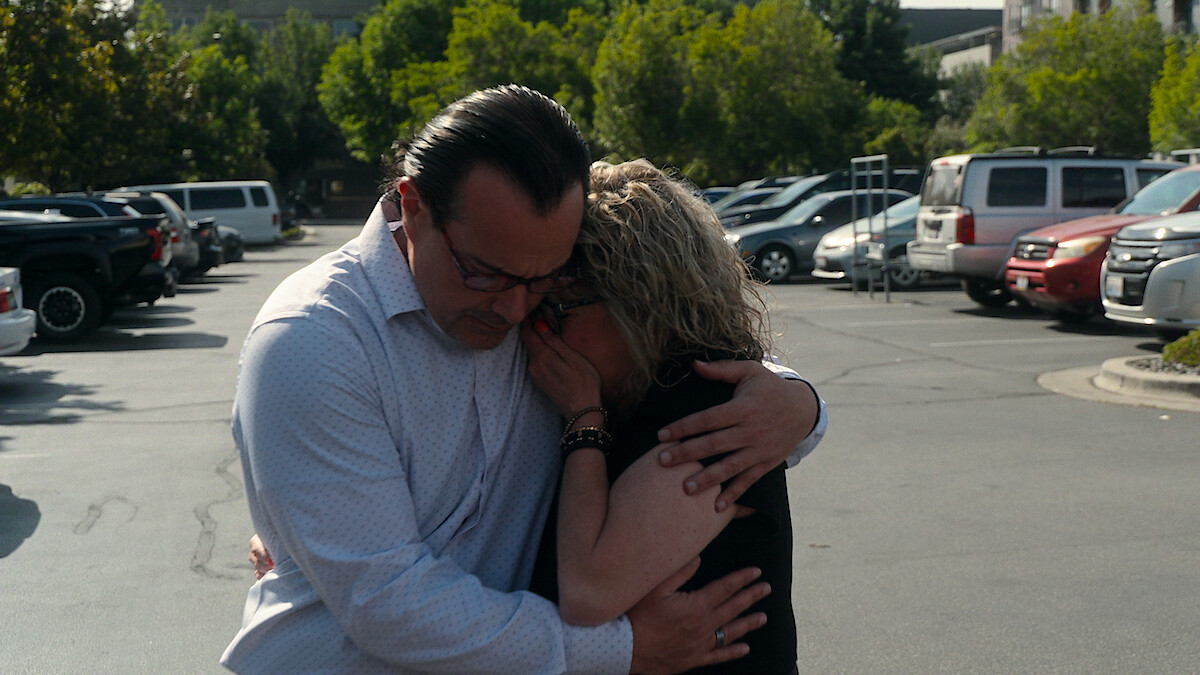
The most cathartic moment of the devastating saga told in The Idaho Murders: College Nightmare — a new three-part documentary series about the tragic murders of four University of Idaho students, Madison Mogen, Kaylee Goncalves, Ethan Chapin, and Xana Kernodle — is not necessarily in the capture of the perpetrator. It’s an impassioned, fierce impact statement by Kaylee’s older sister Alivea Goncalves.
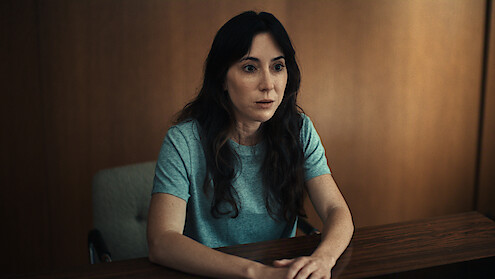
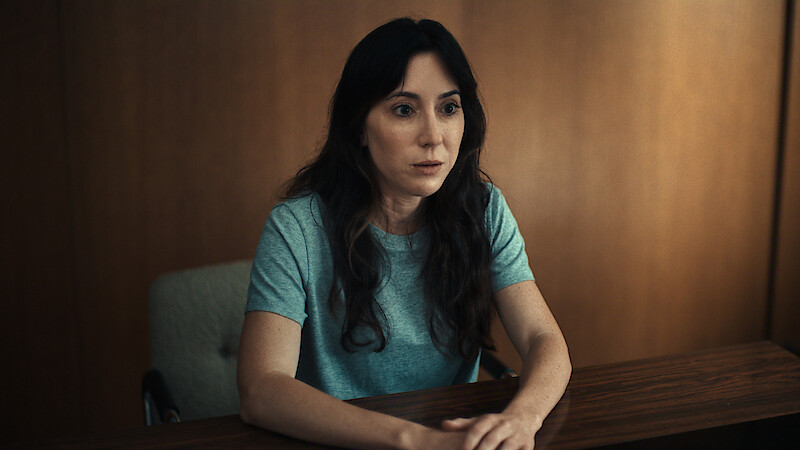
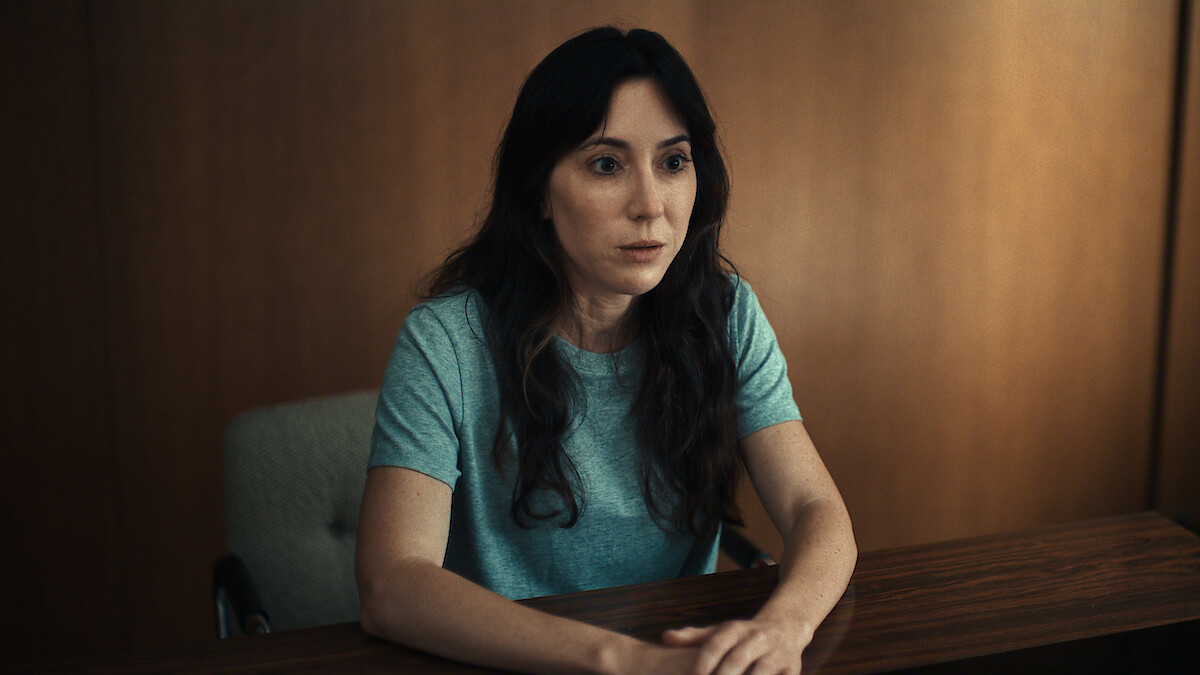
As seen in the documentary, Alivea deliberately turns the courtroom podium towards Bryan Kohberger, who pled guilty to the murders in 2025, in order to look him directly in the face. “I won’t stand here and give you what you want,” she says, addressing him. “I won’t offer you tears. I won’t offer you trembling. Disappointments like you thrive on pain, on fear, and on the illusion of power, and I won’t feed your beast.
“Sit up straight when I talk to you.”
That choice — to build The Idaho Murders: College Nightmare around the four vibrant victims rather than the person who killed them — shapes every part of the series.
When Academy Award–nominated executive producer Joe Berlinger (Cold Case: Who Killed JonBenét Ramsey) first read about the case in November 2022, it was Madison, Kaylee, Ethan, and Xana’s stories that hit him hardest. “I’m the father of two daughters who each had recently finished their collegiate experiences around the time of these murders, and it just struck a very deep nerve," he tells Tudum. Berlinger sent a crew to Moscow, Idaho, almost immediately, and Skye Borgman (Unknown Number: The High School Catfish) was pulled in to direct. The team set out to tell the story of this case as it unfolded. Below, Borgman and Berlinger share their insights about how they approached the series, and what it means to keep the victims and their families at its center.
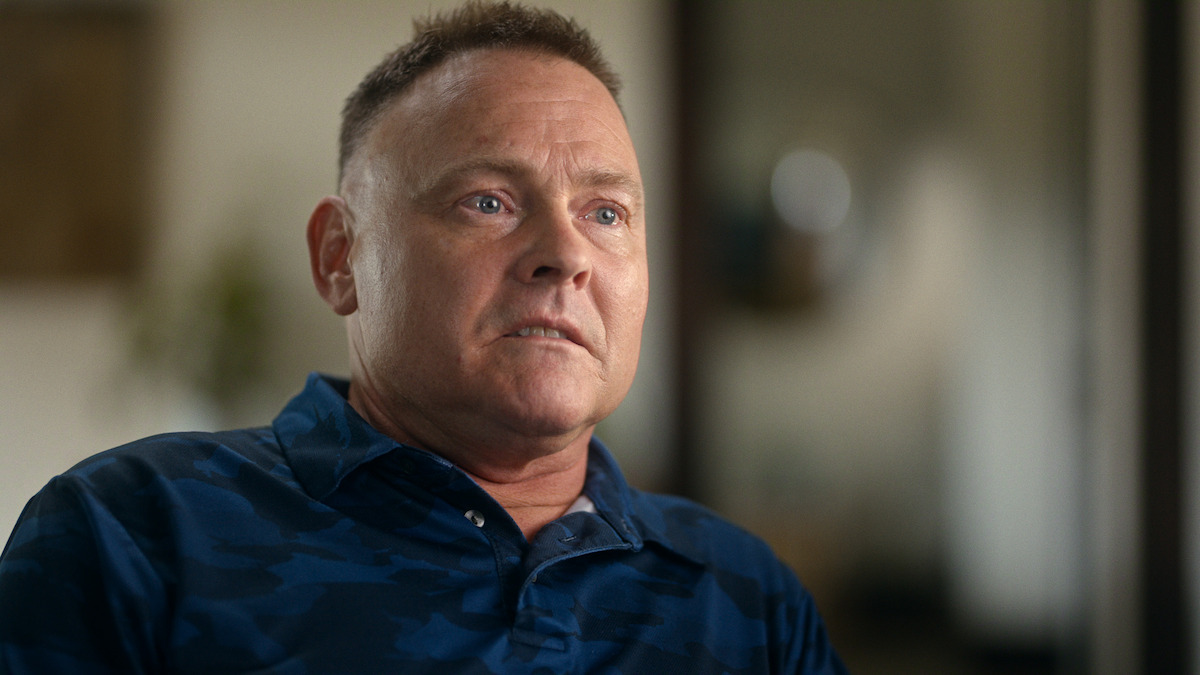
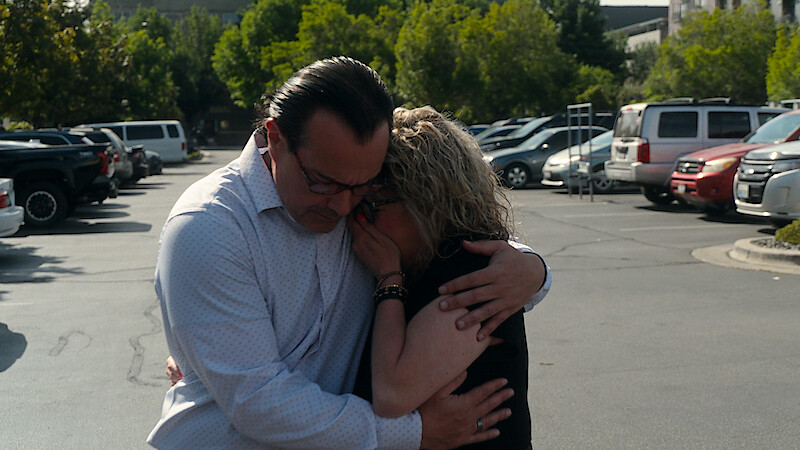
Jeff Kernodle
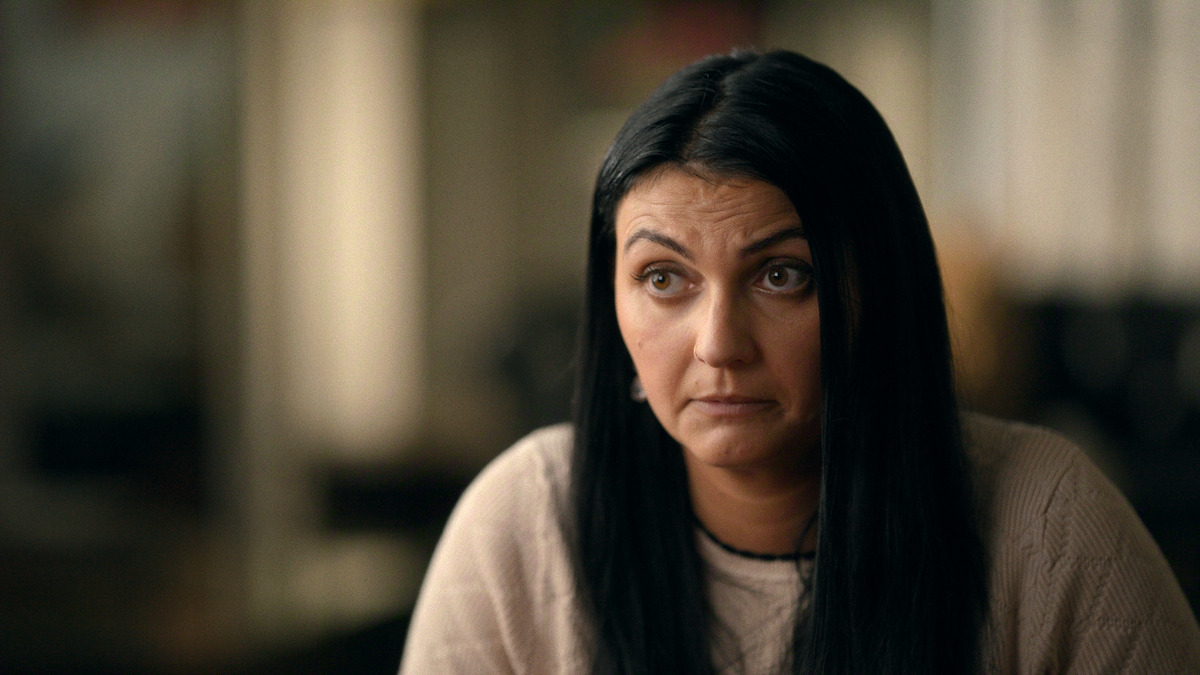
Alivea Goncalves
For Borgman, there wasn’t any question. “That choice was probably the easiest choice to make — to really focus on these four individuals and not on the perpetrator," she tells Tudum. “It’s because they deserve [it] ... everything that was in the news was talking about ‘Who did this? Who could have done this?’ And their names were not front of mind. […]
“When I was able to sit down and talk to the families, both before we started shooting and during the shooting, that’s one thing that they really wanted to get across: They weren’t just victims. They were alive, bright, happy, amazing people. And it was really important for them to tell this story and to put that message forward — what we lost.”
“They loved life, they loved each other, there was joy and there was ambition,” Borgman continues. She notes that Kaylee “was headed off to a job, and she was really figuring out how to balance this work/relationship/post-college thing” — the classic crossroads at which many 21-year-olds find themselves. Ethan and Xana, meanwhile, were in the early, tender stages of their relationship: “They had this young love, they hadn’t been together that long... they were these really intelligent, amazing, full-of-life people.”
“I hope people finish the series feeling they knew Ethan, Xana, Kaylee, and Maddie as more than victims of a notorious crime,” Borgman adds, “and instead as young people whose lives were full of promise, humor, friendships, and love.”
It’s the sentiment Borgman keeps returning to, and the one that shaped every decision behind the camera: This was never a story about who did this. It’s a story about who they were.
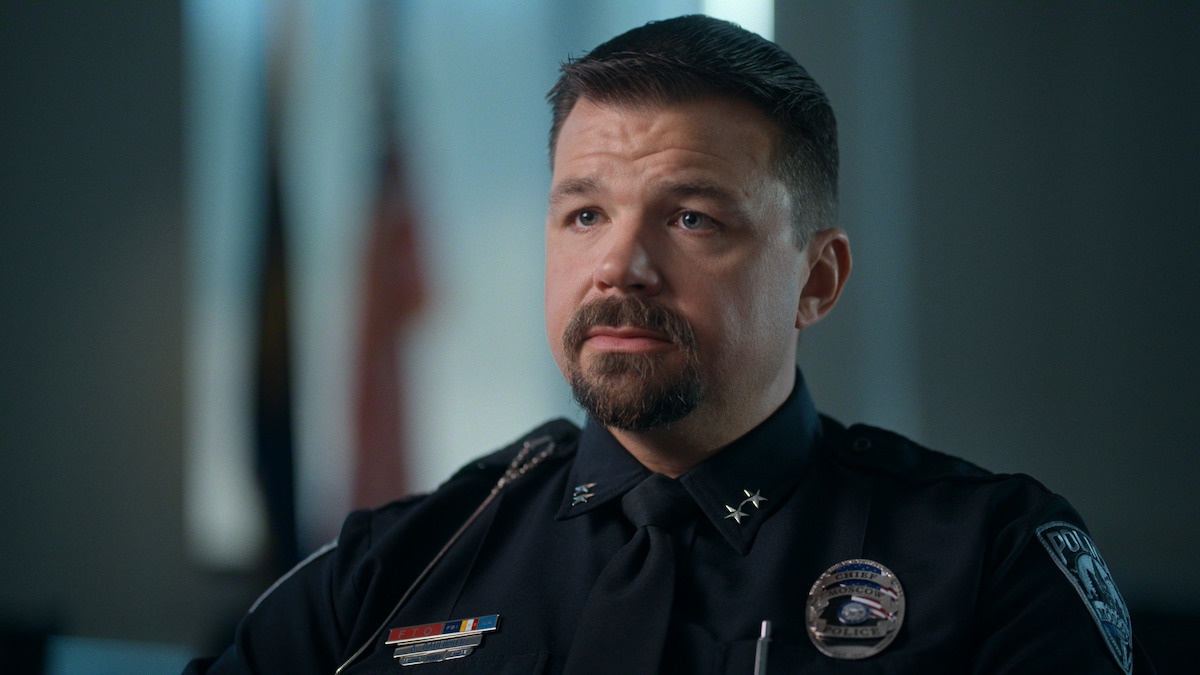
Moscow Police Department Chief Anthony Dahlinger
According to Berlinger, the decision to delay rushing the documentary was deliberate. “We were literally the first documentarians there,” he says, “and we are the very last to come to market, not because we’re slow. We wanted to tell the complete story.”
That patience paid off in access: video footage from bodycams, Ring cameras, and law enforcement interviews that only became available once a gag order was lifted following Kohberger’s plea. “[The series reveals] actual evidentiary footage and documentation that the police gathered,” Borgman says, adding that the series also includes "actual law enforcement that are talking to us and telling us what they went through." Berlinger calls The Idaho Murders: College Nightmare the only documentary on the subject “that provides a complete picture with full cooperation from law enforcement” — built, as he puts it, on “the patient approach... to specifically blunt all the speculation, rumor, and innuendo that’s out there.”
What Berlinger is referring to are the theories that many following the case have been throwing around, often to the detriment of those most affected by the tragedy. “Even [though] the perpetrator has confessed, people still don’t think he did it,” Borgman adds. “People still blame the roommates. People still blame [Kaylee’s ex-boyfriend] Jack. People still think that these people who clearly had nothing to do with it had something to do with it. So it continues on. It’s not over.”
Alivea Goncalves
Kaylee's older sister, Alivea, who has become one of the case’s most visible public voices, shares key insights in the documentary. “If you look up the definition of firecracker in the dictionary, there’s a picture of Alivea,” Borgman says. “She is just a force of nature. She’s very straightforward, so intelligent, so passionate, and amazing.” The filmmaker adds that Alivea’s journey — figuring out “how to talk to the press, how not to talk to the press... how to honor Kaylee publicly and privately” — became its own thread in the series, one made more complicated by the case’s intense public profile. The series builds toward the emotional delivery of Alivea’s victim impact statement.
After pleading guilty to the murders of Kaylee, Maddie, Xana, and Ethan, Kohberger was sentenced on July 23, 2025, to four consecutive life terms without parole plus an additional 10 years for burglary. Kohberger is currently incarcerated at Idaho Maximum Security Institution in Kuna, in a restrictive housing unit where he’s confined to his cell 23 hours a day; in summer 2025, he reportedly filed a request to be transferred because of safety complaints. No transfer has occurred.
Borgman says the team wrestled with how much of his backstory to include. “I think ultimately we would have not wanted to mention him at all, honestly, but there is a need to do it. There is a need to explain as much as we can, how it all happened and why it all happened," she says — while acknowledging the limits of that explanation, since Kohberger has never publicly detailed a motive. “We’re never going to know exactly, because he’s never given any reason for doing this.”
However, on July 26, 2026, Kohberger announced he was looking to take back his guilty plea, and had already filed a petition challenging his conviction. He claimed that is actually innocent, and wants to obtain a trial.
“My actual innocence is my truth, and the plea, hinged on by false promises and blatant disinformation, MUST be withdrawn,” Kohberger said in a statement. A judge scheduled two hearings — a status conference on June 3, 2027 and an evidentiary hearing on June 17, 2027.
In response, the Goncalves family released a statement likening Kohberger to a “mosquito you just can’t seem to swat.”
“The real tragedy is this: If even a fraction of the energy spent trying to free a guilty man were directed toward honoring the victims, there would be statues of them on every corner, parks bearing their names, and days set aside to remember the lives they lost at the hands of a narcissist,” they wrote.
Learn more about Kohberger by listening to the latest episode of Allegedly with Ellison Barber.