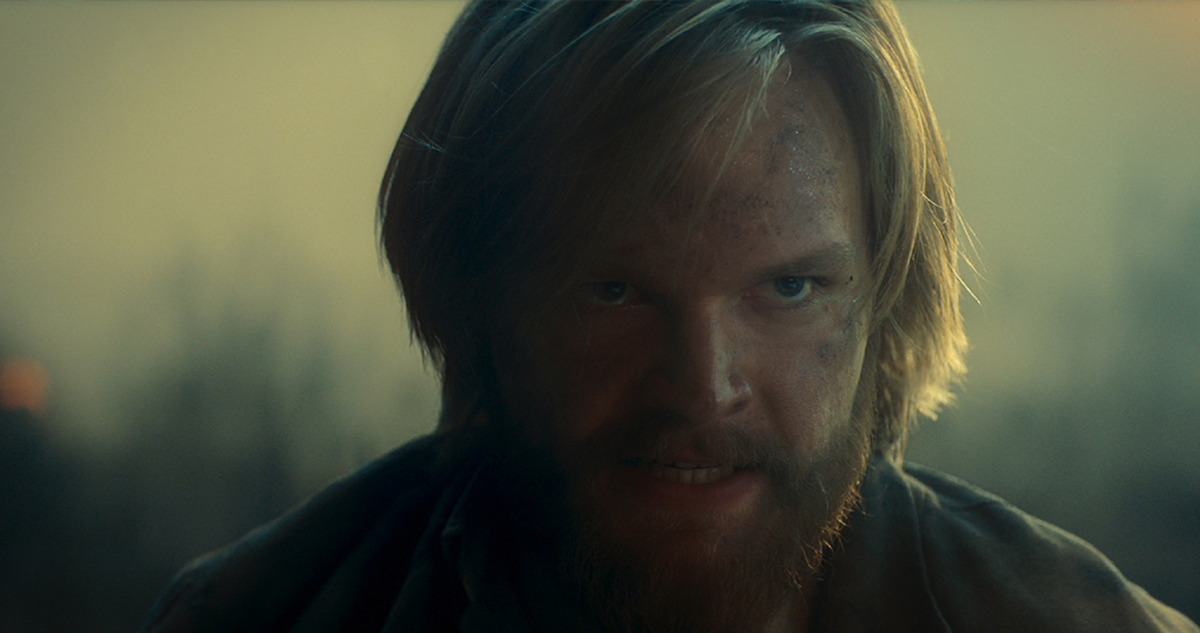
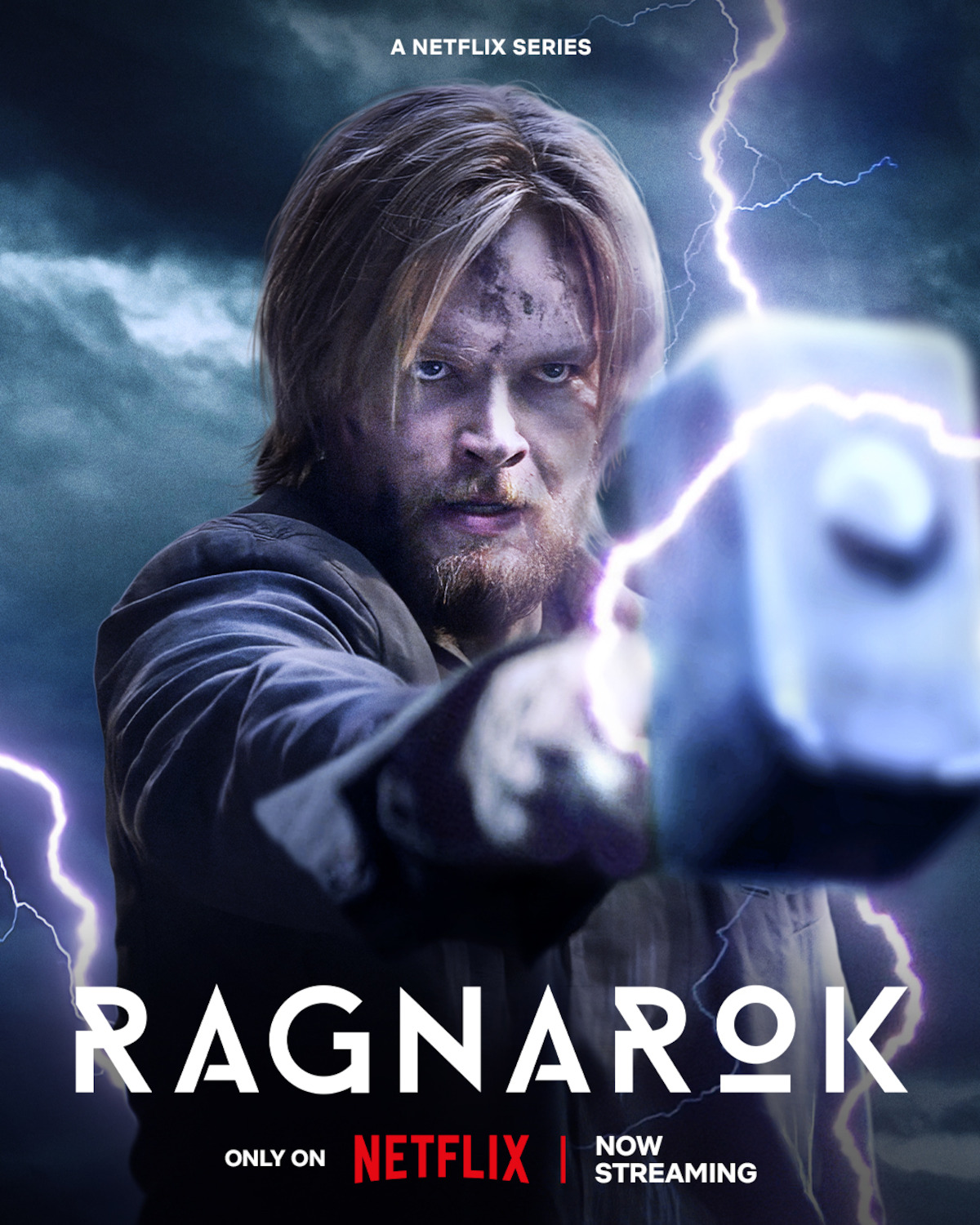
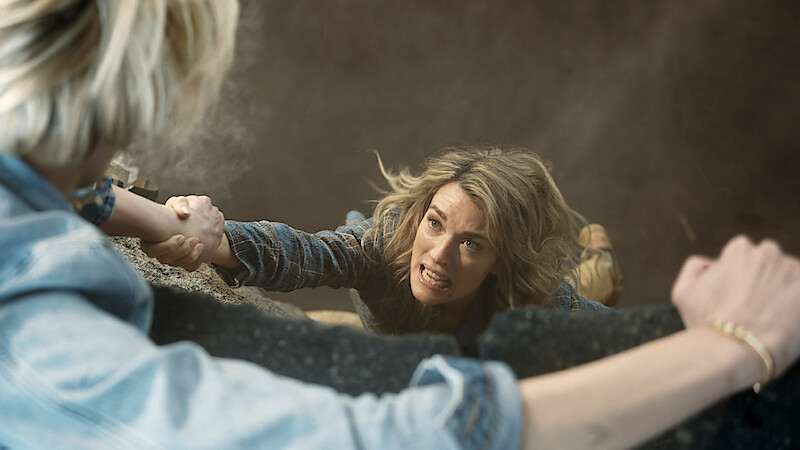
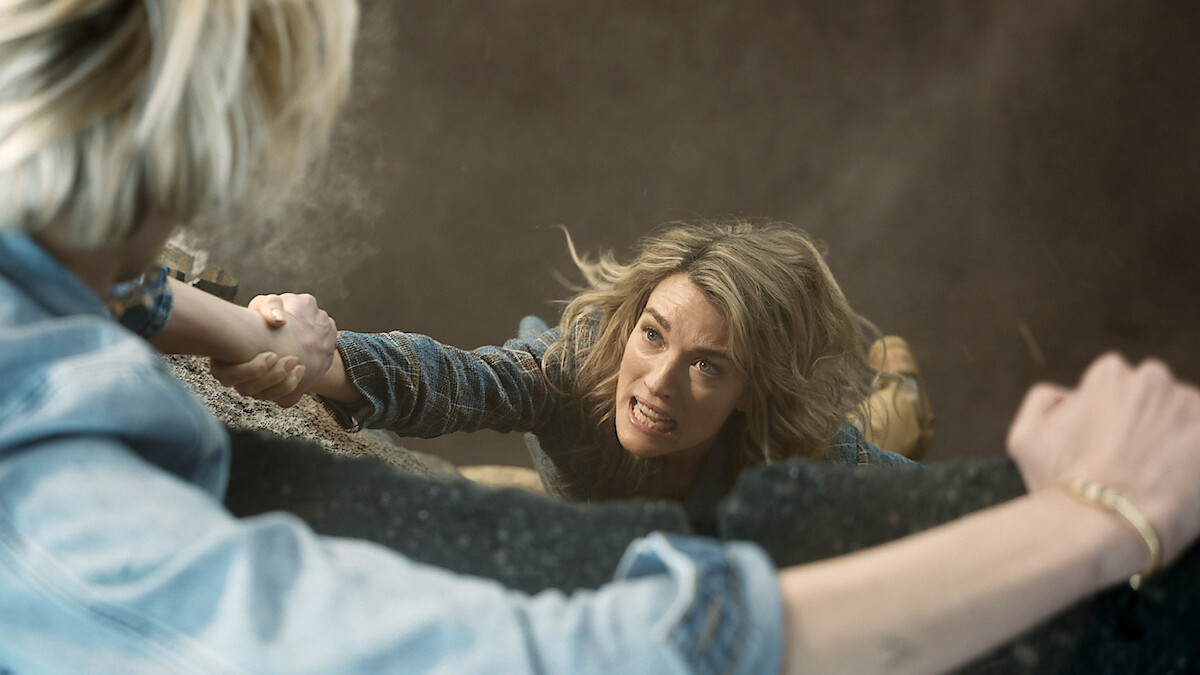
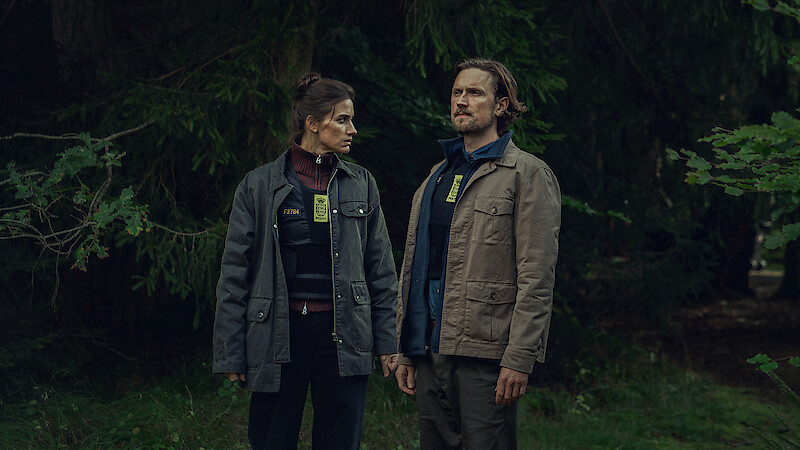
Sharpen your axes and forge your mighty weapons: Season 3 of Ragnarok has arrived. In the final six episodes of the Norwegian fantasy thriller, the stage is set for an epic end-times clash between Norse gods and giants — and a superheroic, hammer-throwing misfit teen.
Since its premiere in 2020, Ragnarok has been a global breakout hit for its dark humor and a gothic plot that twists ancient Nordic myth into a 21st century coming-of-age drama centered on half-brothers Magne (David Stakston) and Laurits (Jonas Strand Gravli) who also happen to be the incarnation of Thor, god of thunder, and Loki, god of mischief. Climate crisis, corruption, and dark secrets ensnare their scenic, yet sinister Scandinavian town — and now, lives are at stake. In the final chapter of Ragnarok, from director Mogens Hagedorn (Rita) and Borgen creators Adam Price and Emilie Lebech Kaae, it’s gods vs. giants and brother vs. brother as Magne and Laurits prepare for a showdown that could decide the fate of the world.
When will Ragnarok, Season 3 be released?
Stream all six episodes now.
Where can I find the trailer for Ragnarok, Season 3?
Check it out right at the top of this article.
Who’s in the cast of Ragnarok, Season 3?
- David Stakston (Skam) as Magne Seier, the modern-day embodiment of Thor
- Jonas Strand Gravli (22 July, Wild Men, Wisting) as Laurits, Magne’s half-brother, and also the incarnation of Loki, a shape-shifting god of mischief — and also a member of the Jutul family (a reference to jötunn, a Norse giant and enemy of the gods)
- Henriette Steenstrup (Meglerne, Barn, Pørni) as Turid Seier, mother of Magne and Laurits
- Herman Tømmeraas (Skam, Semester, Stikk) as Fjor Jutul, Magne’s rival, who’s poised to seize the reins of his family’s empire
- Theresa Frostad Eggesbø (Skam, The Comet, November) as Saxa Jutul, Fjor’s sister, whose connection with Magne complicates her relationship with her family
- Synnøve Macody Lund (Headhunters, The Girl in the Spider’s Web) as Ran Jutul, mother of Fjor and Saxa in the family of Jutul
- Bjørn Sundquist (Hansel and Gretel: Witch Hunters, Dead Snow) as Wotan, who’s helping Magne mount a case against the Jutuls, and is the reincarnation of Odin, king of the gods
What happens in Ragnarok, Season 3?
Eerie things begin happening when awkward teenager Magne and his half-brother, Laurits, move with their mom to her rural hometown. Edda, Norway, is also where Magne’s dad died under mysterious circumstances when Magne was just a child. Not long after he arrives, a strange woman blesses Magne. Suddenly he stops needing his glasses. He realizes he can run up mountains without tiring. And, most significantly, he can throw a hammer for extraordinarily long distances — a feat that attracts the attention of the Jutuls, a ruthless family who run a slew of factories and practically everything else in town.
When Magne learns his friend Isolde, a young eco activist, may have been murdered by the Jutuls, he starts to wield his newfound superpowers to stop them. To twist things further, at the end of Season 2, Laurits, who is part Jutul, strikes a deal with them: a supposed truce between gods and giants.
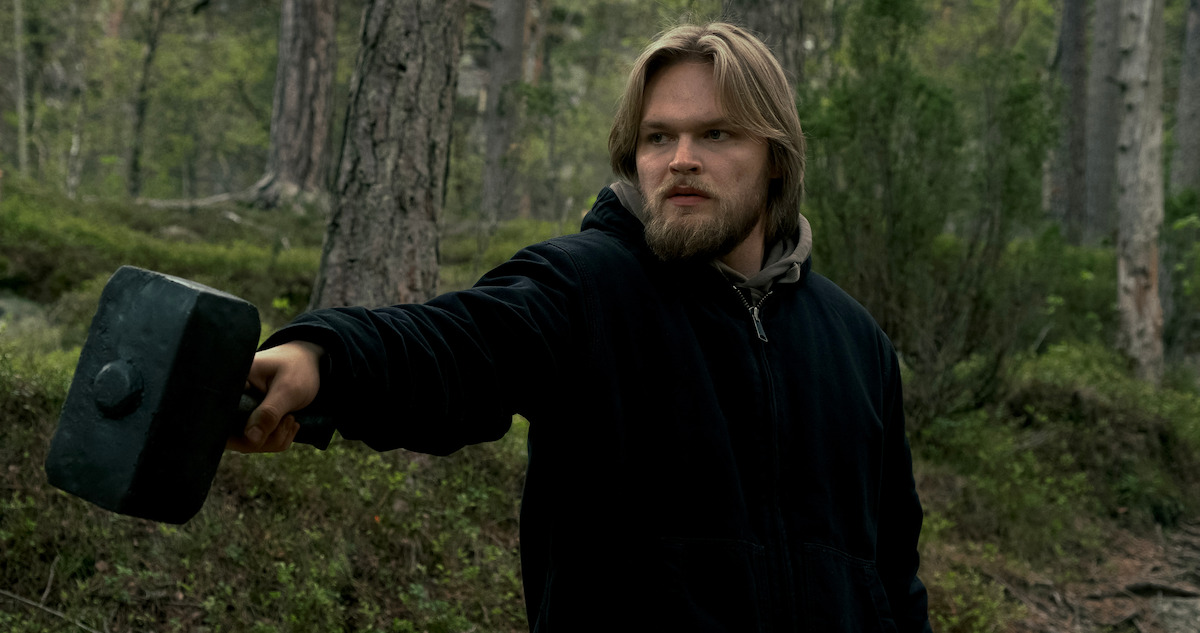
But as Season 3 begins, the battle is back on. Magne has forged his mightiest weapon yet — a hammer that he names after the one Thor used (Mjölnir). He’s turning to modern tools to fight the Jutuls too, determined to expose their role in a series of deaths and life-threatening illnesses. Meanwhile, Laurits’ allegiance is torn between the opposite ends of his family trees — and he’s enlisted the aid of another supernatural being to help him, an all-powerful sea serpent.
Is Ragnarok, Season 3 based on a book?
Not exactly. While Ragnarok is not based on one book, it draws heavily on Nordic mythology.
What is the myth of Ragnarok? What does Ragnarok mean?
In Old Norse language, Ragnarök translates to “doom of the gods” or to “the twilight of the gods.” The myth of Ragnarök is an ominous one that first appears in the early Icelandic poems Völuspá (“Sibyl’s Prophecy”) and the Prose Edda. According to both poems, cruel winters, darkening skies, natural disasters, and moral chaos will set in, leading up to a great battle between the gods (including Thor, Loki, and Odin) and the giants. The stars will vanish from the sky, the world will burn, and the earth will sink into the sea — but then, also according to Scandinavian mythology, the world will rise again, cleansed.
Where does Ragnarok, Season 3 take place?
Ragnarok is set in the fictional Norwegian village of Edda. The series was filmed primarily in the western Norway town of Odda, with a Norwegian cast. Additional filming was done in Denmark.
Is Season 3 the final season of Ragnarok?
Alas, yes, this is the final season of the series.
Where can I learn more about Ragnarok, Season 3?
If you’re new to the series or just want to revisit all the characters, catch up on the backstory by streaming Seasons 1 and 2 here.