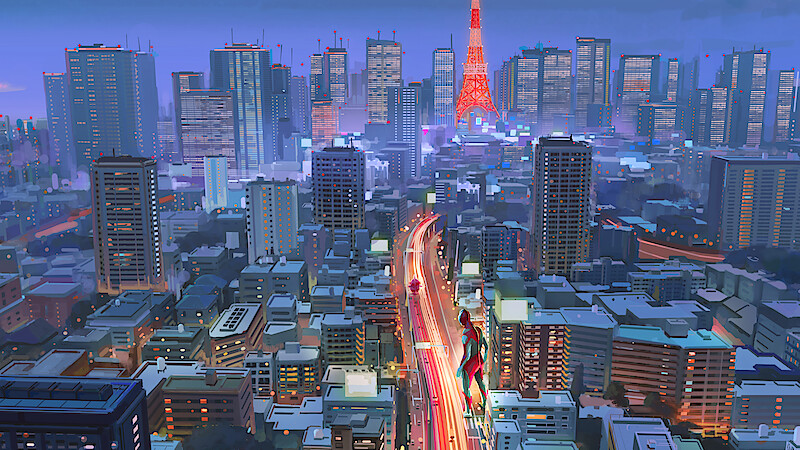
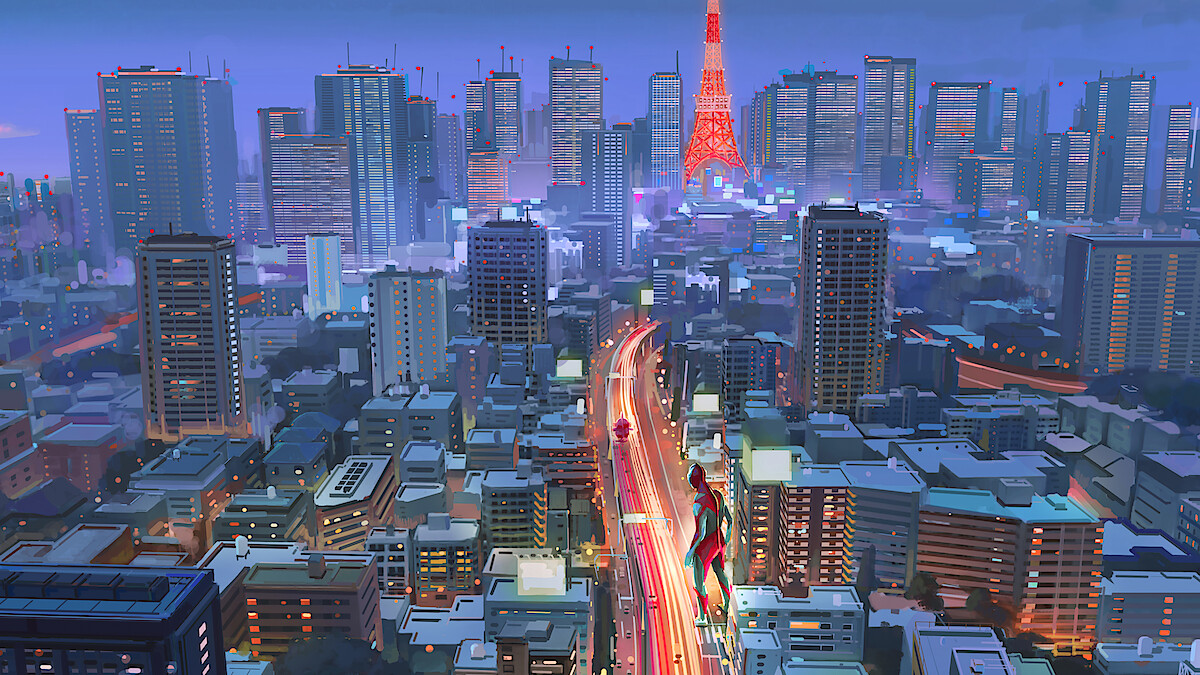
Production design sketch by Ryo Yambe
Deep Dive
The Art of Ultraman: Rising
Shannon Tindle and his team reveal a tender side of the towering, kaiju-fighting hero
By Miranda Tsang
Jan. 17, 2025
Animation director Shannon Tindle grew up a fan of Ultraman, Eiji Tsuburaya’s giant red-and-silver alien hero who first began defending Tokyo against giant monsters (or kaiju) on the 1966 TV show bearing the character’s name. In the years since, Ultraman appeared in numerous comics, films, and television series, his look, backstory, and ambitions evolving with the decades. Sometimes, the character starred in stories for children; on other occasions, his exploits were designed to appeal to fans of tokusatsu, live-action films that heavily use practical special effects (think Godzilla, another of Tsuburaya’s creations).
As far back as 2001, Tindle had toyed with the idea of making an Ultraman-inspired film that centered the character as a reluctant father to a baby kaiju. After working on such successful animated projects as the Oscar-nominated Coraline, the Emmy-winning Lost Ollie, and the twice Oscar-nominated Kubo and the Two Strings, he finally found his opportunity to bring the relatable story to life with Ultraman: Rising.
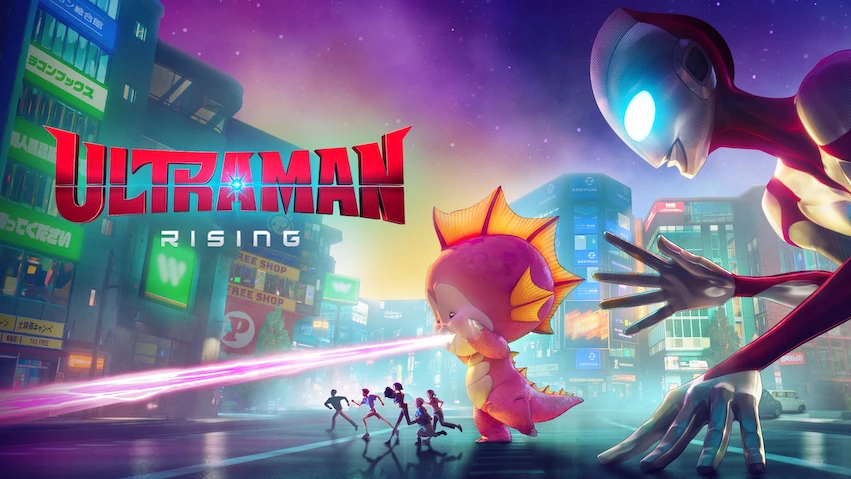
Tindle’s film centers on Ken Sato, a professional baseball player living in L.A. who must return home to Tokyo to take on the family business of being Ultraman — as well as the unexpected role of parenting the infant offspring of his kaiju nemesis Gigantron. “What would it be like to struggle to raise the child of his enemy?” reflects Tindle on the premise of Ultraman: Rising. “That is a huge character-building exercise. There’s a lot of humility there and a lot of rethinking of how you view who are your enemies, who are your friends.”
Ultraman: Rising features the work of dozens of talented animators and artists in partnership with Industrial Light and Magic. Visual effects supervisor Hayden Jones, animation supervisor Mathieu Vig, and production designer Marcos Mateu-Mestre are among those who helped to bring to life Tindle’s ambitious vision of an Ultraman who can protect Japan’s capital against the fiercest building-sized creatures yet finds meaning in caring for one of their kind.
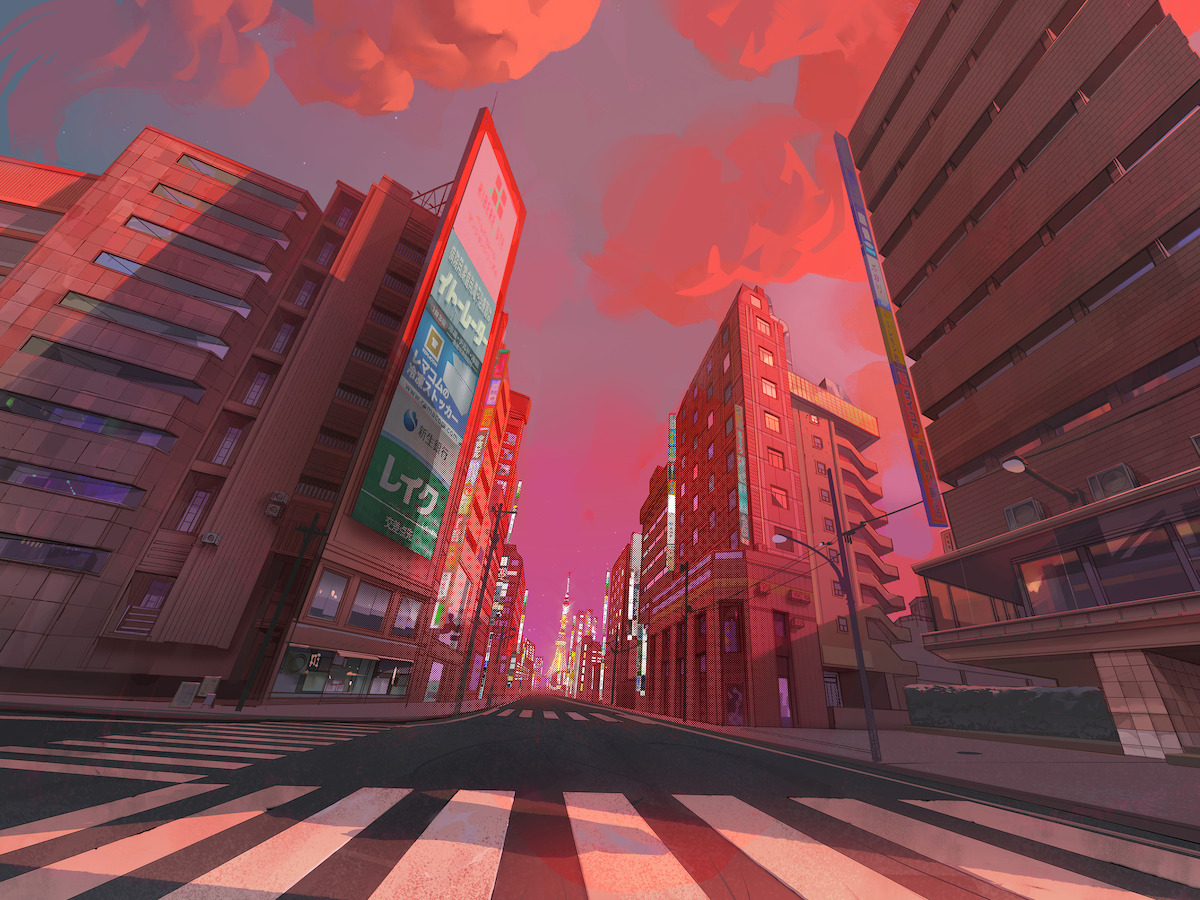
Preproduction visual of the streets of Tokyo
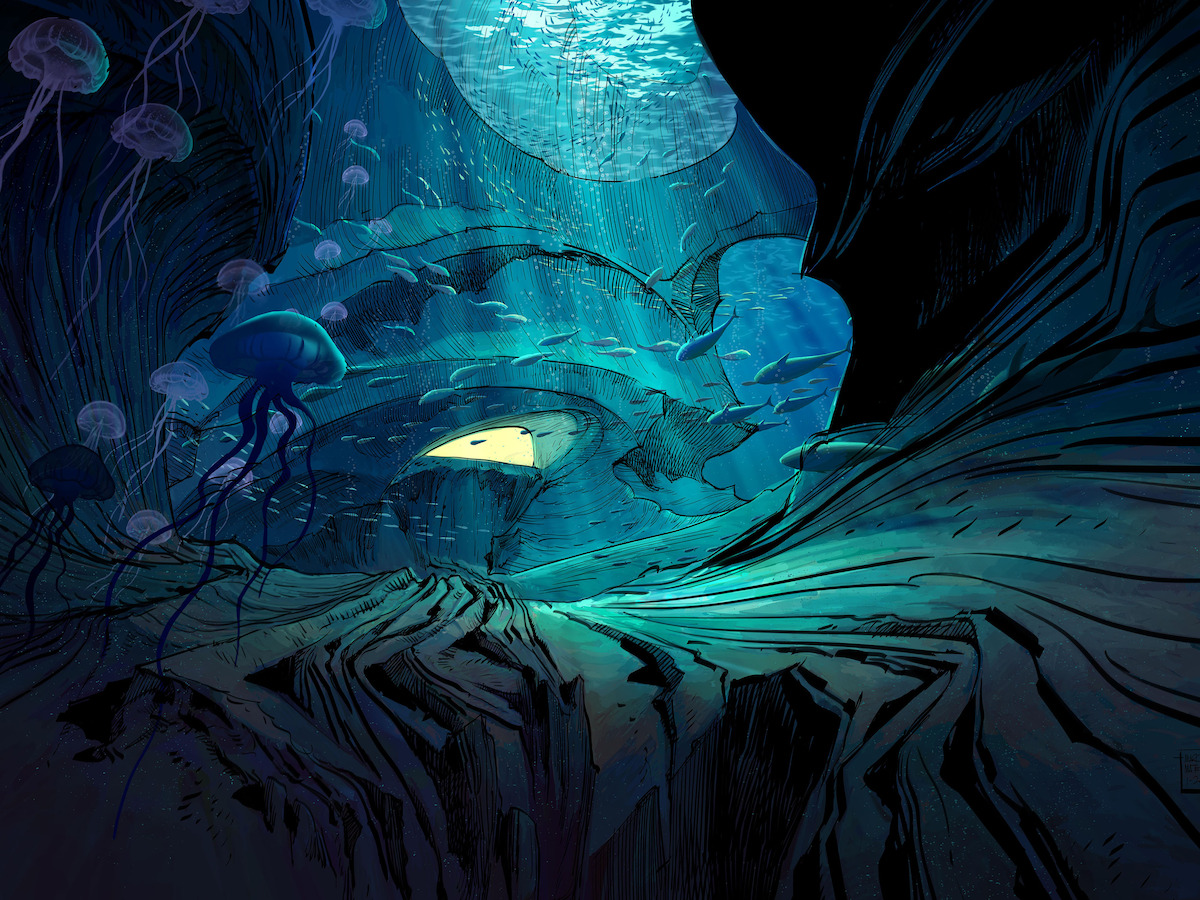
Production design sketch of Ultraman’s (Sean) base
Ultraman needed a metropolis to protect, so production designer Mateu-Mestre and art director Sunmin Inn set about creating an animated Tokyo that felt as vibrant and bustling as its real-world counterpart. “The streets are all based on actual streets,” explains Jones. “We wanted to really make Tokyo almost like a character in our movie, and all of our modeling, all of our texturing had to go through a cultural committee that would look at it and make sure that it was all as accurate as we could make it. [We want to ensure audiences] get the feeling of walking the streets of Tokyo.”
Taking inspiration from manga and 60s art, the team built a world that honored the city’s many distinctive neighborhoods while also pushing their look and feel to align with the film’s aesthetic. “Ultraman’s world was an existing character and [while] a lot of the environments are obviously fantastic, there’s a lot of it which is Tokyo,” said Mateu-Mestre. “There are the spectacular buildings and skyscrapers of the city alongside the scale of the character. There’s this duality to it, which I think is fascinating.”
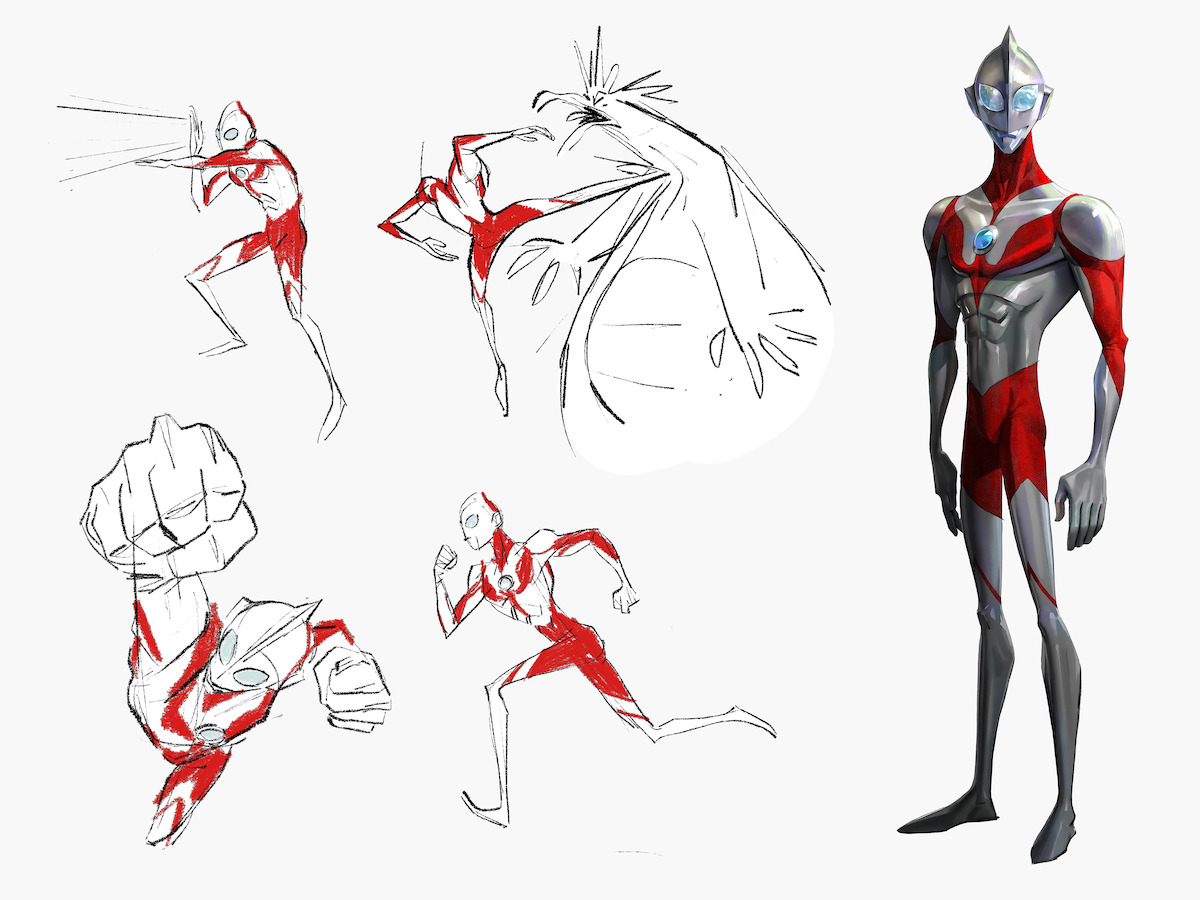
Ultraman (Sean) pose explorations by Tony Fucile and surface rendering.
With his Ultraman, Tindle wanted to take things back to the beginning, basing his hero off of the original series. “Even if you don’t know anything about Ultraman, there’s a good chance you’ve seen him,” Tindle says. “It was like, Okay, how can I do it in a way that feels just a little bit updated?” Drawing inspiration from the lanky proportions of the gigantic robots in the famous anime Neon Genesis Evangelion, Tindle accentuated the character’s alien nature, giving him long, sinewy limbs and a sleek, brushed-steel-looking exterior. “It’s probably my favorite costume design ever,” he says.
Much attention was paid to the character’s expressions and movements as well: Tindle decided that his Ultraman’s face wouldn’t move, but that his eyes would glow as he spoke. “It turned from almost having narration to a character talking,” Vig says of the choice. “I think this is a movie that will appeal to the purists because we definitely have some moments which are taken [frame for] frame from a very famous Ultraman moment.”
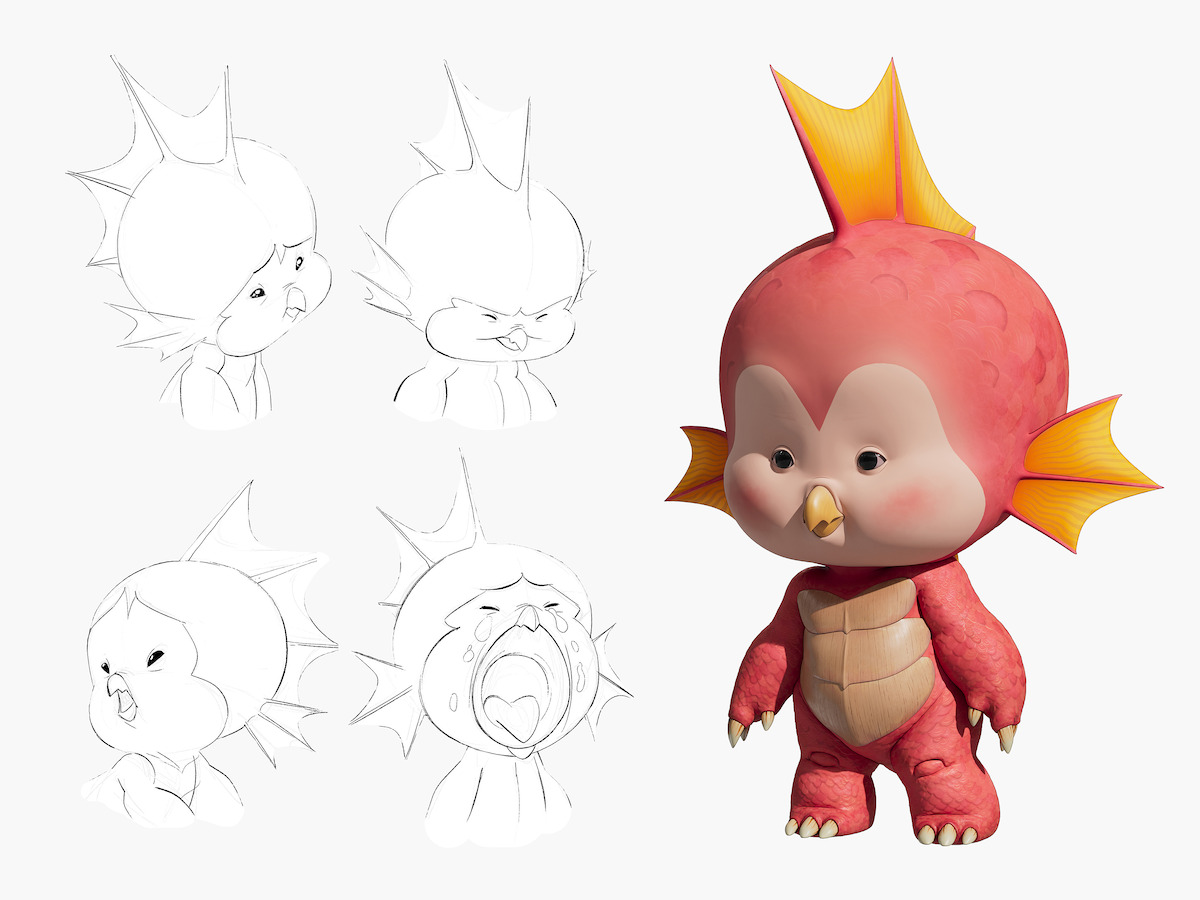
Expression study drawings and surfacing render of Baby Emi.
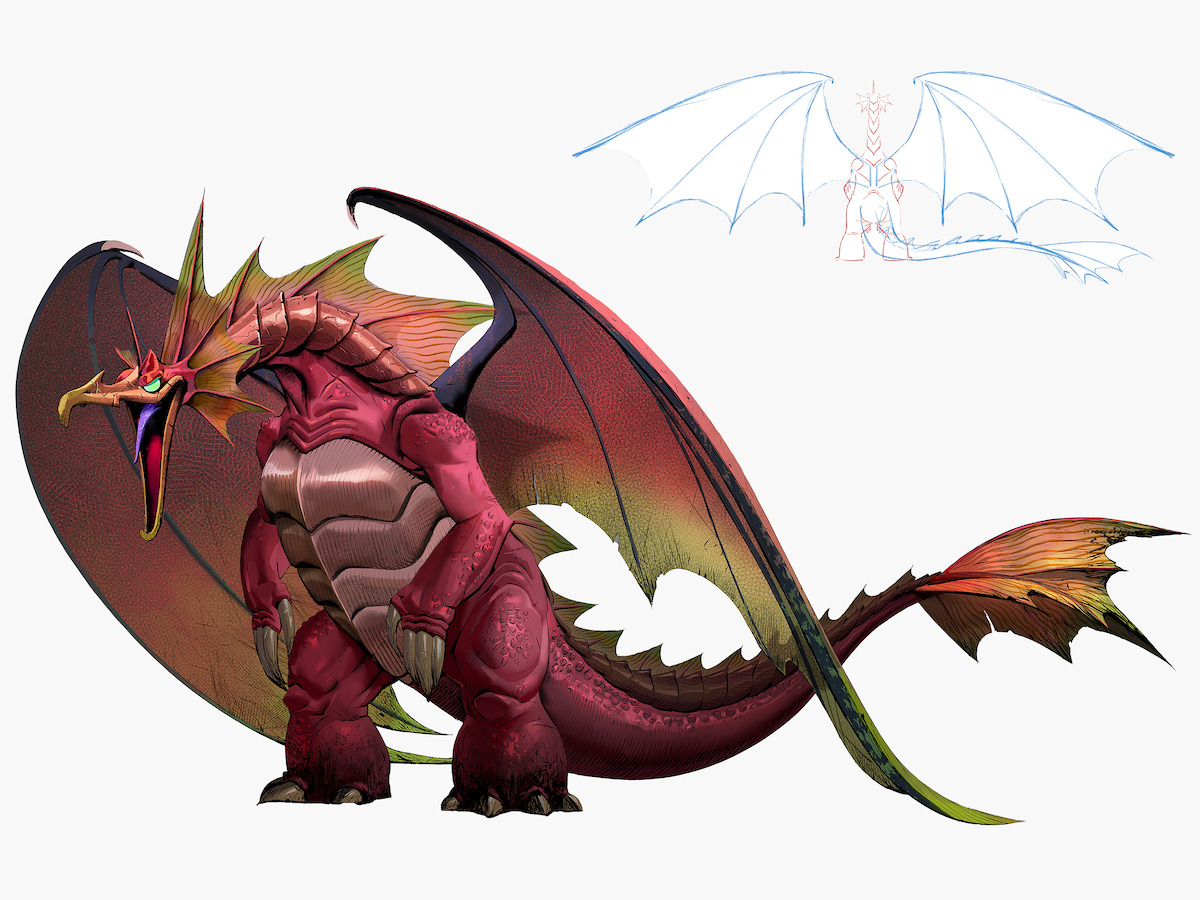
Gigantron design sketch by Shannon Tindle and surfacing render.
Equally as important as getting Ultraman’s look just right was making sure that the film’s most menacing kaiju — down to its adorable (but still quite large) baby Emi — felt believable. To align with the look of the original tokusatsu films, in which kaiju were played by people inside elaborate costumes, Tindle wanted his beasts to walk on two feet yet appear more naturalistic than the bulky figures from the 60s. For Ultraman’s new rival, Gigantron, Tindle and art director for characters Keiko Murayama crafted a dragon-like body with a birdlike face.
Gigantron’s baby — which Ken names Emi — follows the same principles: She has the same proportions as a toddler would, with an oversized head and wobbly body. And, like Gigantron, she bears some reptilian properties, including scales and fins, along with a beak. “As soon as we saw the initial designs for Emi, we knew we had to make sure that she was the star of the show,” says Jones. “We spent quite a lot of time working out how her plates worked on her skin, to feel natural but not overly engineered.”