Plus: Swapped hits a major milestone, and The Hawk swings to a strong debut.
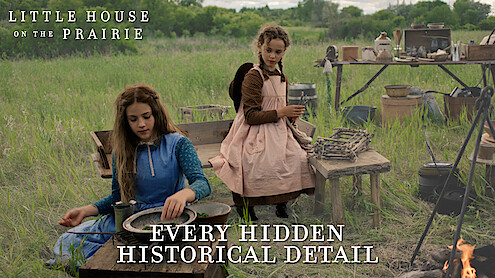
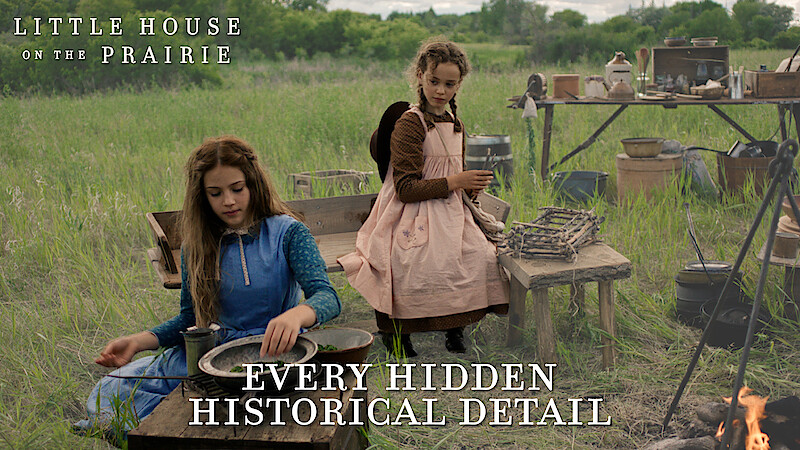
From Laura’s braids to Good Eagle’s blanket, discover the research behind every look.
Season 1 of Little House on the Prairie transports viewers to a different time, immersing them in author Laura Ingalls Wilder’s beloved adventure.
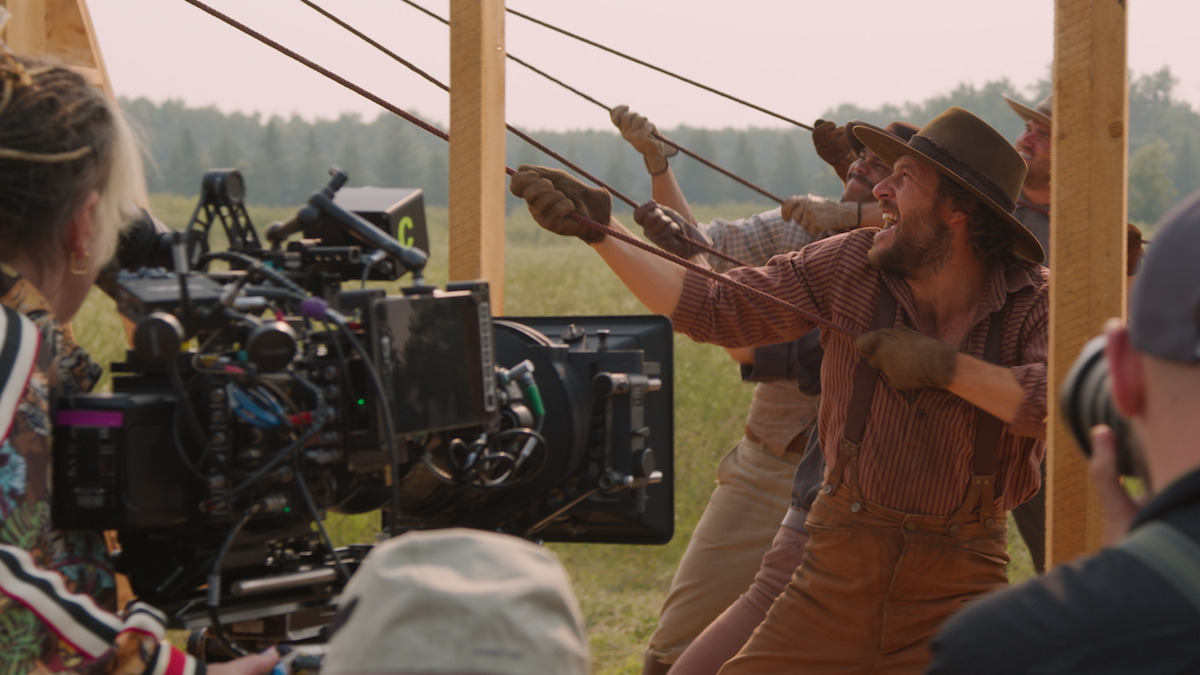
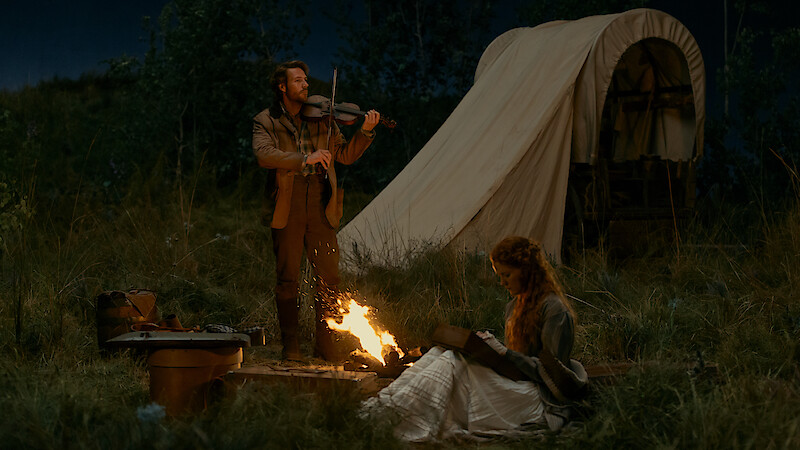
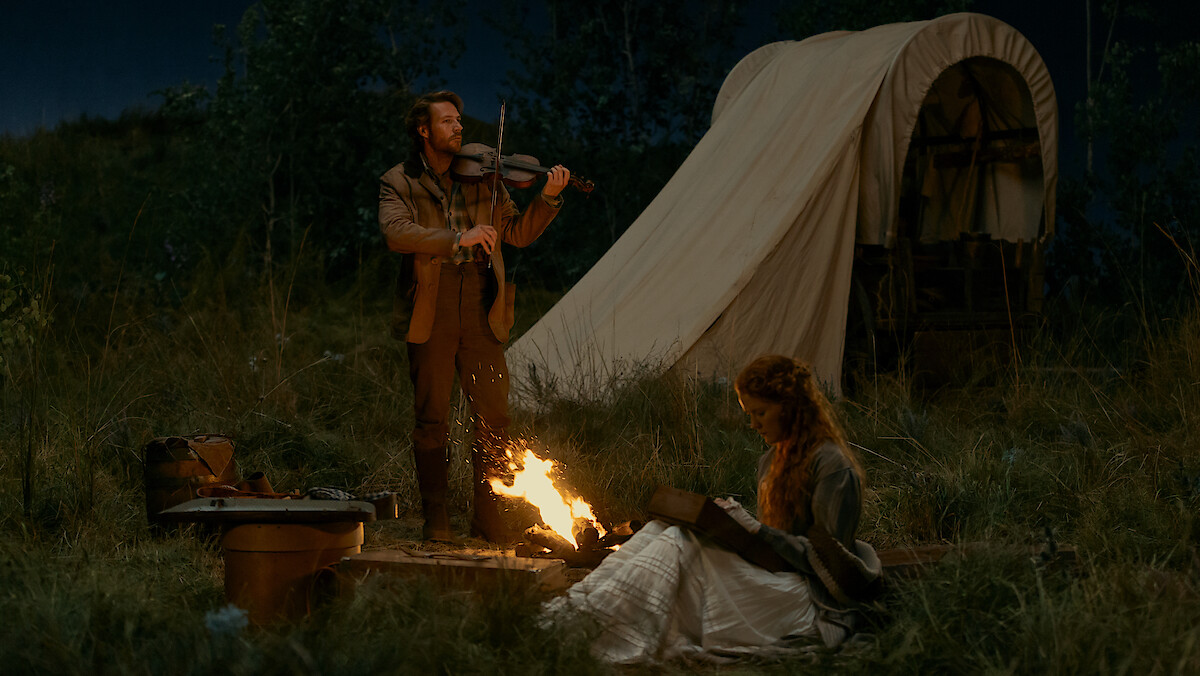
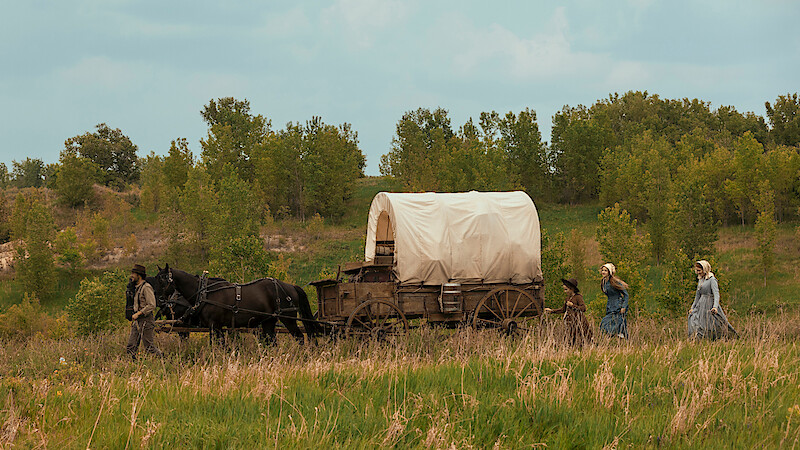
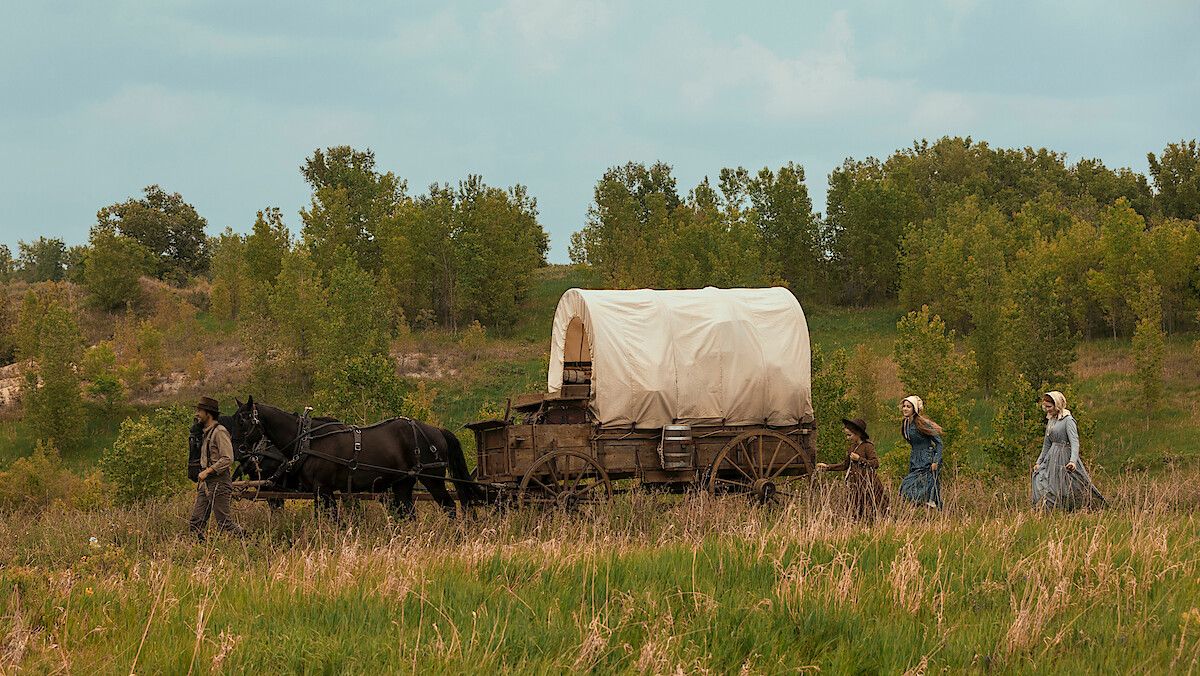
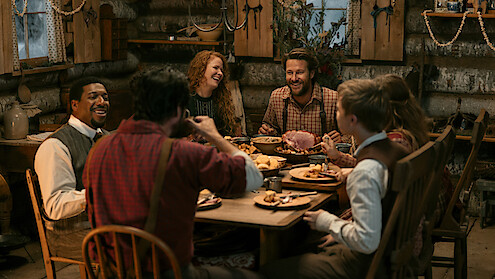
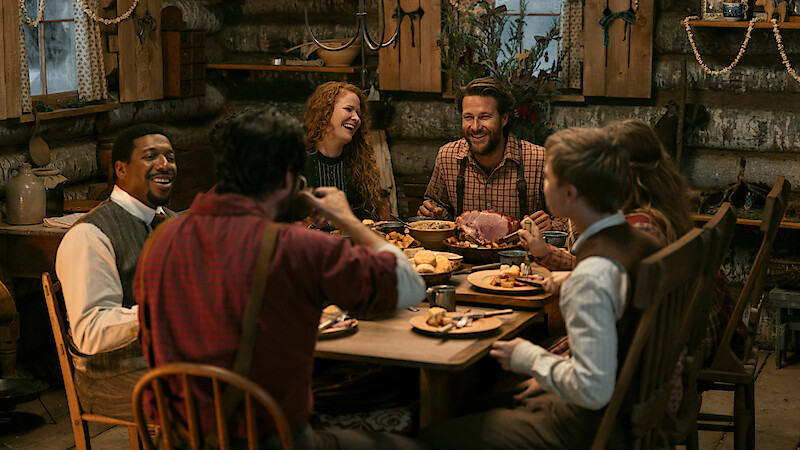
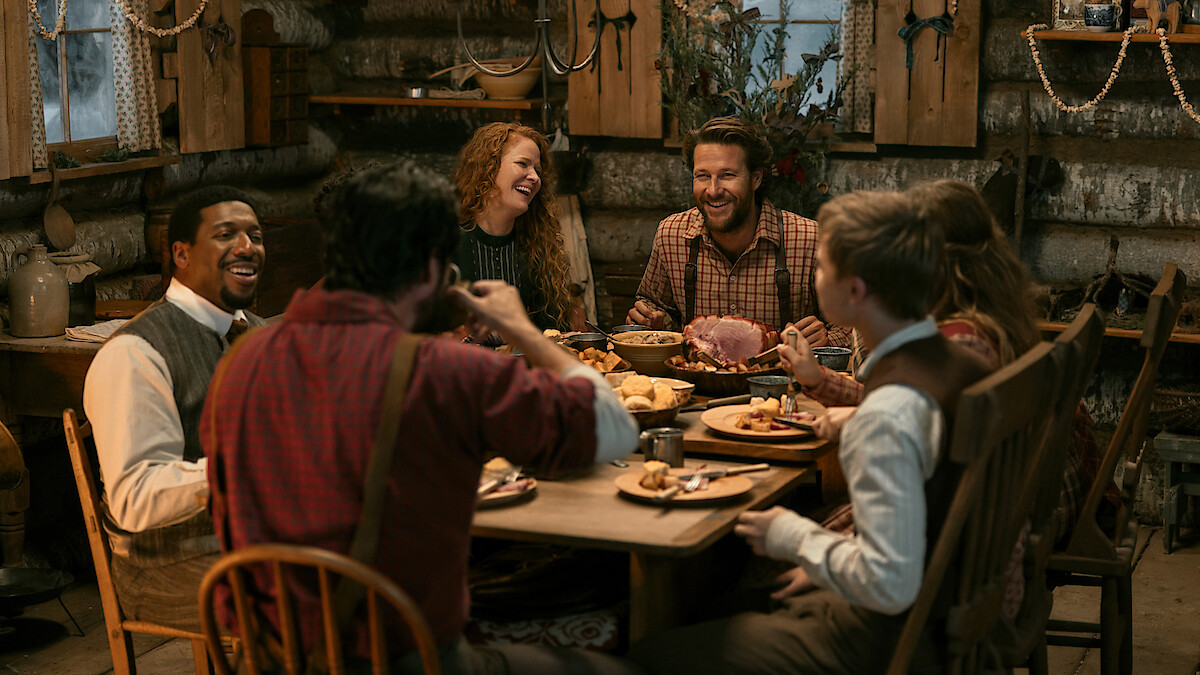
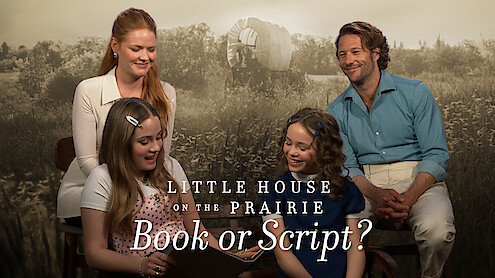
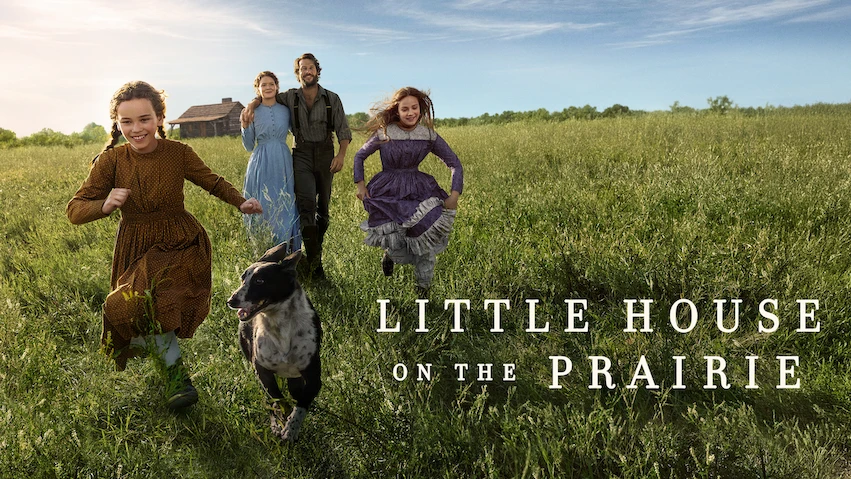
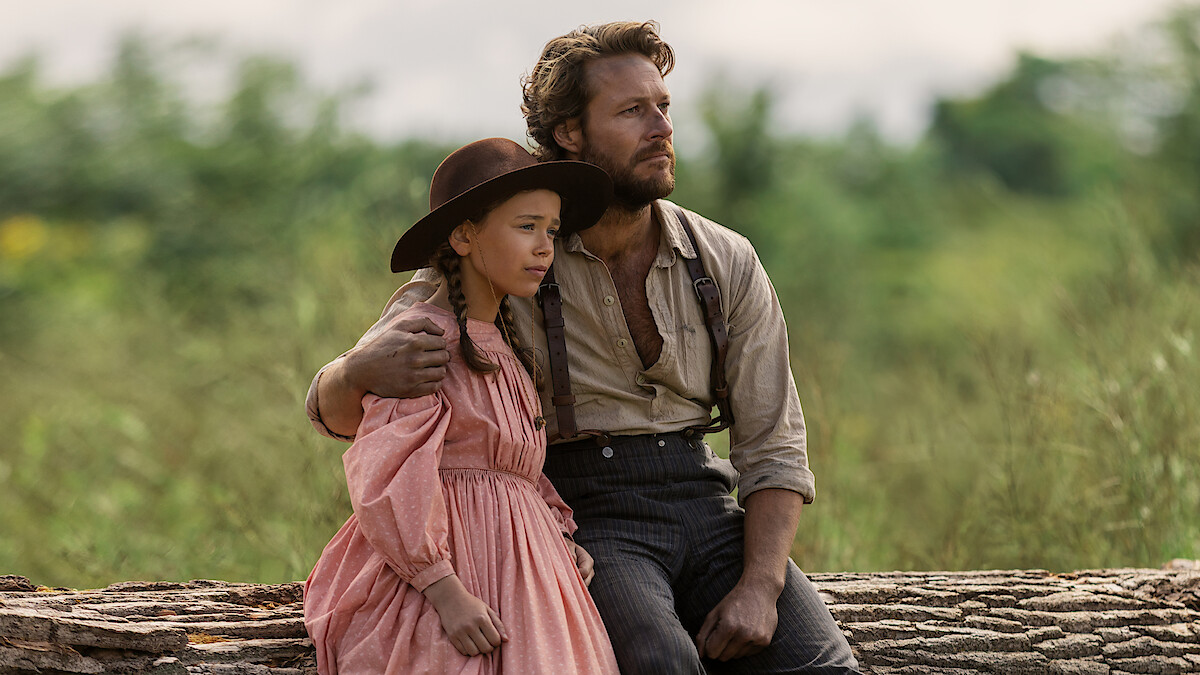
As Laura (Alice Halsey) bursts through a field of grass in period-perfect costuming, you feel your cheeks flush. Watching Mary (Skywalker Hughes) carefully take stock of the family’s belongings, you almost reach into your own pocket for a ribbon. You feel the sun blazing through your shirt as Pa (Luke Bracey) hauls logs to build their cabin, and tendrils of hair dance across your forehead as Ma (Crosby Fitzgerald) stands guard over her family.
You can thank the Little House on the Prairie creative team for these transporting moments. Inspired by the third Little House novel, Rebecca Sonnenshine’s series adaptation jumps off the page in large part thanks to the meticulous and mesmerizing work of costume designer Mitchell Travers, head of the hair department Forest Sala, and head of the makeup department Calla Syna Dreyer.
“We’re really trying to meld an aspirational quality to the characters, costumes, and landscape with a certain authenticity,” says Sonnenshine. “There were real challenges out on the prairie. This whole crew is filled with people who really love this project and the books, and they’re putting so much heart into being true to the time period. You’ll be able to feel how much everybody cared while they were making this show.”
For the show’s costumes, Travers (In the Heights, The Eyes of Tammy Faye) brought a razor-sharp attention to detail down to the last hand-sewn buttonhole, treating pieces with a patina to reflect the wear and tear of the elements and using 1800s laundry methods. Dreyer (The Day the Earth Stood Still) and Sala (Mission: Impossible – Ghost Protocol) considered how heat, dust, and wind would shape the characters’ hair and faces, and leaned into 19th-century grooming methods.
All of the crafts department worked closely with cultural consultant Julie O’Keefe (Killers of the Flower Moon) and Osage scholar and consultant Robert Warrior to help expand the canvas of the original story to include the community who inhabited the land before the Ingalls settled there. “One of the reasons to do this was to fully realize the Osage characters, who are a presence in the book,” says Sonnenshine. To build these new characters, O’Keefe and Travers did hours of research, pulling references from the Osage Tribal Museum and National Museum of the American Indian, commissioning contemporary Osage artisans, and diving deep into the 19 Osage families who remained in Kansas after the settlers arrived.
Below, Travers, Dreyer, and Sala break down the research, artistry, and historical details that shaped Little House on the Prairie Season 1.
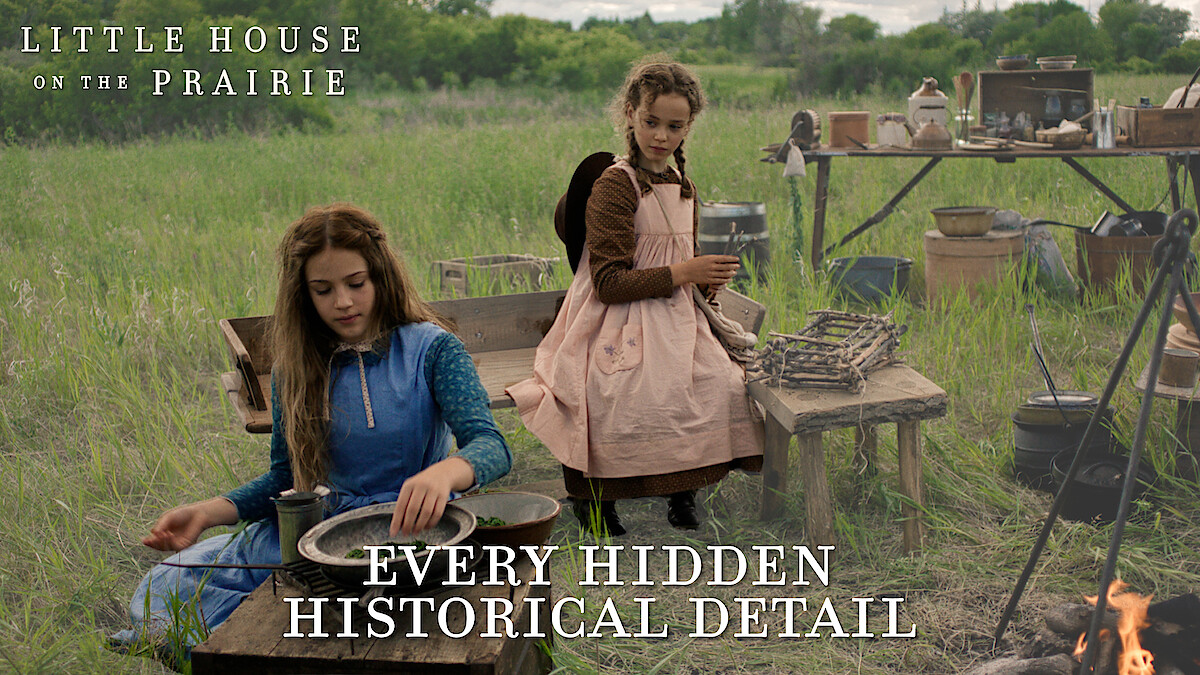
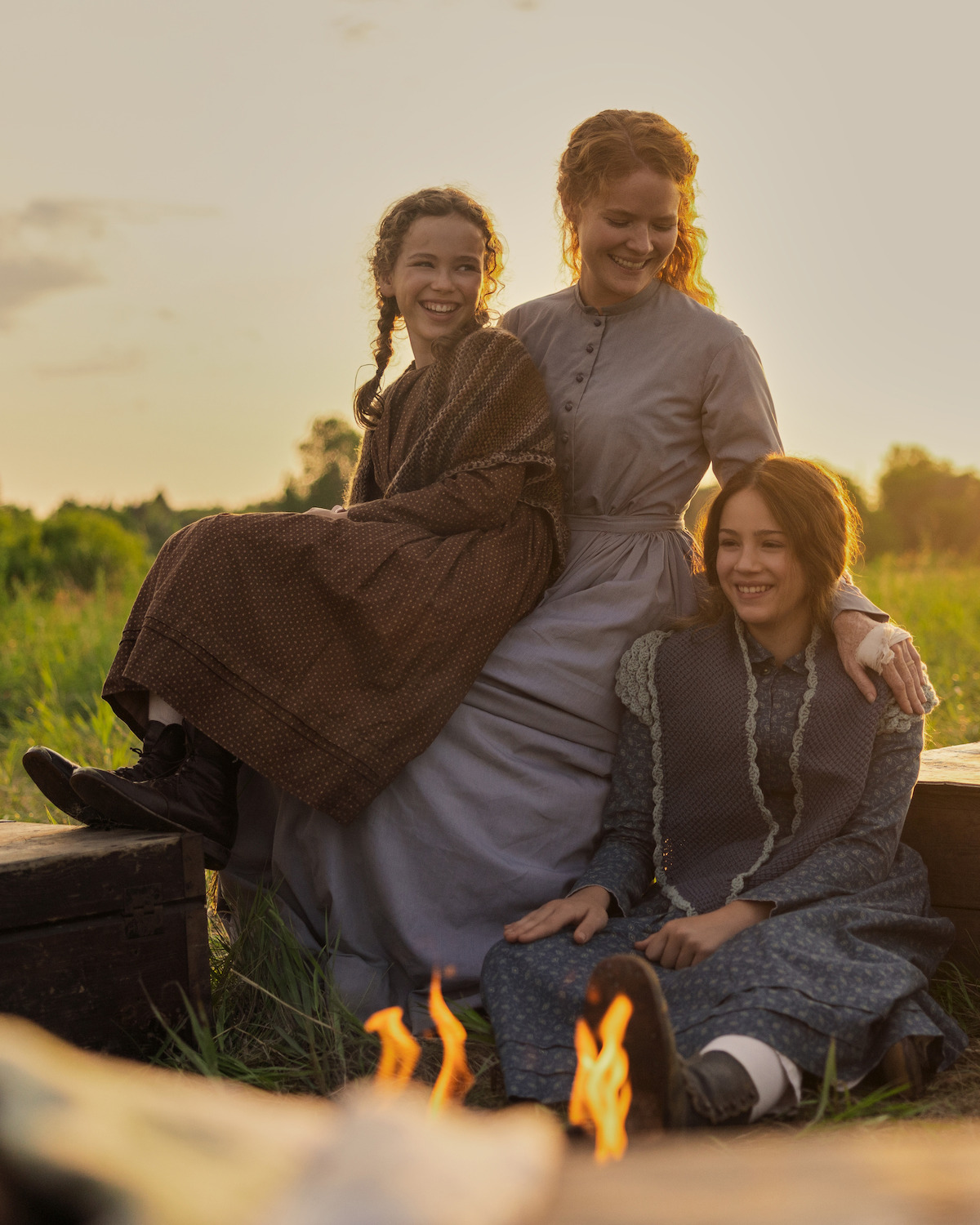
“I would describe the costuming for the show as handmade,” says Travers. “It was really important that we feel the hand on things that felt of another time.” For the costume team, that meant crafting hand-stitched buttonholes, homespun cotton, basket-woven bonnets, and nail-studded boot soles, which were all authentic to the period.
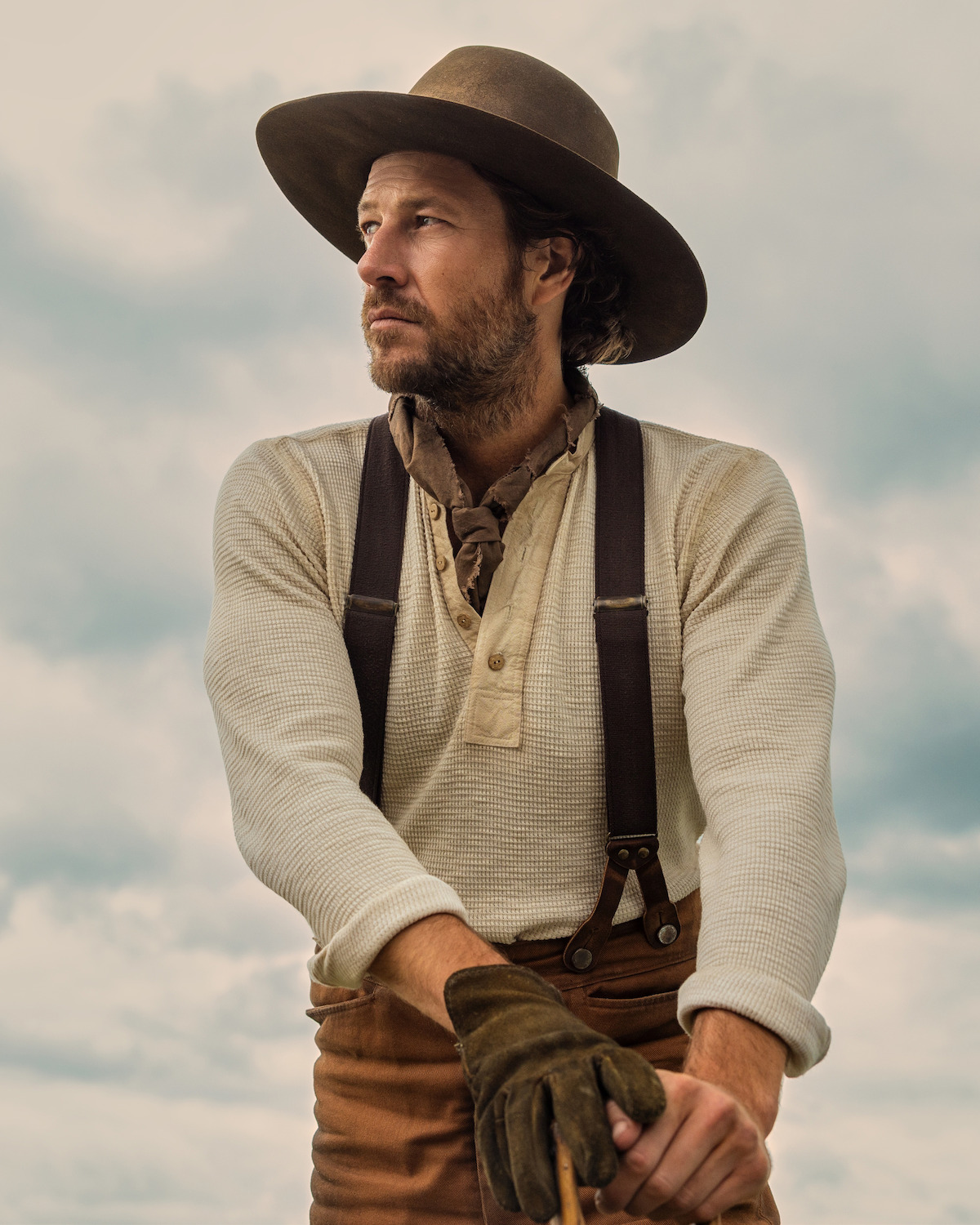
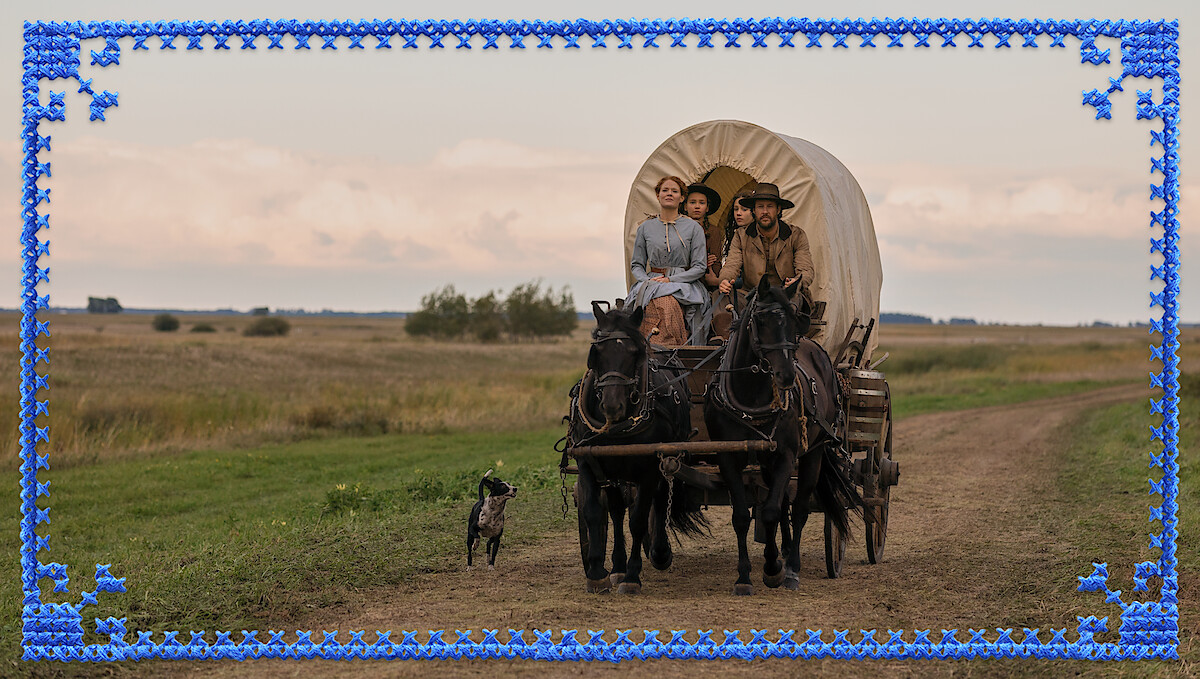
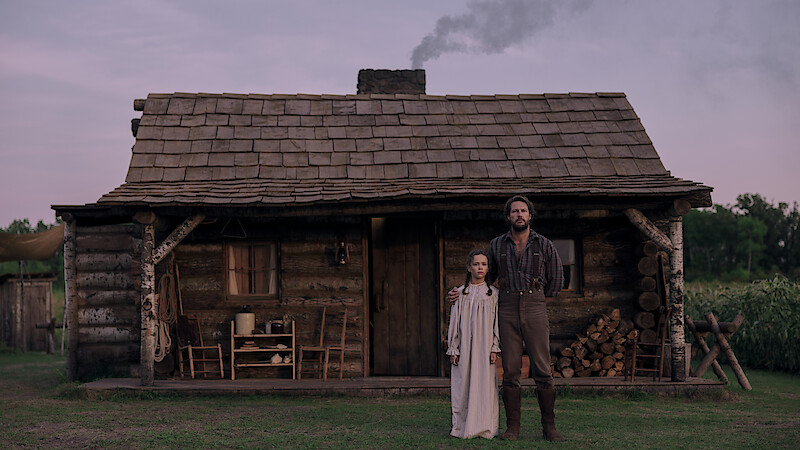
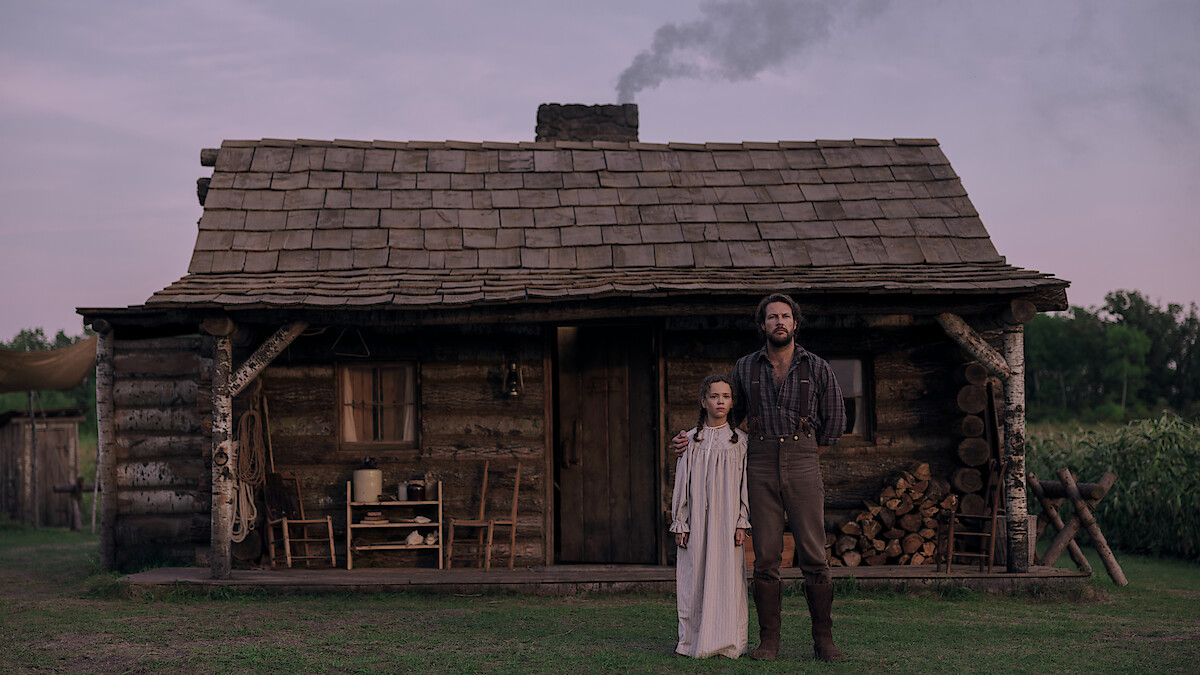
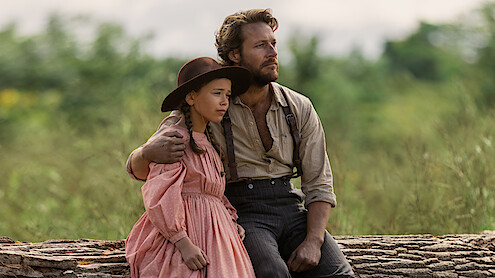
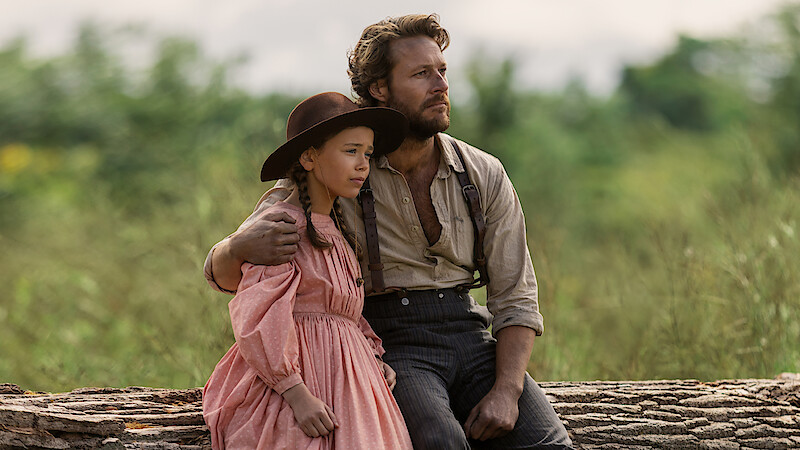
“For Charles, we wanted something sturdy and paternal in the chaotic landscape — a sort of uniform,” Travers describes. “His silhouette stays the same throughout the season, providing comfort and consistency as everything else changes.” Pa spends most of his time outdoors, so his clothes have a lived-in hue and patina.
According to Bracey, putting on Pa’s clothes became a huge part of finding the character. “Luke said it usually takes a few weeks to get used to being a character, especially in a period piece, but the minute he put on his Pa costume, he knew who he was,” recalls executive producer Joy Gorman Wettels. “That’s Mitchell Travers.”
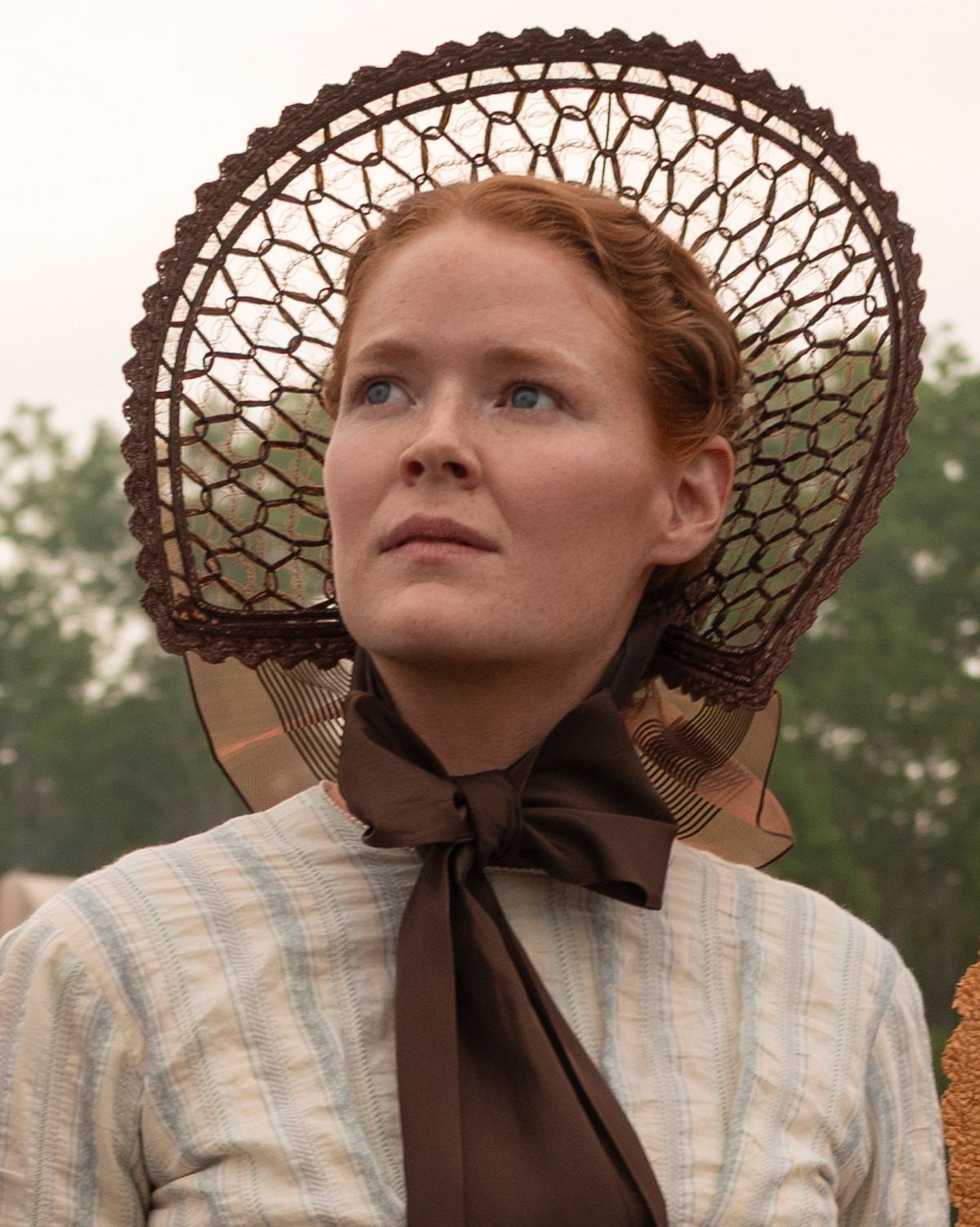
“For Caroline, we wanted her to hold onto the old way of living. She’s tightly wound at first, wearing the same dress and unwilling to accept her new reality,” Travers says. “She sacrifices for her children, giving them the better fabric and shoes. As she connects to the prairie and finds new friends, her costumes become more serene and playful.” By the end of Season 1, Caroline’s garments feel more at home on the prairie, with certain hues, materials, and patterns that blend naturally into her surroundings.
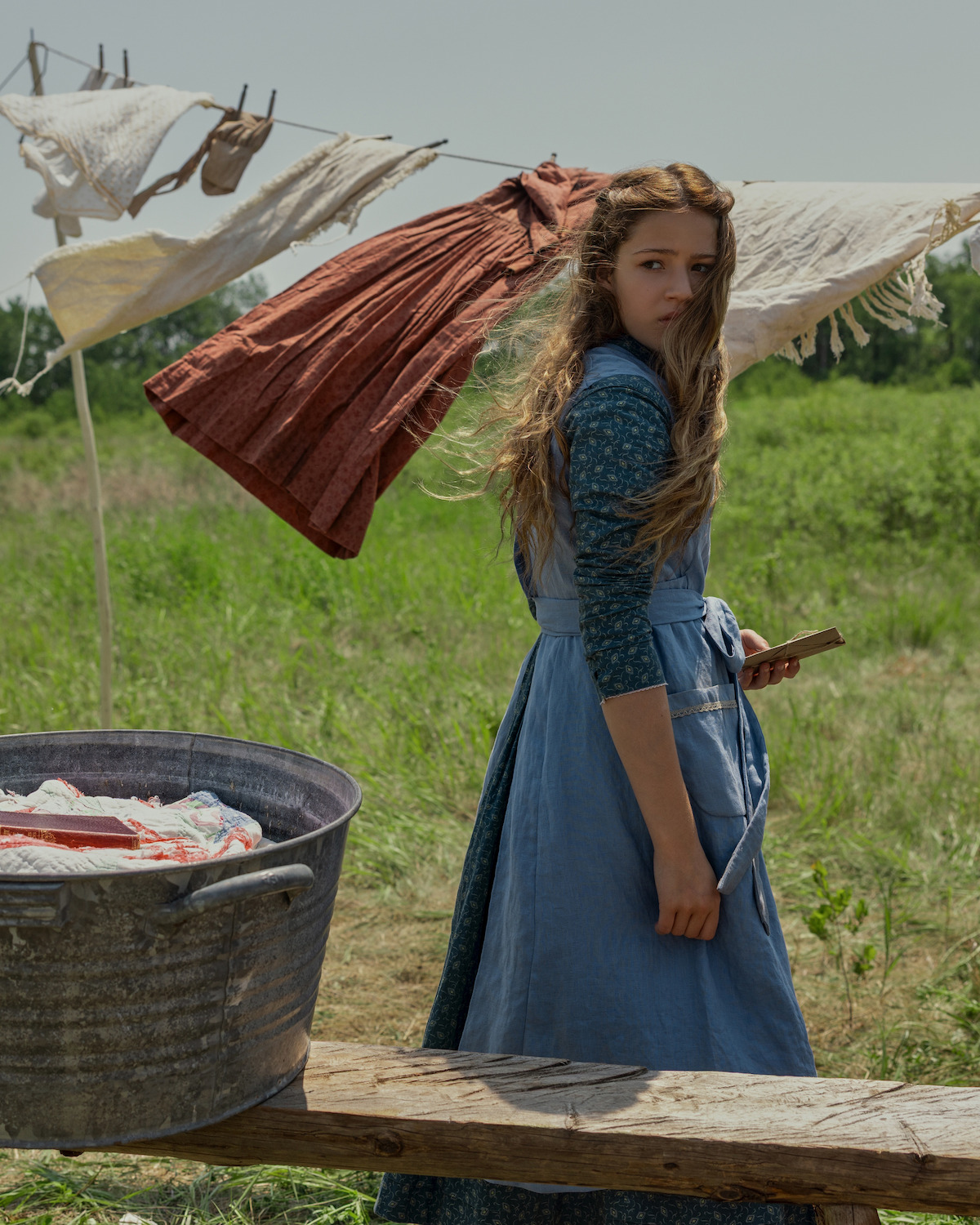
Mary’s presentation matters to her, even in a new rugged setting. She helps Ma make sure each Ingalls always looks put together. “We laundered the costumes the same way prairie women would have,” says Travers. “We found that these clothes work really well for hot summer days — they’re breathable and practical.”
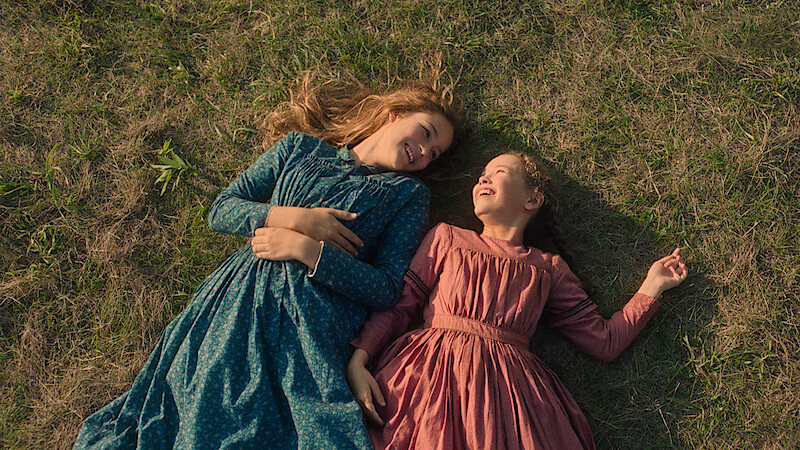
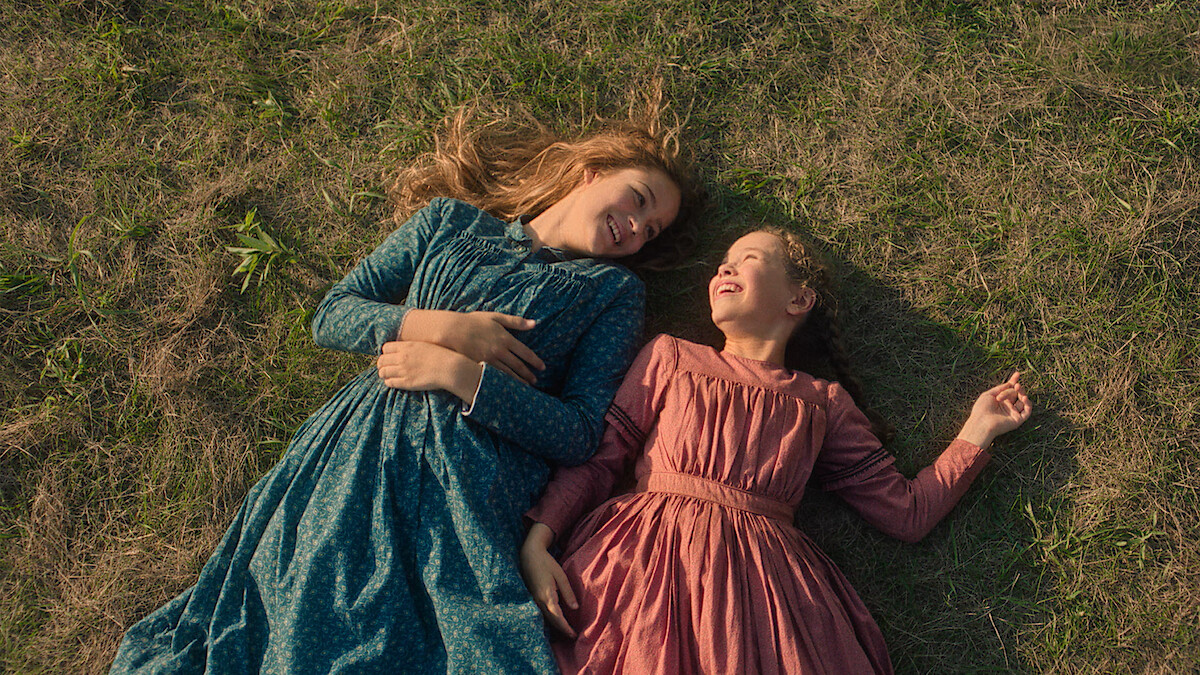
Mary has one of the hardest adjustments to prairie life, compounded by the isolation of experiencing it so differently from Laura. “When Mary was an only child, her parents could provide more,” says Travers. “She likes frills, lace, and ruffles. For Mary, we wanted her to be playful, feminine, and soft — even in harsh conditions.”
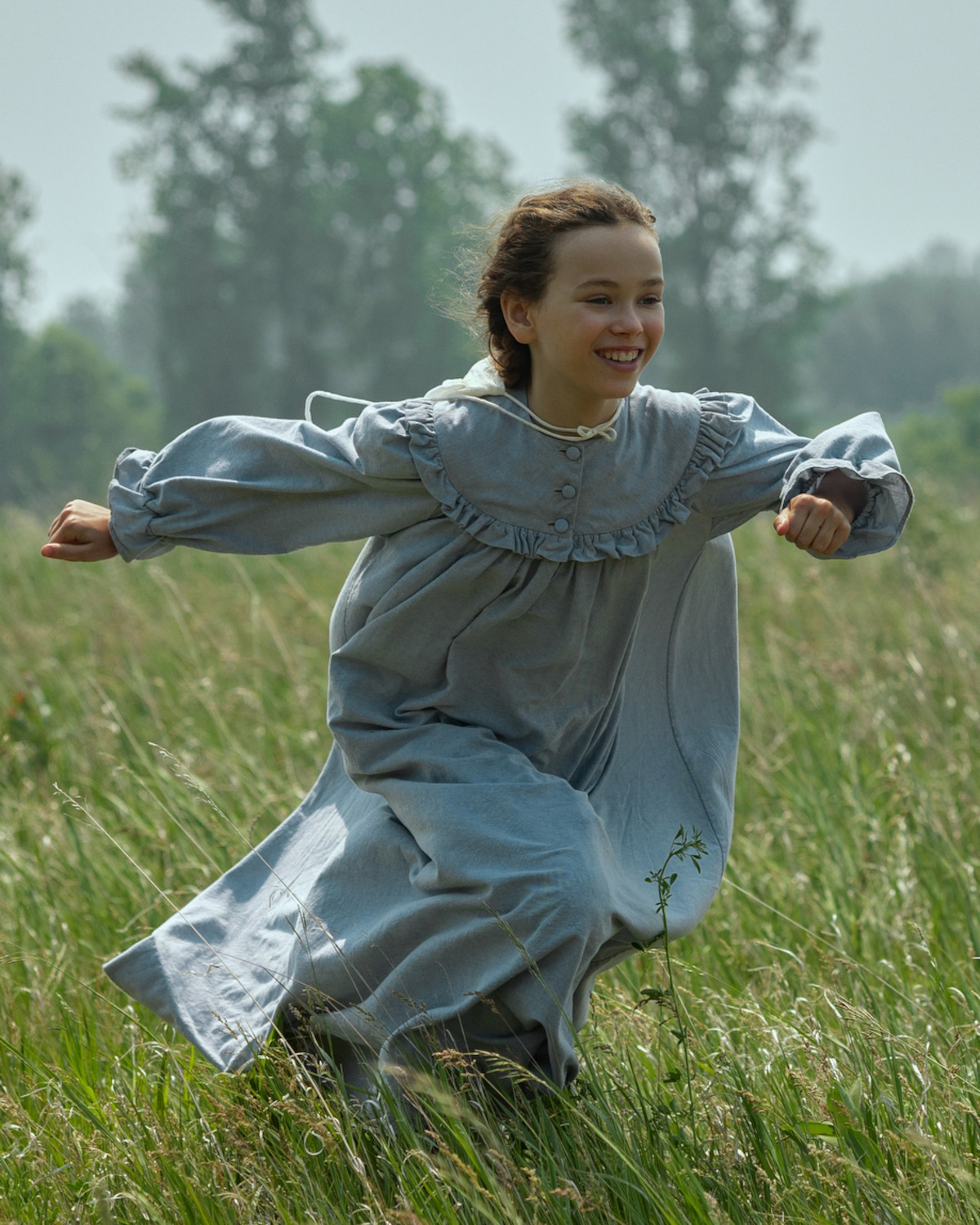
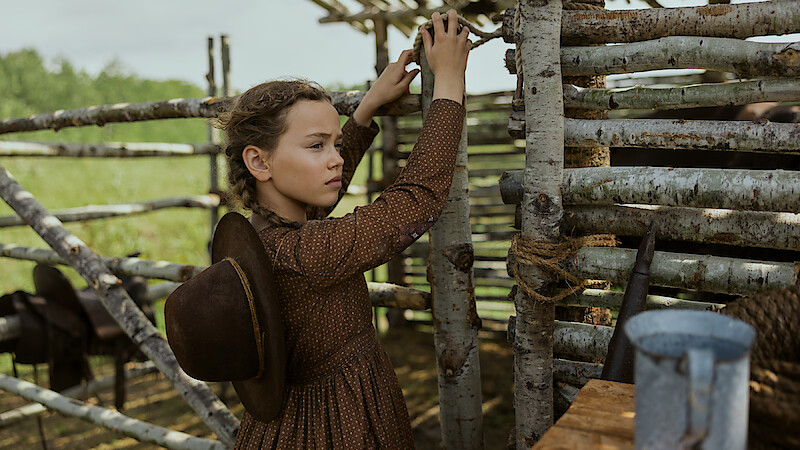
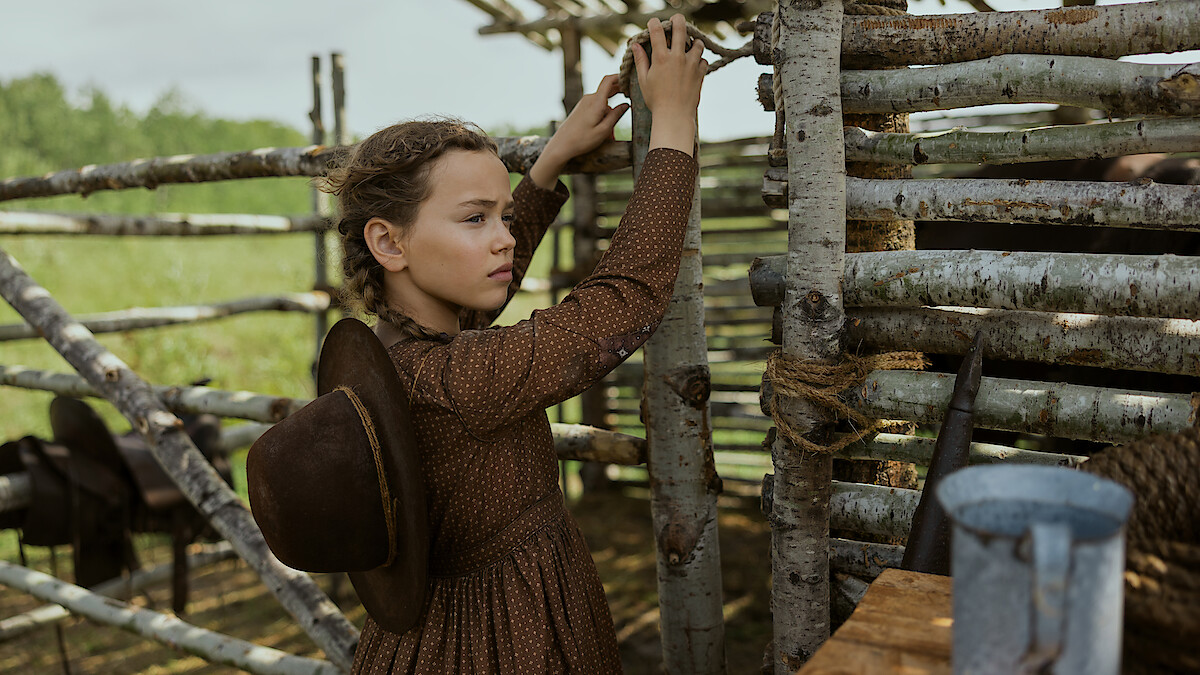
“For Laura, it was important to show she’s the younger sister,” Travers notes. “Laura, who doesn’t care about frills, wears these formerly beautiful dresses and trashes them as she plays.” Laura’s more inclined to accessorize with a slingshot than a ribbon.
Laura brings her own flair and sense of style to Mary’s hand-me-downs. “So much of this family’s entertainment would have been the construction of their clothing,” Travers says. “I wanted things to feel special and familial, and to get as much of that feeling of human hands into everything as I could.”
The land looms large in Little House on the Prairie Season 1, so the hair and makeup teams considered how all of its mercurial elements — wind, dust, heat — might impact the characters’ appearance.
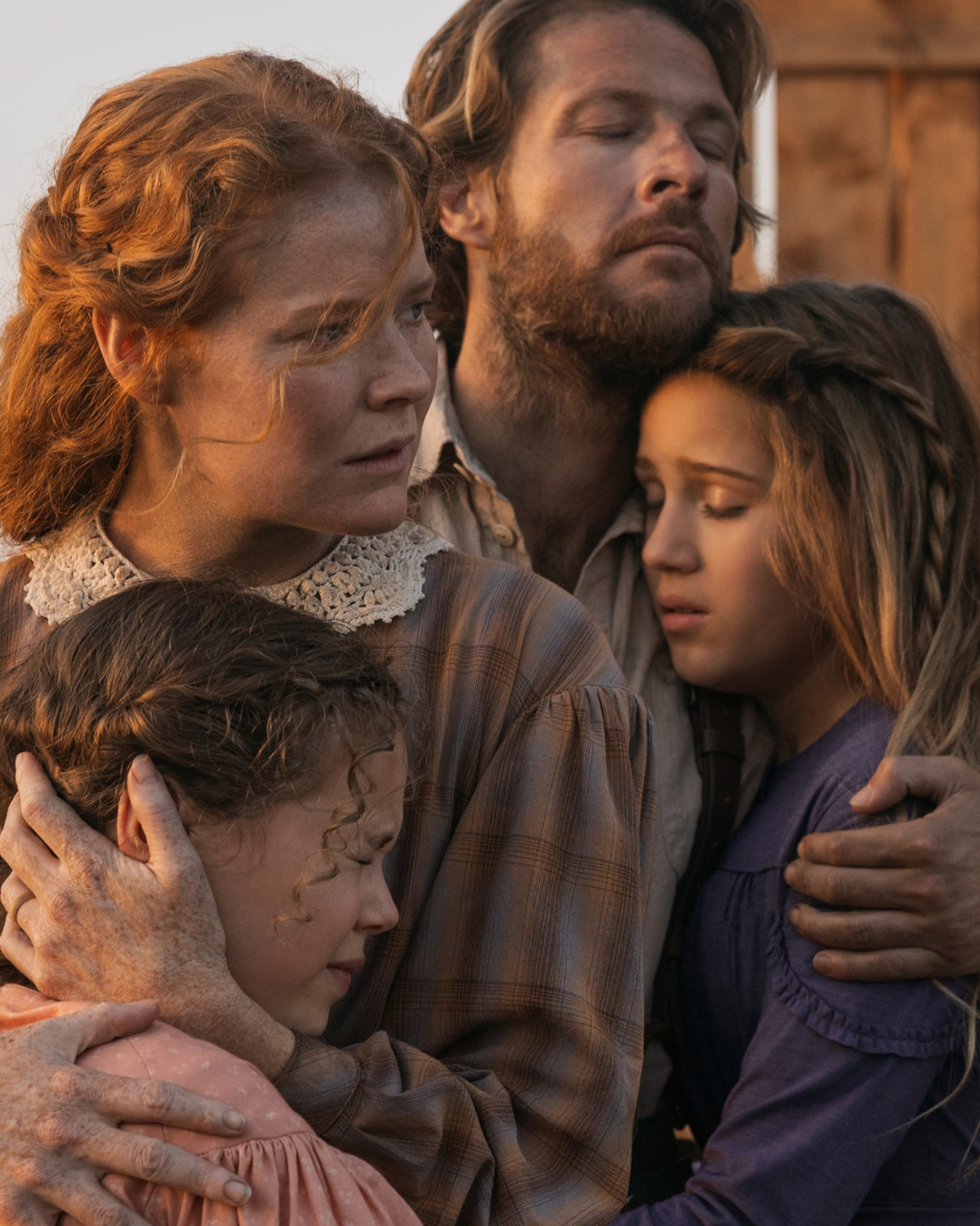
The Ingalls family and their Independence neighbors endure a prairie fire, malaria, snowstorm, and many other challenges posed by the changing seasons. “We wanted to have hair that moved with the wind — a rugged, rough look so people looked like they’d gone through things,” says Sala. “We aimed for realism, not just regular TV looks.”
The hair and makeup team translated the wear and tear of prairie life into a look of gritty perseverance on each character’s face. “Sometimes it was too windy, too rainy, or very warm. There were days with all the muslin, corsets, and wool, and things were melting,” says Sala. “It was an experience for all the seasons.”
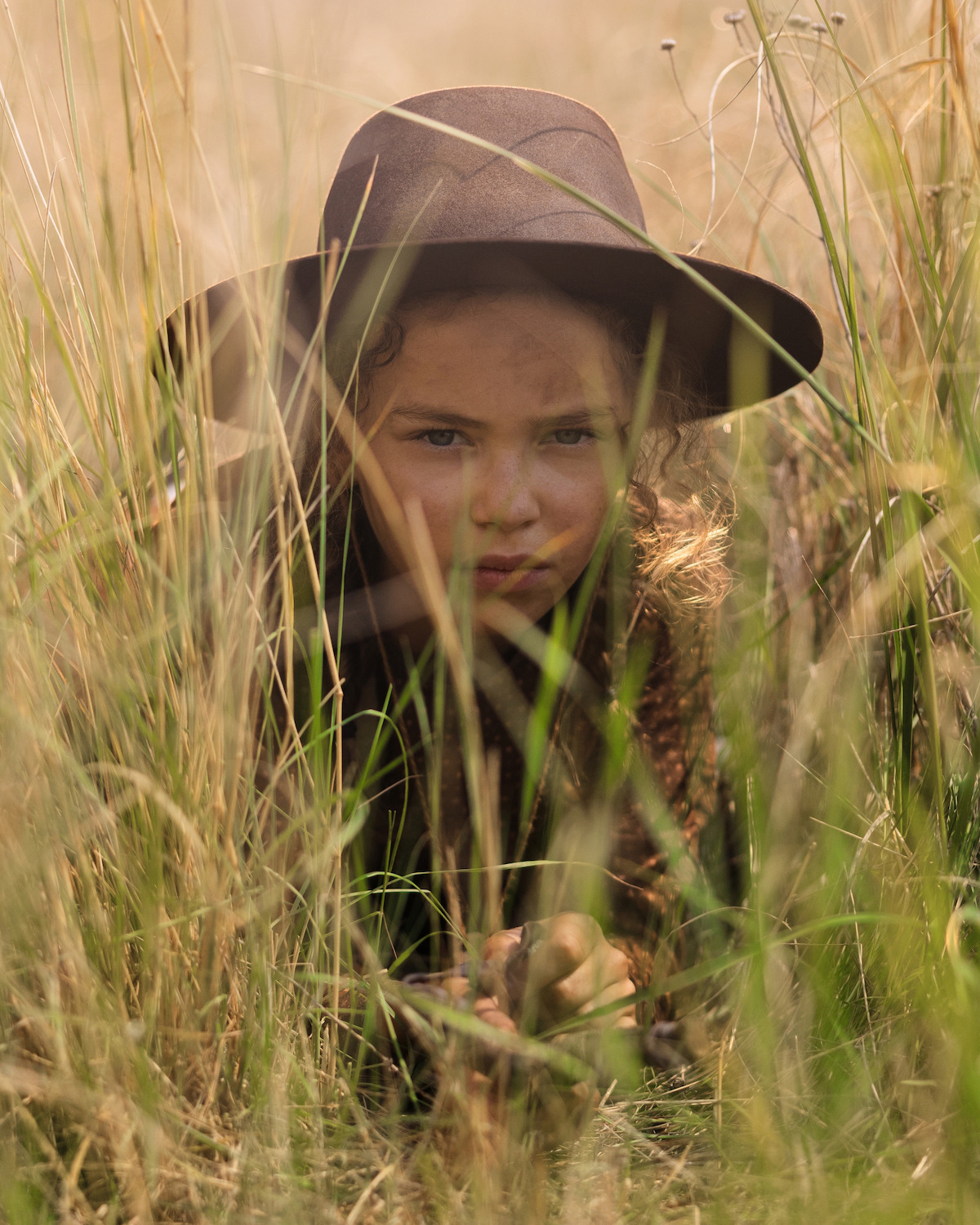
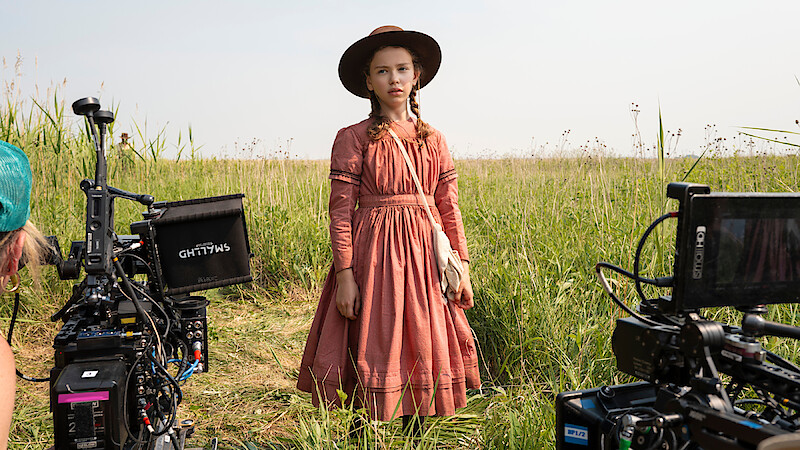
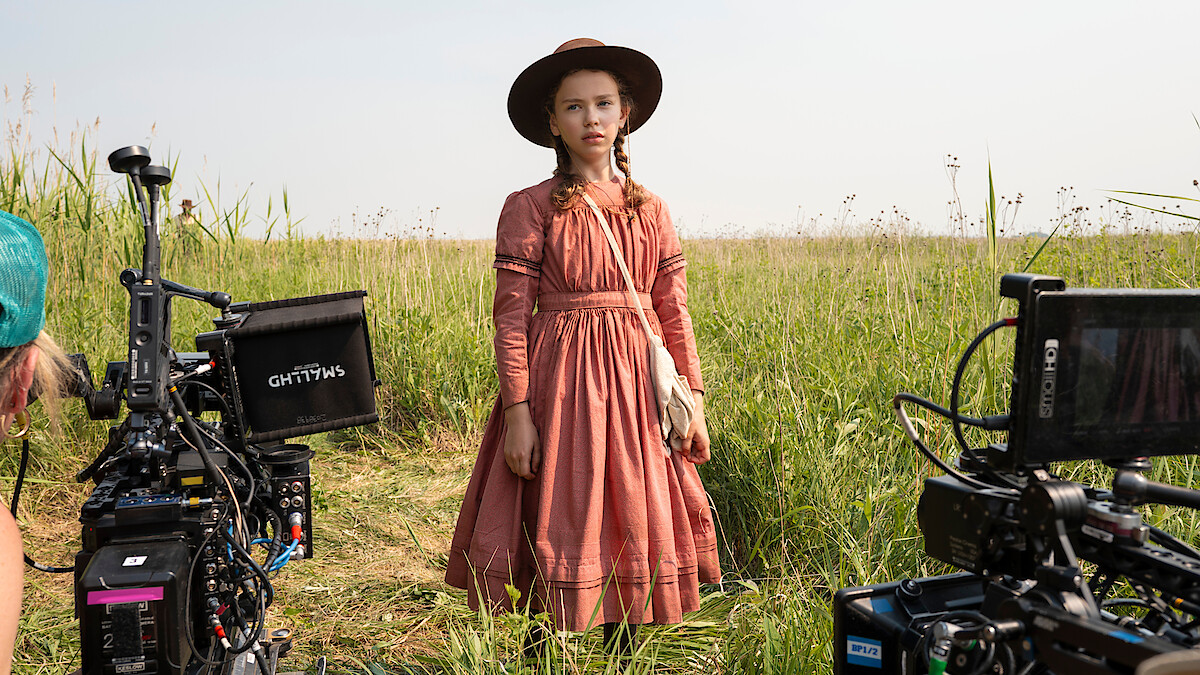
When you think of Little House on the Prairie, Laura’s hairstyle is one of the first images that come to mind. “We tried to keep it true to the story, keeping the same look with Laura’s braids,” says Sala. “It helped a lot.”
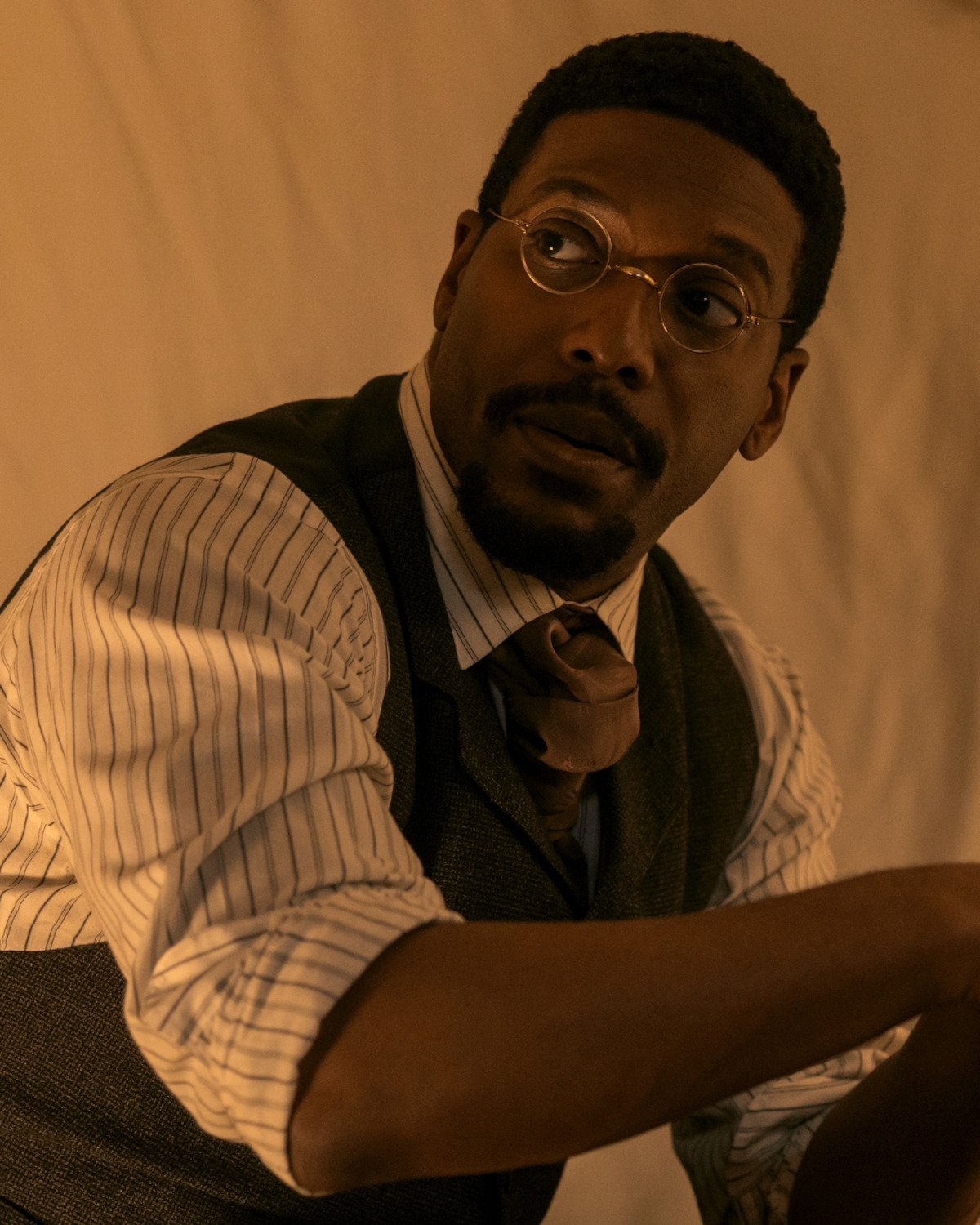
Sala and Dreyer also looked to 1869 grooming styles when designing the men’s hair: “At first, Dr. Tann’s (Jocko Sims) hair was too tight and contemporary, so we softened it for the period,” says Sala.
Dreyer researched period facial hair, particularly for characters like Edwards (Warren Christie). “How does the beard work fit the period?” says Dreyer. “Hopefully, you feel like you’re really there when you watch it.”
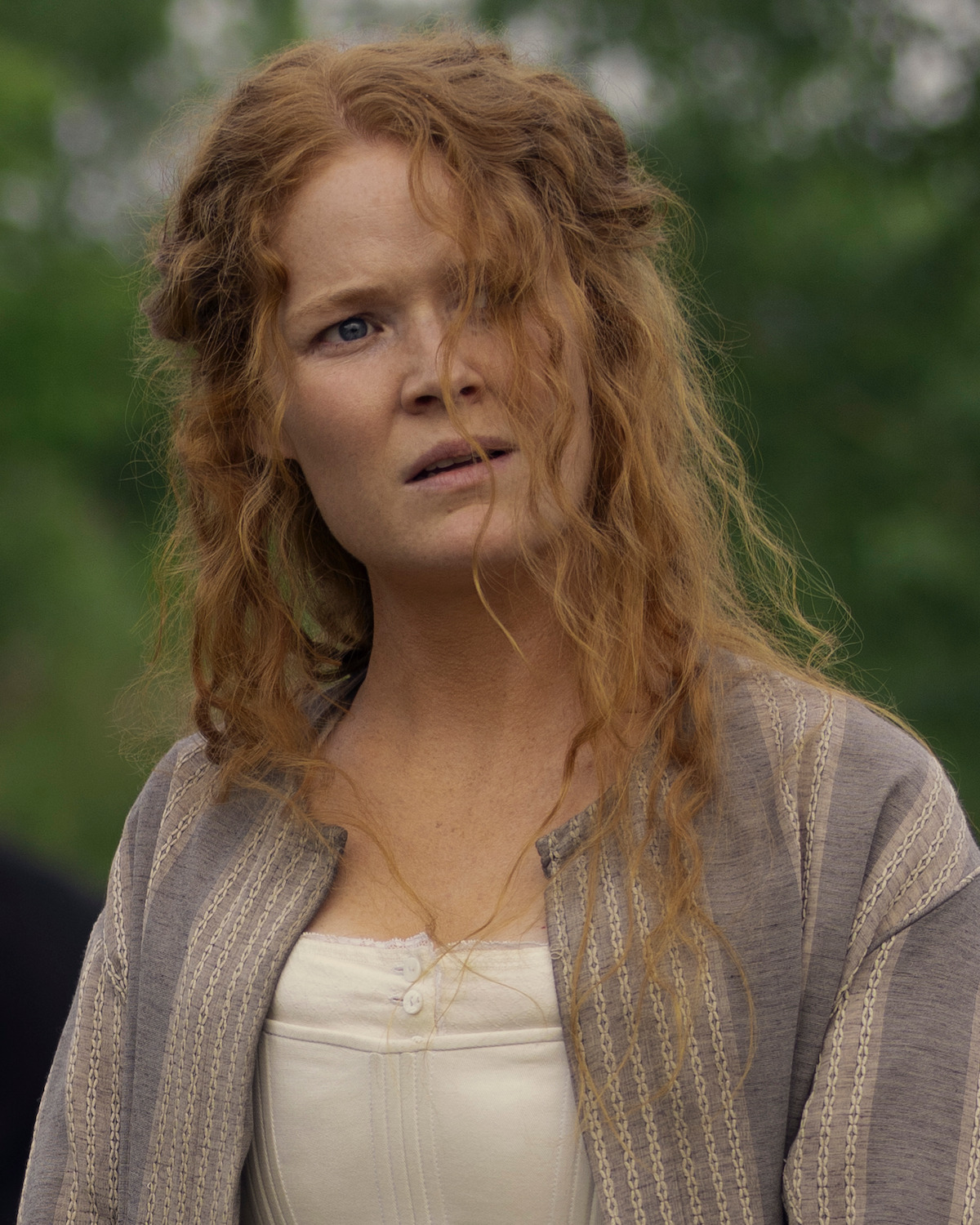
“Caroline’s makeup is about thin, sheer layers,” says Dreyer, “sculpting and shading to bring out features, so it looks natural but fits the environment.” Because Caroline is such an expressive character, the makeup remained subtle enough to let every moment of fear, joy, and curiosity shine through.
To bring these new characters to life, Sonnenshine relied on O’Keefe and Warrior to ground every detail in Osage history and culture. “The Osage storyline is fundamental to the history that is in the background of the story that Laura Ingalls Wilder tells,” says Warrior.
O’Keefe was crucial in bringing contemporary Osage designers and artists to the production. “Julie was clear‑eyed and honest about what our challenges were going to be in presenting to the Osage elders and making them comfortable with us portraying a chapter of their history that had never been portrayed,” says Gorman Wettels. “She promised that we’d hire Osages to craft these costumes and make the cradleboard, to do the ribbon work, to bead the vests.”
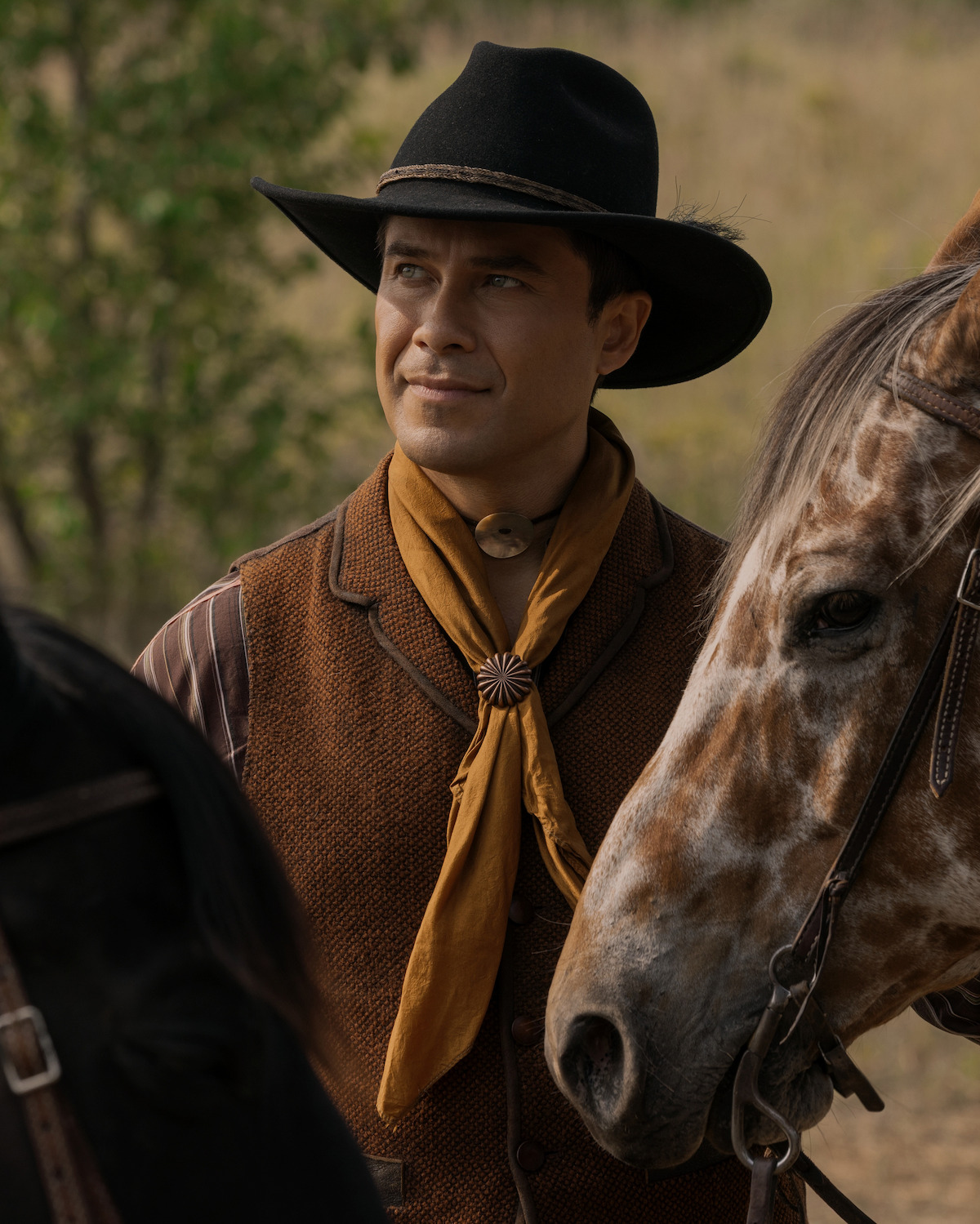
“One of the traditional pieces in Osage men’s clothing is a scarf, which they definitely traded with the French,” O’Keefe adds. “William would have worn a traditional tie at boarding school where he learned Caucasian dressing. One of his tie slides has a half-moon with a star, which shows he was a Native church member. He wants to represent different sides of himself.”
William Mitchell (Weegwun Fairbrother) studied at the Osage Mission as a child, where he learned to read and speak English. “Mitchell is the epitome of culture clash,” says O’Keefe. His wardrobe had to represent this balance on a practical level — as he moves between farming in the fields and working as a translator — as well as on a deeper one. “We’re signaling all the time with our clothing,” says O’Keefe.
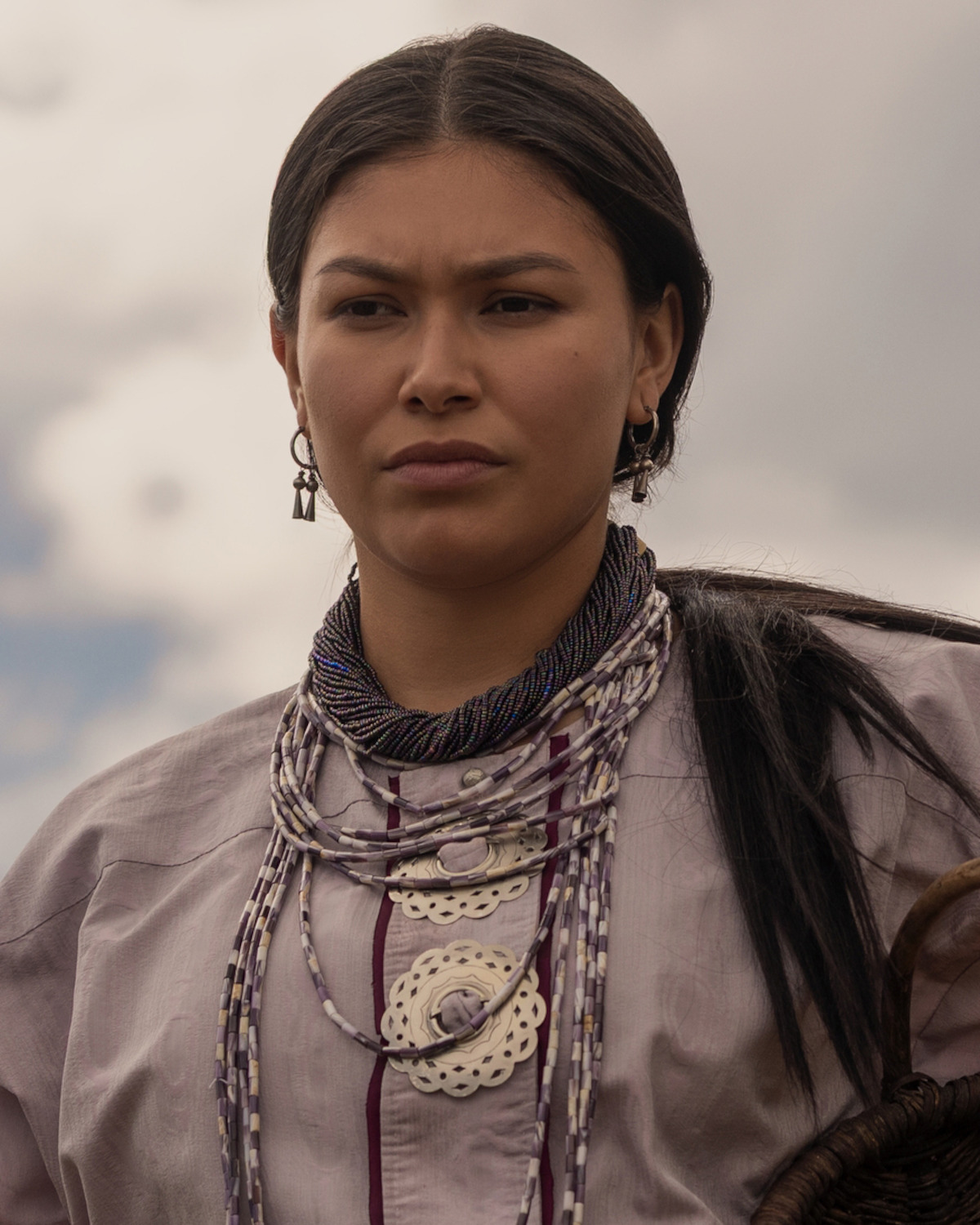
The way a character dons a blanket signals rank in Osage culture, but it can also tell you something about their day-to-day life. Because White Sun is a mother, the team also considered her style in practical terms. “White Sun wears her blanket with that utility style, where it goes underneath the arm, and she flips it back,” says O’Keefe. “What were people really doing? If your child was running off, you weren’t thinking about your blanket; you were thinking about grabbing your child.”
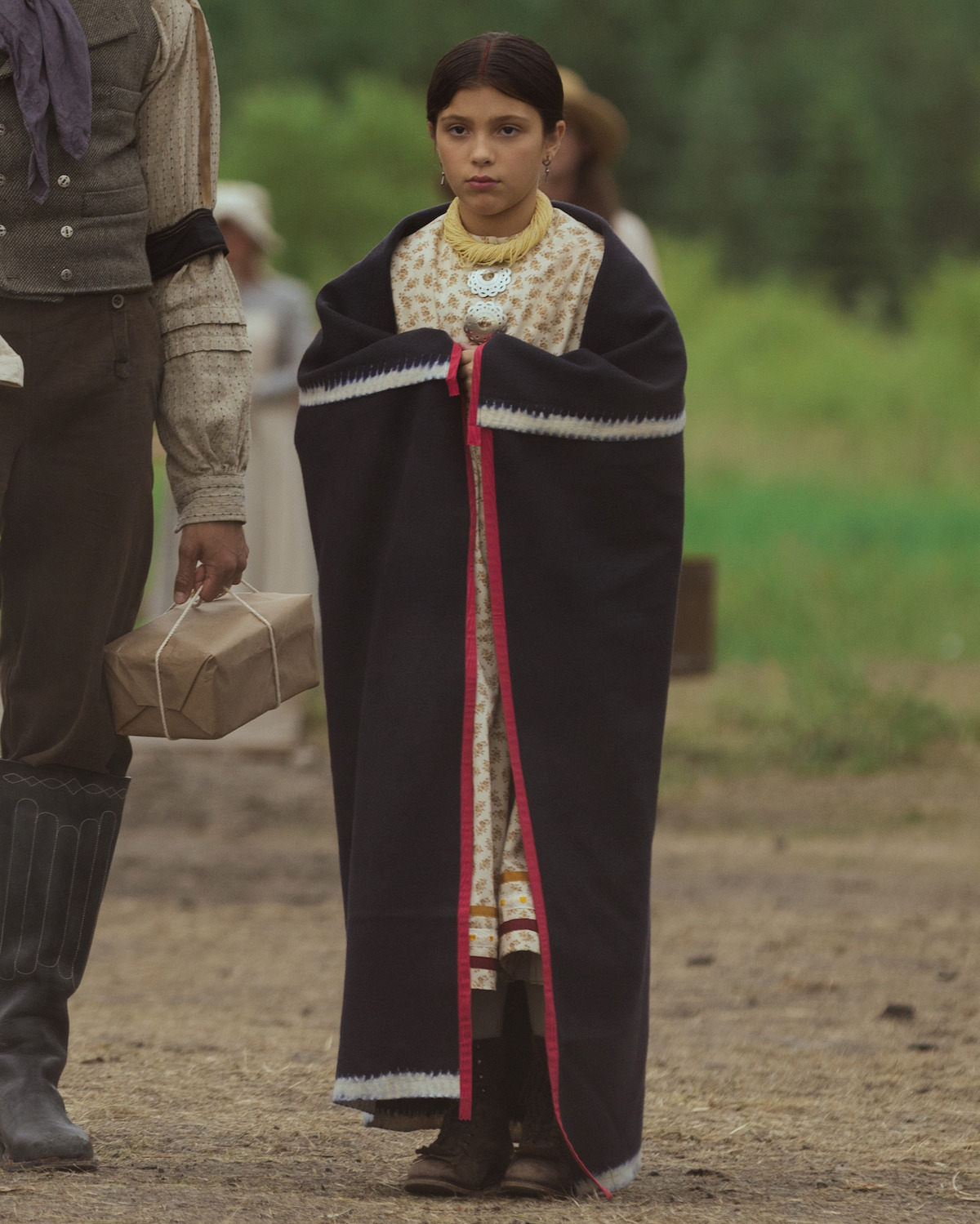
For Good Eagle’s (Wren Zhawenim Gotts) wardrobe, the team sought a playful balance true to her mixed heritage and childlike curiosity. “Good Eagle is between two worlds — traditional dress and being inspired by the Ingalls girls,” says Travers.
To create Good Eagle’s look, O’Keefe combined references from multiple historical sources, which helped bring the character to life with specificity: “There was one painting from the Saint Louis Art Museum of a young woman who has a red part in her hair. Then there’s this other girl in an 1870s dress with boots. We brought those two people together,” O’Keefe says. “A friend of mine happened to have a piece of Stroud cloth, which is very hard to get. We had enough for one 9-year-old girl for one blanket.”
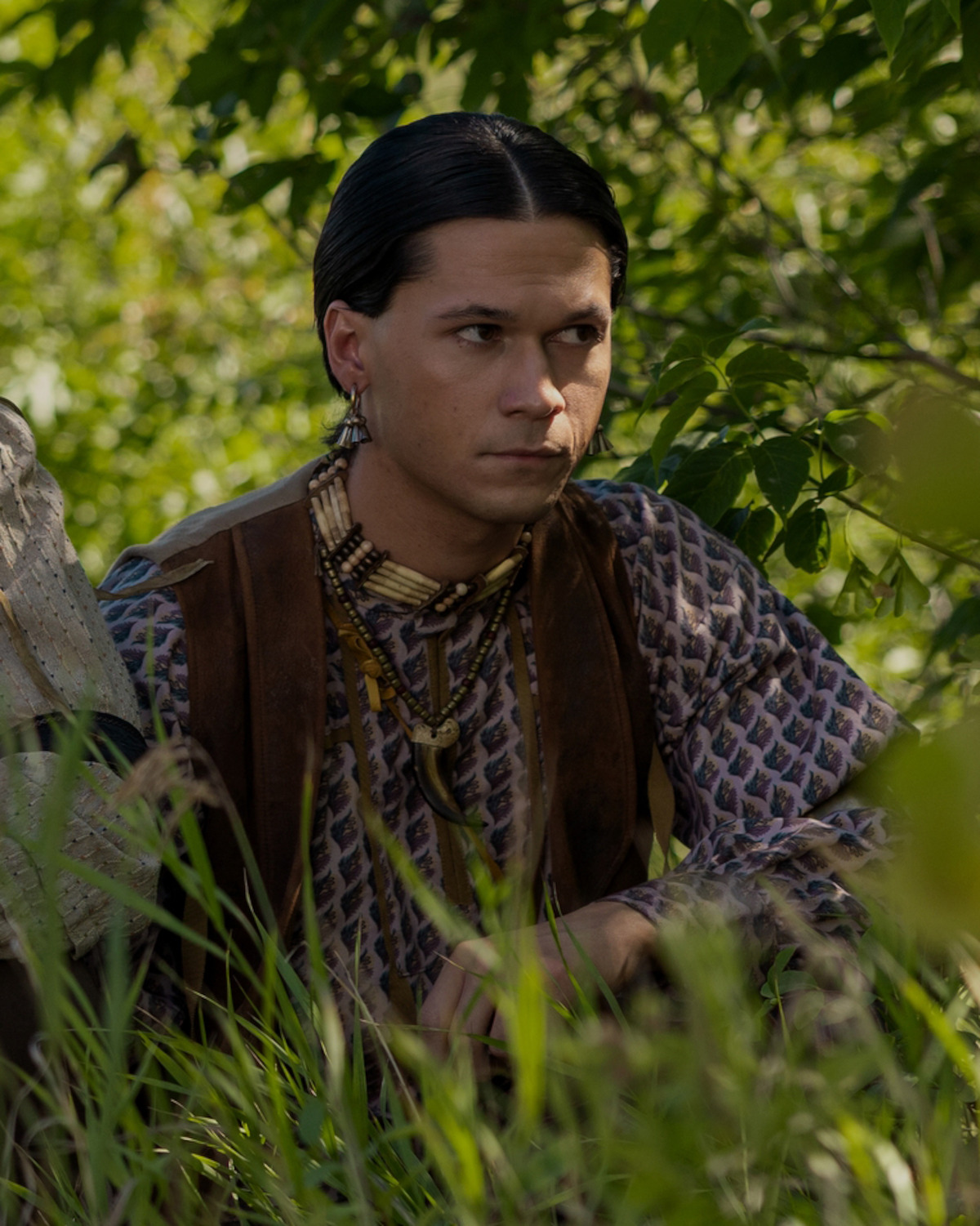
In many ways, the costumes ended up helping to guide the character development. For example, O’Keefe surfaced an archival photograph of an Osage teenager that helped shape Little Puma (Xander Cole), White Sun’s (Alyssa Wapanatâhk) younger brother. “The boy had taken colors [traditionally used] for women’s dresses and sewn them onto his Osage shirt. It had this cool teenage expression to it. I was like, ‘Julie, there’s a whole character right here,’” says Travers. “I loved [thinking about] how Little Puma might look at something that is beautiful, but intended for somebody like the Ingalls [girls], that’s ‘a woman’s color,’ and is like, ‘I’m going to do it like this.’ I really love that back and forth, and it’s most seen with the Little Puma character.”
Many of the traditional Osage silhouettes, materials, and styles have not changed for 150 years, so O’Keefe brought Travers home to Oklahoma to see the ensembles in motion at a dance. “It made me feel so alive to be invited to this sacred place,” Travers says. “I was able to watch the research in real life. I was able to hear the way this clothing moves. It’s truly one of the most unbelievable experiences I’ve ever had, and something that I will remember until the end.”
By the Season 1 finale, the Ingalls family looks noticeably different than when they first left the Big Woods of Wisconsin. After building a home from scratch, making new friends, and surviving everything from illness to prairie fires, their clothing tells the story of that journey. The clothes proudly reflect the ups and downs of their first year on the prairie. “The prairie taught me a lot — sun fading happens fast. The Ingalls’ colors are sun‑bleached and desaturated, as they’re out in the elements,” says Travers.
That evolution also helps distinguish the two families. While the Ingalls’ clothing appears more lived-in, the Mitchells, who have been settled in a beautiful home for years now, protected from the wild elements, “wear more vibrant colors. It helps tell the story of where each family is in their journey,” Travers adds.
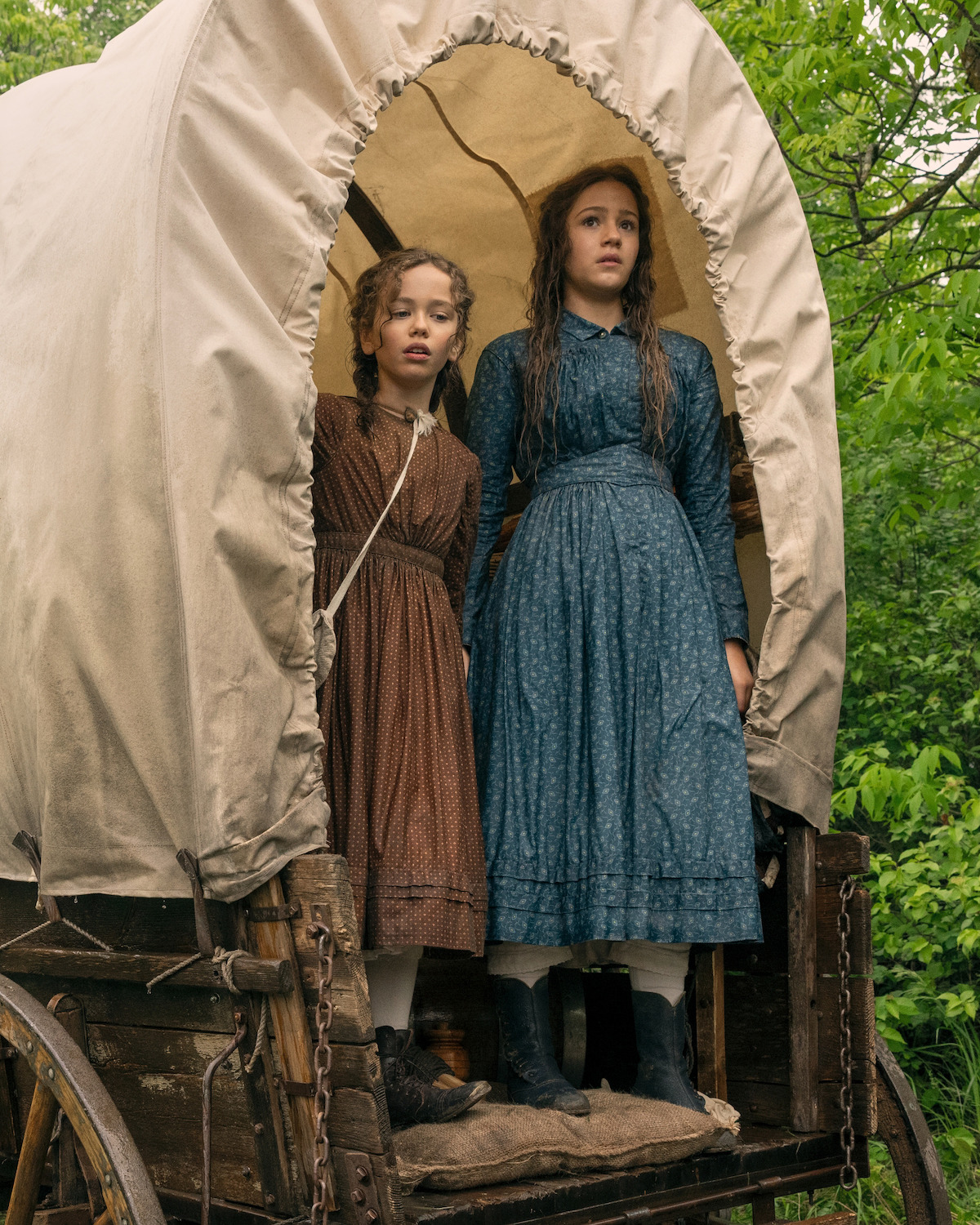
Laura is used to pieces in her wardrobe needing a little TLC. “Most of Laura’s clothes would be Mary’s older clothes, reformatted,” Travers says. “There are patches, sun‑faded fabric, and growth tucks let out as she grows.”
To Gorman Wettels, the patina of Laura and Mary’s clothes proves a larger point about their perseverance. “Laura and Mary were little girls who knew how to survive everything from storms to grasshopper plagues to wolves,” the executive producer says. “It was time to remind the world of the resilience and wonder of children when we don’t helicopter them, but inspire them to take care of themselves and each other.”
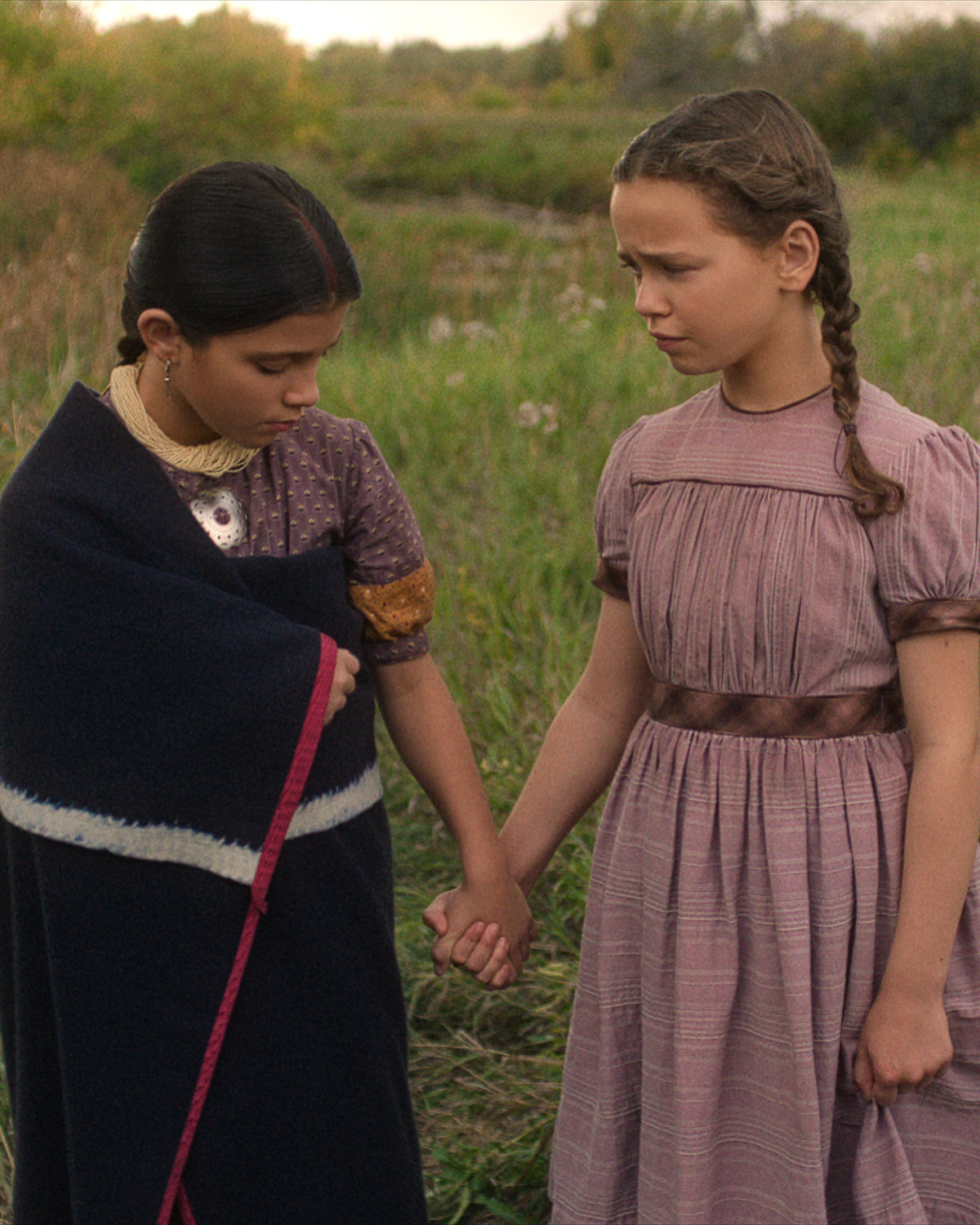
In addition to the elements, the characters cross-pollinate each other’s wardrobes. New friends’ styles rub off on each other in sweet and true-to-life ways. “We wanted to show Good Eagle wearing traditional clothes, but also adopting things from her friends, like a modern friendship bracelet,” says Travers.
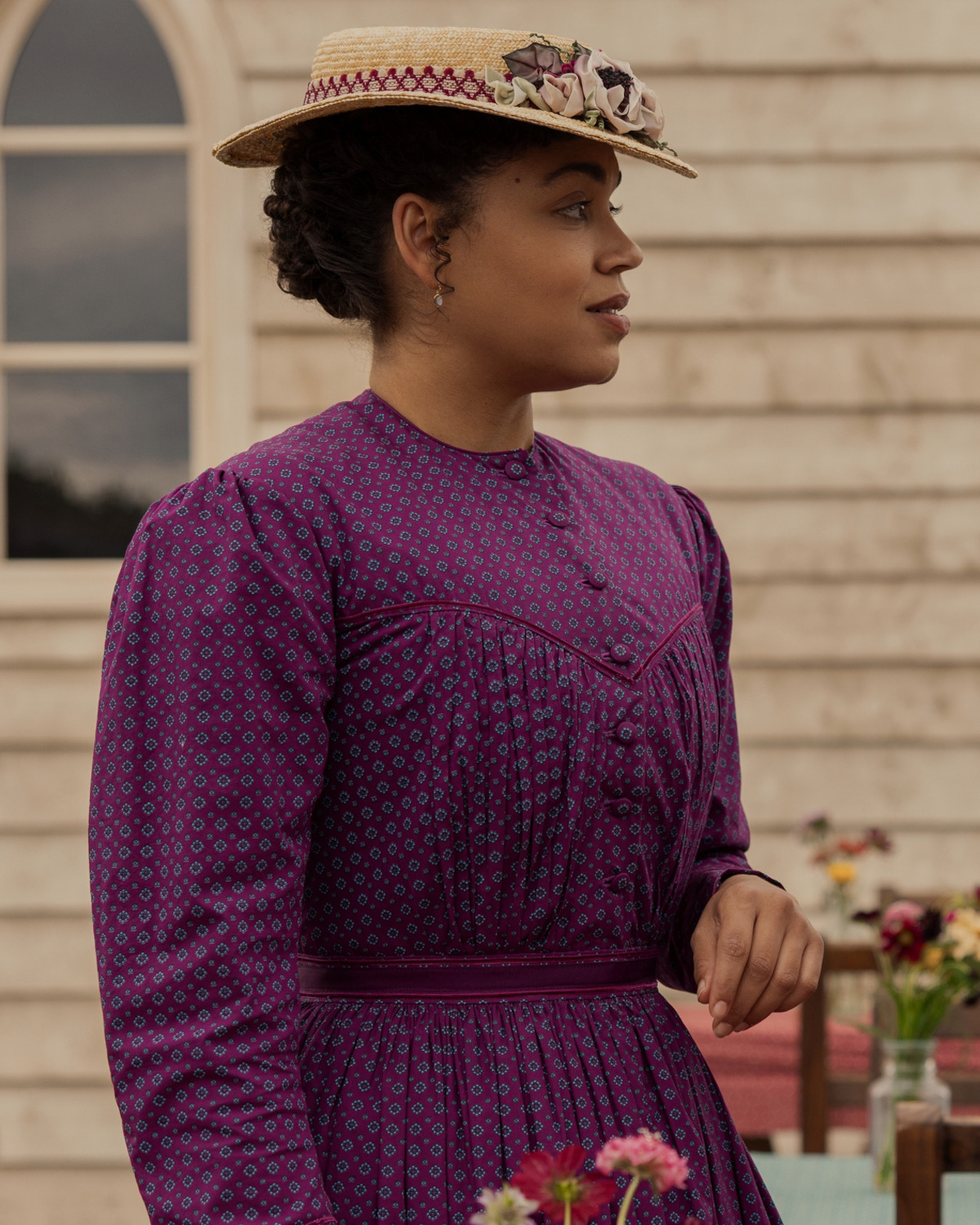
Emily (Barrett Doss) runs Independence’s General Store, bringing ribbons, fabrics, and other fashionable goods from across the country to the small town. “She’s romantic and pretty,” says Sala. “Her hairstyle is more evolved than others.” She presents another version of femininity on the prairie: “Emily’s character is elegant, but also strong,” says Dreyer. “Her look is more fashionable.”
For Travers, Dreyer, O’Keefe, and Sala, the highest praise is when viewers forget they’re looking at something designed. “I’d love the audience to get lost in the show and characters,” says Dreyer. “We want them to feel it’s all just part of the magical world they’re experiencing.”
Hop into the Ingalls’ wagon for the journey of a lifetime with Little House on the Prairie, only on Netflix.