The premise of María Torres’s new YA flick, Anónima (Anonymously Yours), may sound familiar: boy meets girl, they endlessly bicker, but they’ve also been secret pen pals without realizing it. To rom-com aficionados, the story at the heart of Wendy Mora Reyes’ hit novel of the same name joins a long line of similarly plotted romance narratives. Viewers are entranced, over and over again, by watching a would-be couple spar IRL yet spark online. It’s a genre staple, and yet, Anónima finds a way to bring this trope into the 21st century.
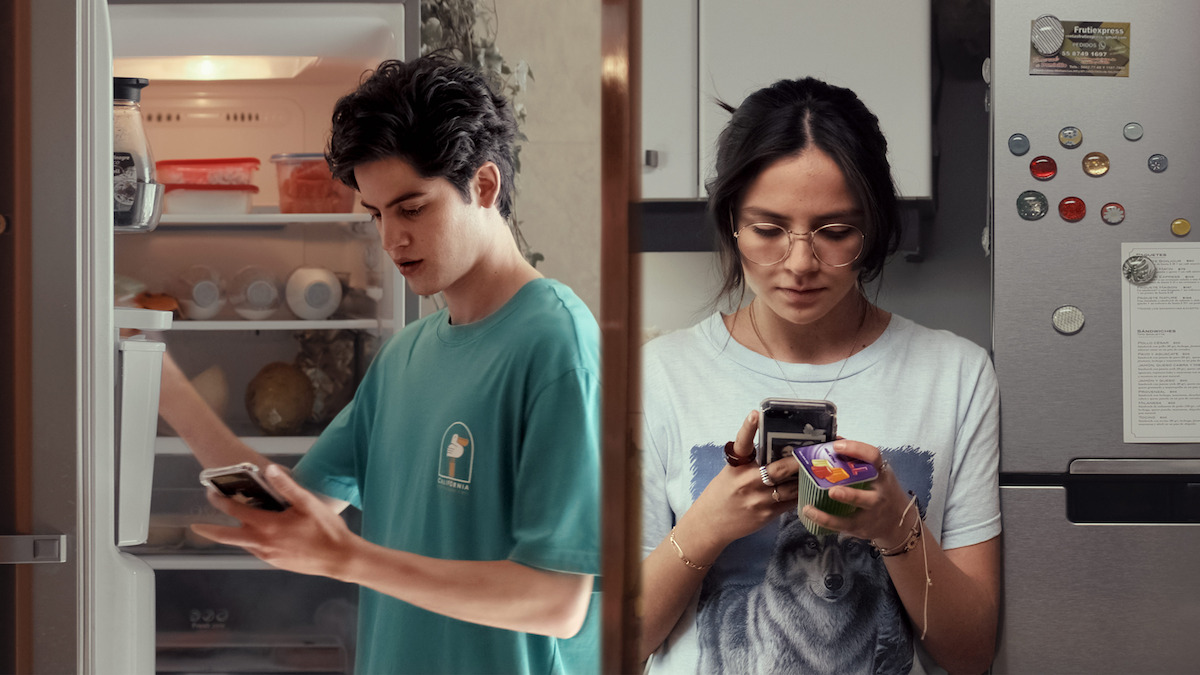
Setting the scene at a Mexican high school, we meet Vale (Annie Cabello) at a crossroads. She’s a senior who loves cinema, despite her parents hoping she’ll one day take over the family business. Vale doesn’t have many friends at school, but one night, she gets a text from an unknown number. Turns out it’s a boy who thinks he’s texting the girl he met at a party. And even though it’s clear he’s been given the wrong number (intentionally, no doubt), Vale decides to give this anonymous boy a chance.
Little does Vale know, though, that the charming boy on the other end of those text messages is Álex (Ralf), the new kid at school. But the Álex that Vale meets in real life doesn’t quite connect with her the same way: The boy she’s texting bonds with her over corny jokes, whereas the boy she meets in real life (in detention, no less) is constantly picking fights with her. So, what happens when these two people finally realize they’re texting each other? Well, you can probably guess what comes next, but in case you aren’t familiar with this decades-old trope, we’ve mapped out all of this storyline’s predecessors — and all the ways Anónima changes a beloved narrative.
Anonymous pen pals
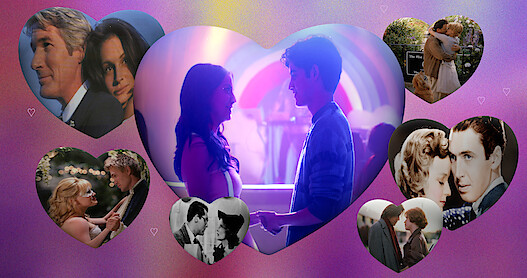
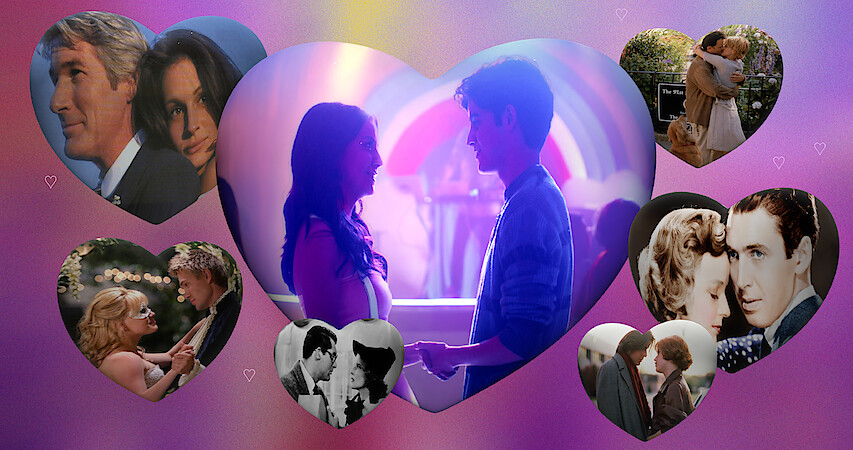
Vale and Álex are just the latest film depiction of couples anonymously messaging online — even though they know each other in real life. Perhaps the earliest rendition of this dynamic is Ernst Lubitsch’s The Shop Around the Corner. The 1940 film (based on a Budapest-set play titled Parfumerie) tells the story of a salesman at a leather goods store who finds himself in a rivalry with a new hire. Sound familiar? Well, Parfumerie has been adapted — repeatedly — and perhaps its most well-known incarnation is the 1998 Nora Ephron classic You’ve Got Mail. Updating The Shop Around the Corner for the digital age, Tom Hanks and Meg Ryan play a big-box bookstore owner and an indie children’s bookstore keeper, respectively. And while they are rivals in person, they also meet in an online chatroom and start falling for each other, emailing constantly.
Anónima draws an obvious connection to these stories but takes it a step further. When it comes to teens and texting, it’s important to remember that there’s no such thing as too much texting. Much like in 2004’s A Cinderella Story and 2018’s Love, Simon, there’s a rapid-fire, near-anxiety-inducing pace at which our two protagonists communicate: They are constantly messaging or waiting to see if the other has replied, and it brings a much more modern and relatable feel to anonymous pen pals of movies past.
Quarreling couples
The screwball comedies of the 1930s knew one thing: Chemistry is everything. More important, there’s no better way to capture romantic chemistry than by having your couple fight just as much as they bond. It worked for Katharine Hepburn and Cary Grant in Bringing Up Baby, Julia Roberts and Richard Gere in Runaway Bride and the all-time classic odd couple: Molly Ringwald and Judd Nelson in The Breakfast Club. It continues to work in Anónima. There’s a joy in watching Vale constantly roll her eyes at Álex while they’re forced to repaint a mural at school as part of their detention duties. And it’s just as enjoyable to watch Vale slowly warm up to Álex by the time they complete their detention project.
What’s in a love letter?
Emailing, texting and pen pals aside, there’s something to be said about pouring your heart out on paper — or smartphone? — that feels particularly freeing. What is To All the Boys I’ve Loved Before if not the story of the liberating (and, maybe, embarrassing) power of writing notes to your crushes? What’s at the heart of The Half of It if not the conviction that a good love letter can woo your high school bae? And what’s the message of Sierra Burgess Is a Loser if not that the truest chemistry can come through flirty text messages? In all these cases, the connection nurtured by letter writing relies on the understanding that how we write can very well change who we are in the real world. Vale and Álex are the perfect example of that: There’s a boldness to how Vale texts Álex and a tenderness to how he texts her back. But they’re also more honest with each other than everyone else around them. When they ask each other to share a secret, they pen the same line: “I don’t know if I want the life I’m leading.”
The outcasts
Perhaps the most appealing trope in Parfumerie — and all its following incarnations — is two outsiders finding each other. Unencumbered by the social dynamics at school, which dub Vale as a nerdy outsider and Álex as the new kid no one really attempts to befriend, these two find comfort in each other. The anonymity of their flirty text messages gives them a chance to be anyone — a blank canvas — and anyone to each other. And, much like in A Cinderella Story, it’s up to the two of them to take a chance on who the person at the other end of this text correspondence is in real life.
Not another teen movie
Anónima’s high school setting is what makes this film so unique. While the pressures of being a teenager and bearing the weight of familial expectations are timeless and universal, teenagers are constantly evolving when it comes to communication. While there’s familiarity in Vale navigating how to tell her parents she wants to pursue filmmaking, there’s nuance in how she operates in 2021: She’s the girl, after all, who submits a video essay in lieu of a written piece to her teacher and who crafts a mixed-media short film to help her dad understand why she has no interest in taking over his company anytime soon. She’s not only a cinephile, she’s a media-savvy teen who knows the power of the moving image.
----
At a time when our virtual lives exist as all-encompassing digital avatars and our every move so freely shared with the world, Anónima finds in a well-worn plot of secret admirers and unfiltered written communication something new, fresh and relatable — yet again.