This article contains major character or plot details.
In its opening moments, Maestro tells you everything you need to know — or, at least, everything within reason. Bradley Cooper’s new Leonard Bernstein drama begins with a quote from its subject: “A work of art does not answer questions, it provokes them; and its essential meaning is in the tension between the contradictory answers.”
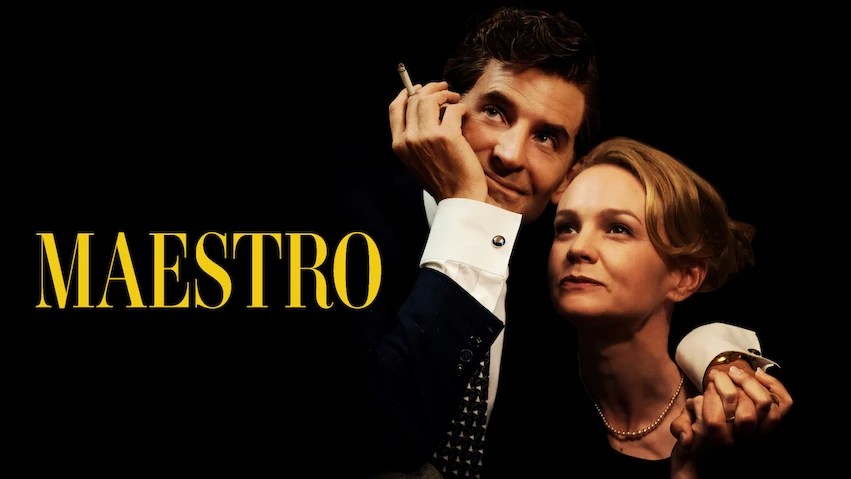
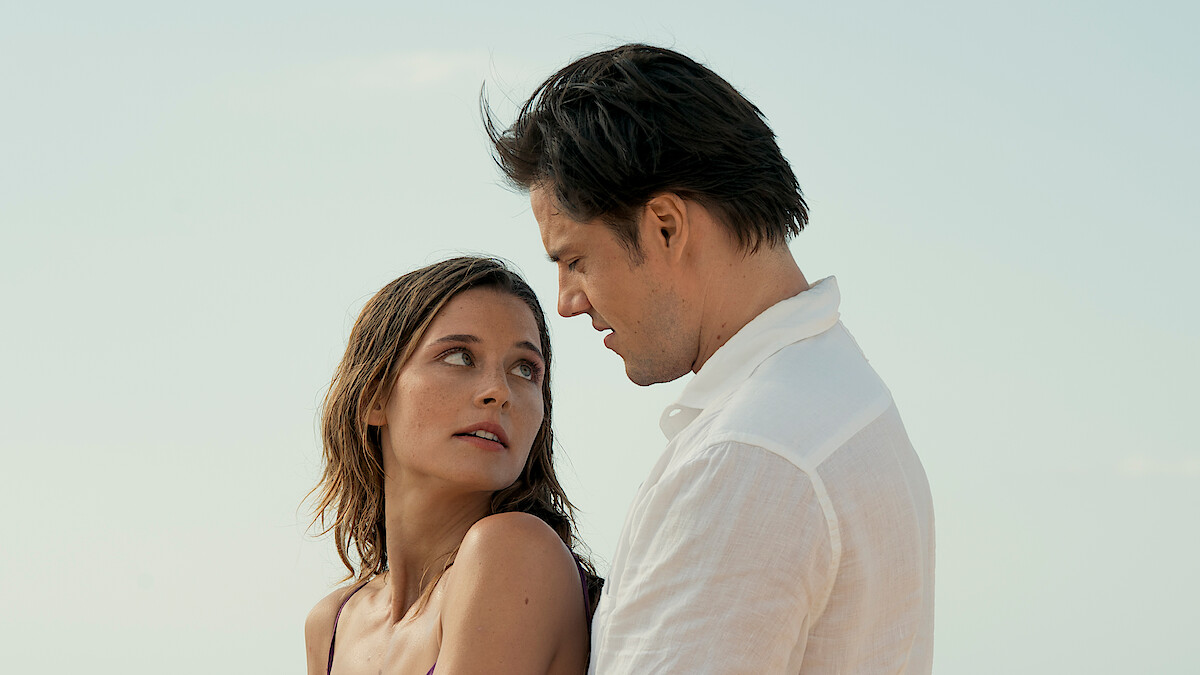
Maestro is all about that tension. It’s a film about a complicated man whose multifaceted talent carried him in many different, seemingly contradictory directions and whose personal life was driven by many different, seemingly contradictory desires. It’s the story of Bernstein, the celebrated composer and conductor behind works like West Side Story and On the Town — but its gaze falls equally upon the lifelong relationship Bernstein (Cooper) had with actor Felicia Montealegre (played in the film by Carey Mulligan). “I wanted to dedicate the real estate of the film to them,” Cooper told Netflix. “How could I serve the truth of his life within this marriage while not shifting the focus away from them?”
Inside Lenny and Felicia’s love story
Maestro tells the story of Bernstein’s career — from the mythical phone call he received informing him that he’d be needed to conduct the New York Philharmonic to his later work as a teacher. The film’s heart exists between these moments, however, in the composer’s private life with Montealegre and the family they built together. It’s a full and complete portrait of the many facets of their life together, in all its rapturous complications.
Bernstein, who was known within the music world for the relationships he had with men, remained married to Montealegre until her death in 1978; as the film depicts, he cared for her on her deathbed as she struggled with lung cancer. “I wanted to make a movie about these two because that’s frankly what I found encapsulated everything,” Cooper said. “What is it to be these people at these certain time periods? What’s it like to be in this heterosexual nuclear family structure but yet have these truths about each other?”
Maestro lives inside that family structure and explores those personal truths. In the specifics of their love story, Cooper finds universal experiences: the difficulty of keeping a secret from your children, the strain of a career on a relationship. We never see the exact moment when Montealegre realizes that her husband is carrying on affairs with other men; she seems used to the situation when she catches him kissing a fellow partygoer in their Manhattan apartment. The couple endures nonetheless. “It was an unorthodox, genuine love that I found endlessly intriguing,” Cooper said. “This is the story I wanted to tell, a love story. Of course, the other irreplaceable element was the music.”
Composition, composition: creating the music of Maestro
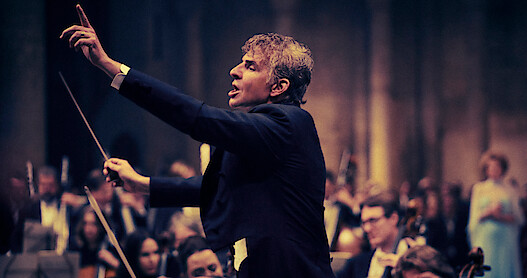
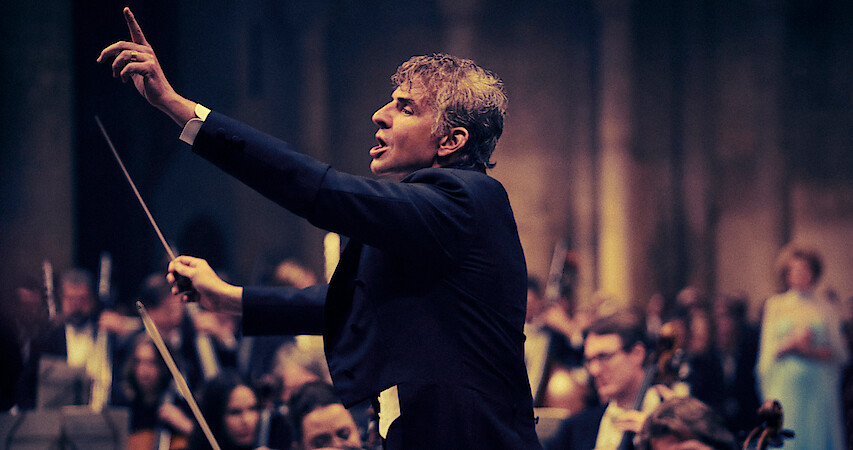
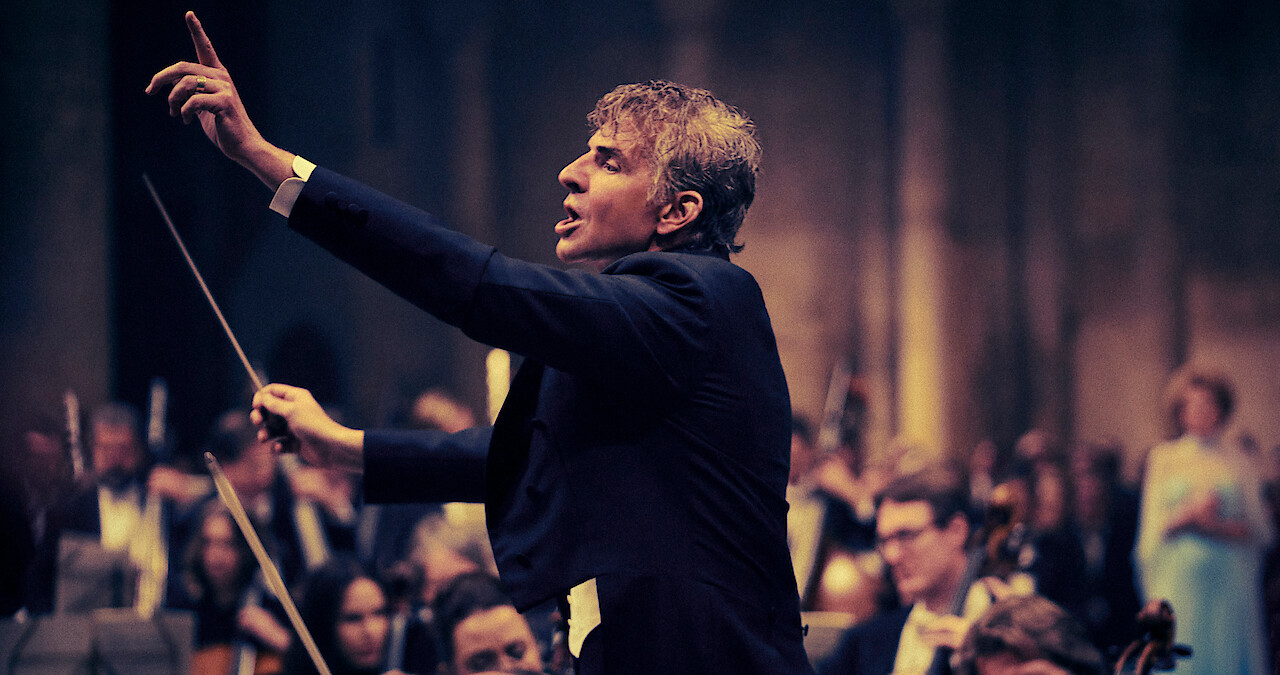
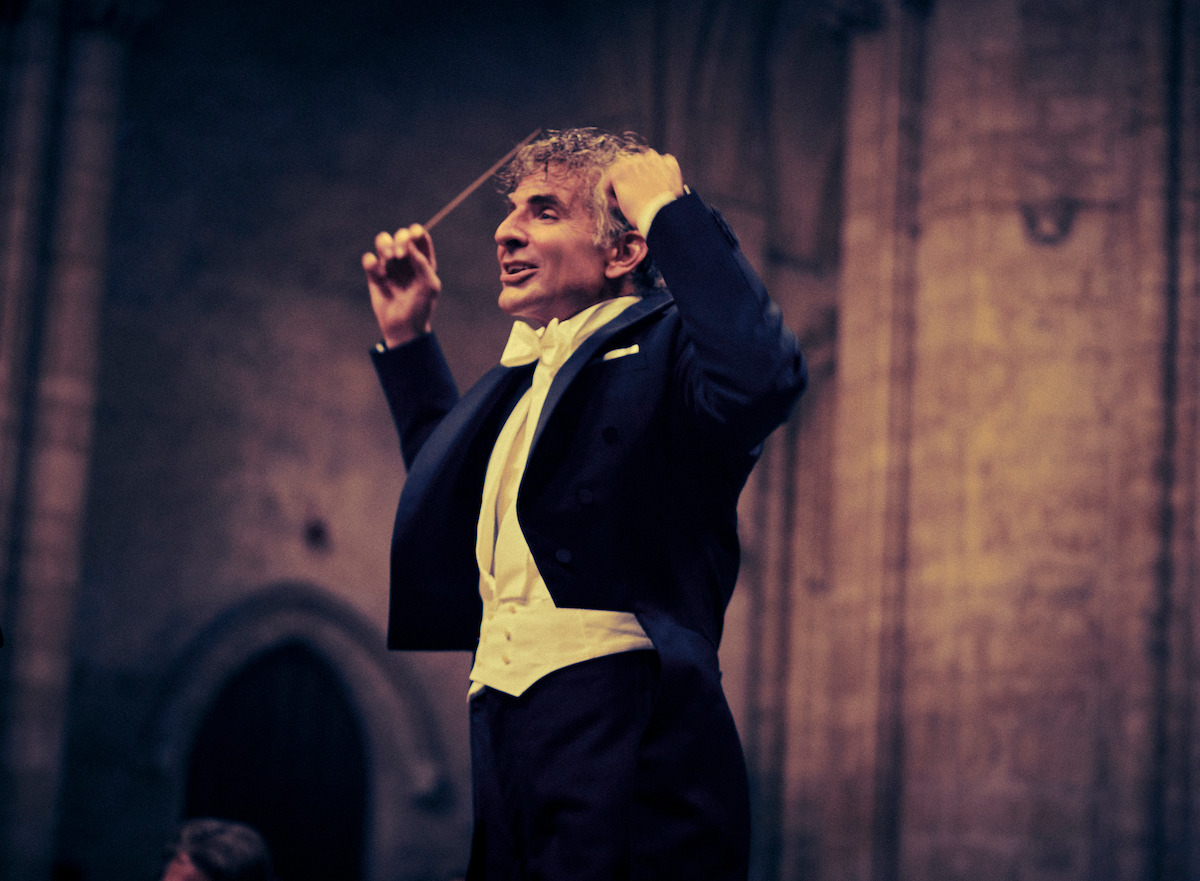
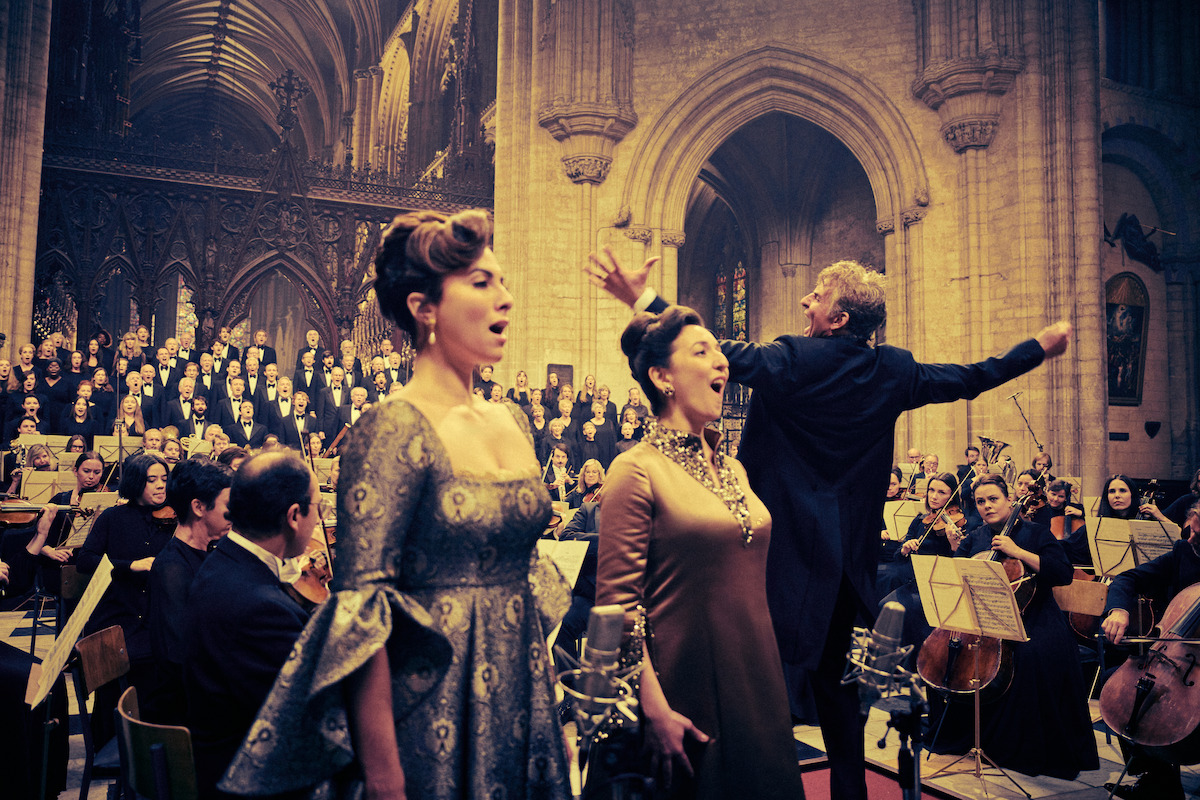
Cooper describes Bernstein’s music as the “nuclear weapon” of Maestro. “I figured it was mine to mess up,” he said. “Just the breadth of it, how diverse it is, and how moving it is.” Cooper worked hard to capture Bernstein and his work, not just as a filmmaker but also as an actor playing the composer himself. The film’s grand musical finale depicts Bernstein’s real-life conducting of a Mahler symphony in the Ely Cathedral, a physically demanding performance that Cooper spent much of the production preparing for.
“[Cooper] came to the Metropolitan Opera to watch rehearsals, and he sat in the pit to watch me conduct a few performances,” said Yannick Nézet-Séguin, music director of New York’s Metropolitan Opera and Maestro conducting consultant. “What I needed to do was to guide him with how it relates exactly with the orchestra in real time.” When it came to filming the climactic orchestral performance, Cooper threw his entire body into the scene — as Bernstein would have wanted. “One of my favorite Bernstein quotes is, ‘I need to conduct with every part of my body, with my shoulders, with my wrists, with my knees,’ ” Nézet-Séguin said. “So many conductors just stopped with their wrists.” Bernstein conducted like he lived — with everything he had, all at once, his shoulders, wrists, and knees flying off in every direction.
Bernstein in color
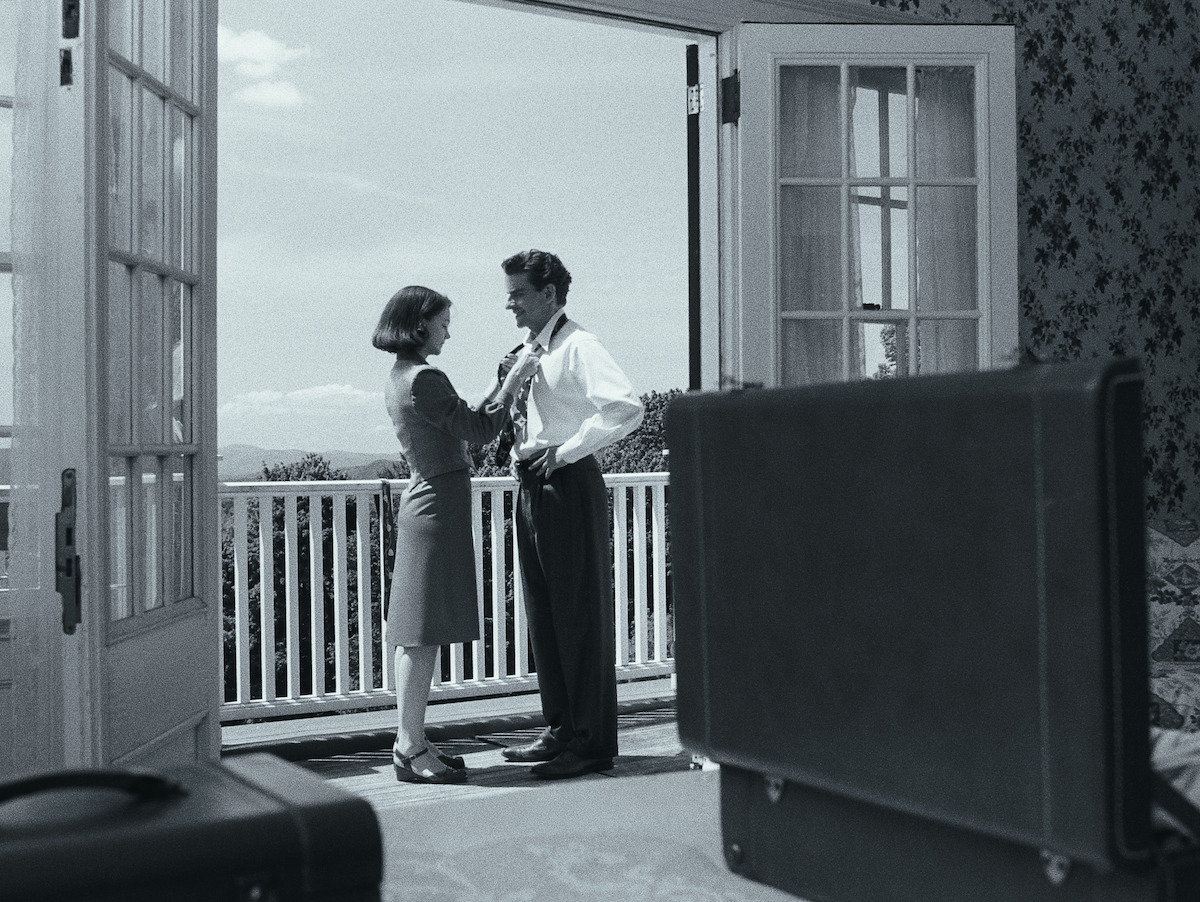
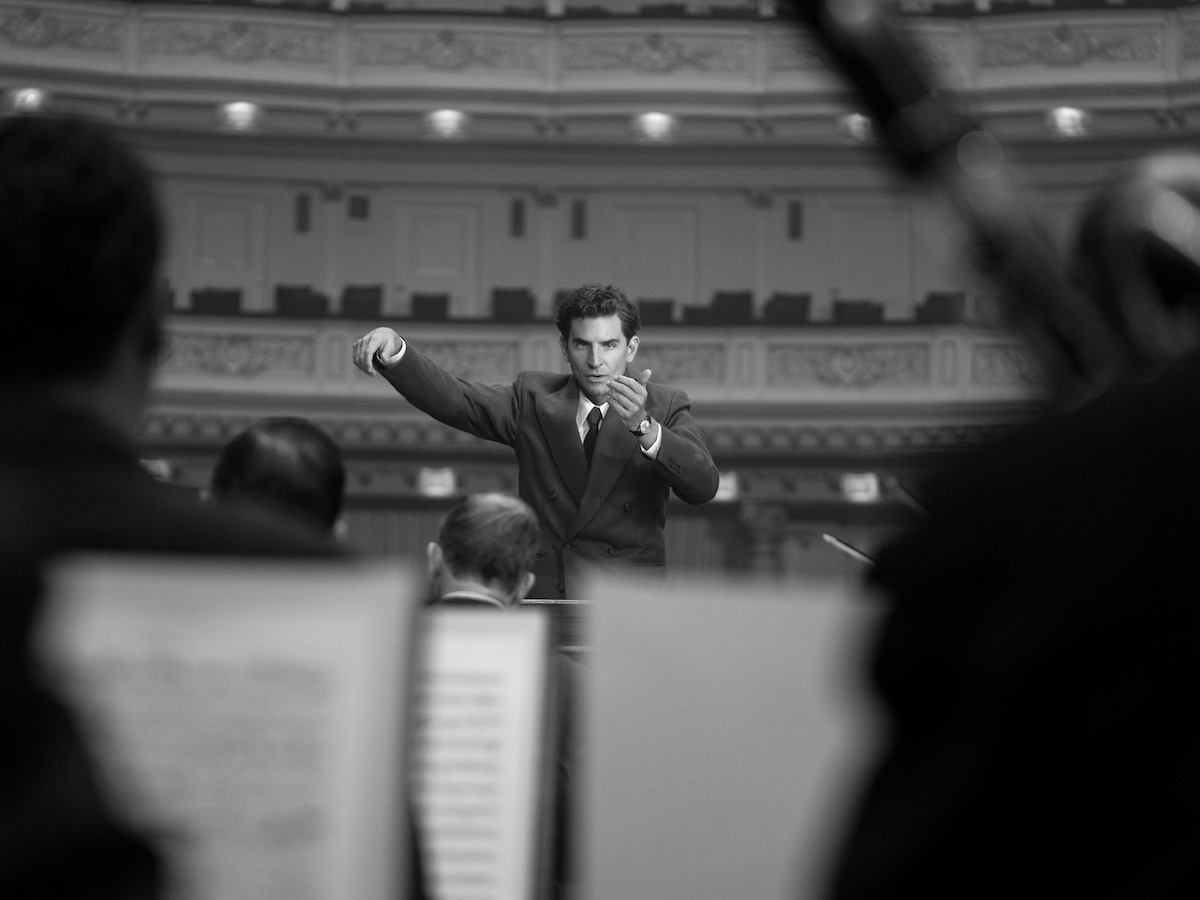
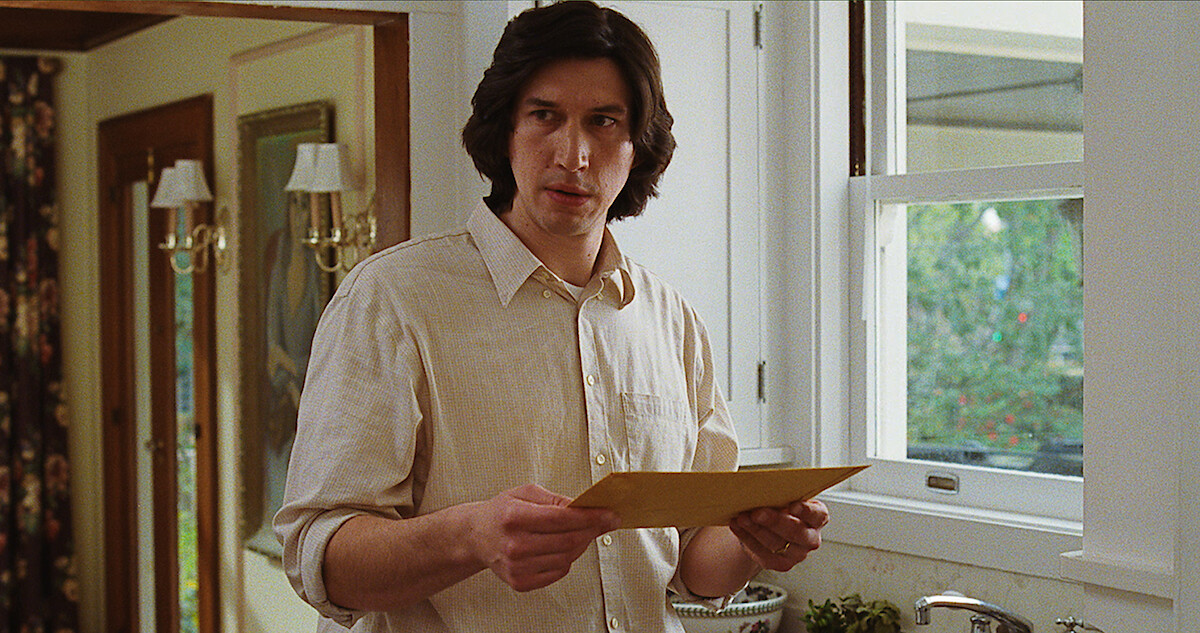
In depicting the full breadth of Bernstein and Montealegre’s relationship throughout the 20th century, Cooper decided to film Maestro on 35 mm film, switching from black-and-white to color and between aspect ratios as he did. “Working with the crew, and just communicating how important it was that the cinema of this feel like a memory –– an imagination of these time periods –– was so much fun,” Cooper said. The actor and filmmaker took inspiration from the sophisticated rom-coms of Golden Age Hollywood auteur Ernst Lubitsch (in the early swooning black-and-white portion of the love story) and the gritty drama of Sidney Lumet (as the film takes on color and the Bernsteins’ relationship sours).
He also evoked Bernstein’s headlong character. Cooper worked with his A Star Is Born cinematographer Matthew Libatique to give the new film a much different sense of movement. “A Star Is Born was side to side,” Cooper said. “This movie is foreground-background because he’s always heading towards something or being pulled from something.”
Does summer sing in you? On Maestro’s powerful ending
The relationship between Bernstein and Montealegre is the heart of Maestro, so much so that the composer’s widely beloved music often becomes a soundtrack to their private lives. A sequence early on of Montealegre performing onstage is consumed by the shadow of Bernstein conducting; a dream ballet follows the pair through an On the Town-esque dreamscape; the strains of West Side Story’s prologue crop up as an argument approaches between the couple, as they prepare to go at each other like the Sharks and the Jets.
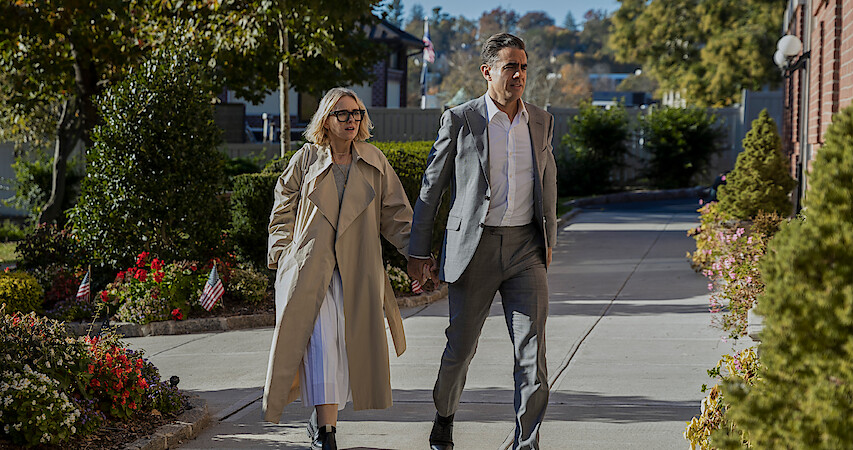
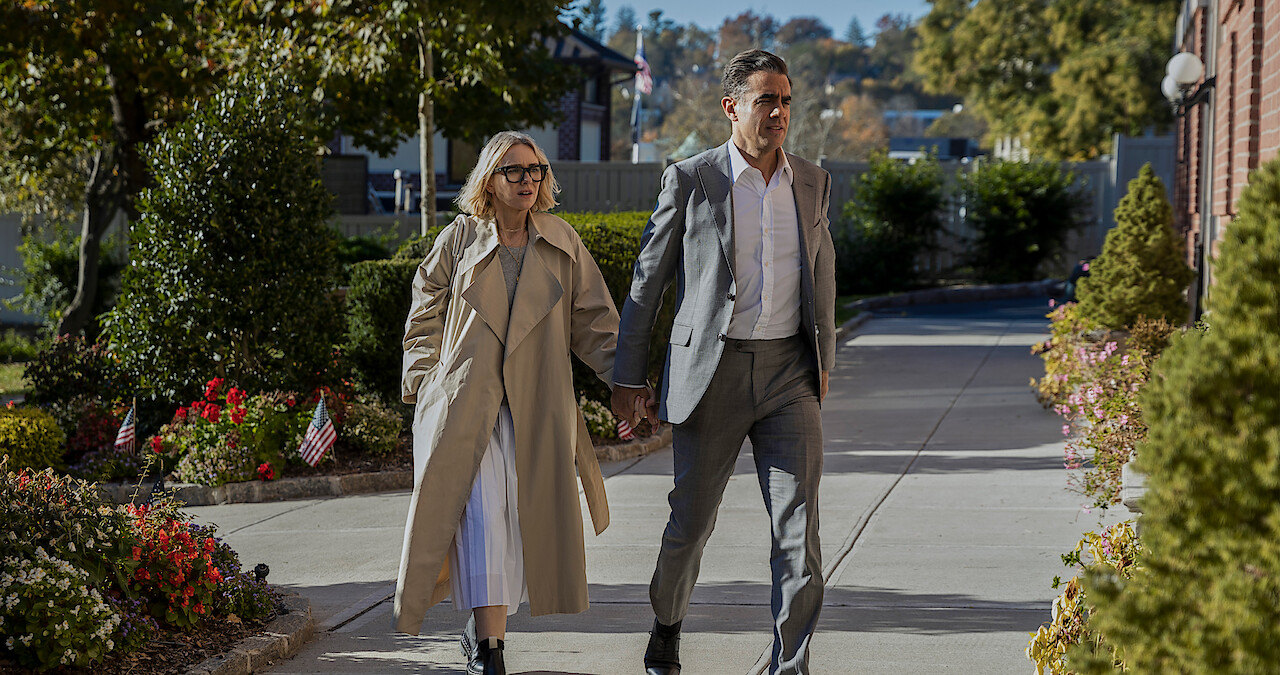
As the film nears its conclusion, Bernstein and Montealegre reach a compassionate truce, with Bernstein moving back into their shared home to care for his stricken wife. There’s still love between them, even if it’s complicated by Bernstein’s larger-than-life ego and his continuing affairs. At one point they sit back-to-back, as they did early in their relationship, trying to guess the number the other is thinking of. They know each other intimately — but not entirely.
After Montealegre passes away, the film ends on a note of remembrance, with a healthy helping of hope for the future. The final moments turn on a pair of reminders of earlier moments in the film. “Summer sang in me a little while, it sings in me no more,” Cooper as Bernstein paraphrases from an Edna St. Vincent Millay poem, in a quiet moment on the Bernstein family porch.
“If summer doesn’t sing in you, then nothing sings in you, and if nothing sings in you, then you can’t make music,” Mulligan as Montealegre responds.
The Bernstein we see at the end of Maestro promises that summer does still sing in him. He’s still making music, still conducting. He’s not, as Montealegre once warned him in the heat of a Thanksgiving argument, “a lonely old queen.” There’s a student dancing ever closer on the dance floor — and, in a memory Cooper cuts away to, Montealegre watches with a soft smile on her face. She’ll always be there with him.
Maestro is now streaming on Netflix.