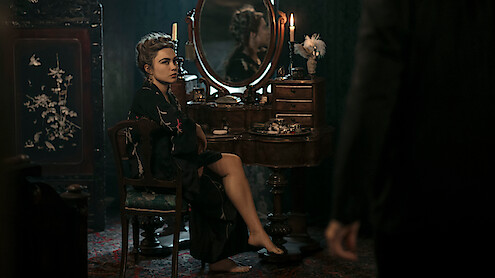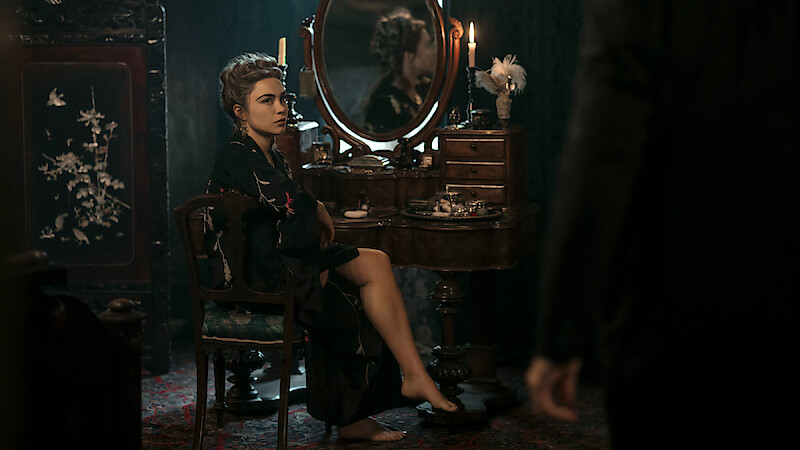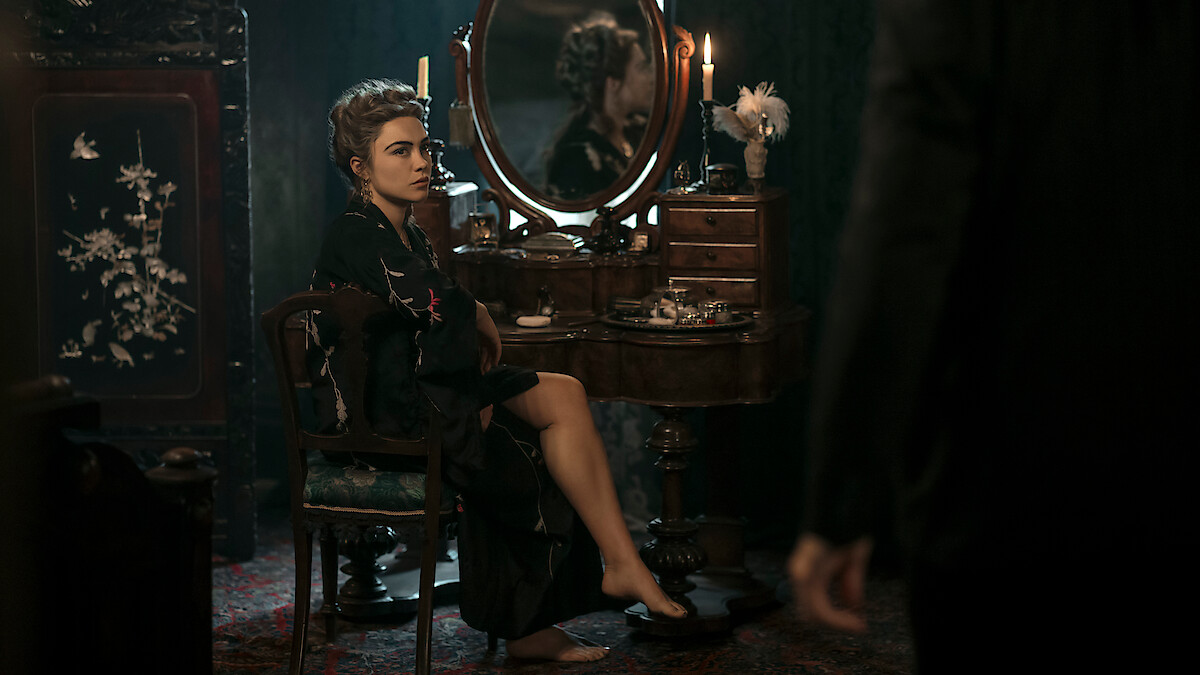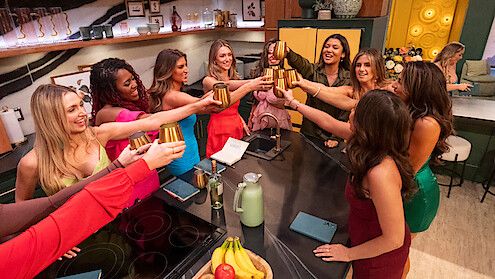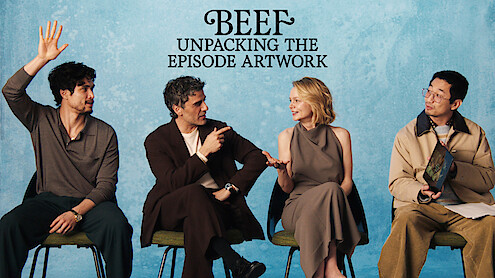
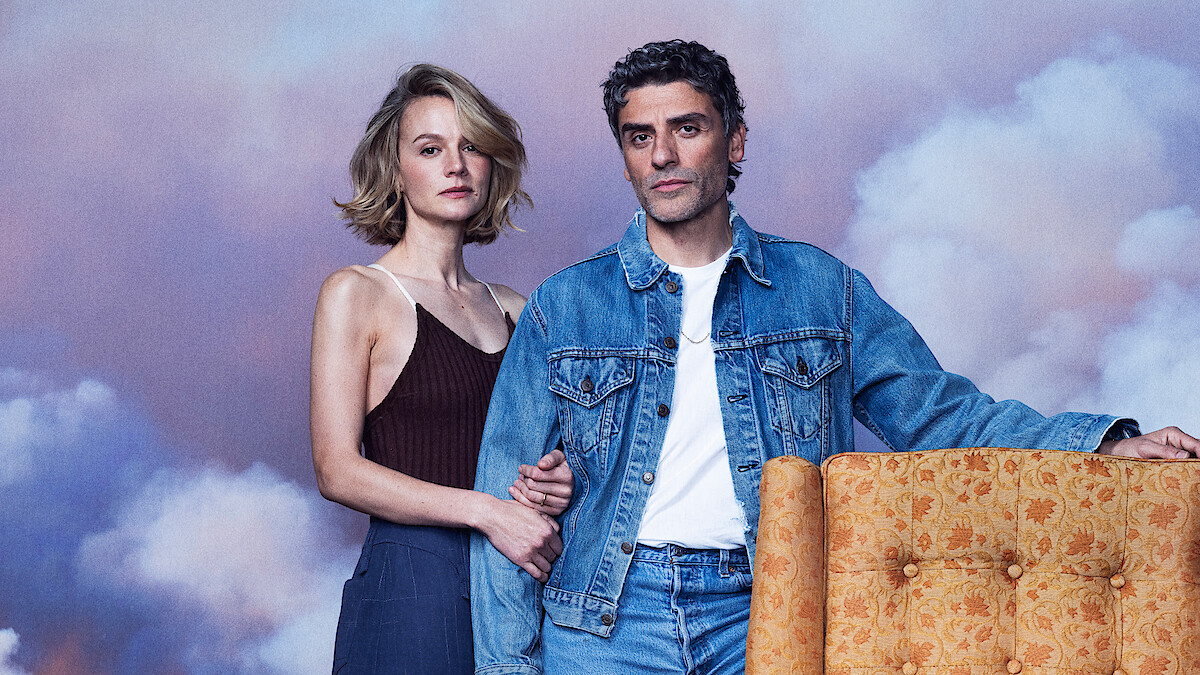
The Emmy-nominated duo on the creative trust at the heart of the anthology.

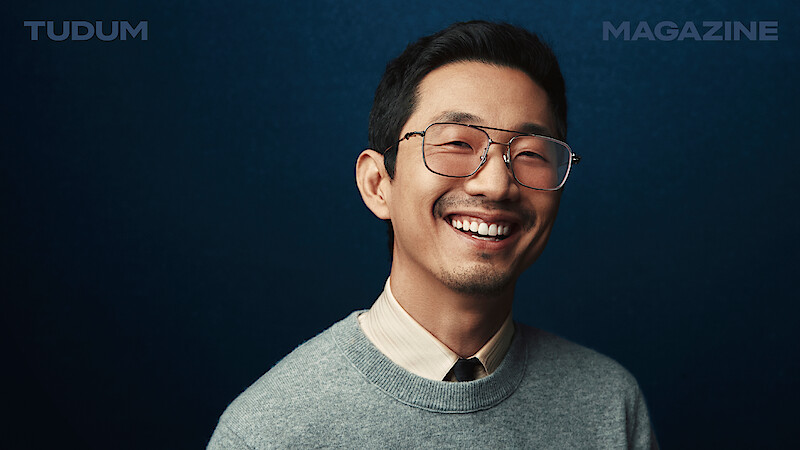
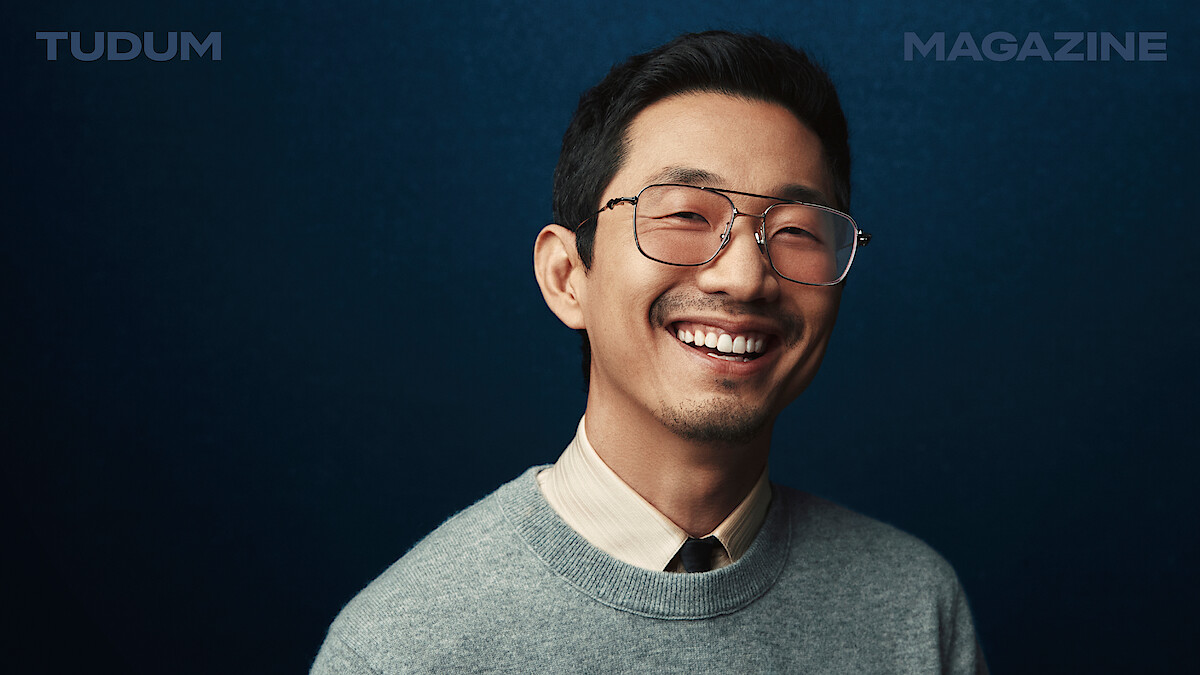
All existence is cyclical. This universal truth can be observed regularly in the shift of seasons throughout any given year, or the mid-aughts mall style on display in 2026 streets (welcome back, baby doll tops). BEEF Season 2 examines these natural cycles and interrogates how they’re affected — and often exaggerated — by the sometimes very unnatural systems we live within. As creator, showrunner, and executive producer Lee Sung Jin puts it, “Each generation starts off thinking that they’ll never become what they see in the older generation. But with the passage of time and the pressures of capitalism, each generation soon discovers why the older generations are the way they are.”
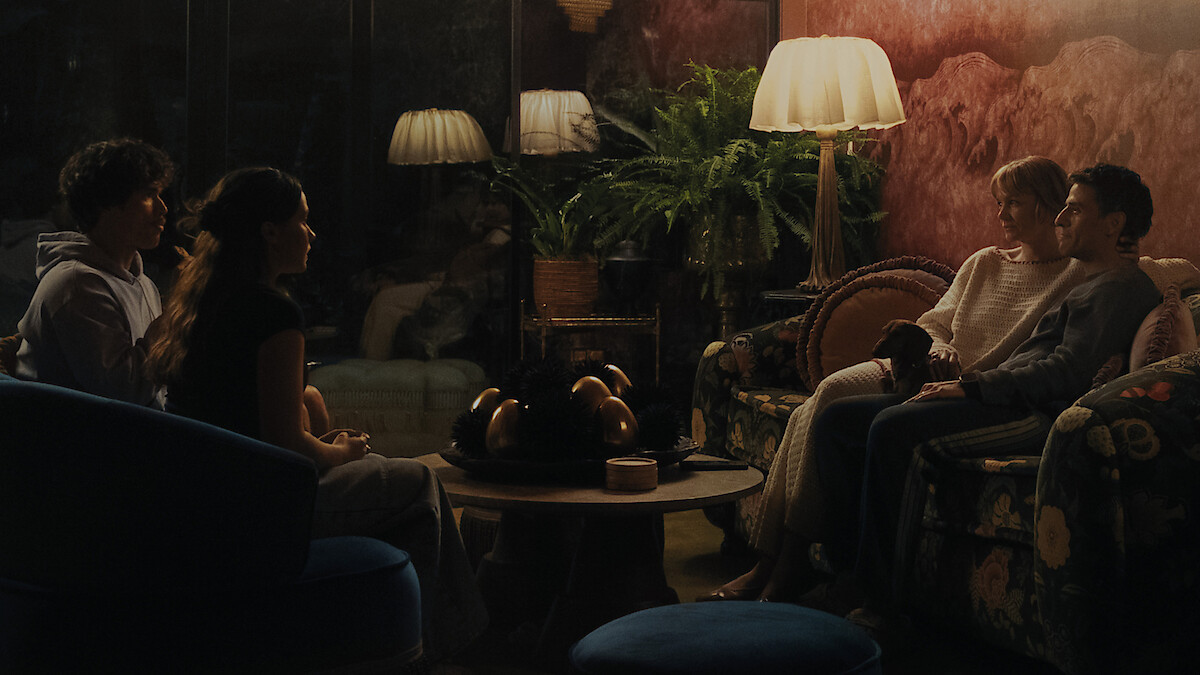
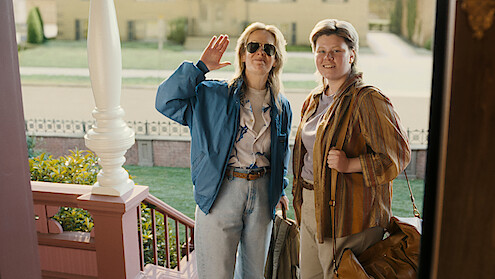
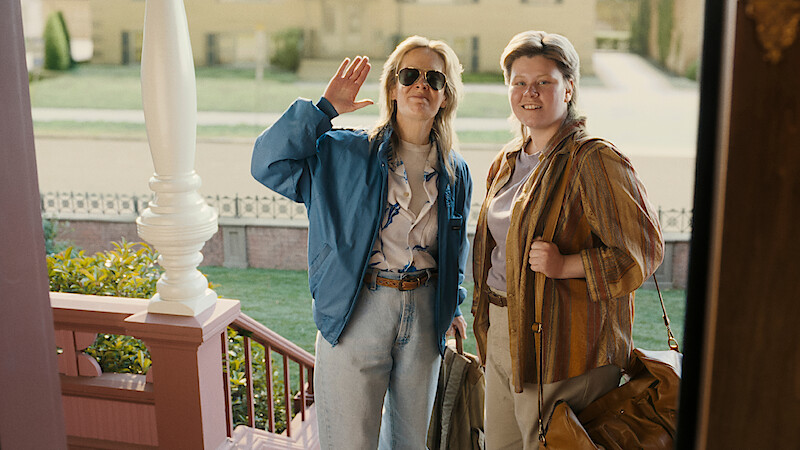
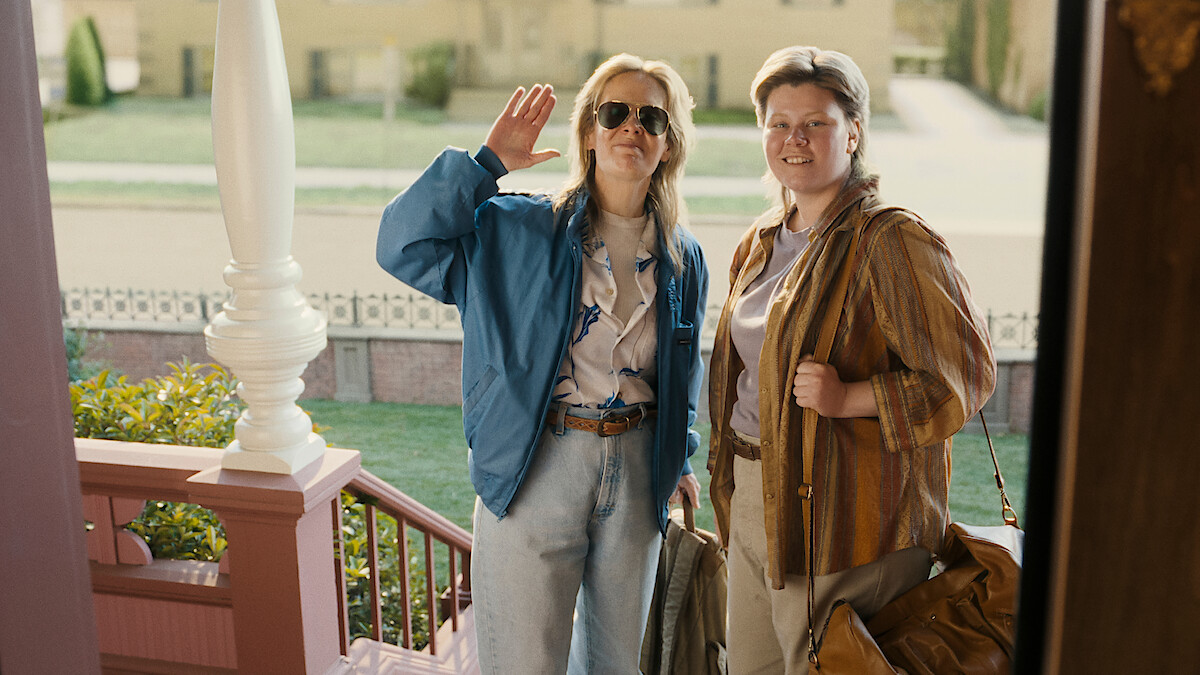
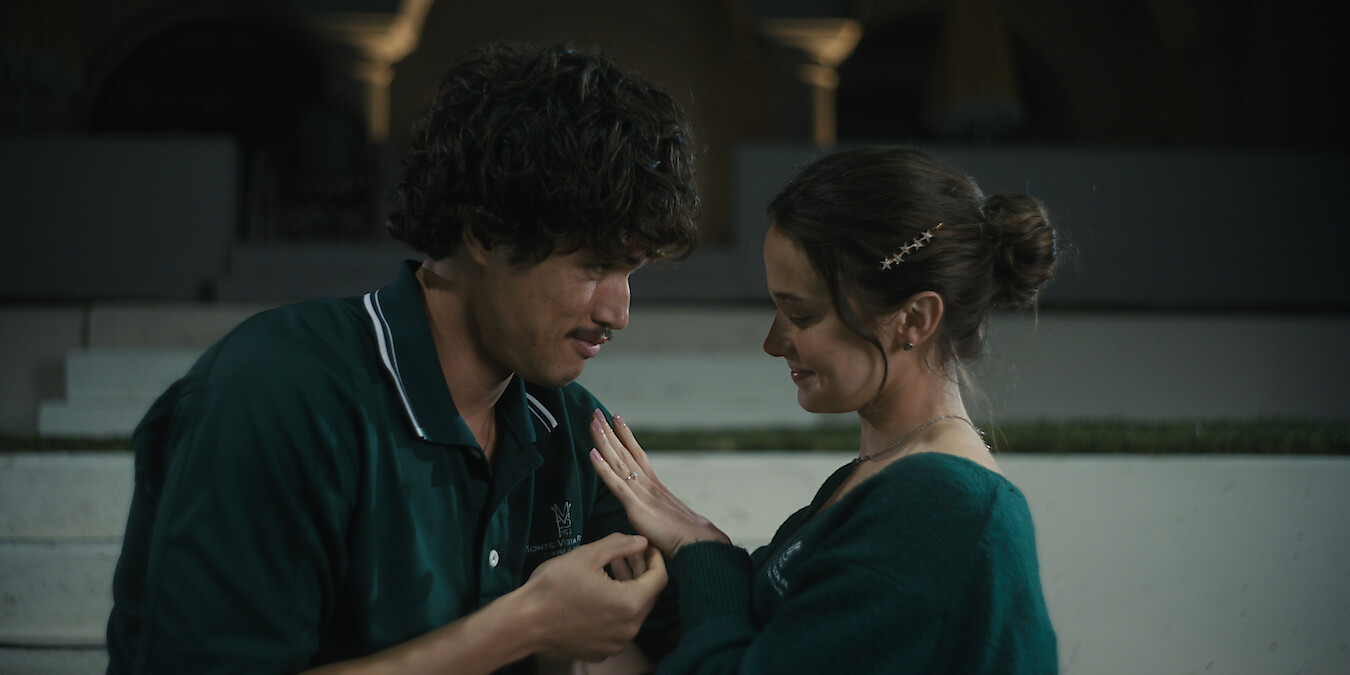
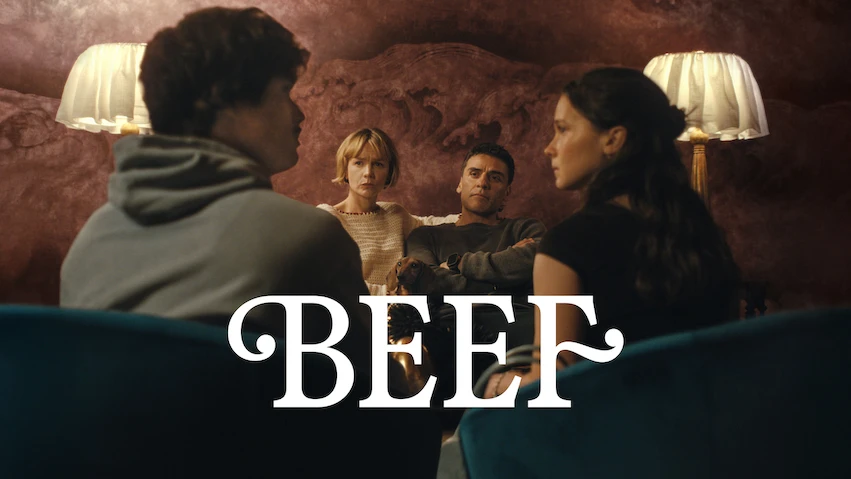
In the new season of this Emmy-winning anthology series, that truth is explored through the tensions that arise between three sets of characters — the bright-eyed, naive, and newly engaged twentysomethings Ashley Miller (Cailee Spaeny) and Austin Davis (Charles Melton); the static and searching middle-aged married couple Joshua Martín (Oscar Isaac) and Lindsay Crane-Martín (Carey Mulligan); and their octogenarian billionaire boss, Chairwoman Park (Youn Yuh-jung) and her younger boomer husband Dr. Kim (Song Kang-ho). These inescapable patterns reveal themselves in the closets of Season 2’s characters: Lindsay’s dreamy nap dresses. Austin’s short shorts. Chairwoman Park’s edgy and icy business wear. Just as BEEF’s central players are guided by distinct sets of beliefs and behaviors — which are, of course, the source of that intergenerational conflict — they also have their own fashion sensibilities that evolve alongside them.
In collaboration with Lee, production designer Grace Yun, and cinematographer James Laxton, costume designer Olga Mill established a visual language, in which each couple embodies a different season — Austin and Ashley are spring, Josh and Lindsay are fall, Chairwoman Park and Dr. Kim are winter — symbolizing their varied life stages. Mill says that, similarly to the ever-changing seasons, there’s also an “inevitable circle of life when it comes to trends and clothes.” So to create the BEEF Season 2 wardrobes, she tapped into those looks and what they say about the groups that embrace them.
Keep reading to learn more about the costumes of BEEF Season 2, as we break down exactly what the color palettes, fabric choices, and silhouettes represent.
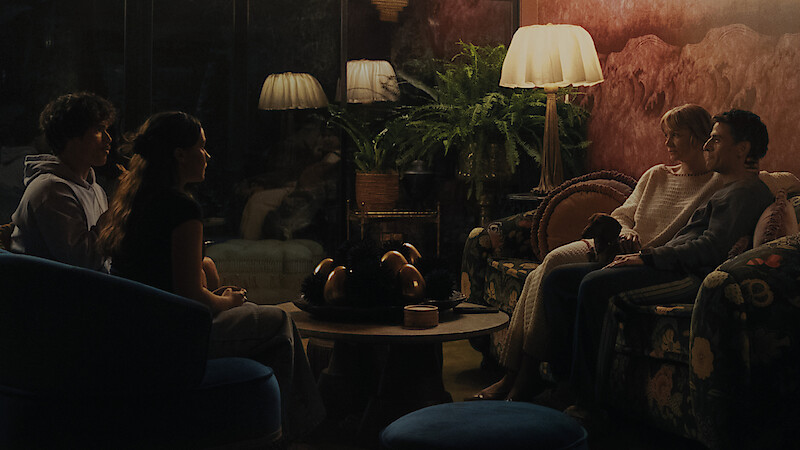
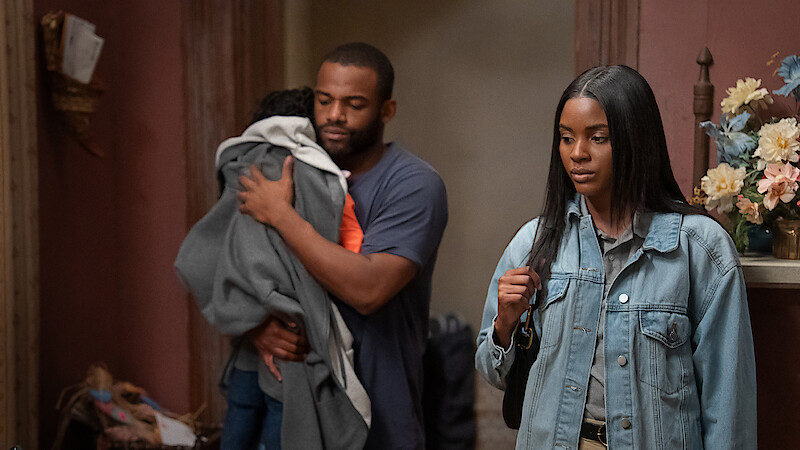
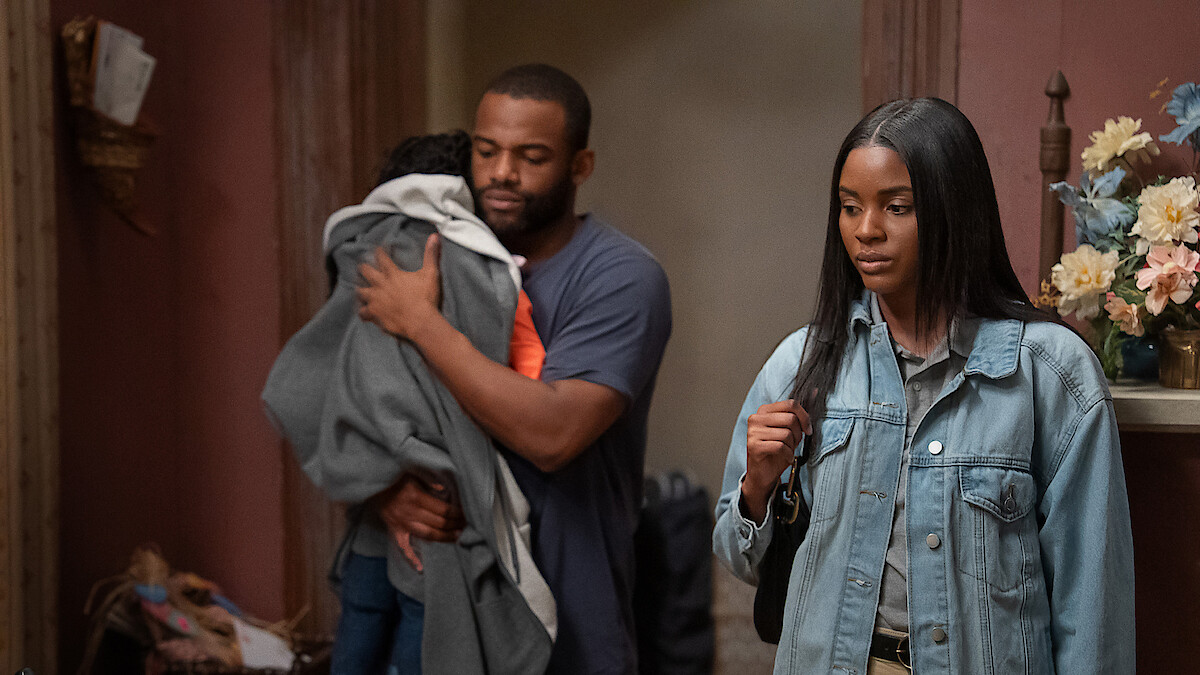
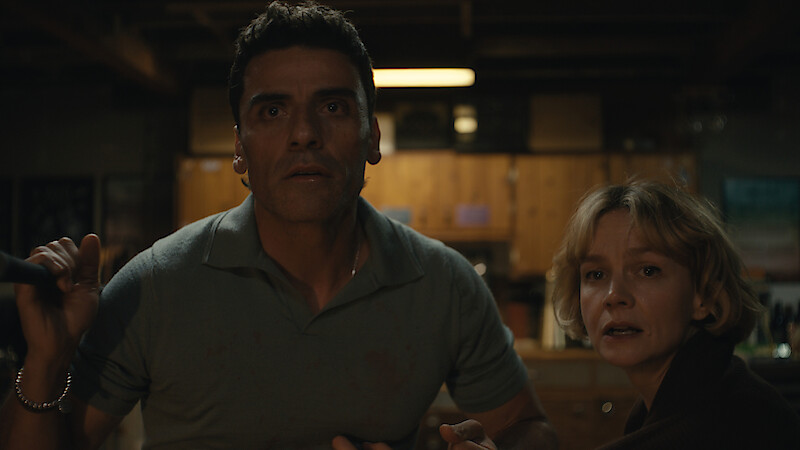
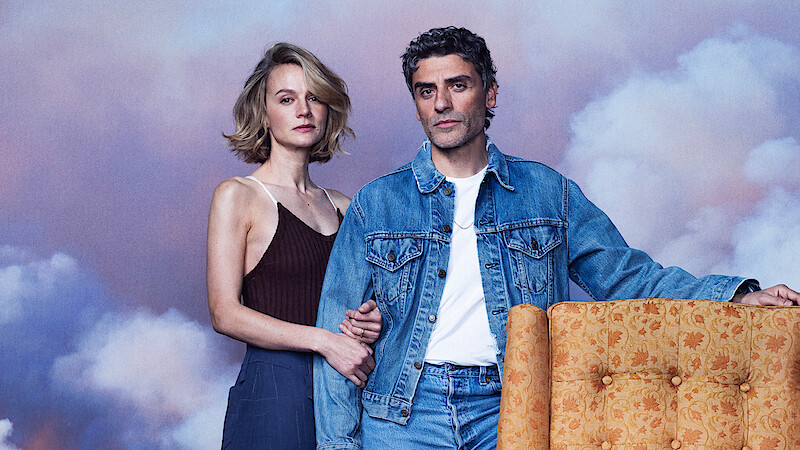
As Season 2’s millennial archetypes, Lindsay and Josh have long been striving for exceptionalism. When their generation was setting the trends, there was an emphasis on the artisanal and an obsession with craftsmanship. Mill — who is a millennial herself — reminds us that her generation was raised on the idea that everyone was special. In order to live up to that incredible potential, millennials also developed a preoccupation with optimizing every aspect of their lives. But, no matter the amount of curation, an aspirational existence remains out of Lindsay and Josh’s reach; their perfection-obsessed style cannot save them. Now that they’re approaching midlife, they’re no longer the ones dictating what’s cool. So while they’re polished and put-together, Mill says their looks feel “slightly stale around the edges.”
To figure out how to dress Lindsay, Mill scrolled the social media feeds of real women who trade in idyllic images of their Montecito lives. She noticed what she describes as a “Marie Antoinette in her shepherd’s garden” quality to the aesthetic that this type of influencer, adorned in Dôen dresses, pushes on Instagram. According to Mill, they’re creating and selling a world in which they pick citrus and arrange flowers, and that type of fantasy aligns with the facade Lindsay and Josh have built, which is now breaking down. “Marie Antoinette was just pretending to be a peasant, like they’re pretending to be in the same world as the members of the club,” says Mill.
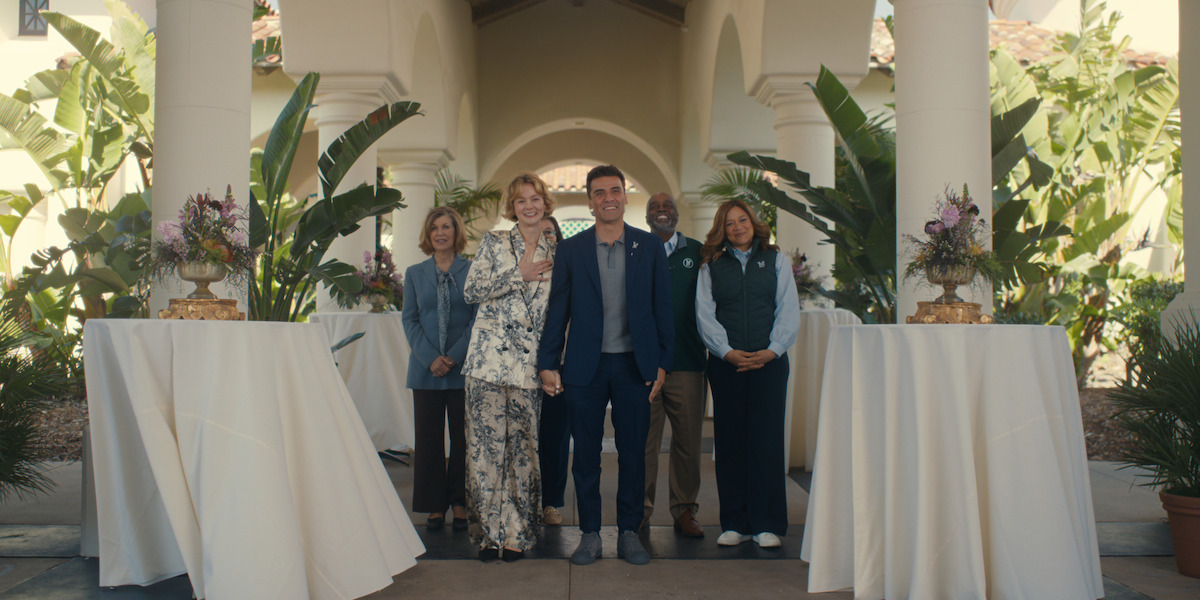
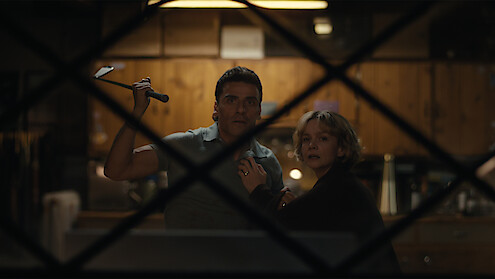
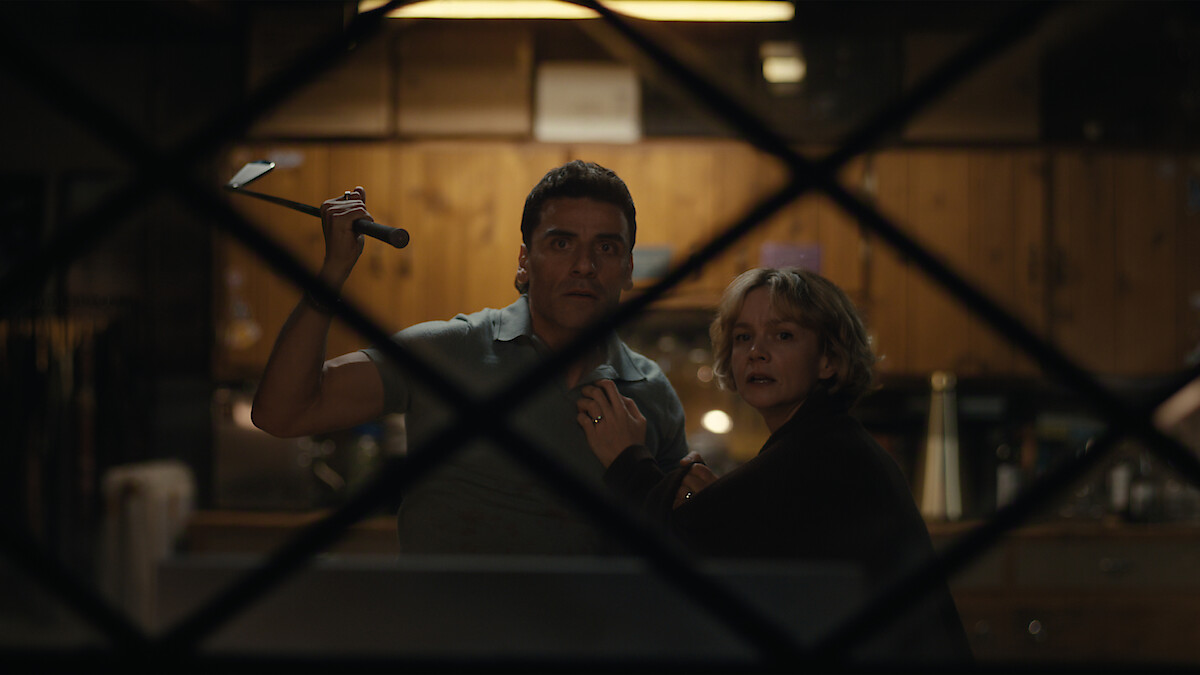
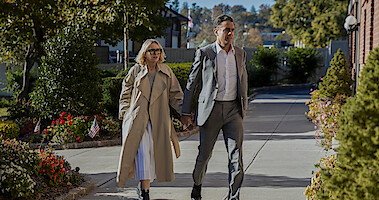
Throughout the season, Josh is often seen in fitted suits, with slacks cropped right at the ankle by deliberate tailoring. “There’s a millennial tendency to be like, ‘I’m not your regular boss. I’m a cool boss. I’ll wear sneakers with my suit,’ ” explains Mill. He also wears an Oura Ring, an accessory that doubles as a self-improvement tool. While the foundation of his wardrobe reflects his status as a millennial, certain elements are dictated by other parts of his identity and personal history. “Josh doesn’t come from money, but he works in this ultrawealthy club,” Mill explains. “When you don’t come from generational wealth, you are hyperaware of how to assimilate into spaces like that. So Josh is somebody who clocks what members are wearing and then incorporates that into his own wardrobe.”
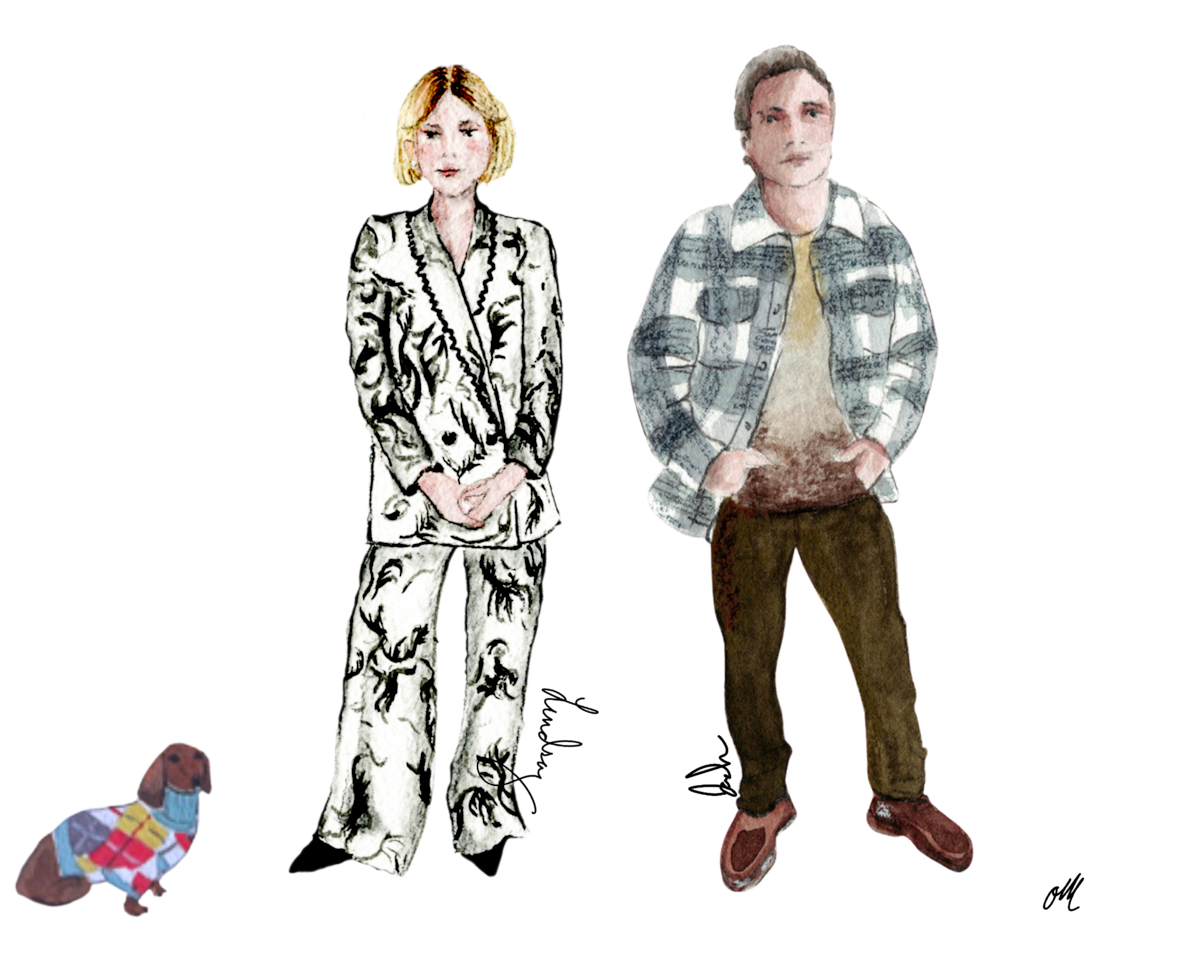
Always wanting to fit in, Lindsay, too, is a bit of a shape-shifter when it comes to what she wears. Together with Lee, Mill imagined that anytime this character is invited somewhere, a bunch of packages arrive at the house right before she leaves. “There’s an importance placed on looking the part, because there is an emptiness behind that facade. So they’re shopping a lot, even if they can’t necessarily afford it.”
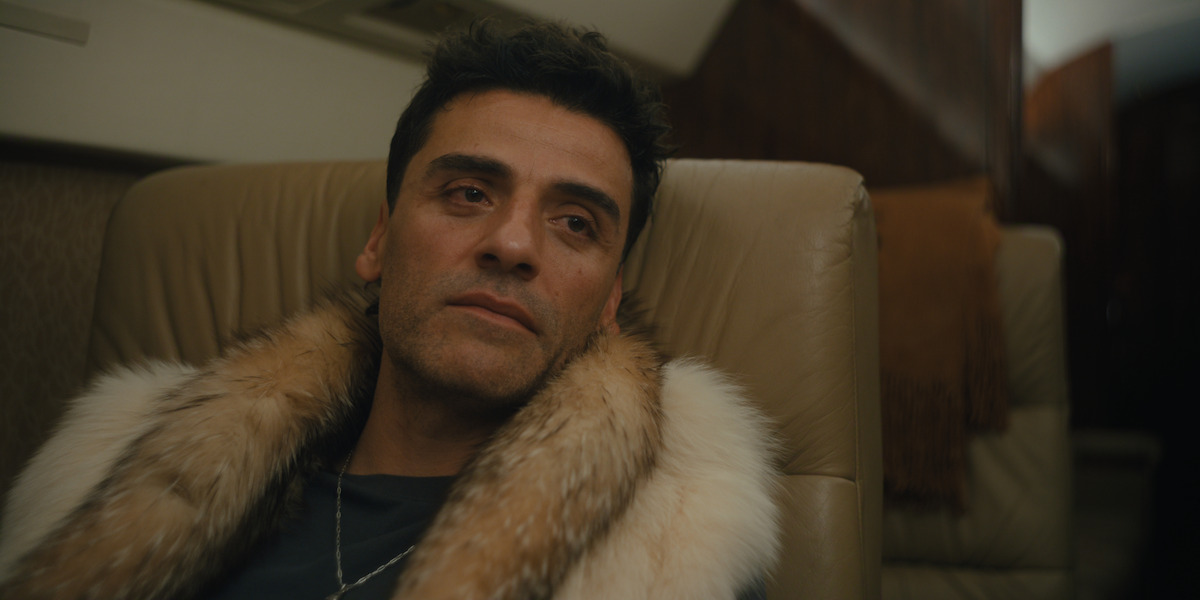
When Chairwoman Park becomes his boss, Josh is forced to face the uncomfortable truth that, no matter how hard he’s tried to integrate, he works for the club and doesn’t actually belong to it. It’s at this time that he’s made to wear khakis and a polo, which demonstrates his standing as an employee. Although Josh claims he would love to drop his suits, “that’s really painful for his ego,” says Mill. Josh’s forced workwear evolution prompts another change in off-the-clock clothing.
“As his character tears away from his role at the club and his marriage is falling apart, you start to see him more in band tees, representing the dream that he had of himself when he was younger that never came to fruition,” Mill says. That fur vest he sports while jamming out with Hot Chip — surely a relic of music festivals long past — is glaring evidence of this growing need to escape his new reality.
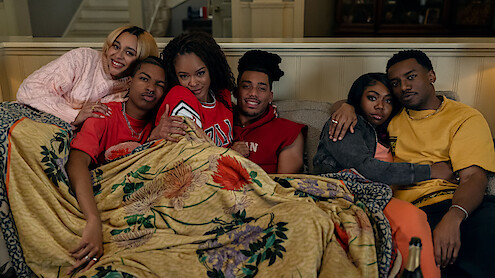
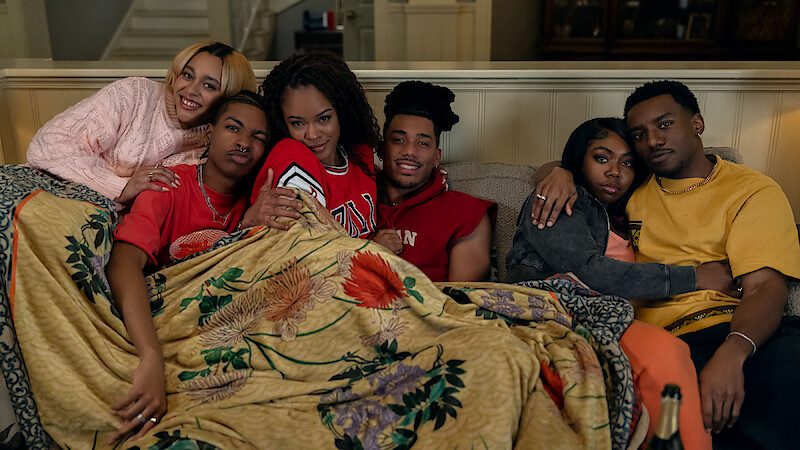
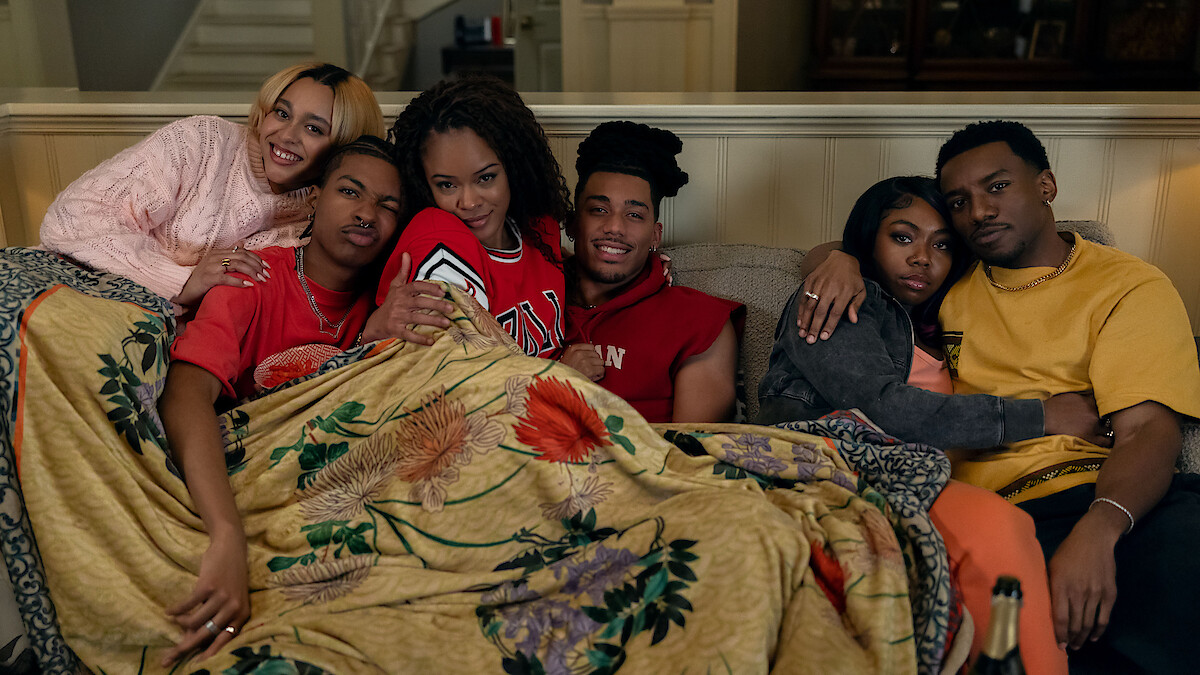
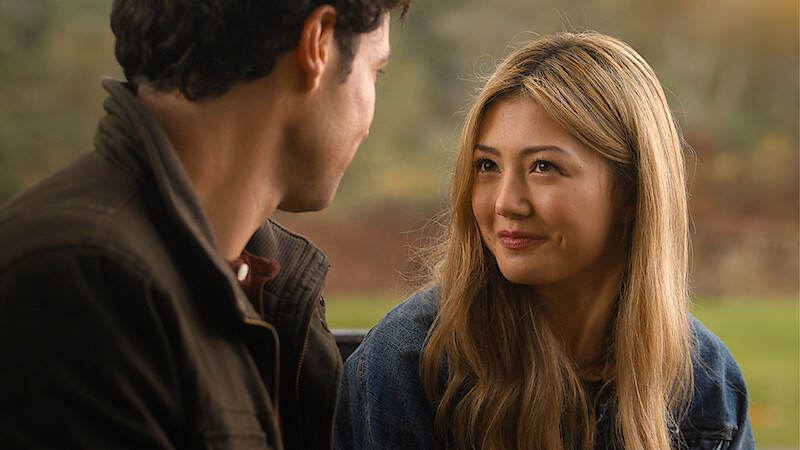
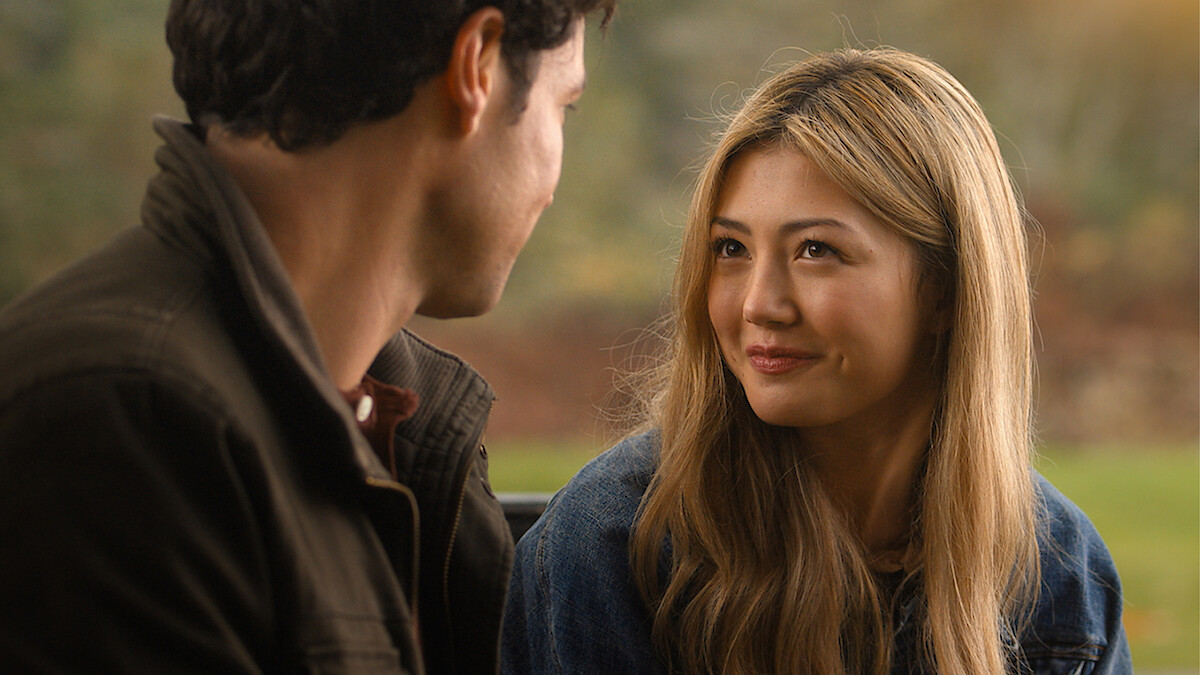
As Mill researched the intellectual differences between millennials and Zoomers, she repeatedly heard the word “authenticity.” “Gen Z’s pulled towards a kind of messier rejection of perfection,” she explains. This manifests as a resistance to consumerism, which means thrifting, clothing swaps, or even borrowing items from their parents’ closets. “The status symbol is more about not buying stuff versus the acquisition of things.” Austin, who so often refers to the pitfalls of late-stage capitalism, has a clear distaste for materialism. In Episode 2, he even rejects Ashley’s request for a new work wardrobe from H&M in favor of used items from Goodwill. Ashley’s phony reaction to these mismatched and not-so-gently-worn pieces exposes a lot about who she really is as well.
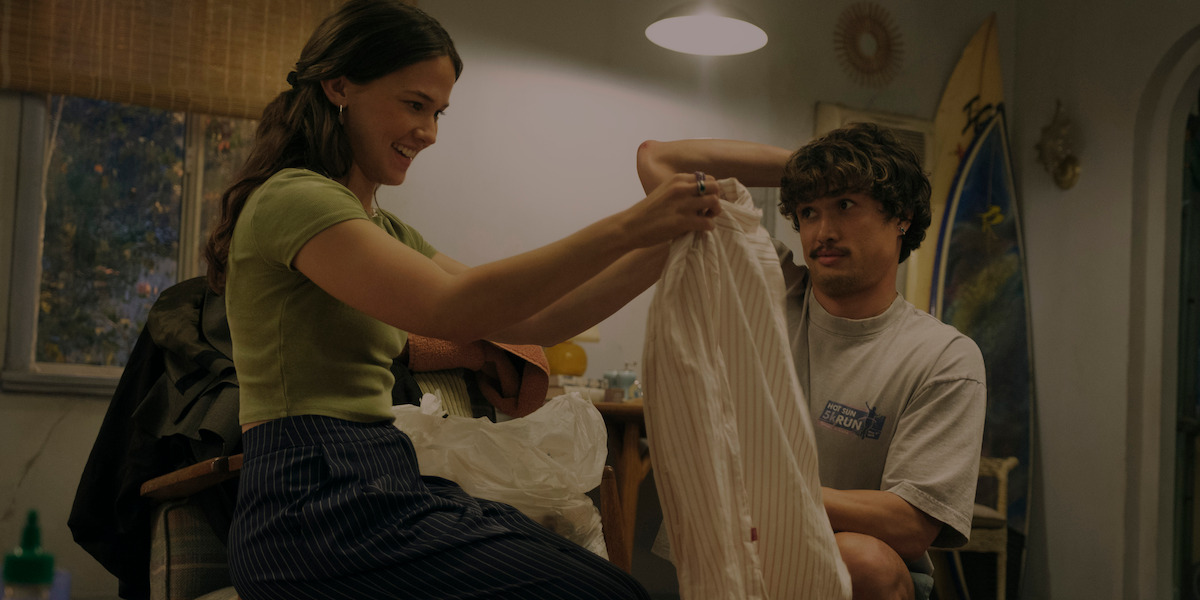
Mill describes Ashley as an “ungrounded person,” which comes across not only in how tightly she clings to her relationship but also in how her style morphs throughout the season. “She, as a young person, doesn't have a real strong sense of herself yet,” says Mill. Knowing that her peers — including her fiancé — place value on authenticity, Ashley initially sports a relaxed look. Mill points out that, as authenticity is commodified, light jeans and black tees have become a Zoomer uniform. “Every generation, when they’re on the timeline upswing is like, ‘We are so different,’ and then you inevitably get sucked into the undertow of a trend,” she says. This, of course, is part of what Mill describes as “the cyclical nature of life and relationships,” that BEEF Season 2 is all about.
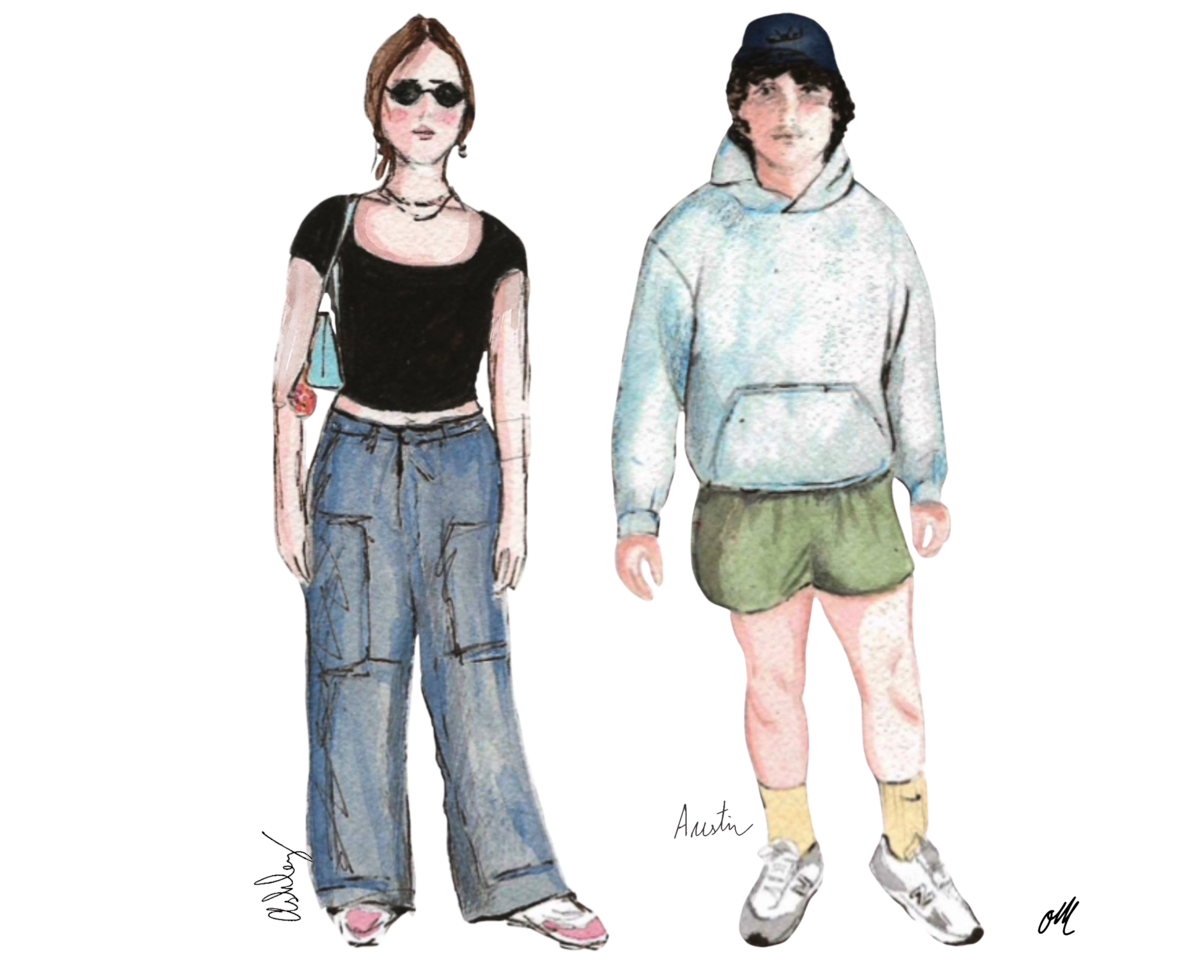
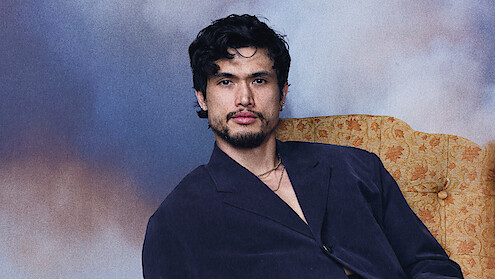
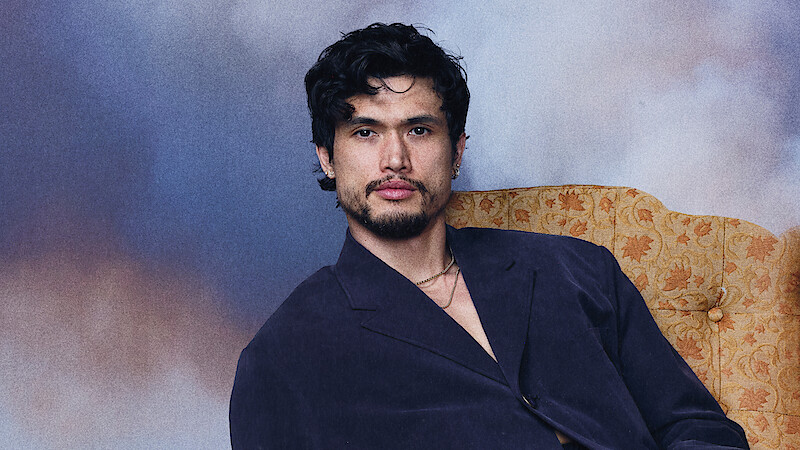
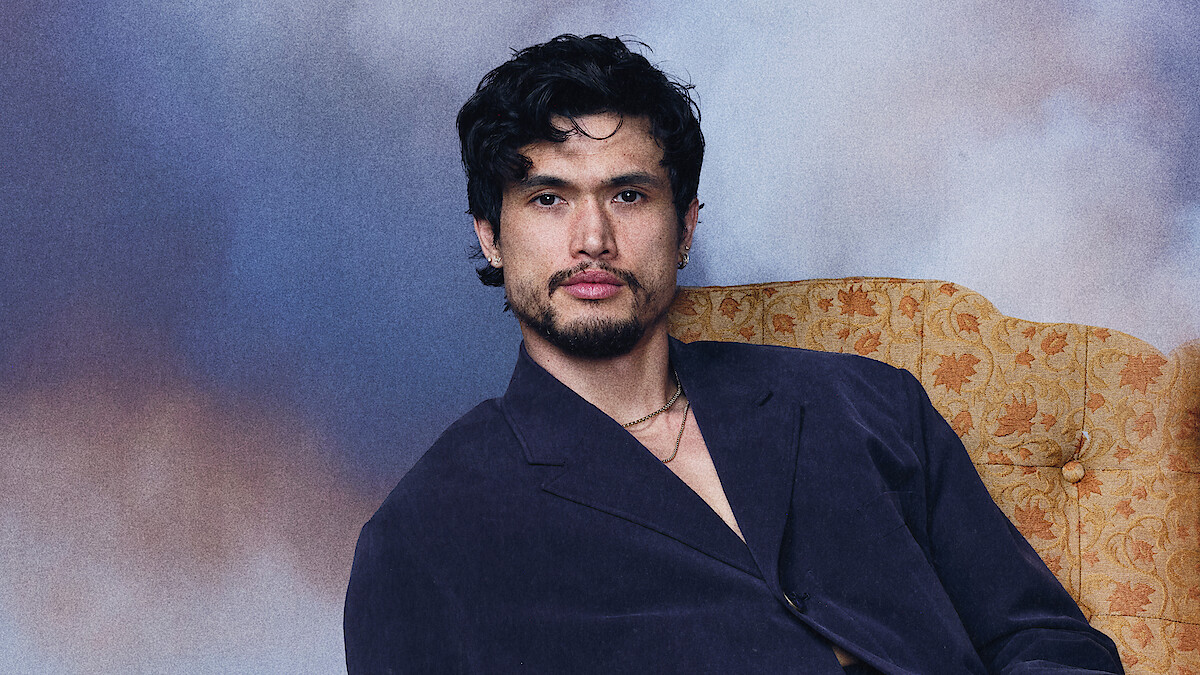
Austin demonstrates his take on the unfussy Gen Z aesthetic with a key clothing staple, his short shorts. Though these BOA and Outdoor Voices shorts seem emblematic of a new era of masculinity that isn’t insecure — think widely shared photos of various internet boyfriend-types like Paul Mescal and Harry Styles bopping around, upper thighs unselfconsciously out — Mill points out that they are just like the ones many men wore in the ’70s. “Again, it’s so cyclical.”
At the start of the season, Austin’s short shorts are mostly made out of soft, sunwashed cotton. “When we first meet him, we wanted him to feel like he could go work out, and then he could pop by a barbecue then swing by the beach, so there’s a kind of casualness to his overall essence.” As he moves into his new role as a physical therapist at the club, however, the shorts become more utilitarian and are primarily made of moisture-wicking fabric.
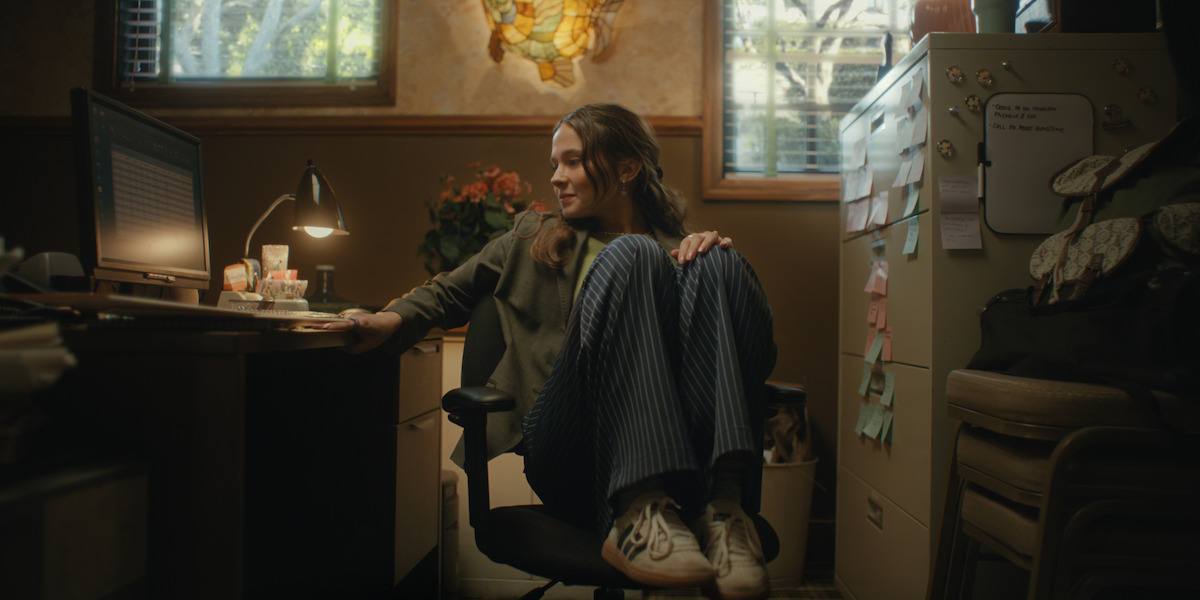
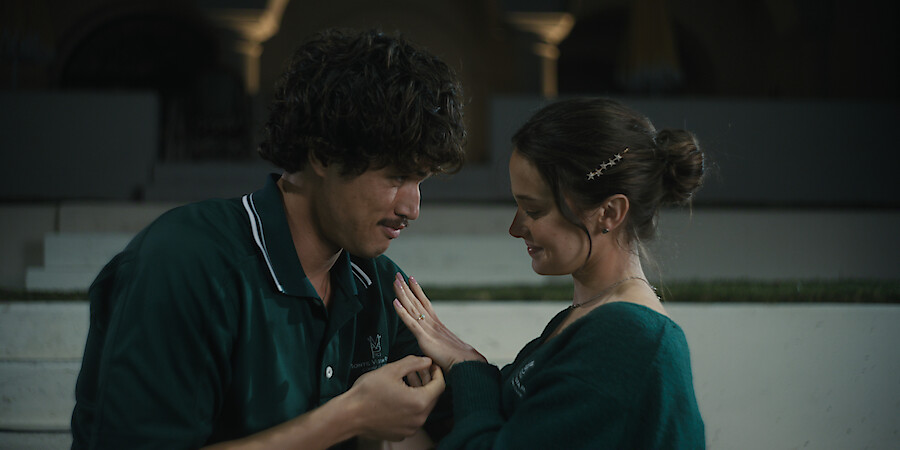
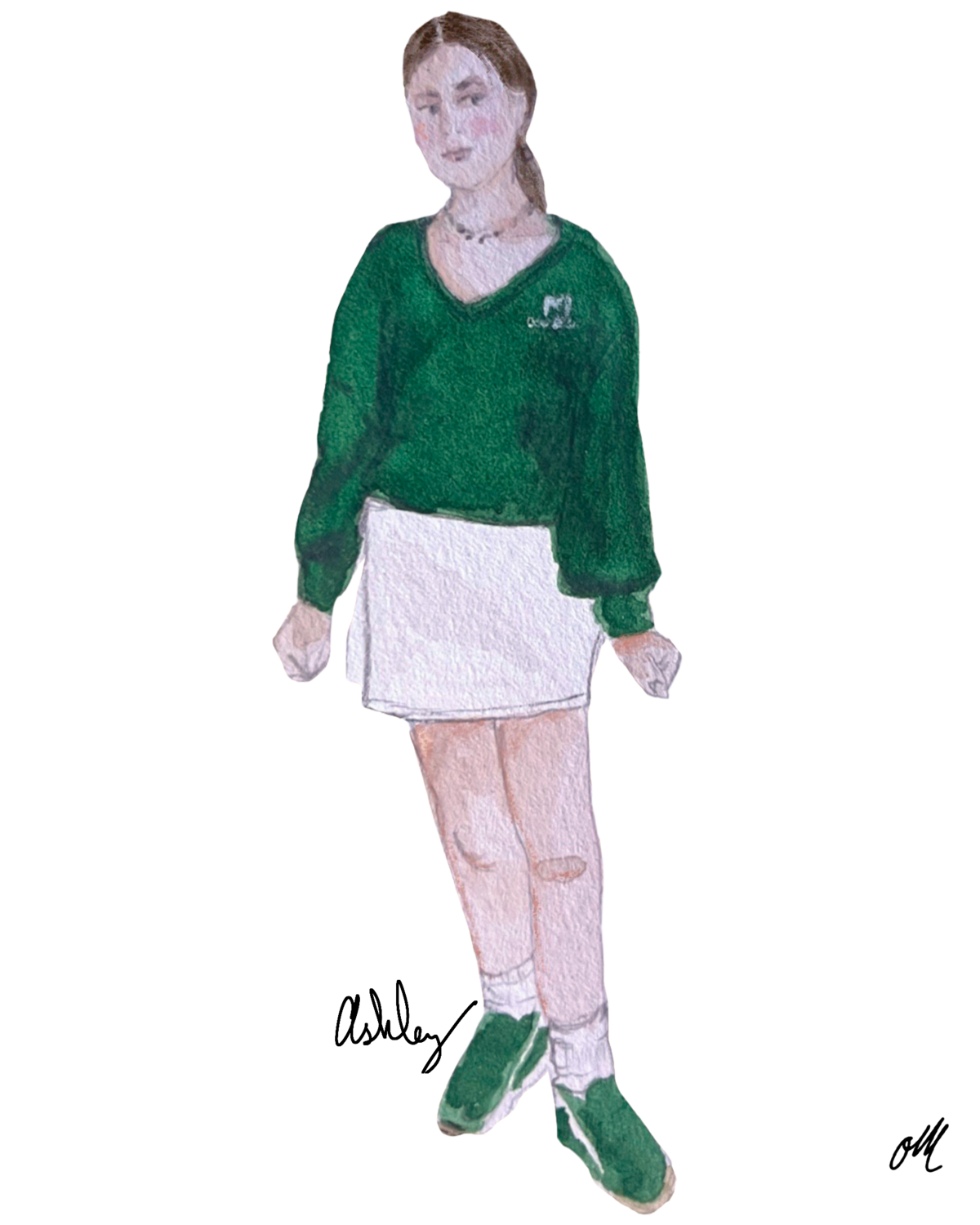
Ashley’s look also continues to shift as she tries to find her footing in her career, her relationships, and the world. “She’s just trying on different identities,” Mill shares. “She’s somebody that aesthetically mimics others. So when Austin is having this connection with Eunice (Seoyeon Jang), she starts to dress like Eunice.” Then, as she gets close to Lindsay and the other women at the club, Ashley moves on to cottagecore. With less money to put toward pursuing the pastoral fantasy, however, Mill says Ashley’s “doing the ASOS version of it.” Finally, in the very last moment of the season, when, eight years later, she has become the general manager of the club, Ashley appears in a green suit, which echoes how Josh is outfitted in the show’s opening scene.
In addition to the three main couples getting their own seasonally inspired palettes, Lee and his team of artisans assigned summer to the Monte Vista Pointe Country Club. Scenes set here are meant to evoke an endless vacation, with eternal green grass and butter yellows — costuming is a key part of that perennial paradise feel. Because the staff uniforms would be seen so much throughout the series, Mill knew they would establish exactly what kind of club Monte Vista Pointe is. To figure out MVP’s identity, Mill and Lee first discussed what the club was not. “It’s not a southern country club, so it's not a creamsicle pastel Lilly Pulitzer world. It’s not a northeastern waspy country club,” she explains. “California wealth has its own relaxed, almost want-to-be-on-the-coast-of-Italy, easy-breezy aesthetic. The club’s clientele and the uniforms needed to represent that.” To make it happen, they went with hunter green and cream, which Mill describes as “aspirational” but “cool.”
That laid-back elite vibe also comes through in how the club members dress, especially the VIP celebrities who appear as fictionalized versions of themselves throughout the season. For these cameos, Mill sent each celebrity a clear color palette, and collaborated with them to select clothes they already had in their wardrobes to stay true to their sense of style. “Benny Blanco was super helpful and was really game,” she explains. “With somebody like that, we're not going to get in the way.” Secure in their standing, the members aren’t dressing to impress. Instead, they show up at the club exactly as they are.
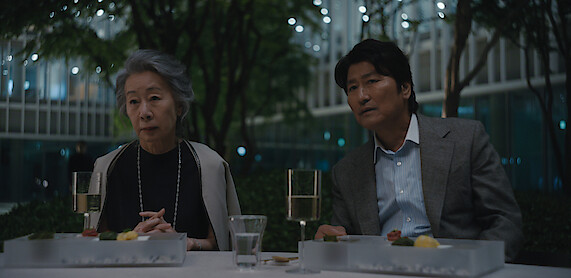
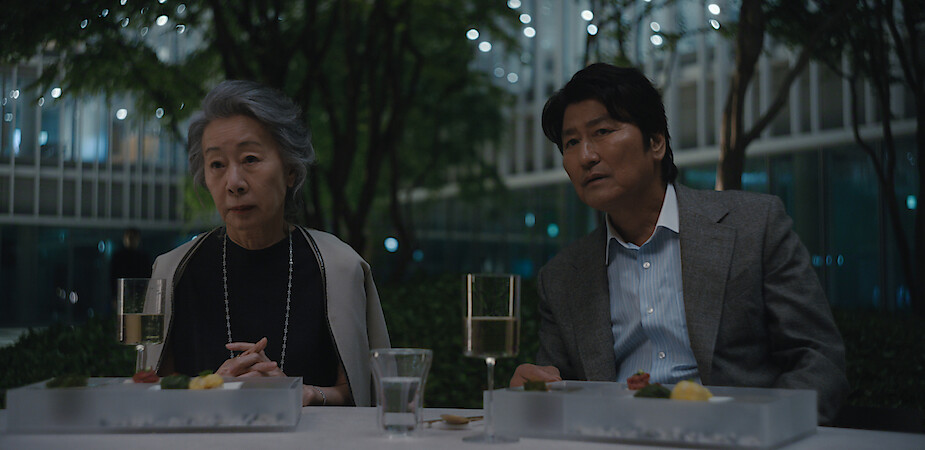
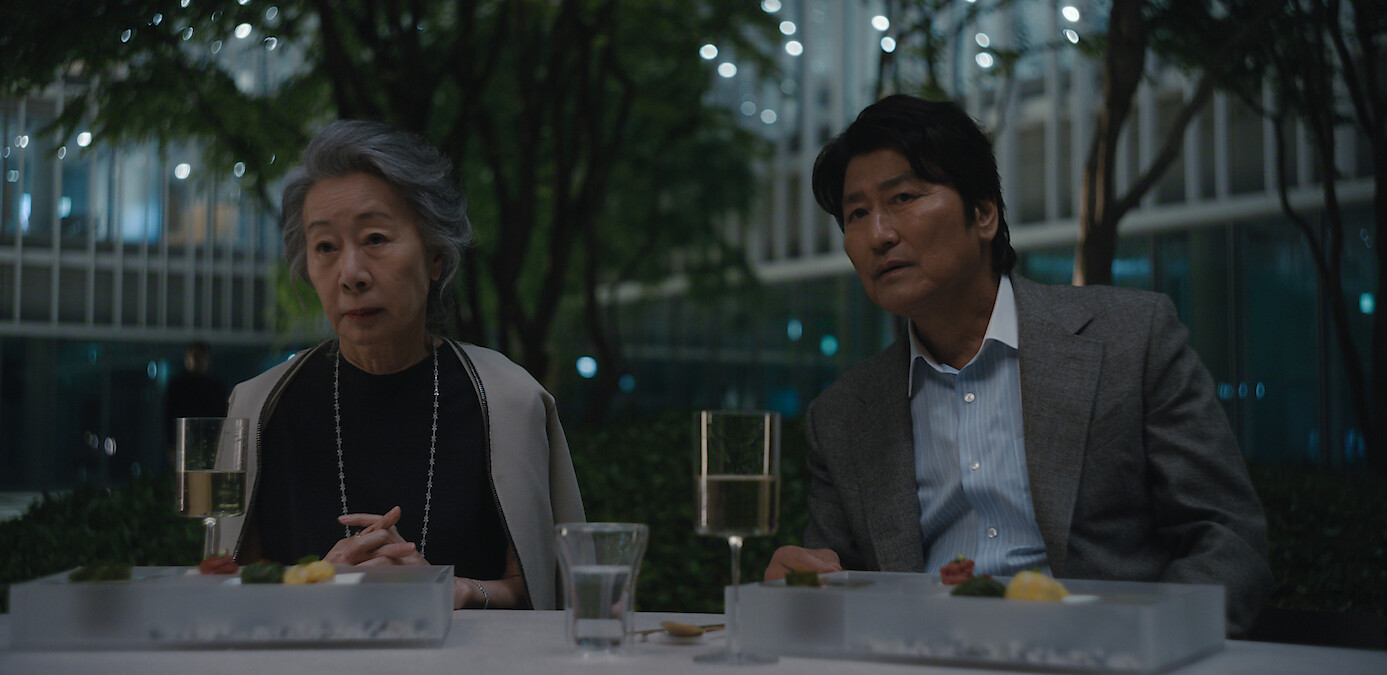
Representing winter, Chairwoman Park and Dr. Kim wear whites, creams, and grays, but their clothes are anything but boring. Yes, Chairwoman Park is the oldest character and a member of 1% who embraces luxury. But Mill made sure her attire wasn’t too traditional. “She is a woman who married a younger man, and she buys this club in the States. There’s a spark to her,” she says. “That’s why there are some choices in her wardrobe, like the leather jacket, for example, that speak to that part of her personality.”
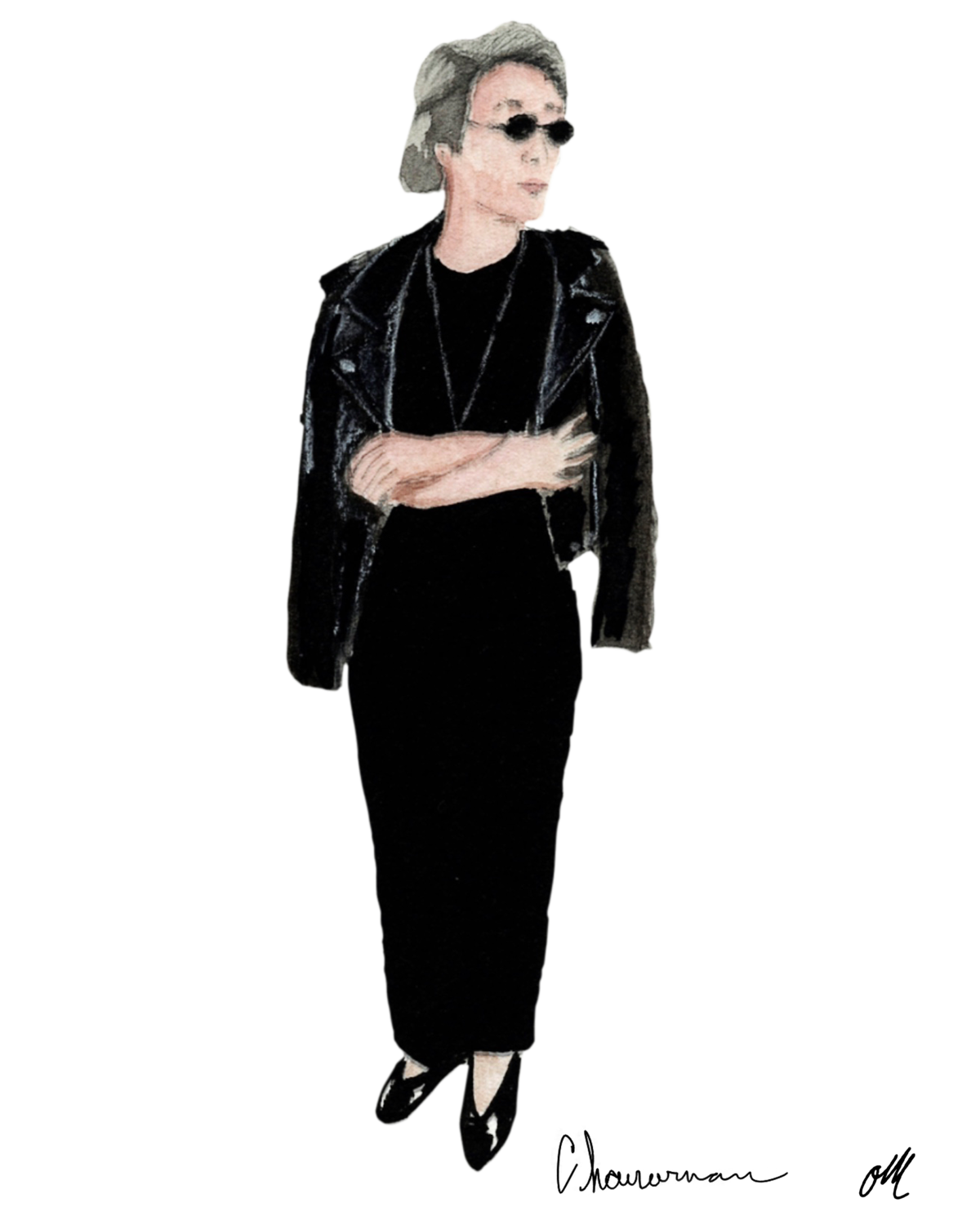
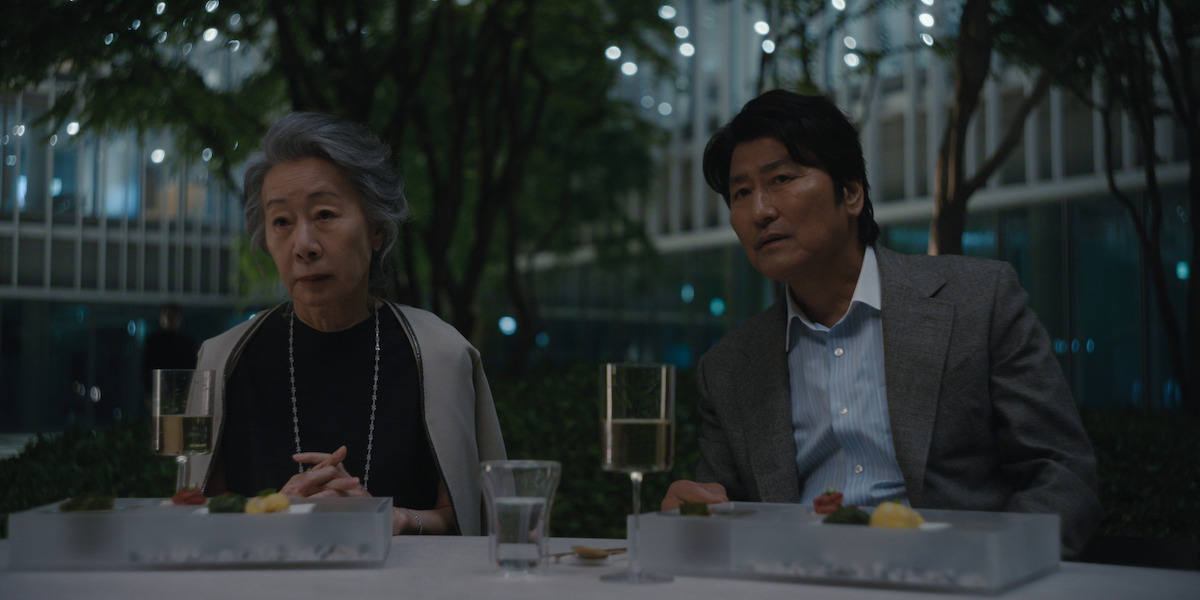
While Eunice may be closer in age to Austin and Ashley, from a style and color story perspective, she’s grouped in with her boss’s wintry and worldly wardrobe. “She’s Korean, but she's also lived in Singapore and London. So she’s representing the opposite of Ashley,” Mill says. “She’s a woman of the world, and if you see her through Ashley's eyes, she’s really sophisticated.” Unlike her fellow Zoomers, Eunice’s closet is filled with dry-clean-only and designer pieces, including a Gucci blazer and YSL blouse, which she pairs with high-quality basics from Korean brands. Like the club members, this group’s sense of style isn’t dictated by trends in the same way Lindsay, Josh, Ashley, and Austin’s are. With more means and experience and no pressure to fit in, they’re the only ones who can afford to escape life and fashion’s predictable patterns.
Witness all the beefs of BEEF Season 2 unfold for yourself now, only on Netflix. Then, dig into BEEF further with BEEF: The Official Podcast, streaming on Netflix and available on Spotify and Apple Podcast.