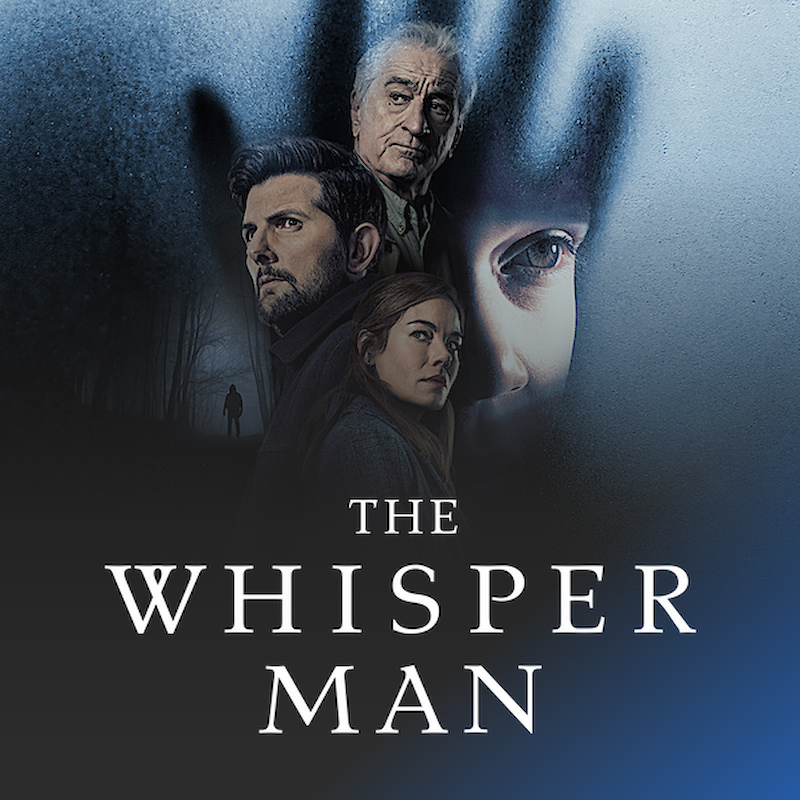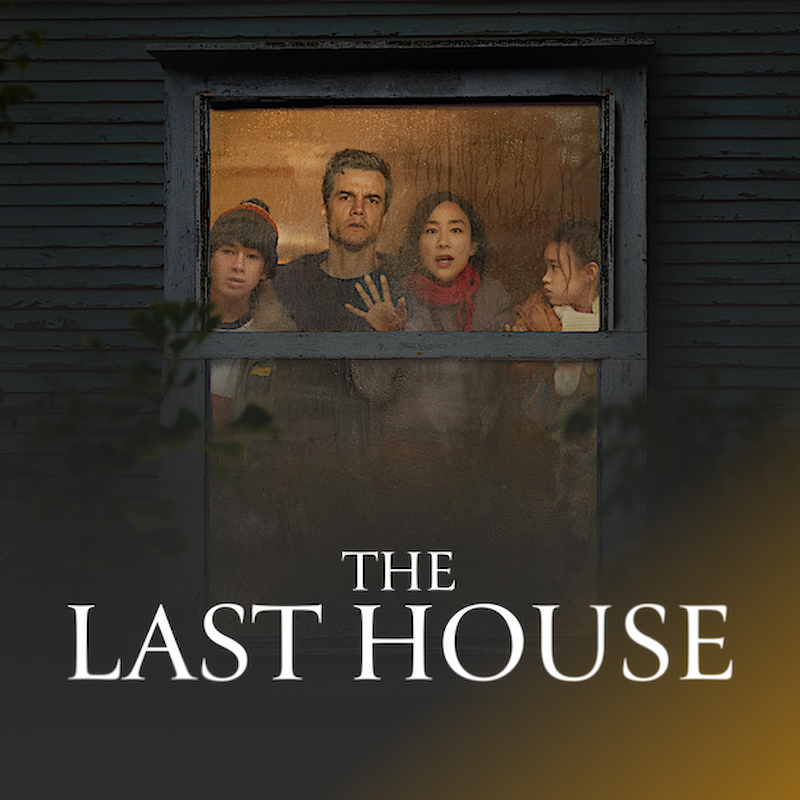

Love begins anew.

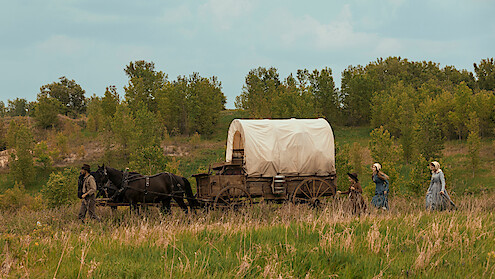
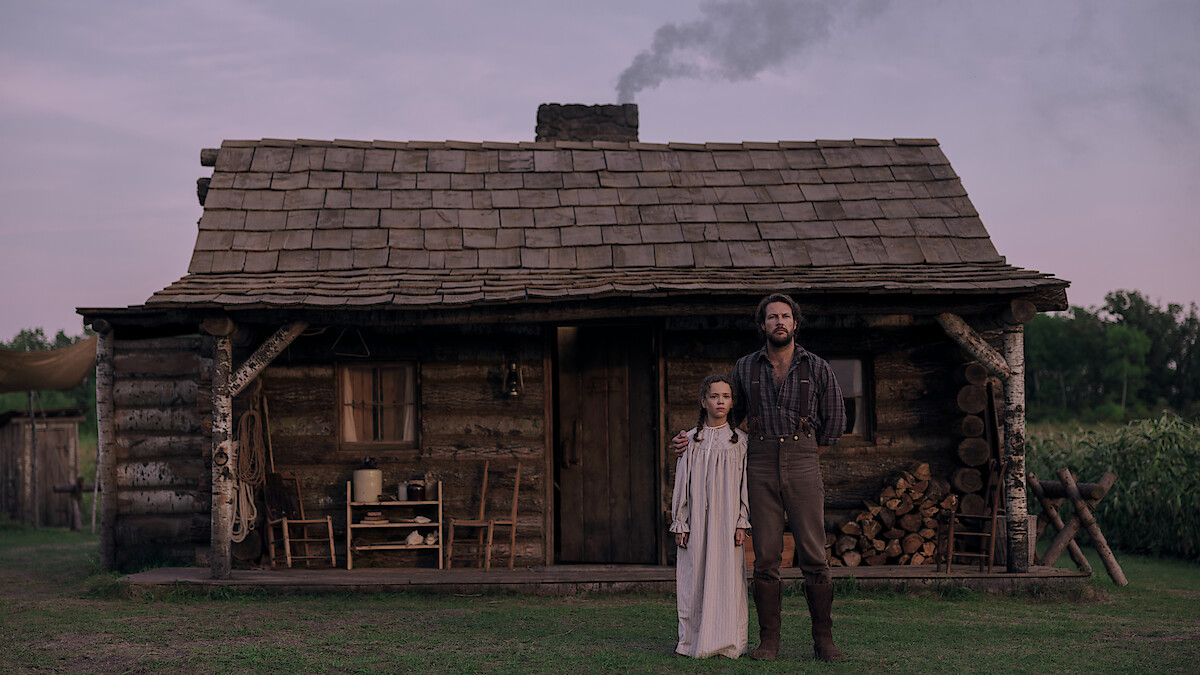
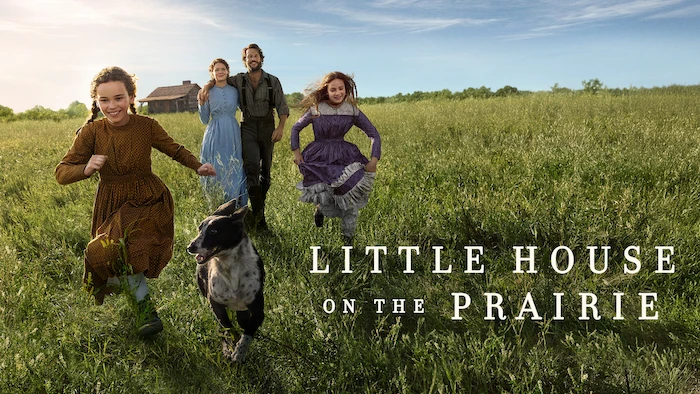
Little House on the Prairie begins in 1869, four years after the Civil War, as families like the Ingalls headed west into a landscape still being mapped and mythologized. As you watch the Ingalls family’s story of grit and determination, the adventurous brood might feel eons away from the palace soirées of Bridgerton or the posh postwar intrigue of Agatha Christie’s Seven Dials. But, in fact, Little House on the Prairie takes place smack-dab in the middle of both of those beloved series.
As Netflix’s expansive slate of period storytelling grows, Little House sits amidst a much wider historical sweep than you may have guessed.
With stories stretching across centuries, continents, and wildly different societies, the cinematic journey through this historical lineup reveals precisely where Little House on the Prairie fits on the timeline: A pivotal, transformative middle chapter between Regency ballrooms, Victorian mysteries, and the dawn of the modern era. Here, we trace how these series and films capture the biggest changes of their respective eras — whether through shifting social rules, new inventions, expanding empires, or families trying to find their place within it all — and how they connect across timelines.
Keep scrolling to realize just how close some of your favorite period pieces are — and watch Little House on the Prairie now.


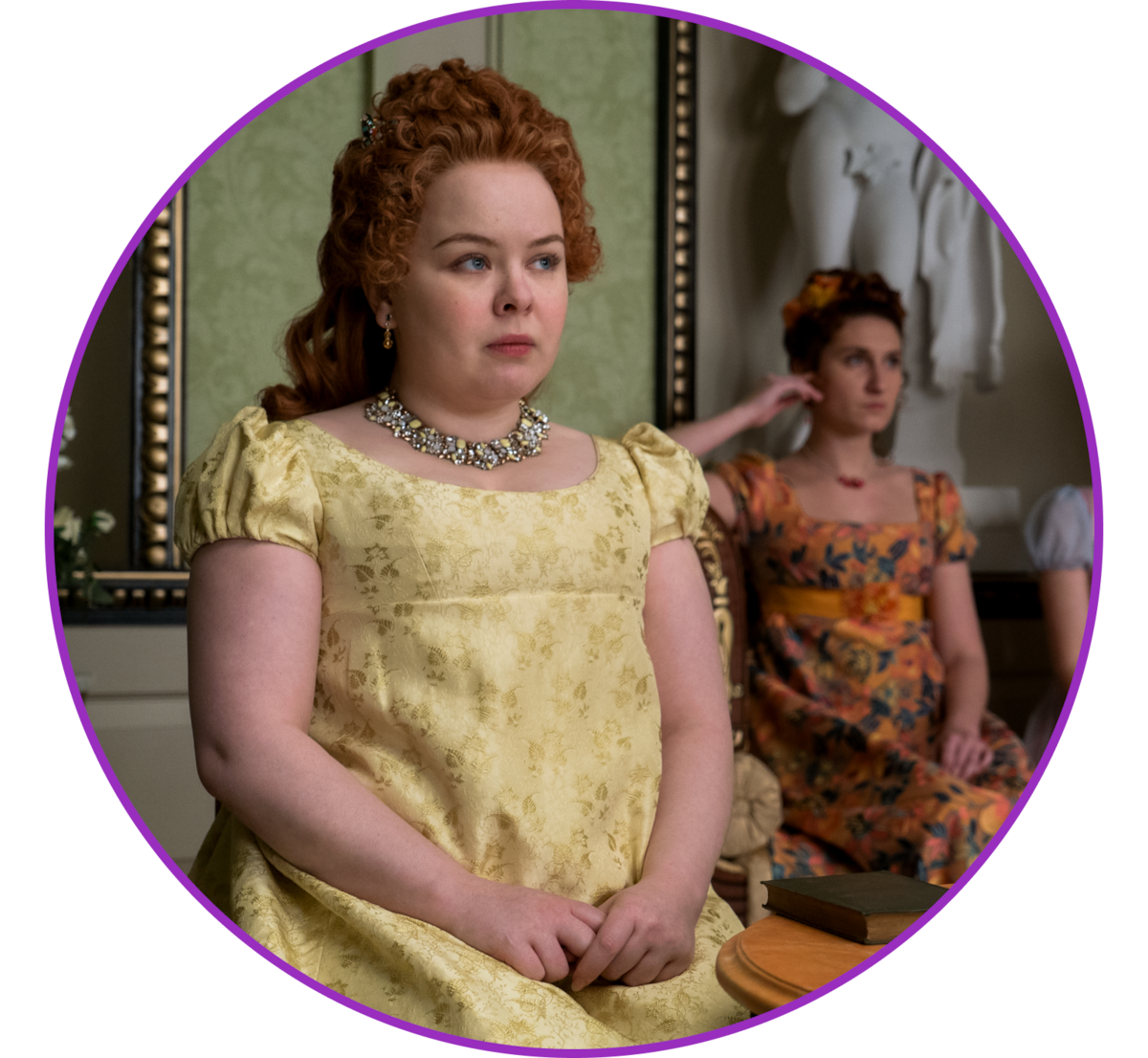
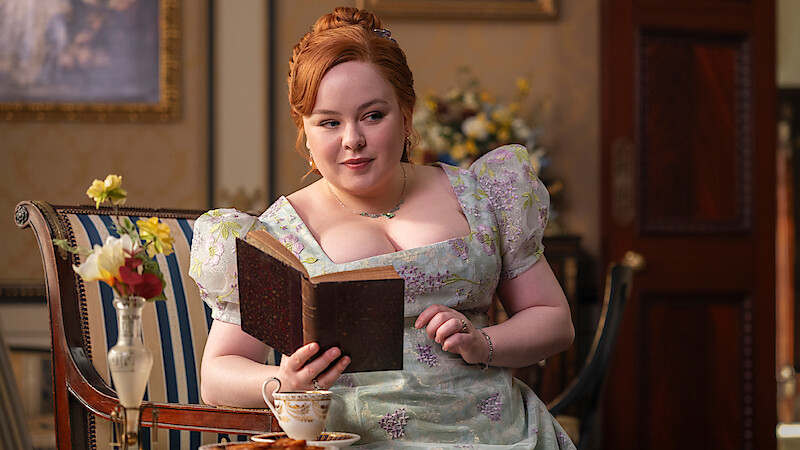
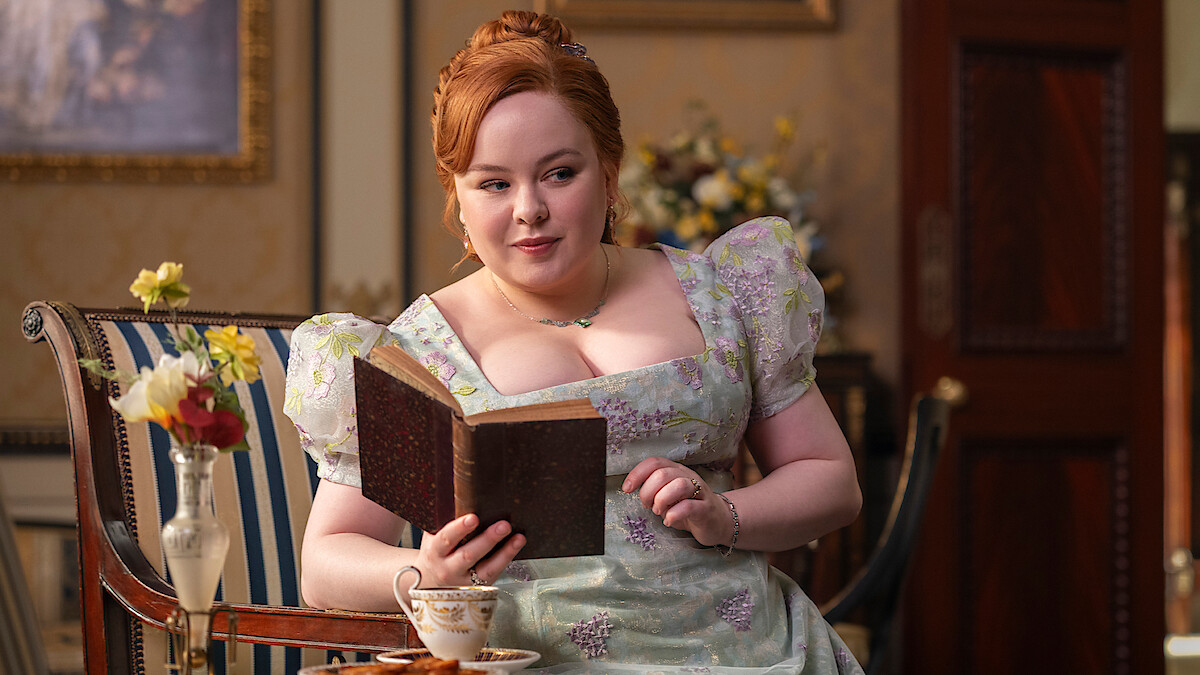
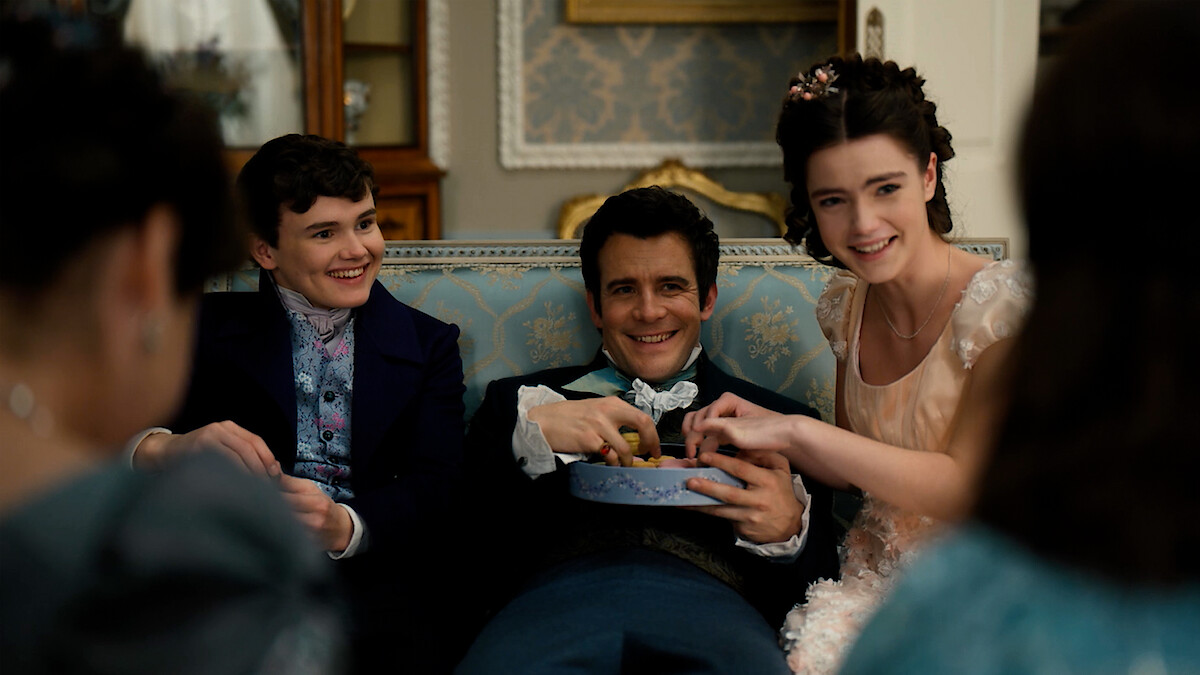
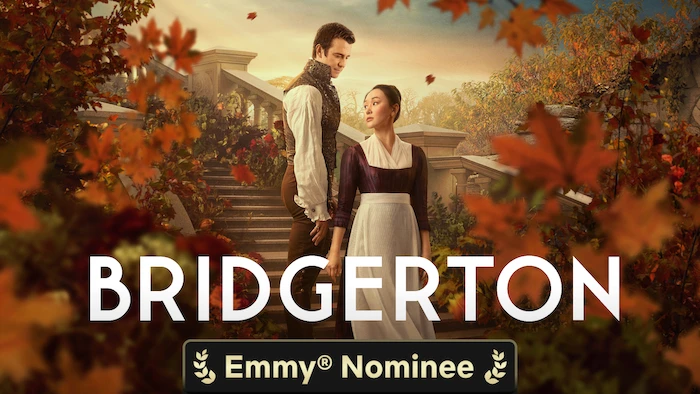
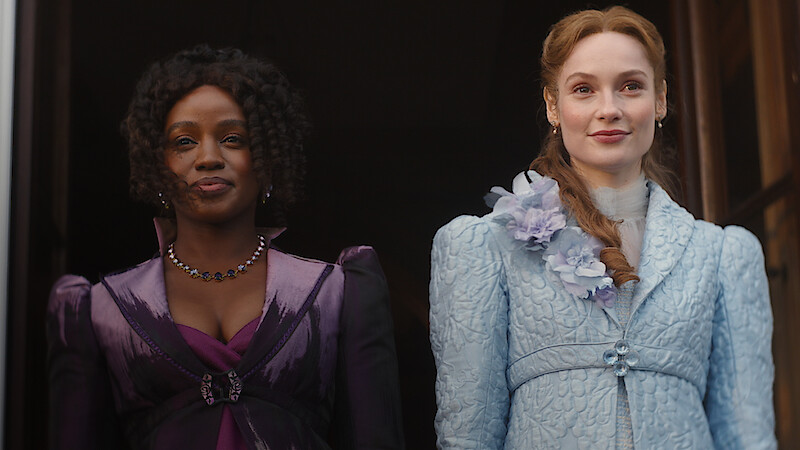
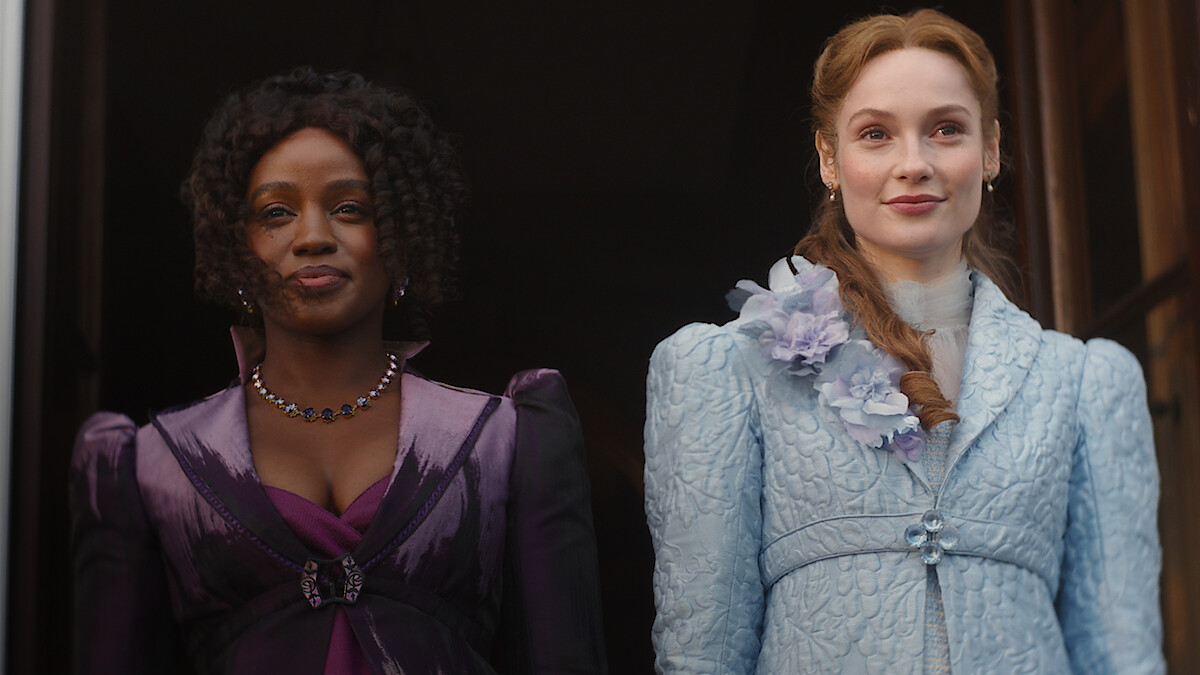
Before covered wagons carried the Ingalls family across the American frontier, the world of Bridgerton unfolds in the drawing rooms and ballrooms of Regency-era London. Beginning in 1813, the series captures a society governed by titles, inheritance, and social status. Little House on the Prairie takes place 56 years later, in a country still defining itself after westward expansion, making the two series fascinating snapshots of very different worlds in the 19th century.


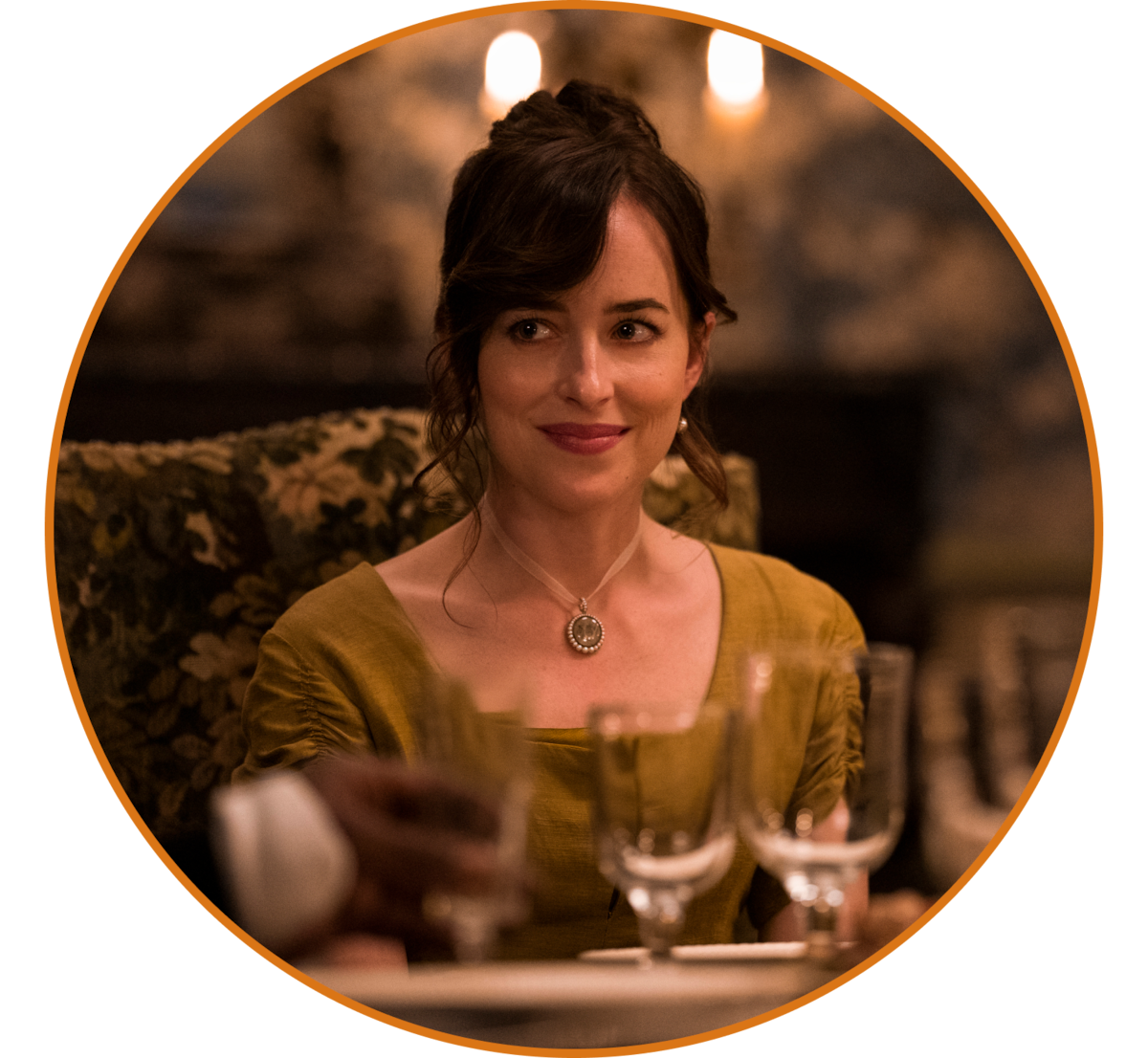
Set in 1814 — and based on the 1817 Jane Austen novel of the same name — Persuasion follows Anne Elliot, a woman navigating lost love, family expectations, and the rigid social structures of a world where marriage, inheritance, and class determine one’s future. Little House on the Prairie arrives 55 years later in a very different landscape — a young America pushing westward, where survival and self-reliance replaced the drawing-room dramas of the British aristocracy — but both offer a glimpse at a chapter of the 19th century’s transformation through the lens of a woman writer who experienced it all up close.



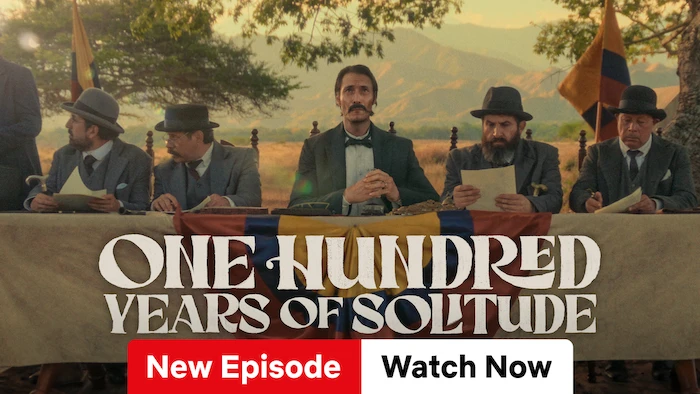
One Hundred Years of Solitude begins nearly two decades before the Ingalls family would arrive on the American frontier, opening in 1851 in the fictional Colombian town of Macondo, where generations of the Buendía family will live through cycles of love, ambition, political upheaval, and magical realism. Based on the novel by Gabriel García Márquez, the series captures a Latin American world shaped by colonial legacies, civil conflict, and the arrival of modern industry. Little House on the Prairie takes place in 1869, making the two series striking portraits of a century in transition, from old empires to new frontiers, all experienced through the perspective of a singular family.


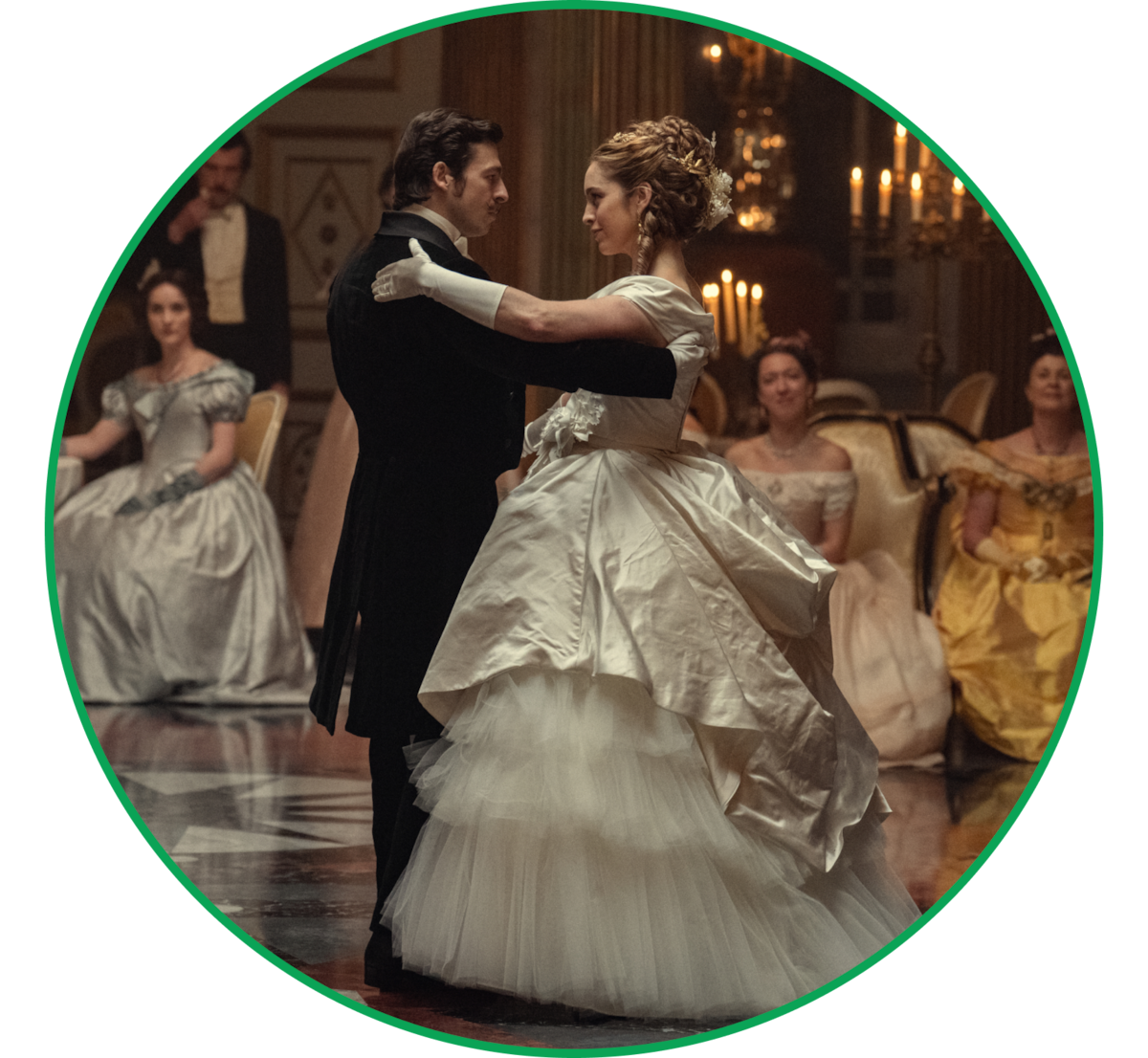
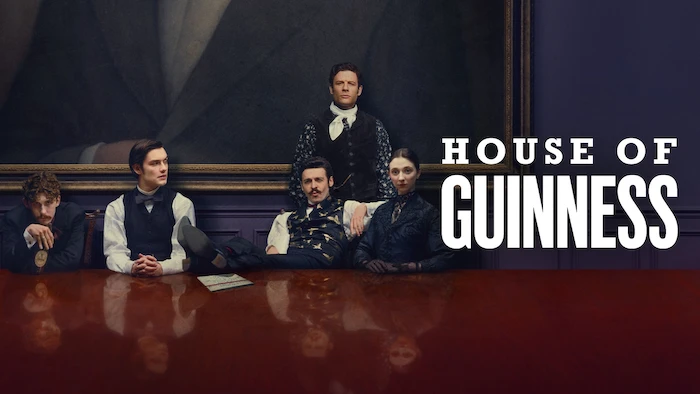
House of Guinness takes place in 1868 Ireland, where the powerful Guinness family faces questions of legacy, inheritance, and the future of its brewing empire. The series captures a world shaped by industrial wealth, old-world class structures, and the tensions between tradition and modernization. Little House on the Prairie begins just one year later in 1869, but across the Atlantic, where the story of America’s westward expansion was creating a very different kind of dynasty — one built not on inherited fortunes and city estates, but on land, labor, and the promise of a new frontier.


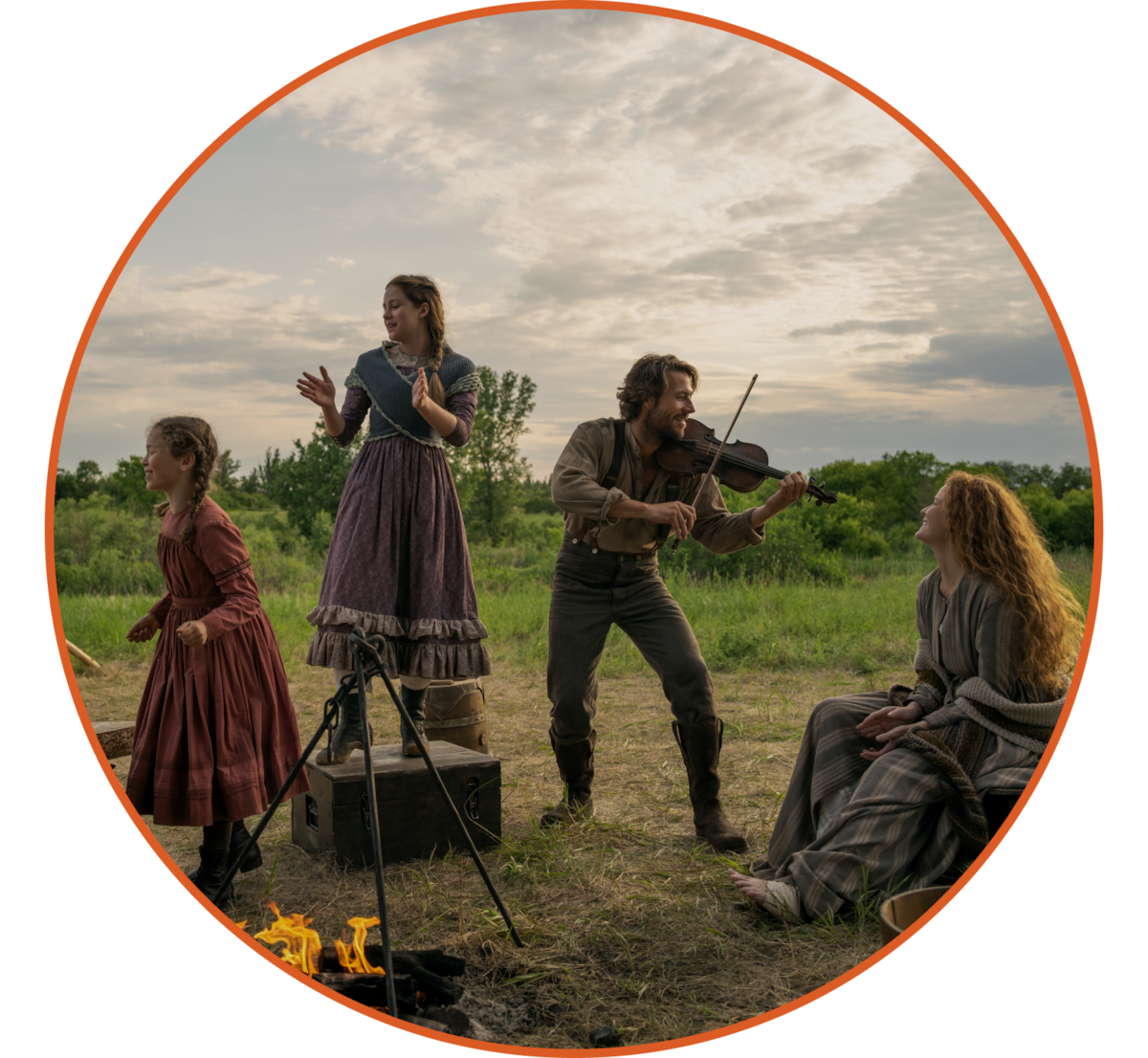
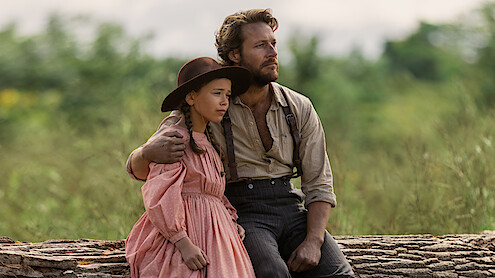
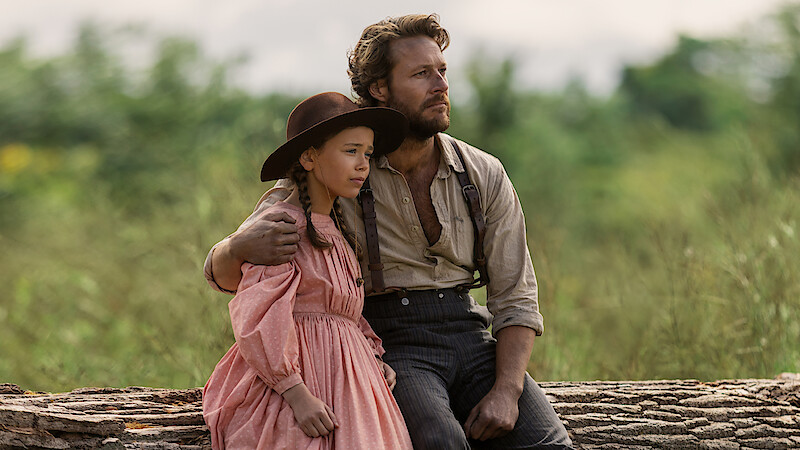
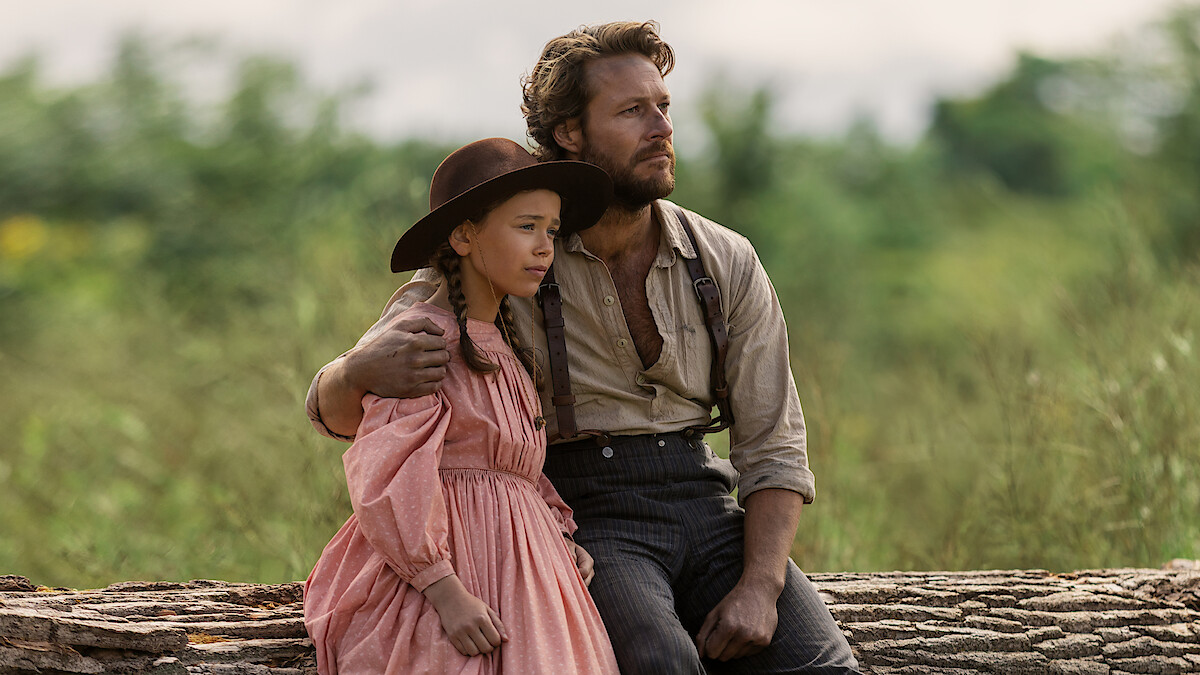
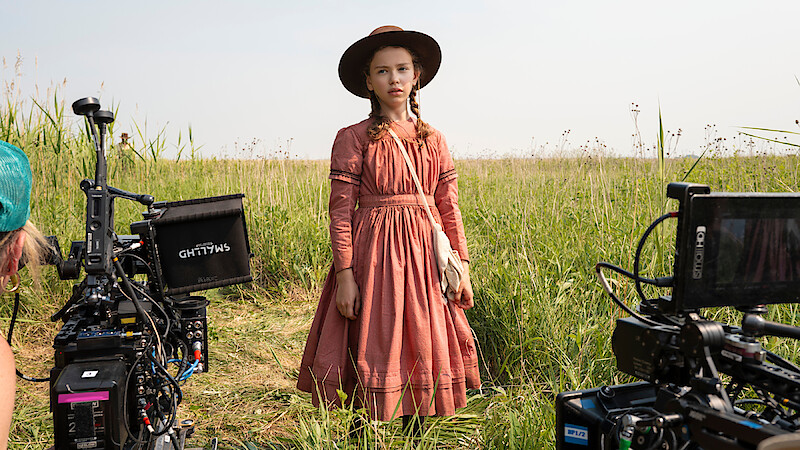
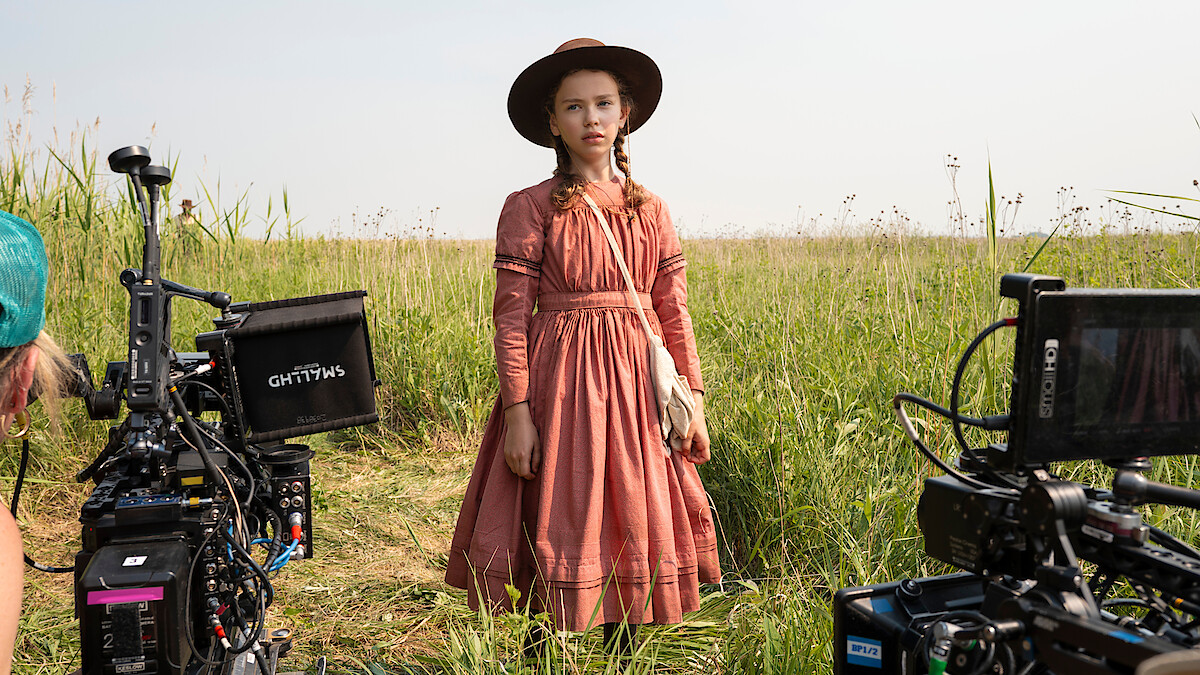
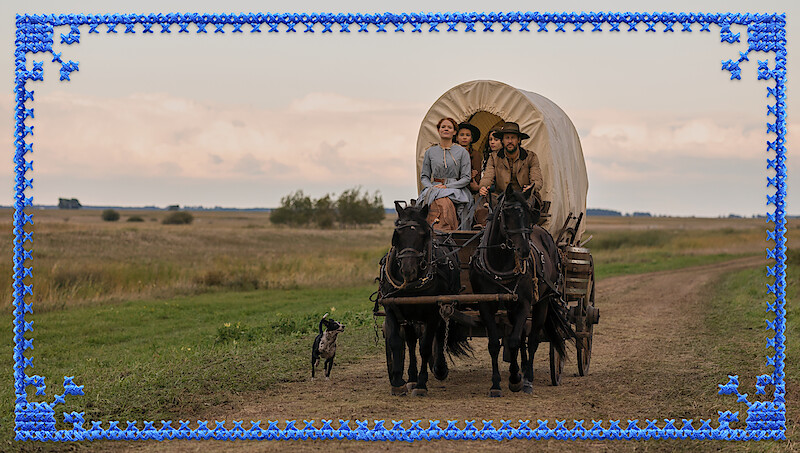
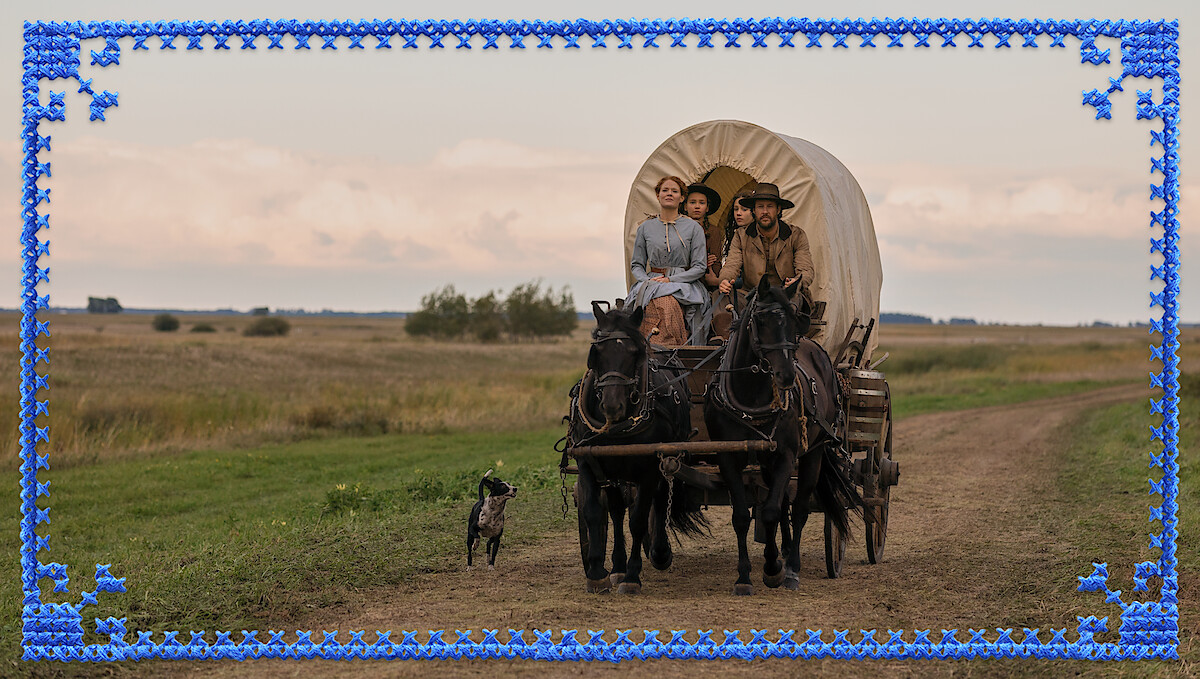
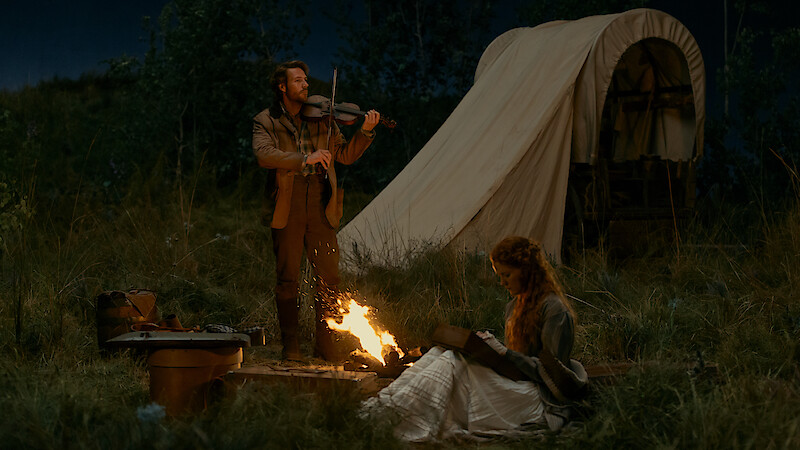
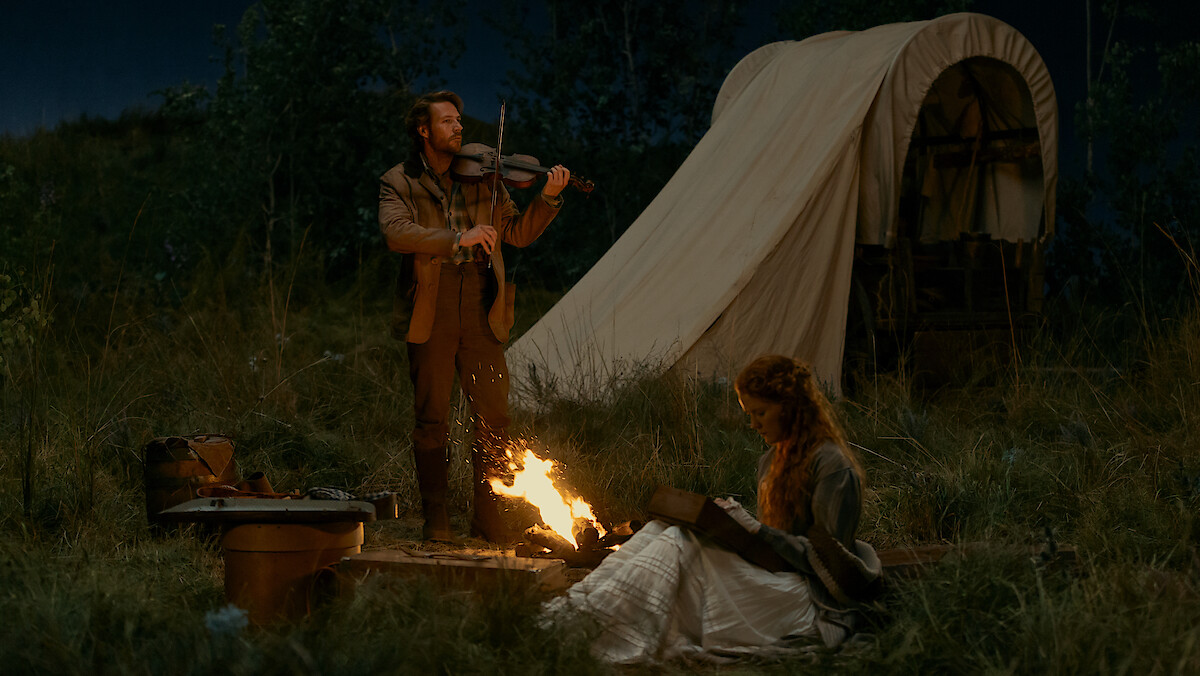
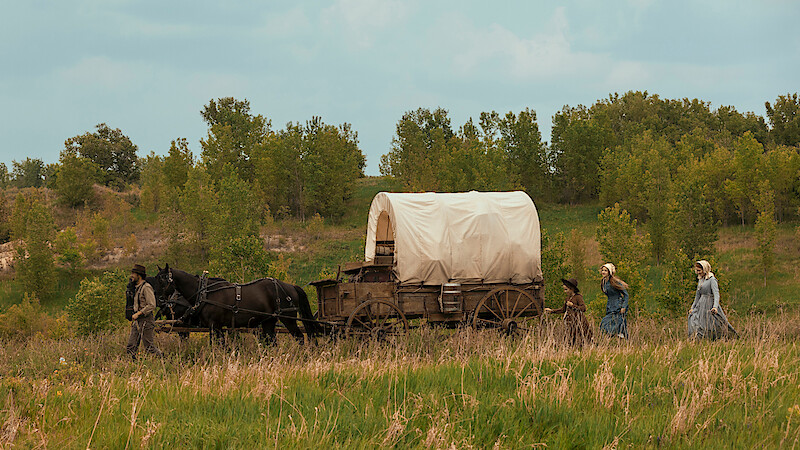
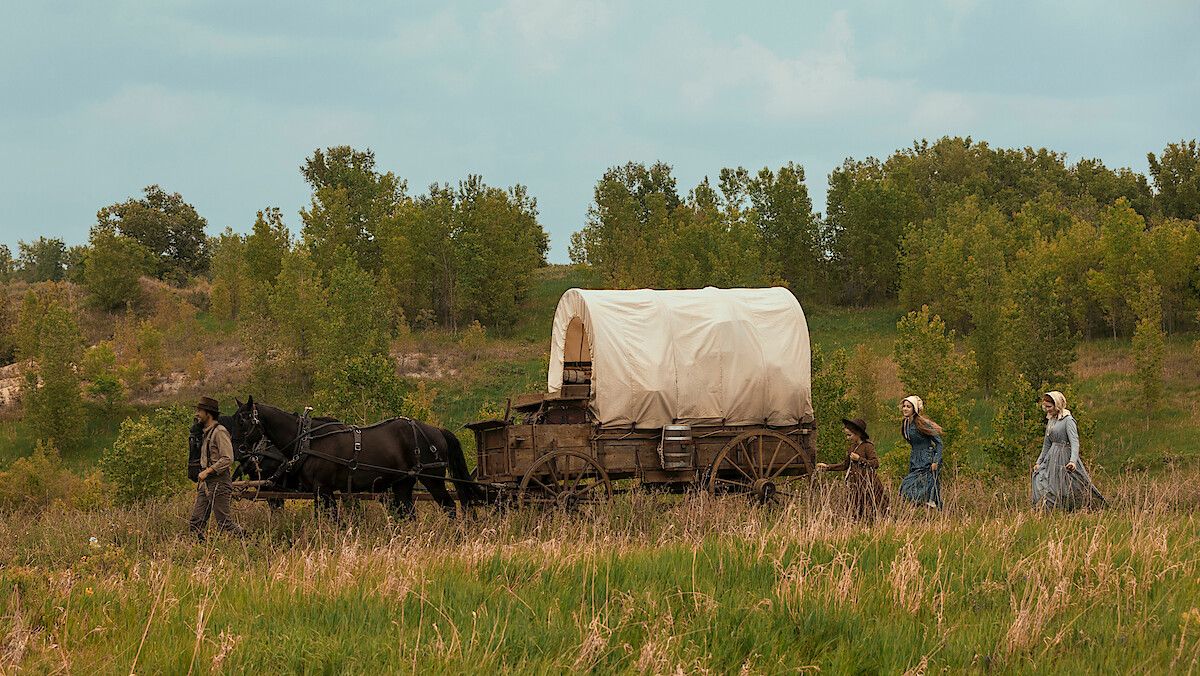
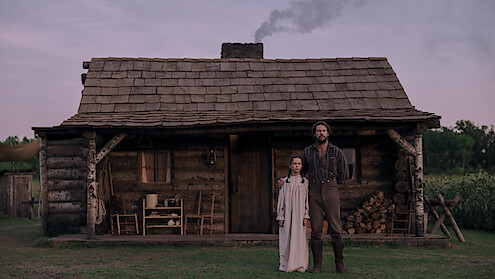
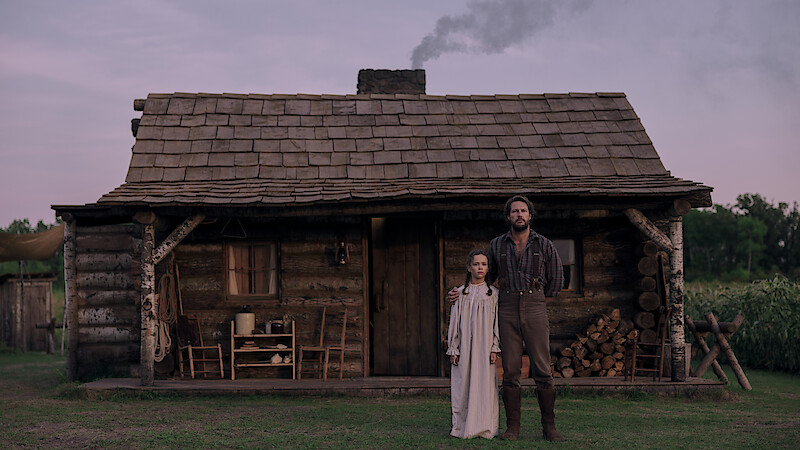
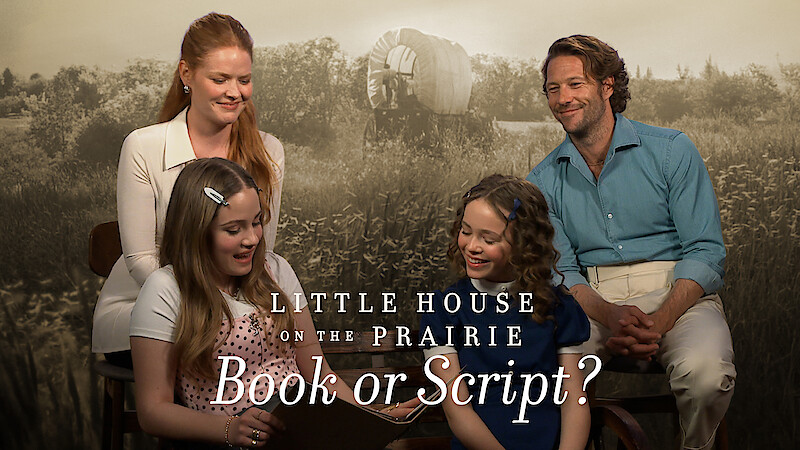
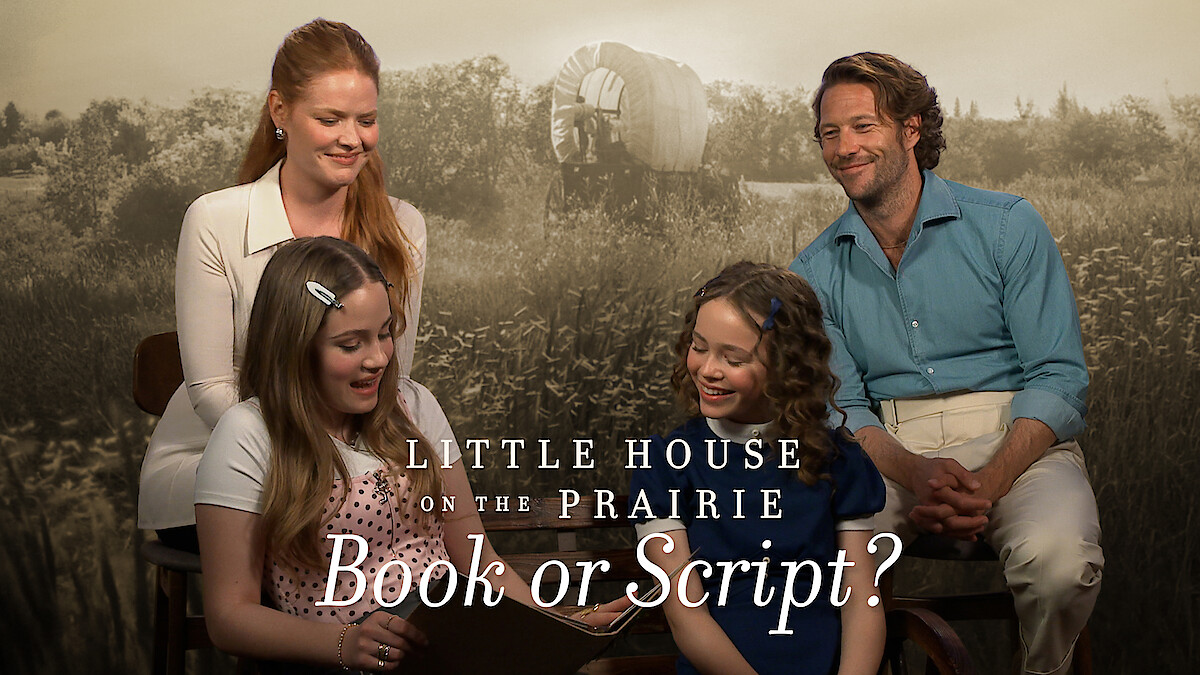
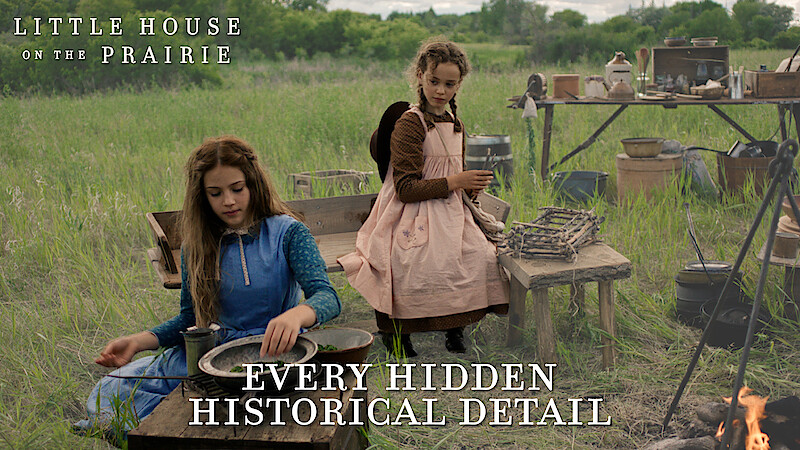
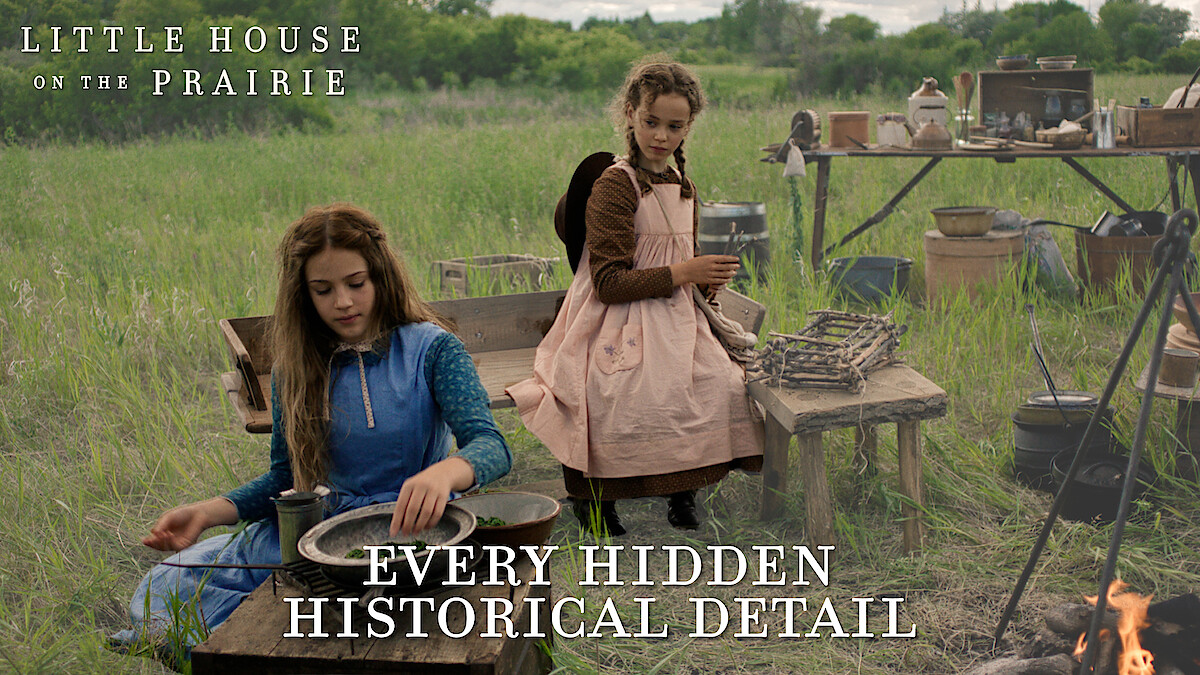
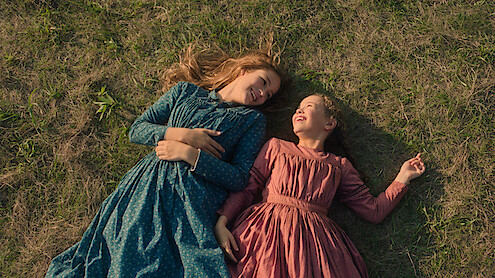
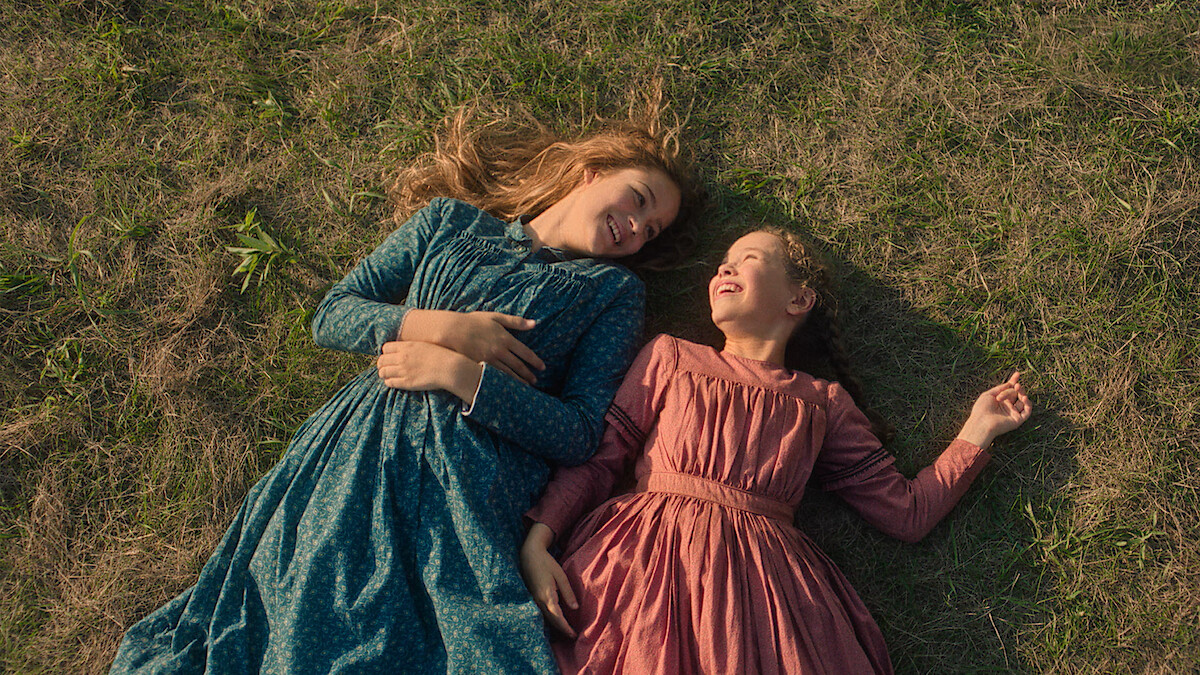
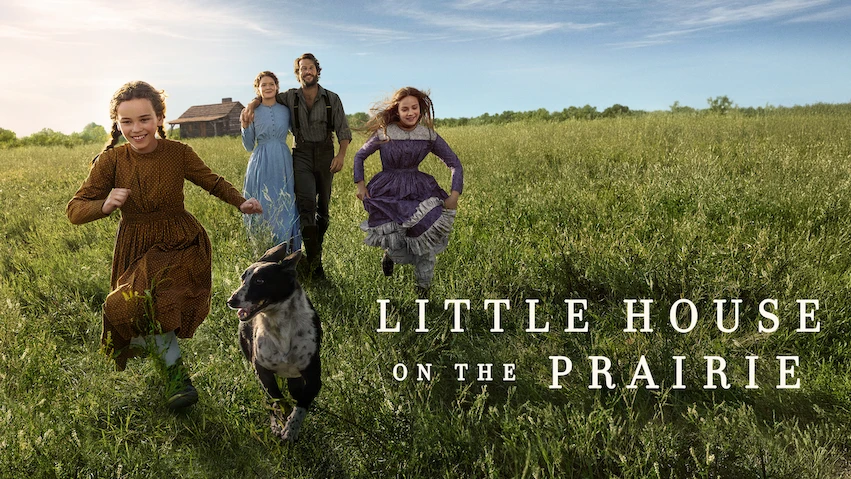
Set in 1869, Netflix’s Little House on the Prairie — from showrunner and executive producer Rebecca Sonnenshine — reimagines Laura Ingalls Wilder’s beloved semi-autobiographical novels for a contemporary audience. The series brings viewers to a pivotal moment in American history as families head west in search of new beginnings. Part family saga, part survival narrative, and part origin story of the American West, the series follows Laura Ingalls, played by Alice Halsey (Lessons in Chemistry), whose curious perspective guides viewers through a frontier world shaped by harsh natural landscapes, unpredictable weather, and the constant pressures of survival. Within that world, encounters with Indigenous communities, including the Osage, further deepen the family’s understanding of the land they are moving through, underscoring both the beauty and the complexities of a nation still taking shape.


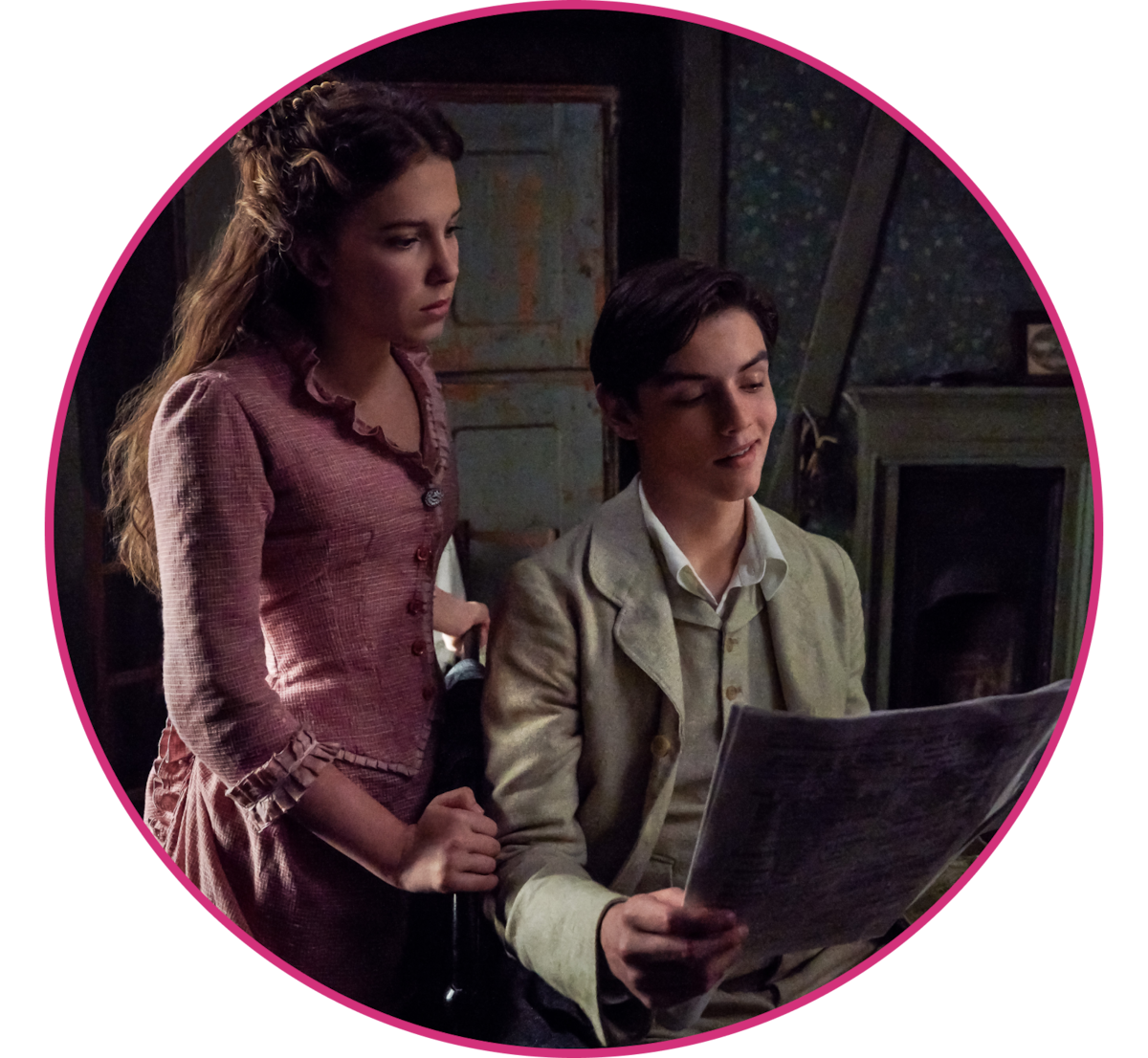
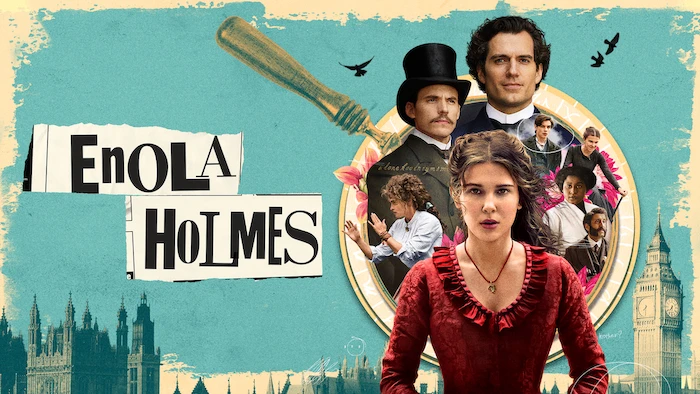
Set in 1880, nearly a generation after the Ingalls family first heads west, Enola Holmes follows its hero into a very different kind of frontier: the rapidly changing world of Victorian England. Like Laura Ingalls, Enola is a young girl trying to understand the world around her — asking questions, chasing answers, and refusing to accept the limits placed on her. Little House on the Prairie begins in 1869, 11 years earlier and thousands of miles away, with Laura exploring the possibilities and dangers of the American frontier — making both stories portraits of curious young women learning how to navigate worlds that are bigger, stranger, and more complicated than they first appear.


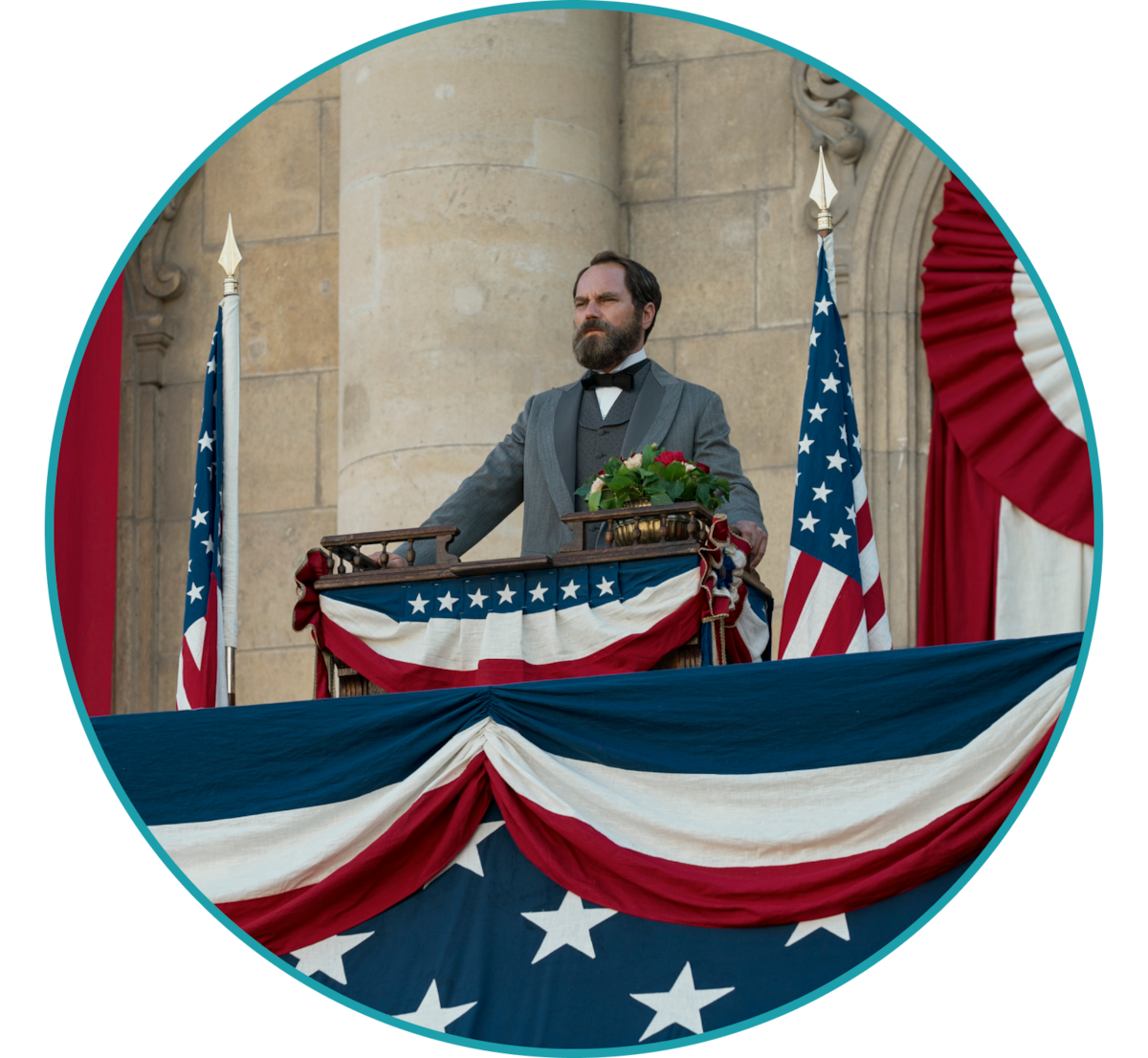
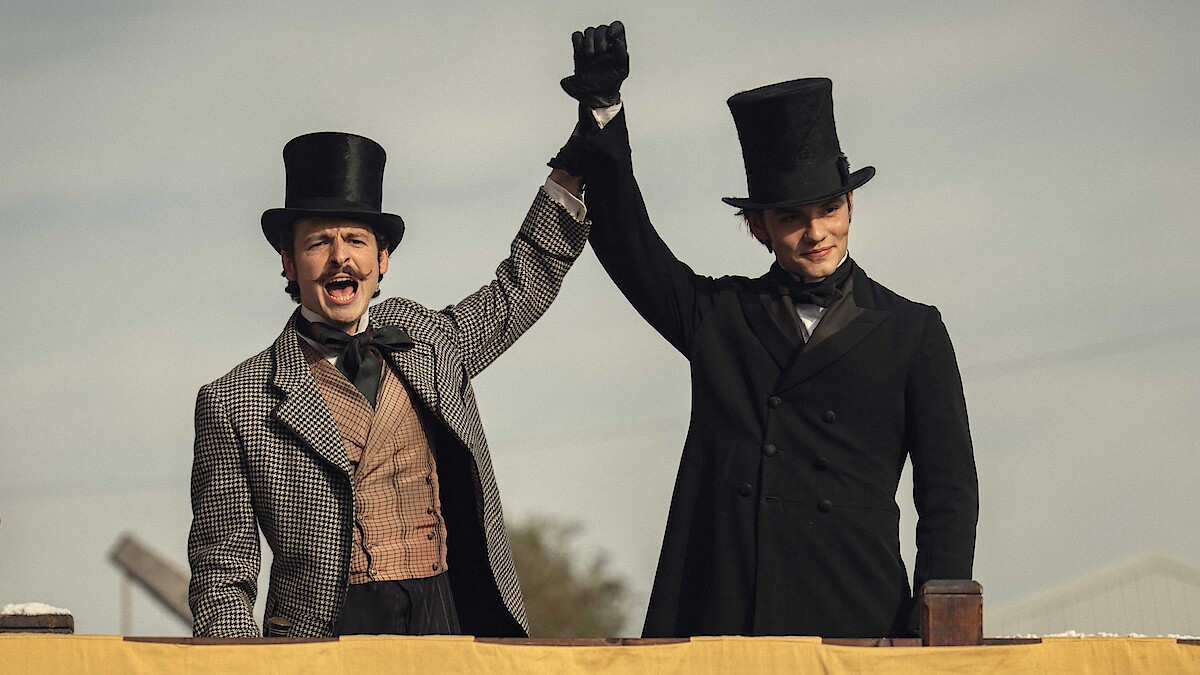
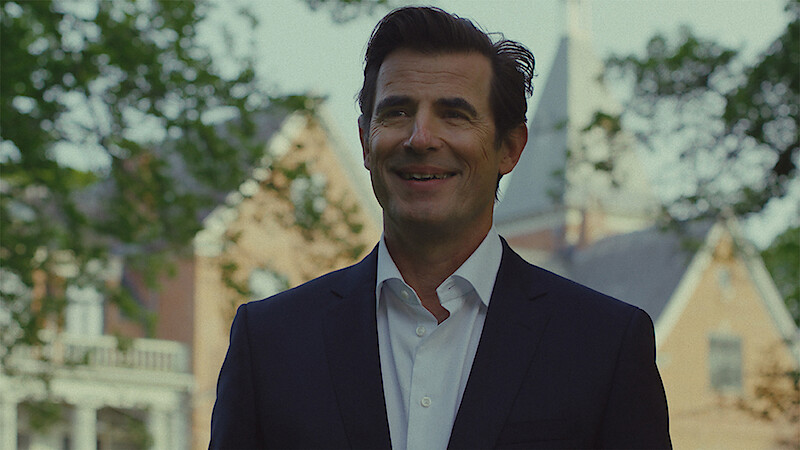
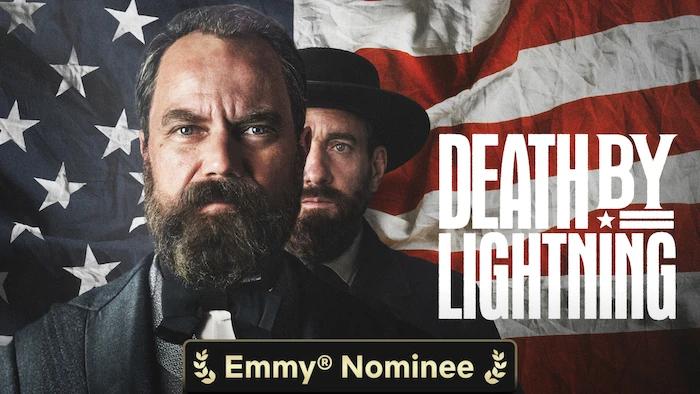
Death by Lightning takes place in 1881 Washington, DC, where the presidency of James A. Garfield becomes the center of a story about ambition, power, and the fragile machinery of American democracy. The series captures a nation still reshaping itself after the Civil War, as political patronage, industrial growth, and questions of national identity begin to define the Gilded Age. Little House on the Prairie begins in 1869, just 12 years earlier, in a quieter corner of that same rapidly changing America — where families like the Ingalls were carving out lives on the edge of settlement as the country moved from frontier expansion into a new era of modernity. Both capture a country in the midst of tremendous change.



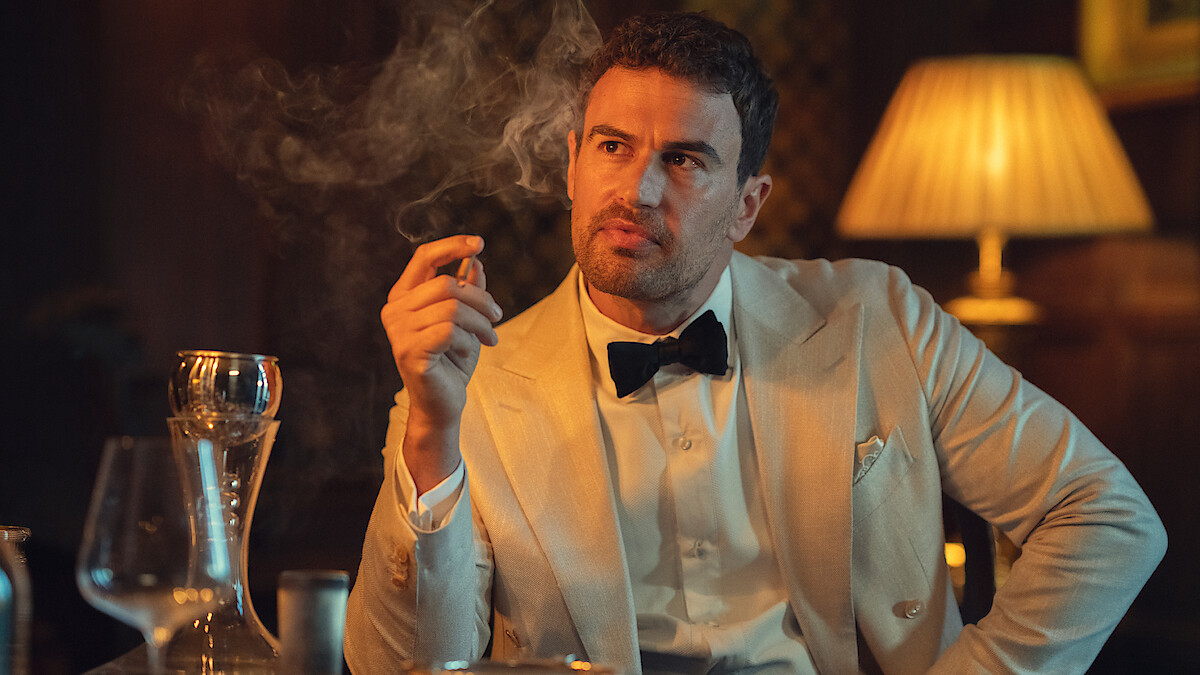
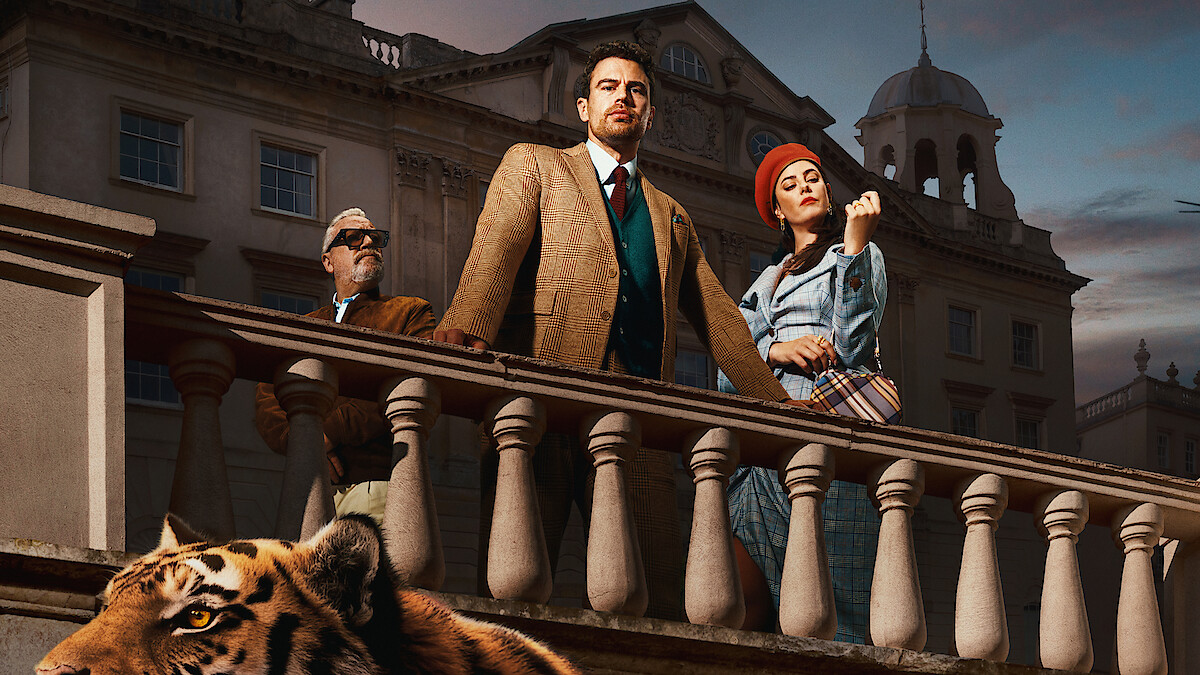
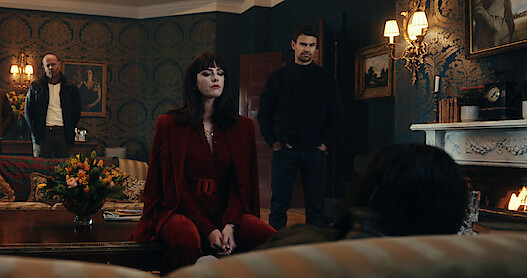
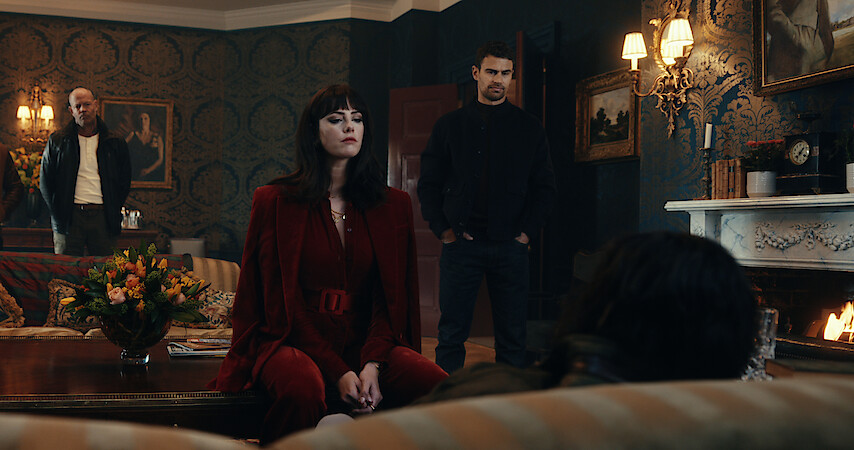
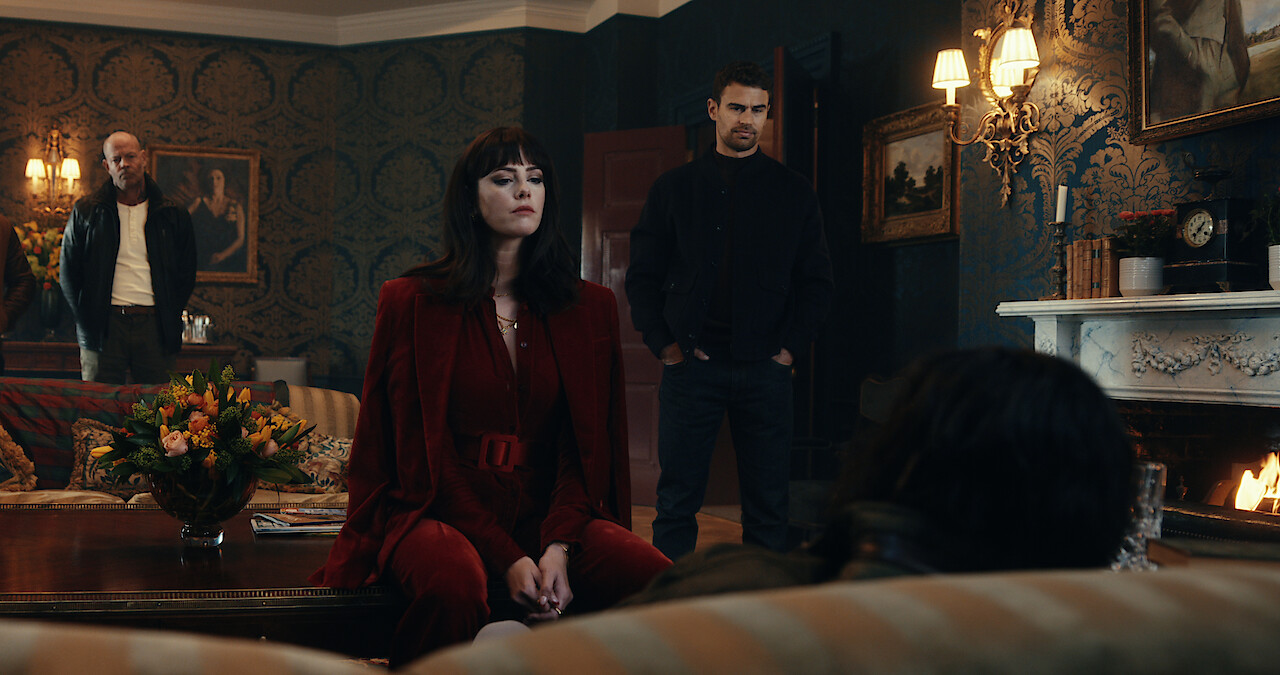
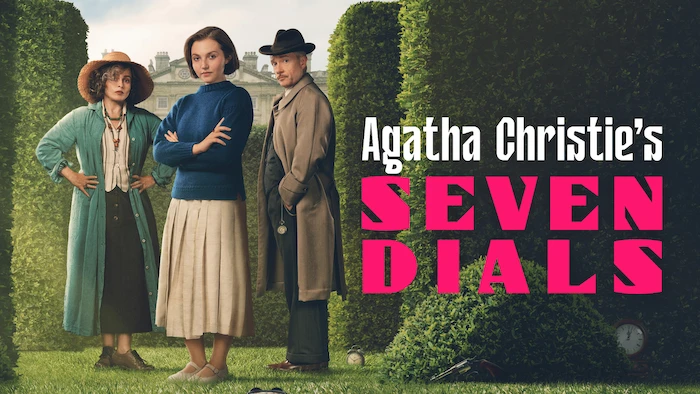
Set in 1925, nearly six decades after the Ingalls family first heads west, Agatha Christie’s Seven Dials moves into a very different kind of universe in Britain — a world of country estates, social secrets, and escalating intrigue in the aftermath of World War I. When a prank at a grand house party spirals into a murder mystery, the story leans into the shifting class structures and uneasy glamour of the interwar years, as old aristocratic certainty begins to crack.